



Meta's $115M Workforce Academy Signals AI Infrastructure Boom | Seller Opportunity in Regional Tech Hubs
- Meta invests $115M in skilled trades training across 4 US states (Louisiana, Ohio, Indiana, Texas) with guaranteed job placement, signaling massive AI data center buildout that will reshape regional e-commerce logistics, talent availability, and advertising opportunities through 2026-2030














Overview
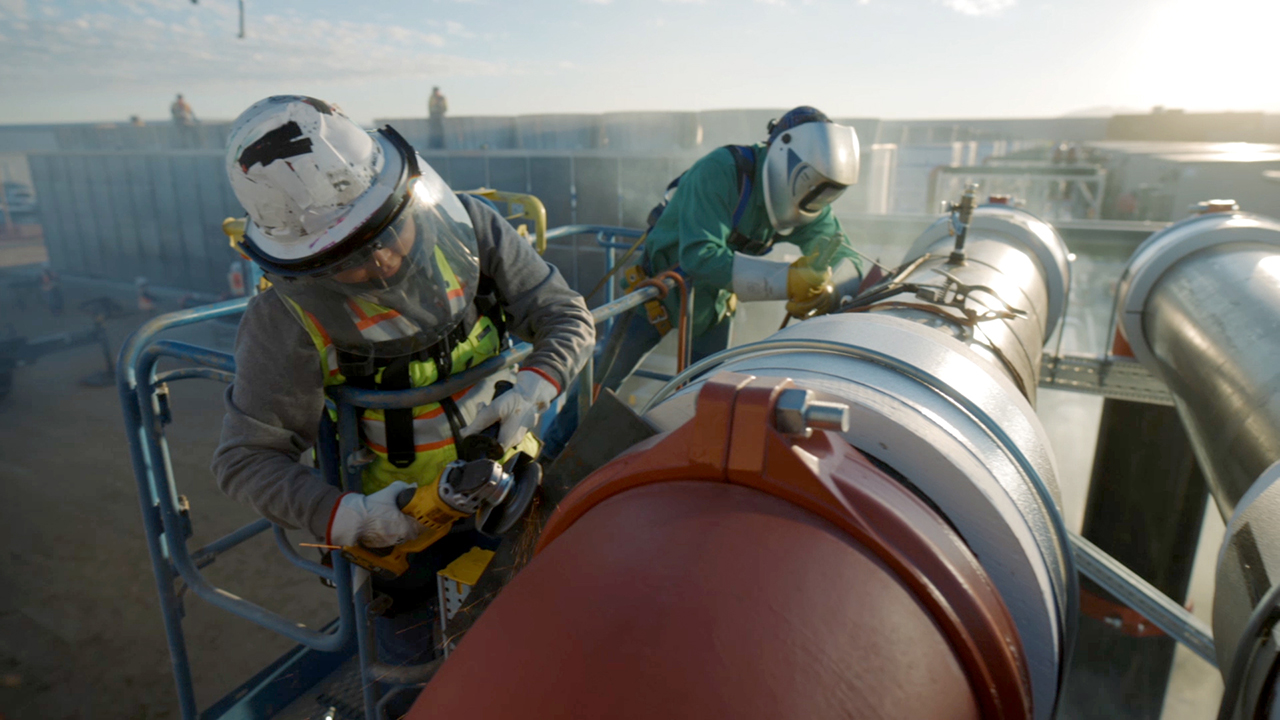
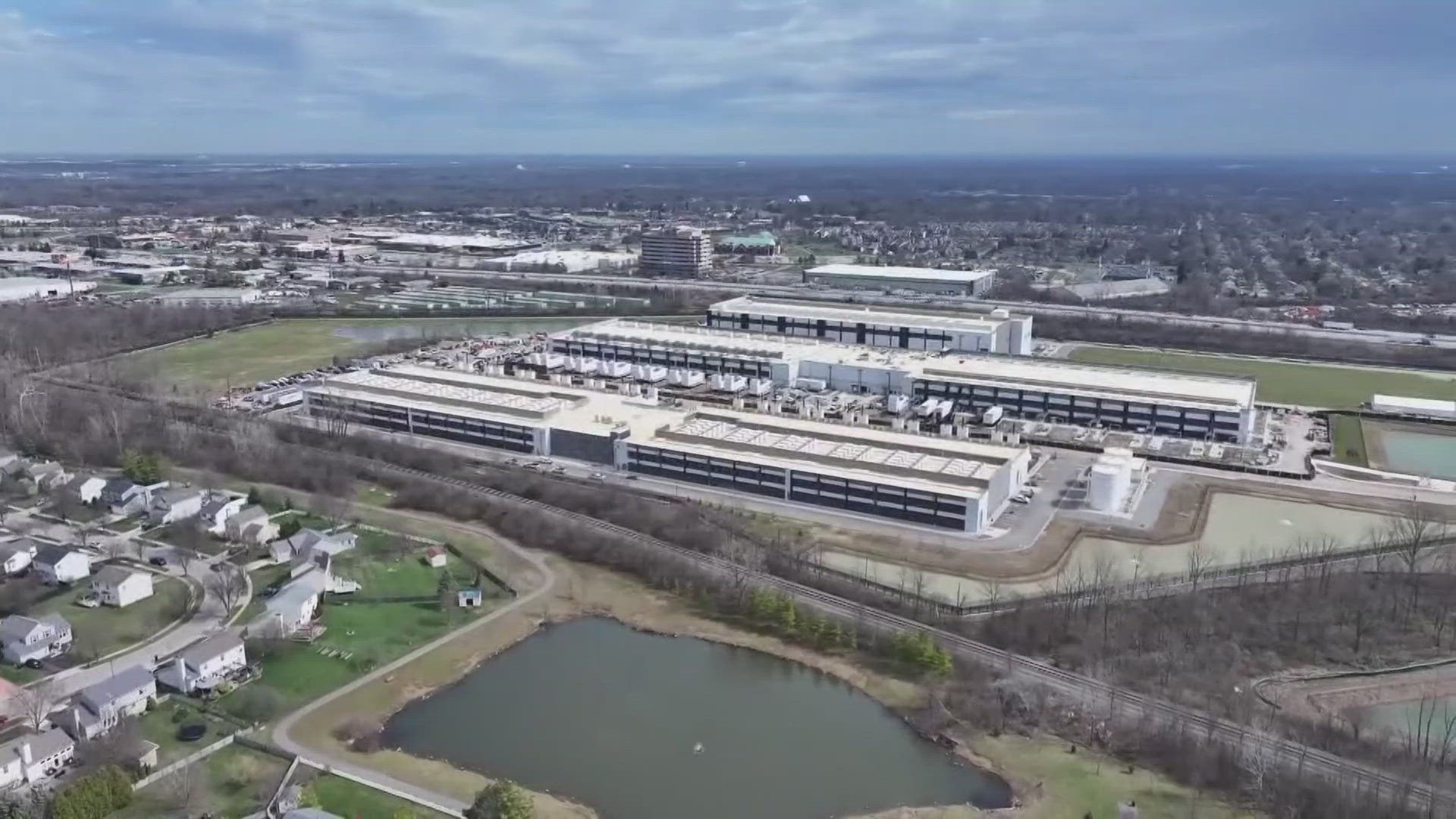
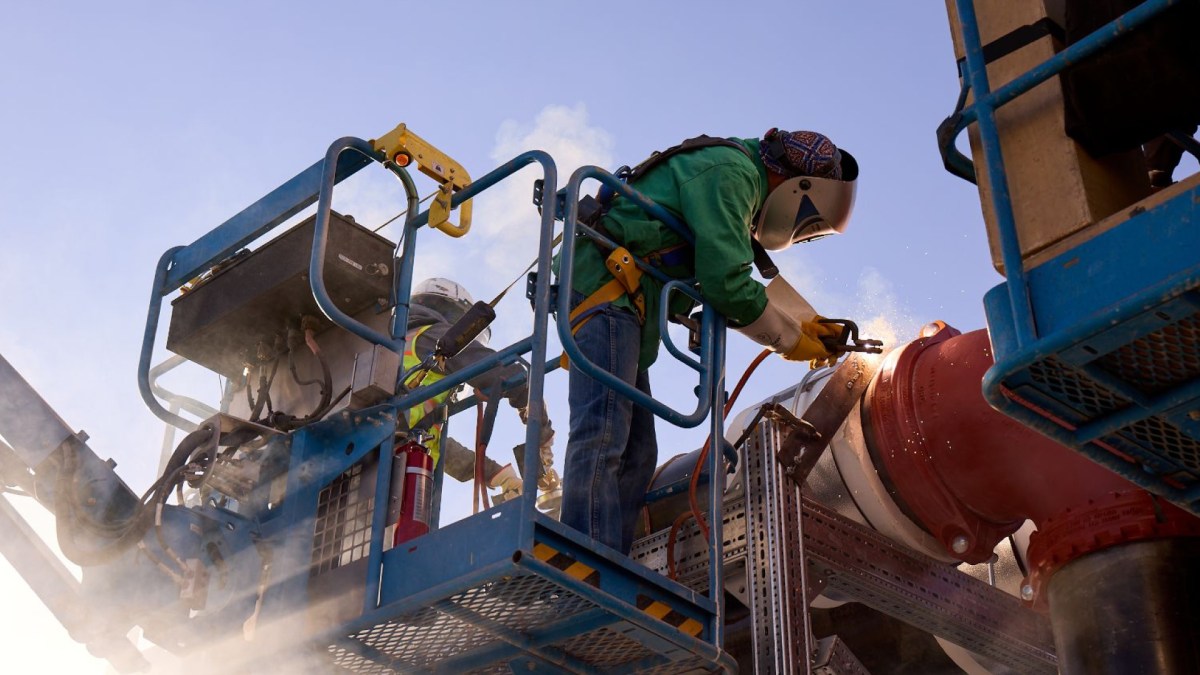
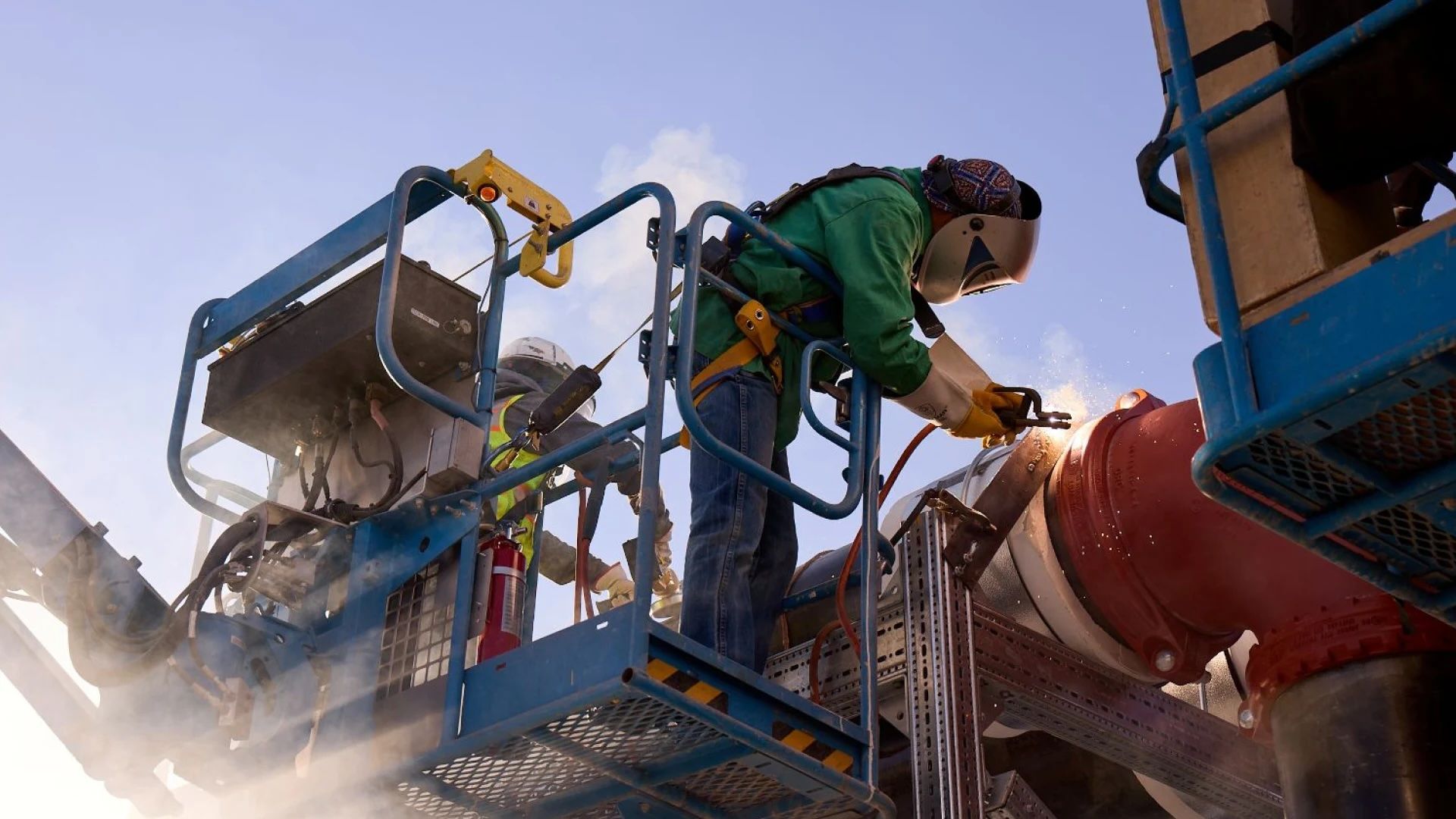
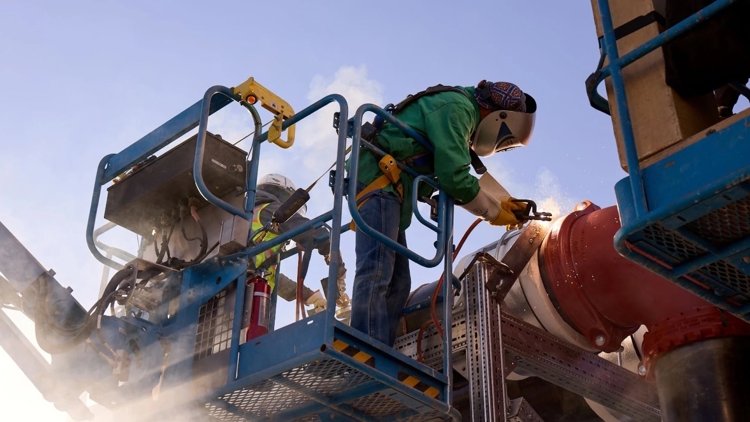
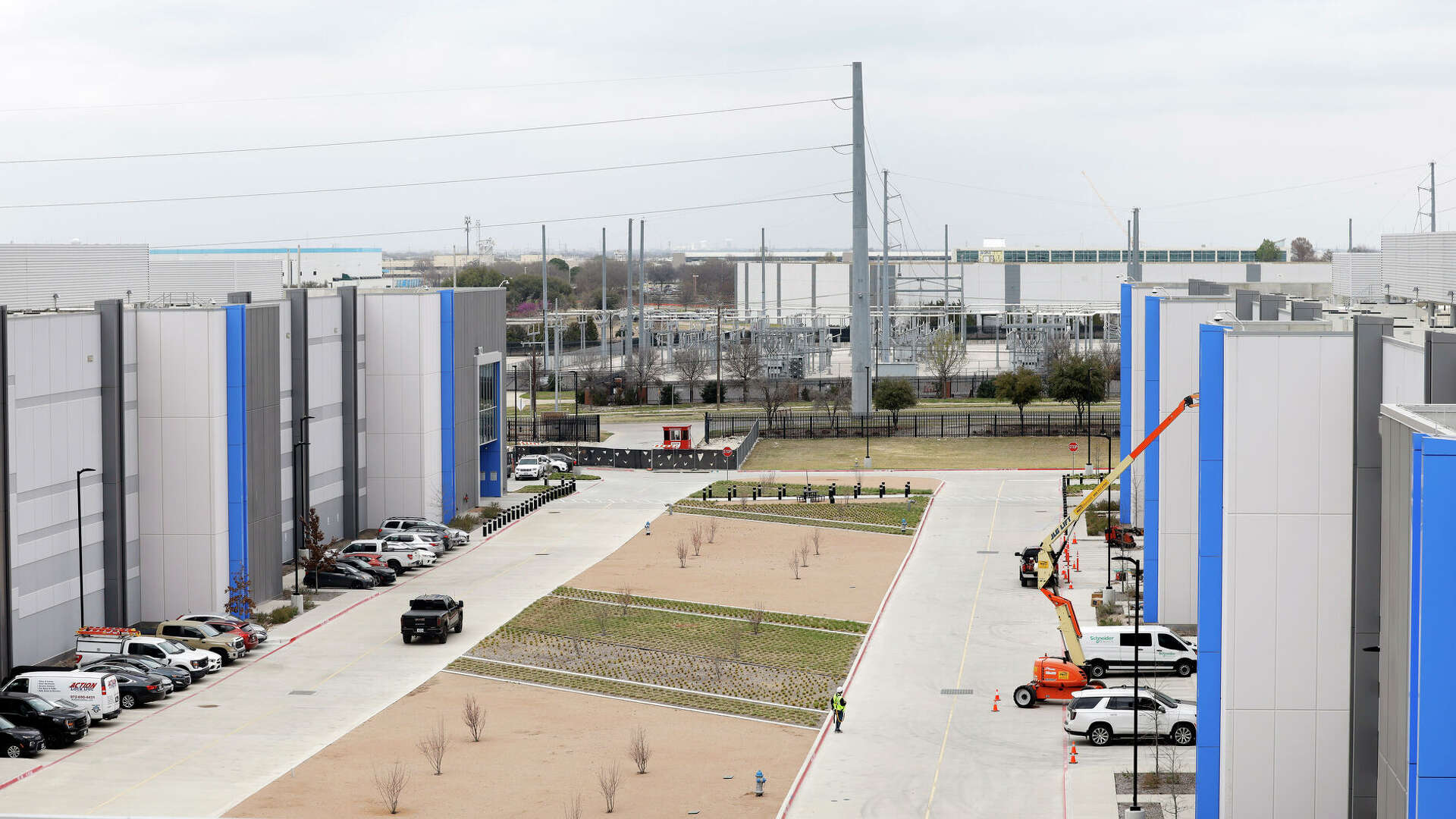
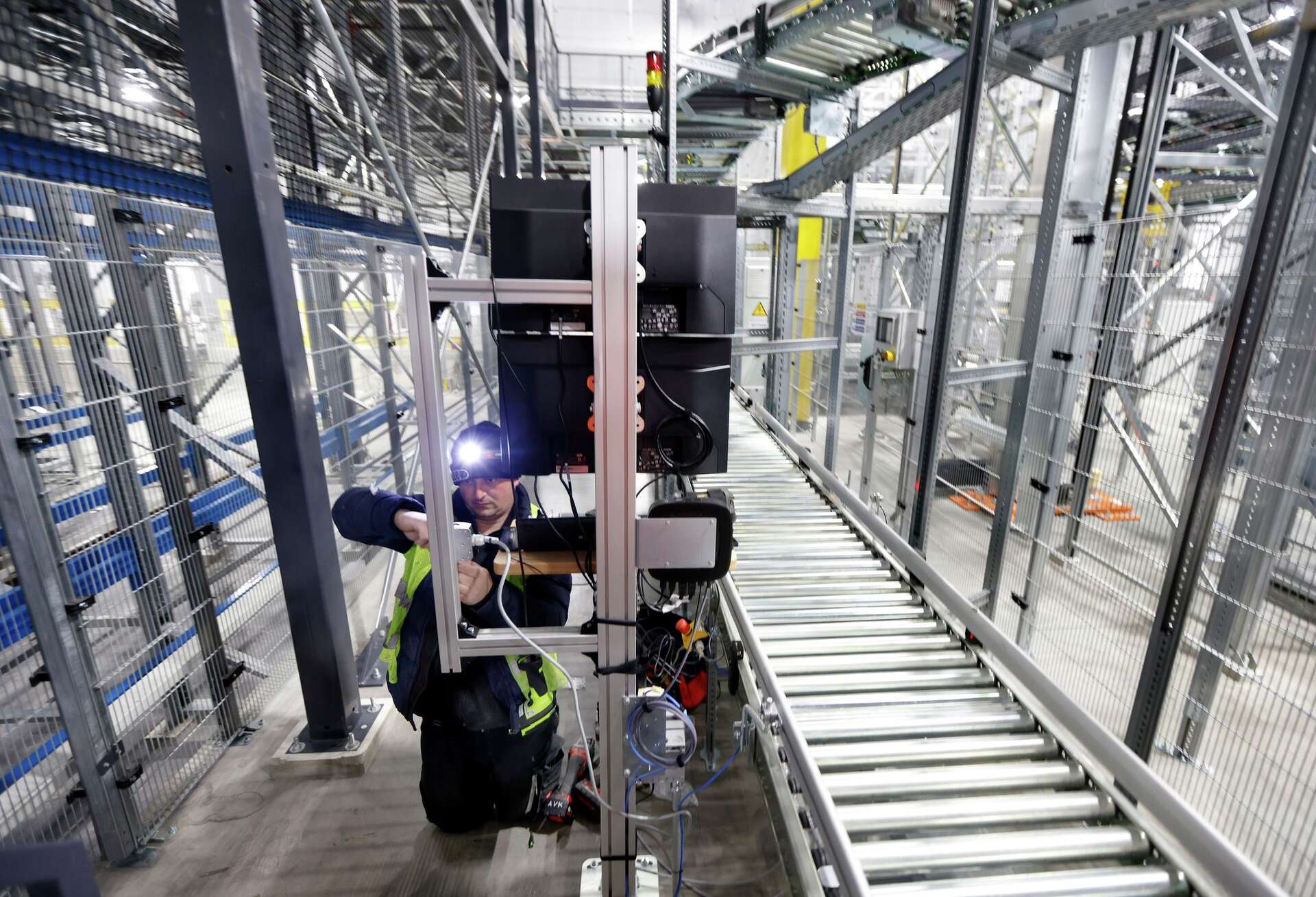
Meta's $115 million America's Workforce Academy represents a watershed moment for AI infrastructure investment and regional economic development that directly impacts e-commerce sellers. Announced in June 2026, the program trains workers in fiber installation, electrical work, welding, and plumbing across Louisiana, Ohio, Indiana, and Texas—regions where Meta operates active data center projects. The initiative guarantees employment for all graduates at Meta's general contractors, eliminating the traditional training-to-employment gap. This signals Meta's confidence in sustained AI infrastructure expansion through 2030, when McKinsey estimates global data center investment could reach $7 trillion.
For e-commerce sellers, this workforce development strategy creates three immediate opportunities. First, regional logistics infrastructure will accelerate dramatically. Data centers require massive fiber optic networks, electrical systems, and cooling infrastructure—all prerequisites for faster fulfillment networks. Sellers operating in Louisiana, Ohio, Indiana, and Texas should expect improved last-mile delivery speeds and reduced shipping costs as Meta's infrastructure investments mature. Second, the program creates a talent pipeline for digital services. Meta's Columbus academy location specifically mentions training in "digital skills, technology fundamentals, and Meta-specific platforms," indicating a parallel effort to develop advertising optimization and platform management expertise. Sellers in these regions will gain access to trained professionals for PPC campaign management, product listing optimization, and customer service automation—services that typically cost $2,000-5,000/month when outsourced nationally. Third, the $115M investment signals Meta's commitment to regional markets beyond Silicon Valley, potentially attracting additional tech companies and creating competitive advantages for sellers who establish operations in these emerging tech hubs.
The broader competitive intelligence angle is critical. Meta's job-guarantee model is explicitly designed to become an industry template. The news reports that "industry observers are monitoring whether this job-guarantee model becomes a template for competing tech companies facing identical skilled worker shortages." This means Amazon, Google, and Microsoft will likely launch similar programs within 12-18 months, creating a race for regional talent and infrastructure dominance. Sellers should monitor which tech companies establish training programs in their regions—this indicates where the next generation of fulfillment centers, advertising platforms, and logistics innovations will emerge. The program also reveals Meta's strategic pivot: following an 8,000-employee layoff, the company is reallocating resources toward infrastructure rather than consumer products, suggesting Meta's advertising platform will become increasingly dependent on AI-driven optimization and data center capacity. Sellers relying on Meta's advertising ecosystem should prepare for platform changes that require more sophisticated automation and data analysis capabilities.
Actionable implications for sellers span immediate and strategic timeframes. Immediately, sellers in the four pilot states should audit their logistics partnerships and advertising spend. If your 3PL provider or advertising agency lacks expertise in AI-driven optimization, the talent shortage will worsen before Meta's academy graduates enter the workforce (estimated 2026-2027). Consider recruiting or training internal teams now, or partnering with agencies that are already investing in AI tools like Helium 10, Jungle Scout, or Keepa for competitive advantage. Strategically, sellers should evaluate whether establishing regional operations in Louisiana, Ohio, Indiana, or Texas offers cost advantages. Meta's $115M investment signals these regions will see improved infrastructure, lower energy costs (data centers require massive power), and growing tech talent pools. For sellers with 5,000+ monthly units, relocating inventory to a 3PL in one of these regions could reduce fulfillment costs by 8-12% within 24 months as infrastructure matures. Finally, sellers should monitor Meta's advertising platform evolution. The workforce academy's emphasis on "Meta-specific platforms" suggests the company is preparing for a shift toward more automated, AI-driven advertising that requires less human intervention but more sophisticated seller participation. Sellers who master AI-powered campaign optimization now will have competitive moats when the platform shifts.
Questions 8
How does Meta's workforce academy affect cross-border e-commerce sellers?
Cross-border sellers benefit indirectly through improved US logistics infrastructure and reduced fulfillment costs. Meta's investment in Louisiana, Ohio, Indiana, and Texas creates regional fulfillment hubs that can serve both domestic and cross-border operations more efficiently. Additionally, the trained workforce will develop new Meta advertising features that benefit international sellers using Facebook/Instagram ads to reach US consumers. However, cross-border sellers should note that the program focuses on US-based skilled trades (fiber installation, electrical work, plumbing)—not international logistics or customs expertise. The broader implication: as US infrastructure improves, cross-border sellers will face increased competition from domestic sellers who benefit from lower fulfillment costs. Cross-border sellers should accelerate their adoption of AI-powered automation and advertising optimization to maintain competitive advantages. The program also signals Meta's confidence in US market growth, suggesting advertising costs may remain stable or decrease as the platform becomes more efficient.
What does Meta's workforce academy reveal about the company's advertising platform strategy?
Meta's emphasis on training workers in 'Meta-specific platforms' and 'digital skills' indicates the company is preparing for a shift toward AI-driven advertising that requires more sophisticated seller participation. The $115M investment follows an 8,000-employee layoff, suggesting Meta is reallocating resources from consumer products to infrastructure and advertising automation. Sellers should expect Meta's advertising platform to evolve toward more automated, AI-powered campaign optimization within 12-18 months. Sellers who master AI tools like Helium 10, Jungle Scout, or native Meta automation features now will have competitive advantages when the platform shifts. The program also signals Meta's confidence in sustained AI infrastructure expansion through 2030, meaning advertising budgets will likely remain robust as the company monetizes data center capacity.