


US Steel Tariff Protection & Domestic Production Revival | Supply Chain Cost Shifts for E-Commerce Sellers
- Trump tariff policies enable $2.5B steel mill modernization, signaling 8-15% domestic steel cost increases and packaging material supply tightening for cross-border sellers through 2026














Overview
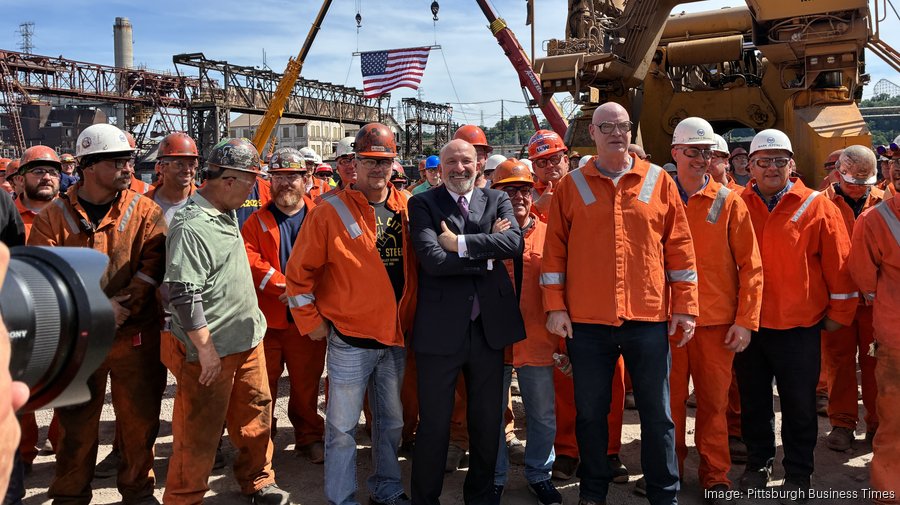
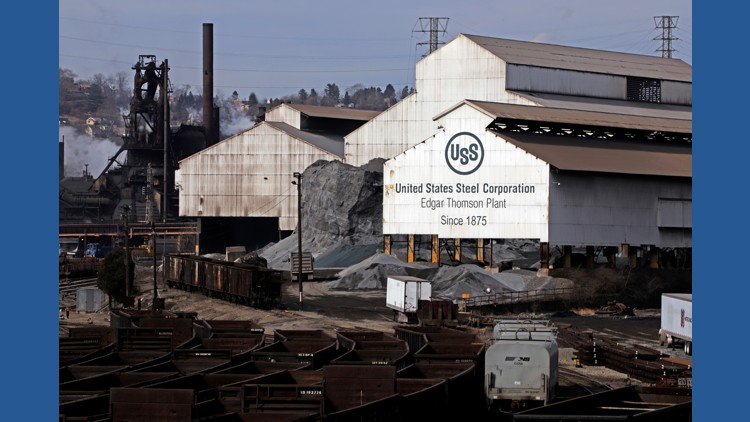
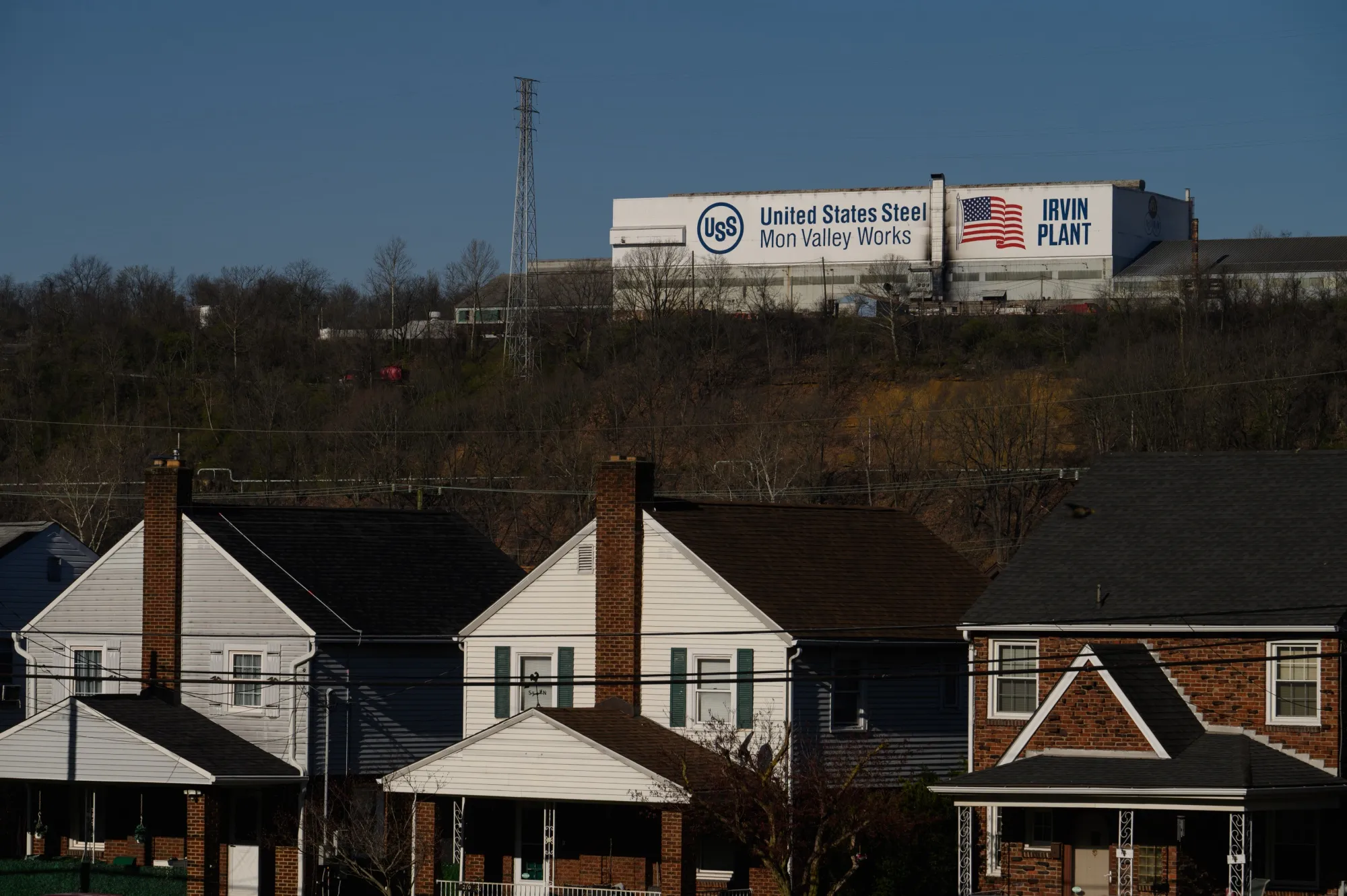
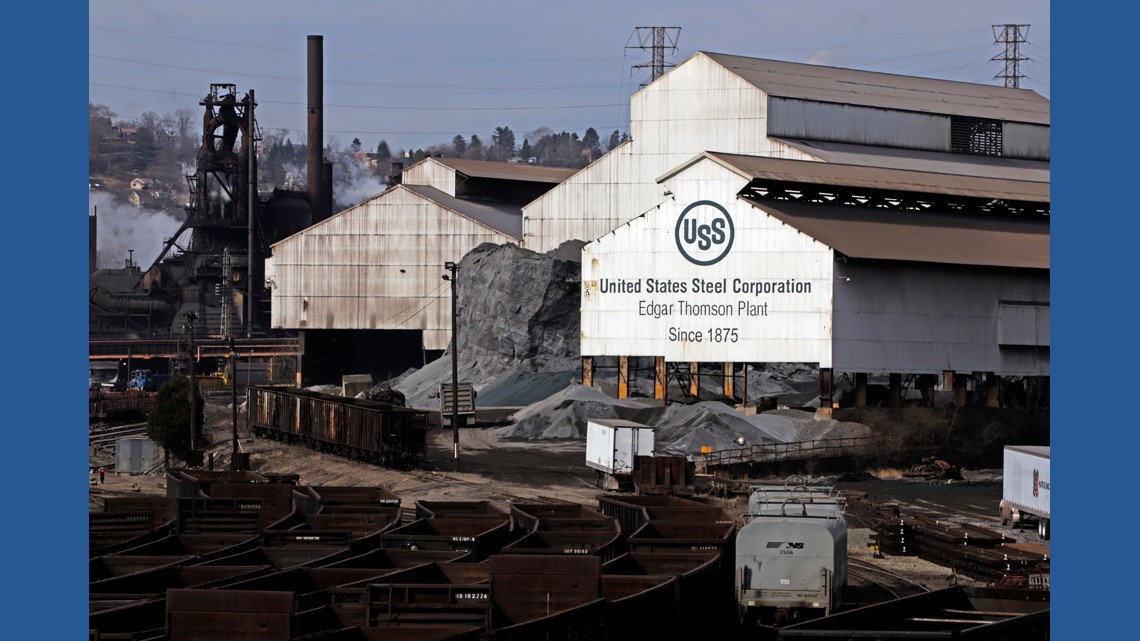
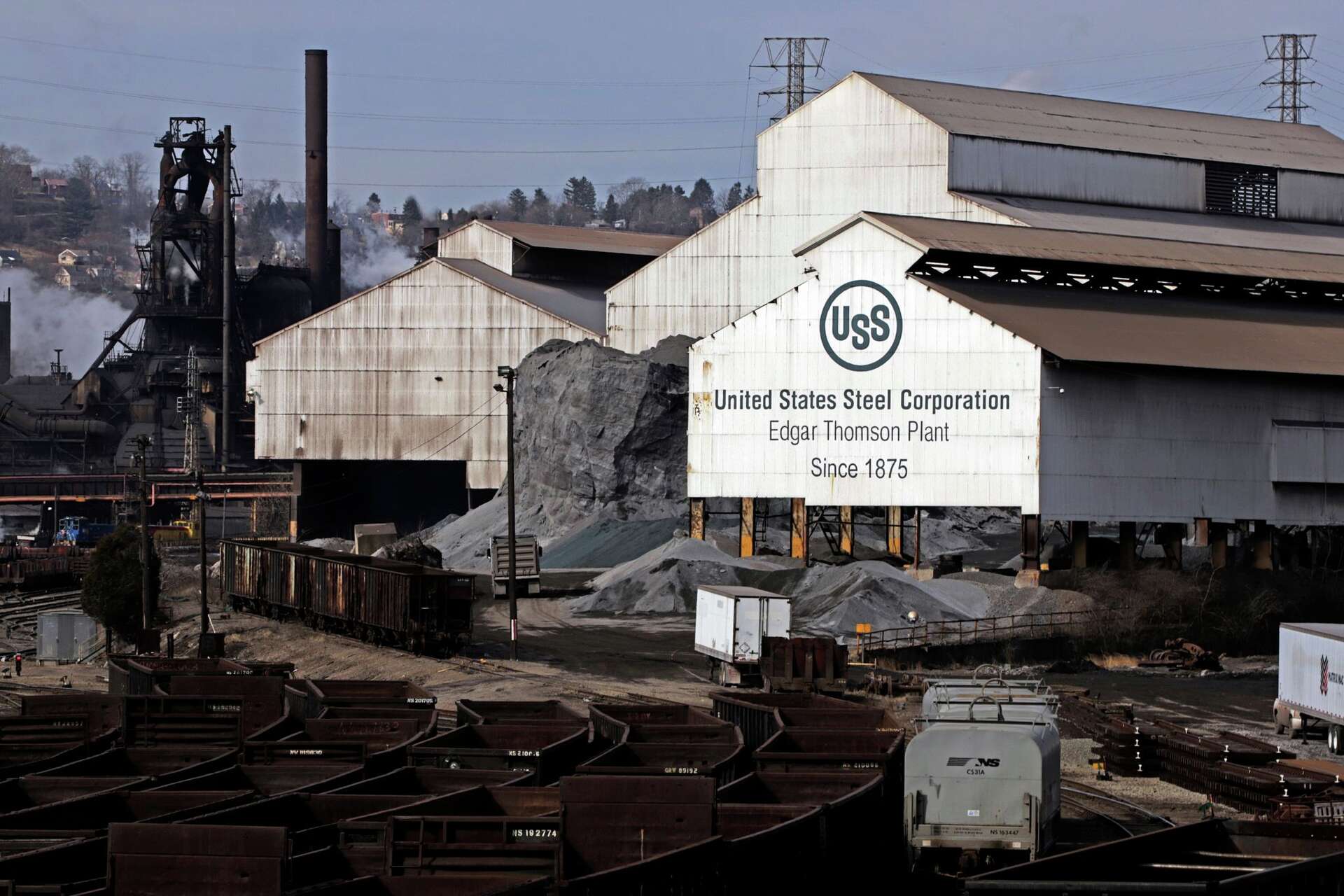
The U.S. Steel revival through tariff protection and government oversight represents a fundamental shift in domestic steel pricing and supply chain dynamics that directly impacts cross-border e-commerce sellers. Nippon Steel's $2.5 billion investment in the Edgar Thomson plant (announced June 2026) signals confidence in U.S. market protection through Trump's steel tariff policies, which Commerce Secretary Howard Lutnick explicitly credited with enabling U.S. Steel's competitive positioning against foreign subsidies and dumping. This modernization—doubling Nippon Steel's original cost estimates—will increase domestic steel production capacity while extending the mill's operational lifespan by decades, creating 6,381 total jobs (3,201 direct positions) in Pennsylvania's Mon Valley region.
For cross-border sellers, this policy-driven domestic steel revival creates immediate supply chain cost pressures. The "golden share" government oversight mechanism ensures U.S. Steel prioritizes domestic production growth over cost-cutting, meaning sellers cannot expect price relief from domestic suppliers. Domestic steel prices are likely to increase 8-15% through 2026 as tariff protection supports higher U.S. production costs versus imported alternatives. This directly affects sellers in packaging-intensive categories (electronics, home goods, appliances) who rely on steel components, metal packaging, and industrial containers. The three-year modernization timeline (2026-2029) creates a transition period where sellers must either absorb higher domestic steel costs, shift sourcing to tariff-exempt countries (Vietnam, India, Mexico under USMCA), or increase product prices by 3-8% to maintain margins.
Strategic sourcing shifts are already underway as sellers respond to tariff-protected domestic steel. Sellers shipping to the U.S. market face a critical decision: source steel-based packaging and components from domestic U.S. suppliers (higher cost, tariff-protected) or shift to Vietnam, India, or Mexico suppliers (lower cost, tariff-exempt or reduced rates). The Pennsylvania facility's modernization specifically targets hot-strip mill production—the foundational input for metal packaging, automotive components, and industrial goods. Sellers in appliances, tools, automotive accessories, and metal furniture categories should expect 5-12% cost increases from domestic suppliers by Q3 2026. However, the tariff policy creates arbitrage opportunities: sellers can source from Vietnam or India at 20-30% cost savings versus domestic U.S. suppliers, then import into the U.S. market at tariff rates that still undercut domestic pricing. The government's "noses in, fingers out" approach means U.S. Steel will not pursue aggressive cost-cutting, making it uncompetitive for price-sensitive categories.
Questions 8
What compliance risks should sellers monitor regarding the U.S. Steel tariff policy and government oversight?
The primary compliance risk is tariff classification and rules of origin for offshore suppliers. The USMCA agreement requires 75% North American content for steel products to qualify for preferential rates—sellers must verify supplier compliance or face retroactive tariff assessments. Vietnam and India suppliers face standard tariff rates with no preferential agreements, so tariff rates are fixed and predictable. Secondary risks include potential tariff increases if the Trump administration expands steel protection measures—monitor USTR announcements quarterly for tariff changes. The 'golden share' oversight creates no direct seller compliance obligations, but it signals the government will maintain tariff protection through 2026, making offshore sourcing a stable long-term strategy. Sellers should document sourcing decisions and tariff calculations for audit purposes, as CBP (Customs and Border Protection) increasingly scrutinizes tariff classifications on steel products. Maintain supplier certifications and rules of origin documentation for USMCA suppliers to avoid penalties.
Should I source from domestic U.S. Steel suppliers or shift to offshore suppliers given the tariff policy?
The decision depends on your product category, margin structure, and customer price sensitivity. For margin-sensitive categories (electronics, appliances, tools) with <25% margins, offshore sourcing is essential—domestic suppliers will be 20-30% more expensive through 2026. For premium/branded categories with >40% margins, domestic sourcing may be viable if you can pass through 3-8% price increases to customers. The optimal strategy is hybrid sourcing: source 50-70% from Vietnam/India/Mexico at lower tariff rates, and 30-50% from domestic U.S. suppliers to maintain supply chain resilience and qualify for 'Made in USA' marketing claims. This approach hedges tariff risk while maintaining cost competitiveness. Sellers should execute this shift by Q4 2026 before domestic suppliers fully implement tariff-driven price increases. Monitor USITC tariff changes quarterly—any tariff reductions on offshore suppliers would shift the economics further toward offshore sourcing.