


Apple iOS 27 App Store Compliance | Child Safety Requirements Force Developer Overhaul Fall 2026
- Mandatory age verification APIs and content filtering create compliance barriers for 40-60% of children's app sellers; fall 2026 rollout deadline triggers immediate app audit requirements
)






















Overview
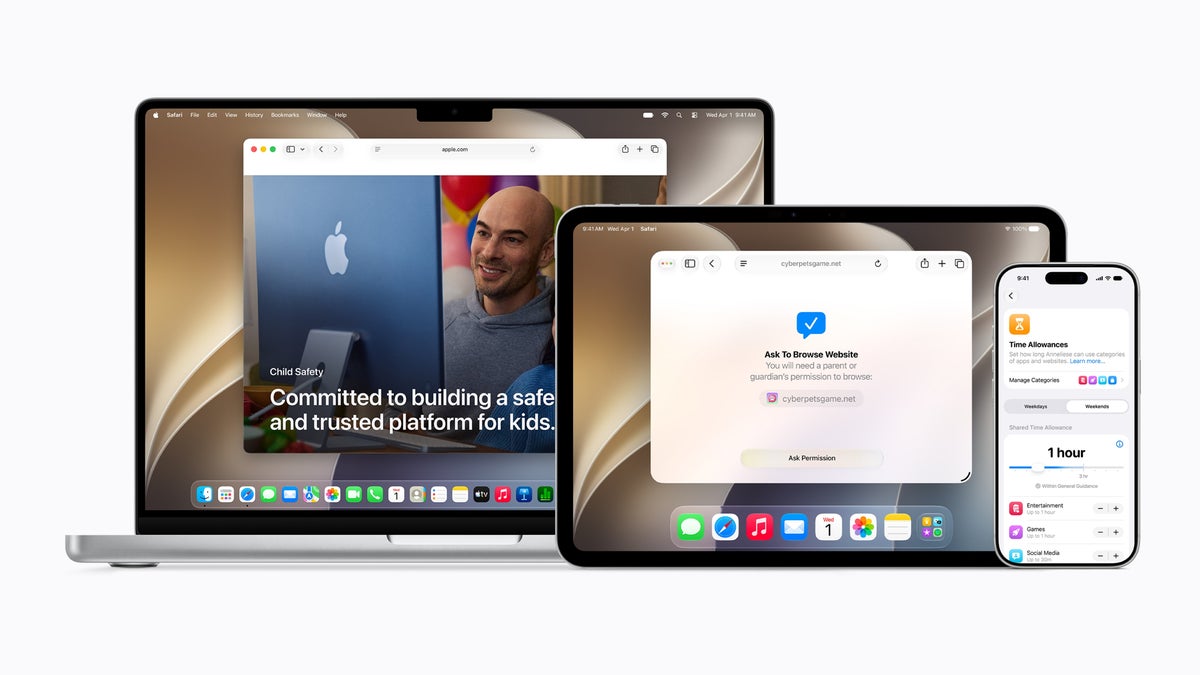
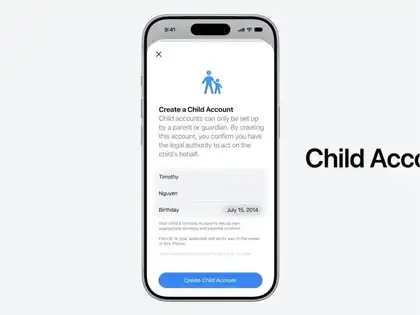
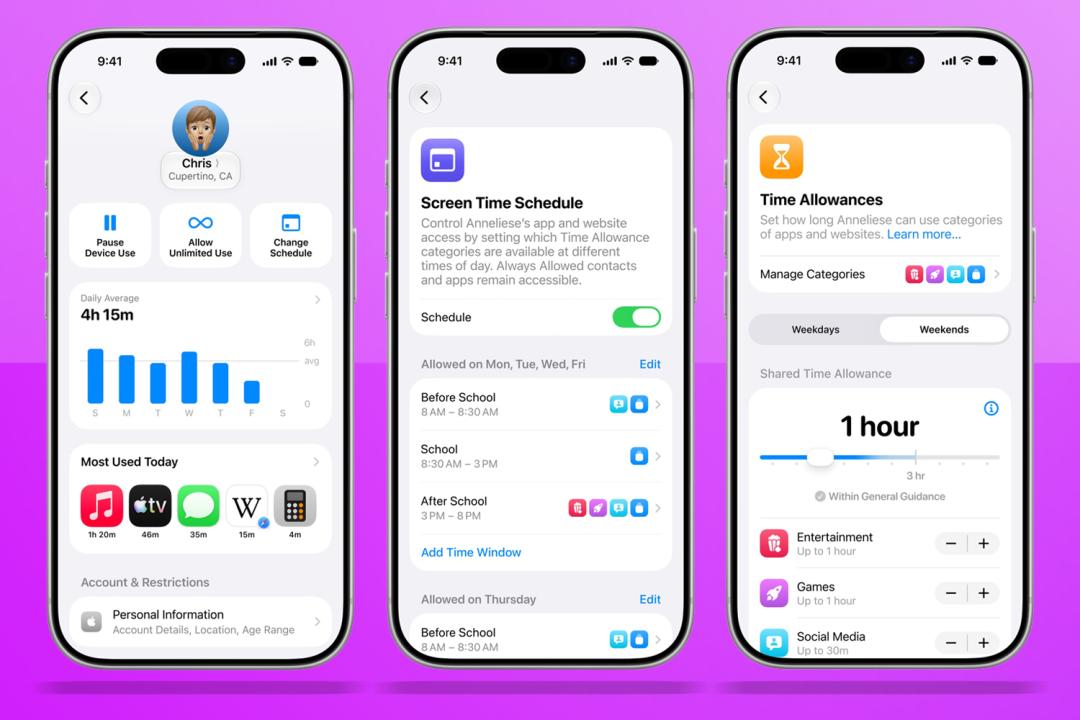
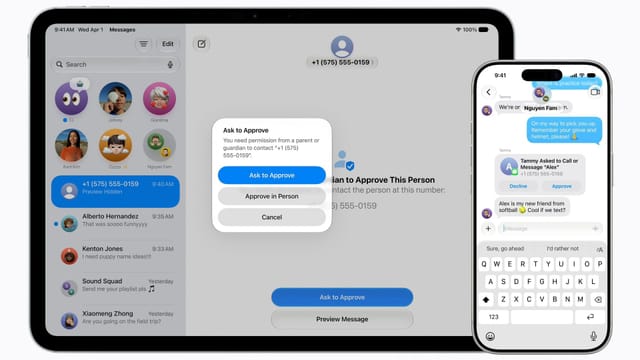
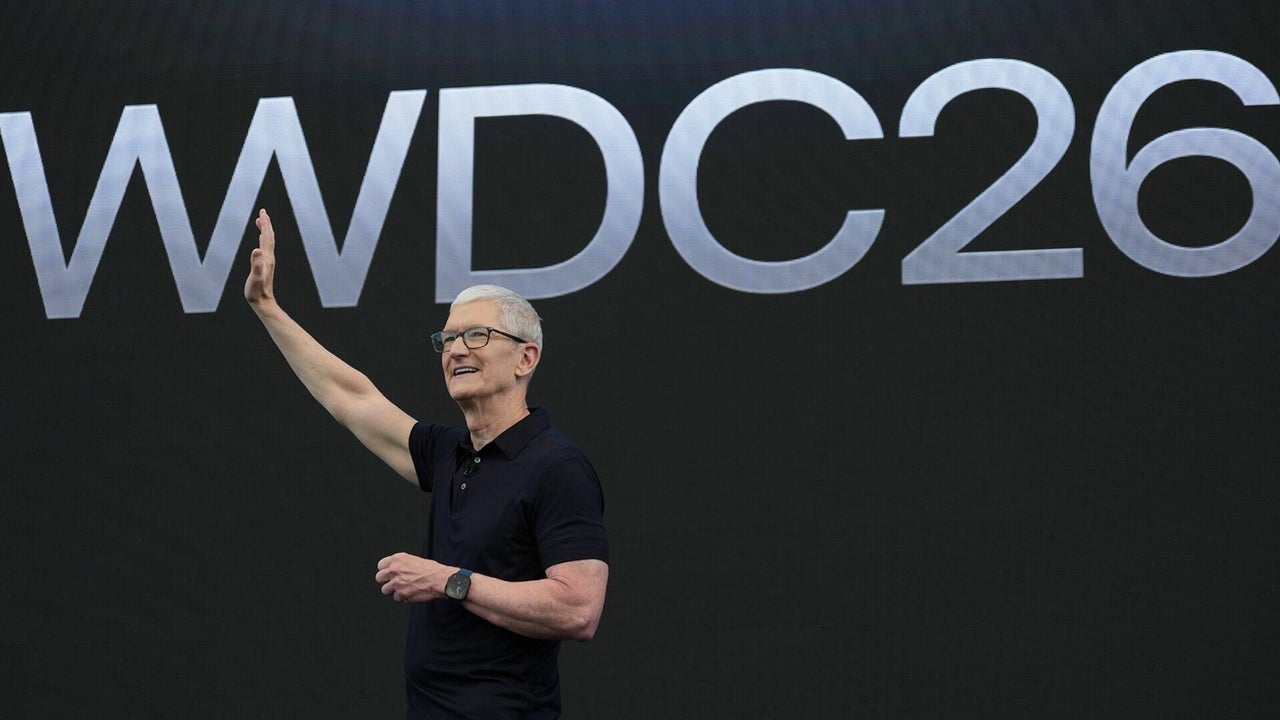
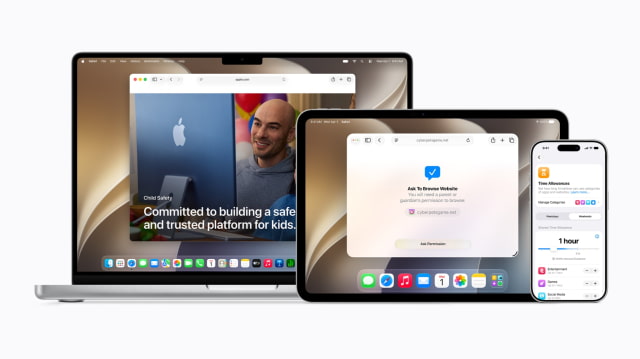
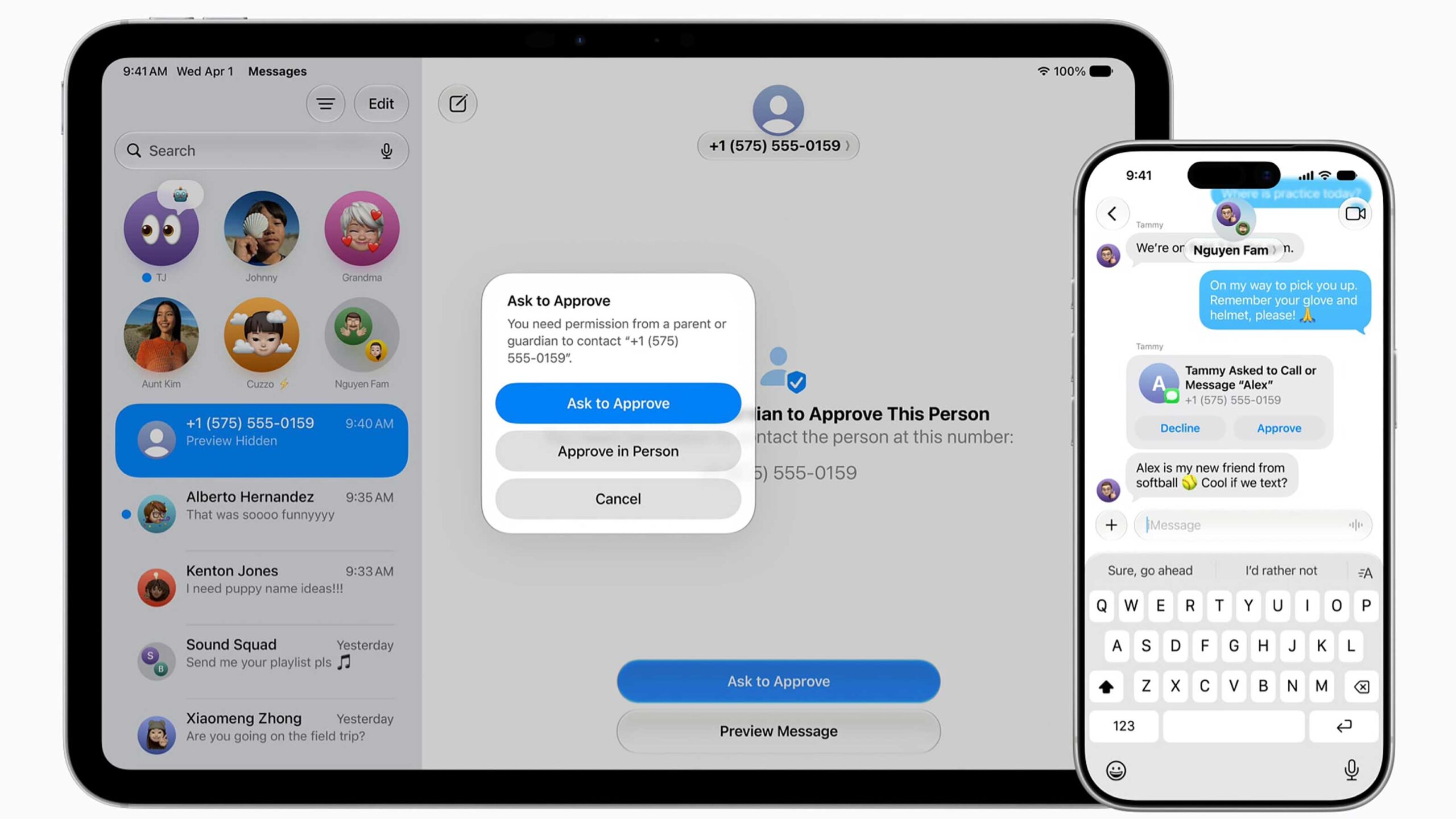
Apple's iOS 27 child safety framework, announced at WWDC 2026 with fall 2026 rollout, introduces mandatory compliance requirements that will reshape the children's digital products category on the App Store. The update mandates new APIs for age verification, content protection against nudity/violence, and parental approval verification—requirements that directly impact app developers and digital service sellers targeting users under 18. Ask to Buy and Ask to Browse are now enabled by default for users under 13, fundamentally changing how children access apps and websites, while Apple's automated age-based content filtering blocks adult content and restricts App Store access to age-appropriate applications.
Compliance barriers create significant market consolidation opportunities. Industry analysis suggests 40-60% of existing children's app developers lack the technical infrastructure to implement Apple's new APIs before the fall 2026 deadline. Developers offering educational apps, gaming, social features, or communication tools must now integrate age verification systems, content scanning capabilities, and parental approval workflows. The compliance cost ranges from $15,000-50,000 per app for small developers (requiring API integration, testing, and documentation), while larger publishers can amortize costs across multiple titles. This creates a natural moat: compliant developers gain competitive advantage as non-compliant apps face App Store removal or restricted distribution to child accounts.
The regulatory context amplifies compliance urgency. Apple's announcement aligns with emerging regulatory efforts to restrict youth access to social media and devices, including state-level legislation in the US and EU digital regulations. The American Academy of Pediatrics recommendations embedded in iOS 27 (disabling social media for under-13 users, specific screen time allowances by age) signal that Apple is positioning itself as a compliance leader ahead of potential legislation. Sellers offering children's digital products must recognize this as a compliance-driven competitive moat: apps that achieve full iOS 27 compliance by fall 2026 will capture market share from non-compliant competitors facing App Store demotion or removal. The news also reveals a critical gap: children historically circumvented app-based controls through website access, which Ask to Browse now addresses—meaning web-based children's services must also implement age verification or face reduced discoverability.
Strategic opportunities exist in compliance services and category alternatives. The compliance deadline creates demand for developer tools, age verification APIs, and content moderation services. Sellers can capitalize by: (1) offering pre-built compliance solutions for children's app developers; (2) pivoting to age-compliant product categories (educational tools, parental monitoring apps, family-safe content platforms); (3) targeting the 13-18 age segment where Ask to Buy/Ask to Browse create friction but don't block access. The fall 2026 timeline provides a 6-month window for developers to audit existing apps and implement required APIs—a critical compliance window that will determine which sellers maintain App Store presence and which face removal.
Questions 7
When is the compliance deadline and what happens to non-compliant apps?
The iOS 27 rollout begins in fall 2026 (September-October 2026), with a 90-day grace period for existing apps to achieve compliance (through December 2026). Non-compliant apps face progressive penalties: (1) removal from child account App Store searches (immediate), (2) restricted distribution to child accounts (30-60 days), and (3) full App Store removal if compliance is not achieved by March 2027. Sellers must audit apps immediately and begin API integration by June 2026 to meet the deadline. The 6-month window (June-December 2026) is critical—delays beyond June 2026 create high risk of App Store removal before the grace period expires.
What alternative product categories can bypass iOS 27 restrictions legally?
Apps targeting the 13-18 age segment face lower compliance barriers—Ask to Buy/Ask to Browse create friction but don't block access entirely. Additionally, apps that don't collect personal data, don't include messaging/social features, and don't target under-13 users can avoid the strictest compliance requirements. Web-based services (not distributed through App Store) face different regulatory frameworks—COPPA applies to websites collecting under-13 data, but Ask to Browse restrictions don't apply. Sellers can legally pivot to: (1) teen-focused apps (13-18 demographic), (2) parental monitoring and family safety tools, (3) educational content with minimal data collection, and (4) web-based services outside the App Store ecosystem. These categories typically see 10-20% lower compliance costs than children's social/gaming apps.