


Eastern Europe Supply Chain Risk Alert | NATO Airspace Violations Threaten Baltic Logistics Hubs
- Escalating drone incursions across Latvia, Lithuania, Estonia create operational uncertainty for sellers; 3+ incidents in June 2024 signal geopolitical instability affecting fulfillment networks and cross-border shipping routes




























Overview
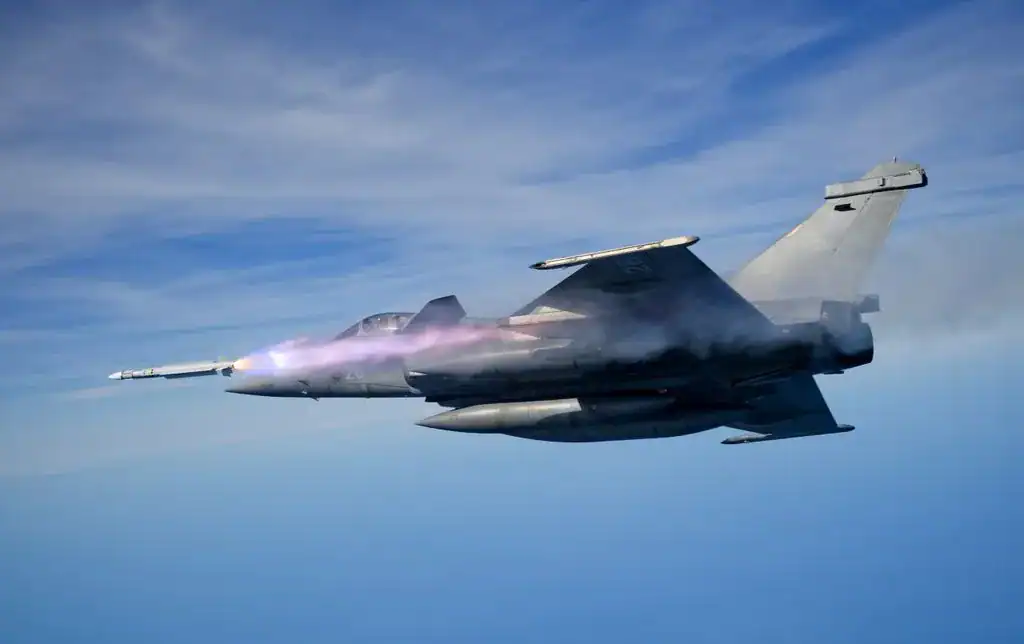
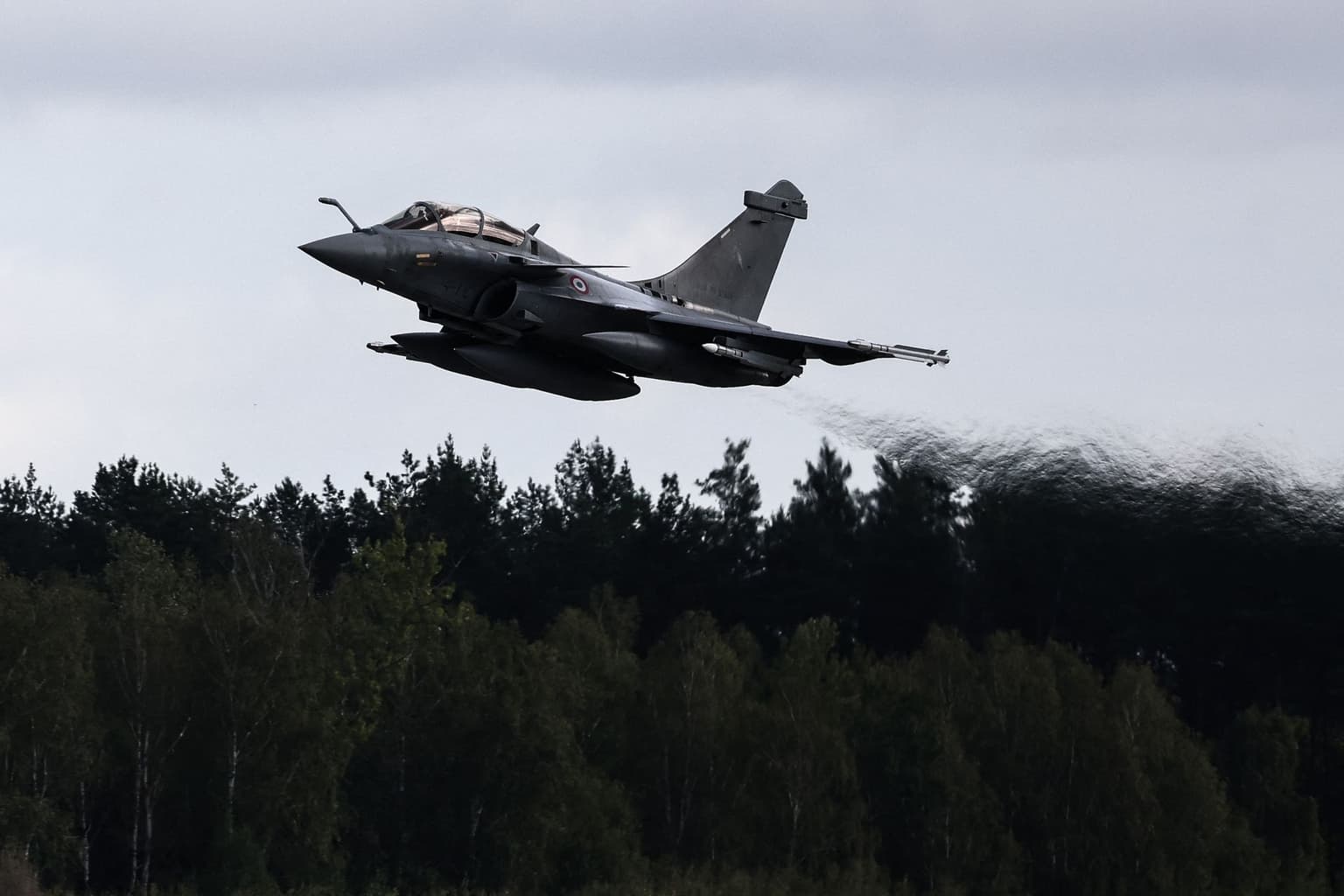
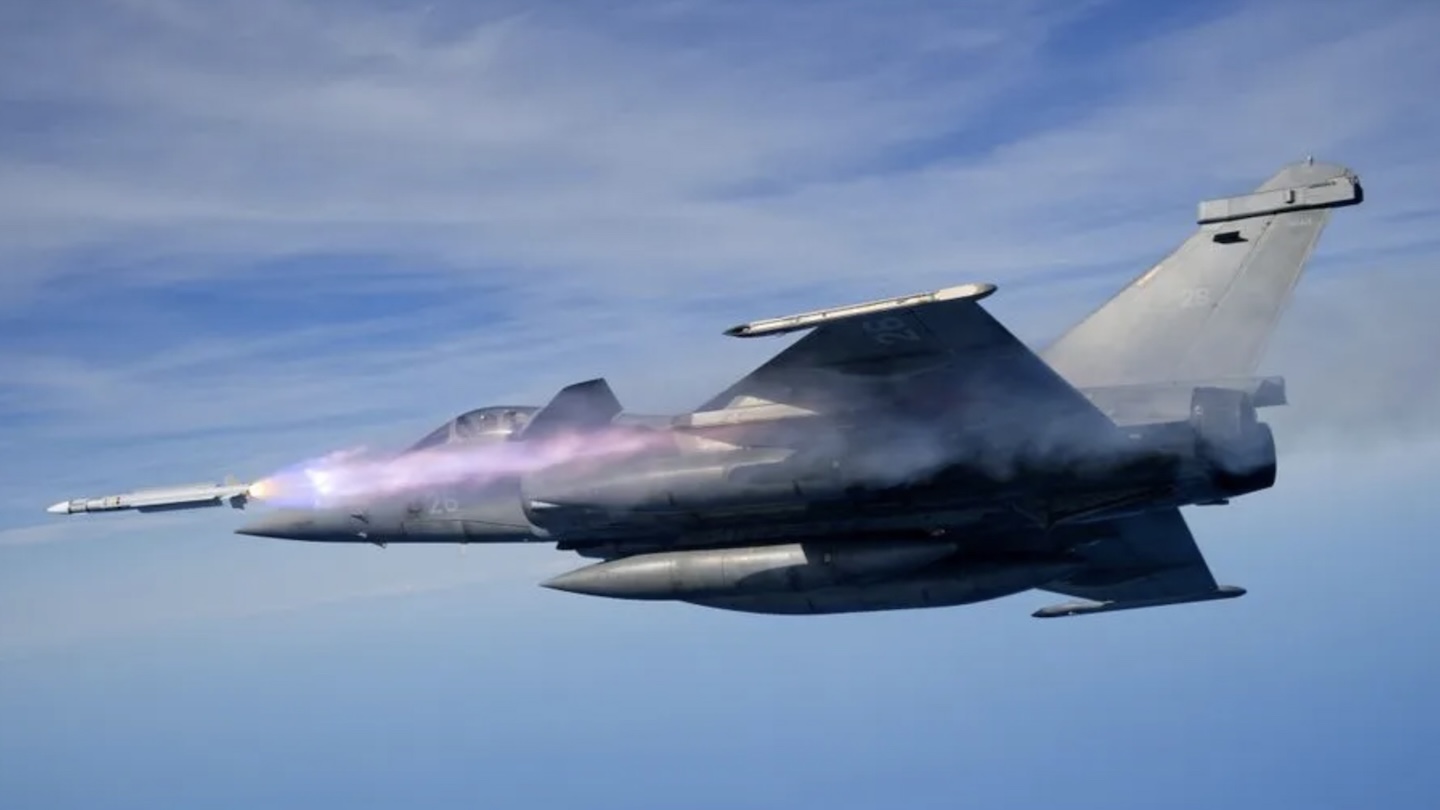
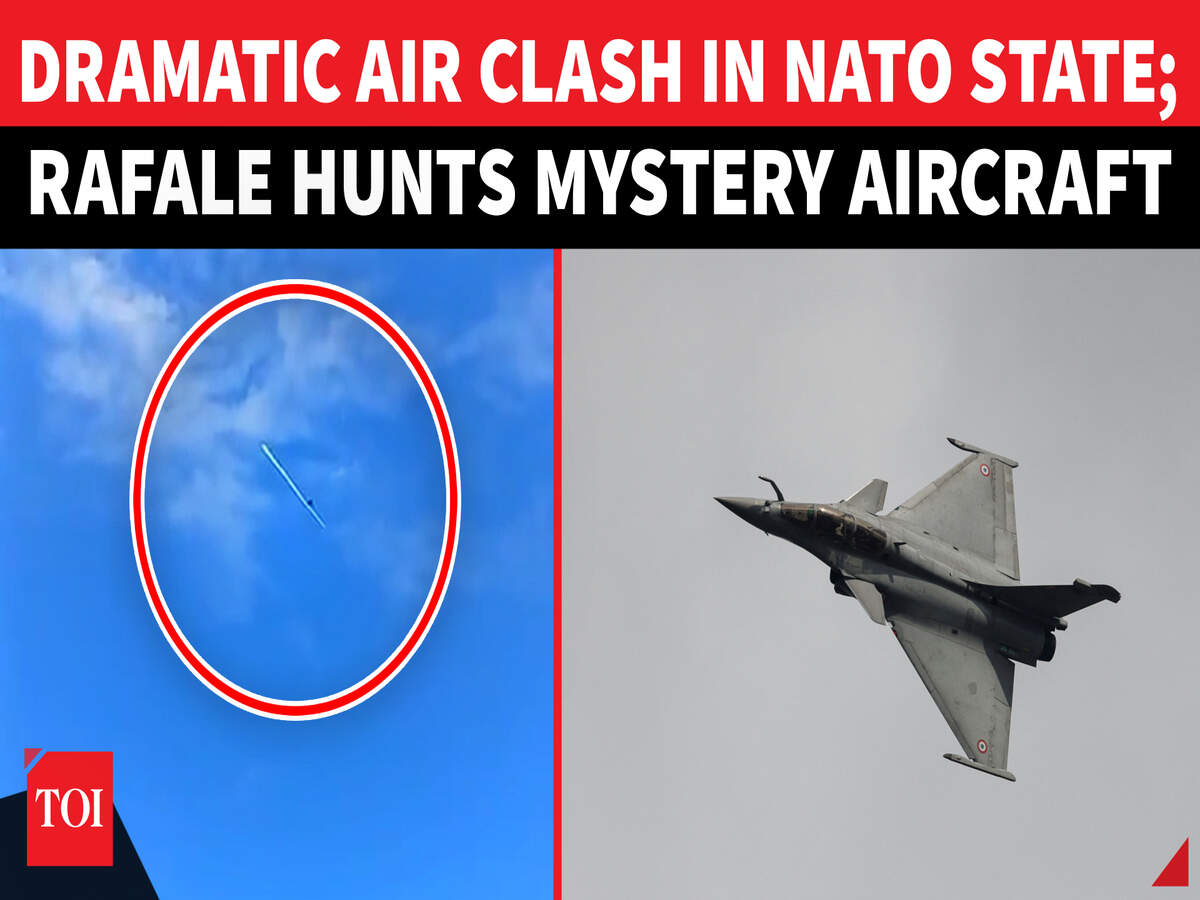
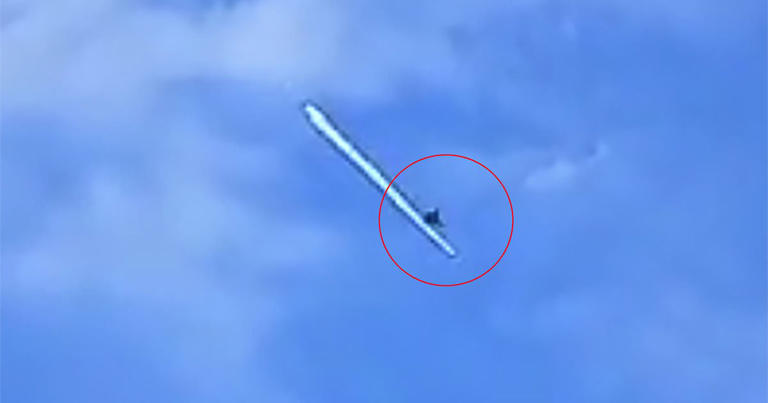
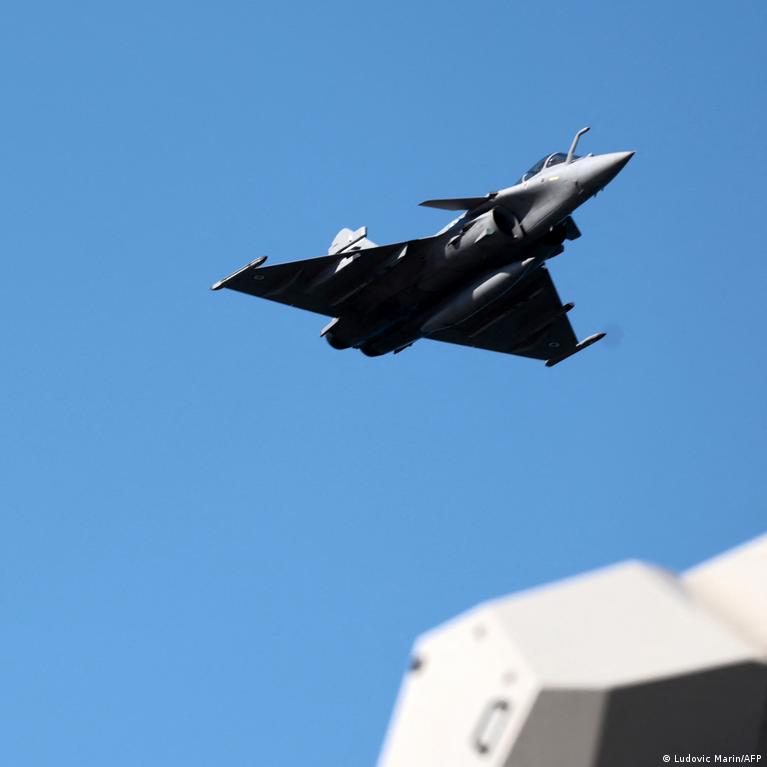
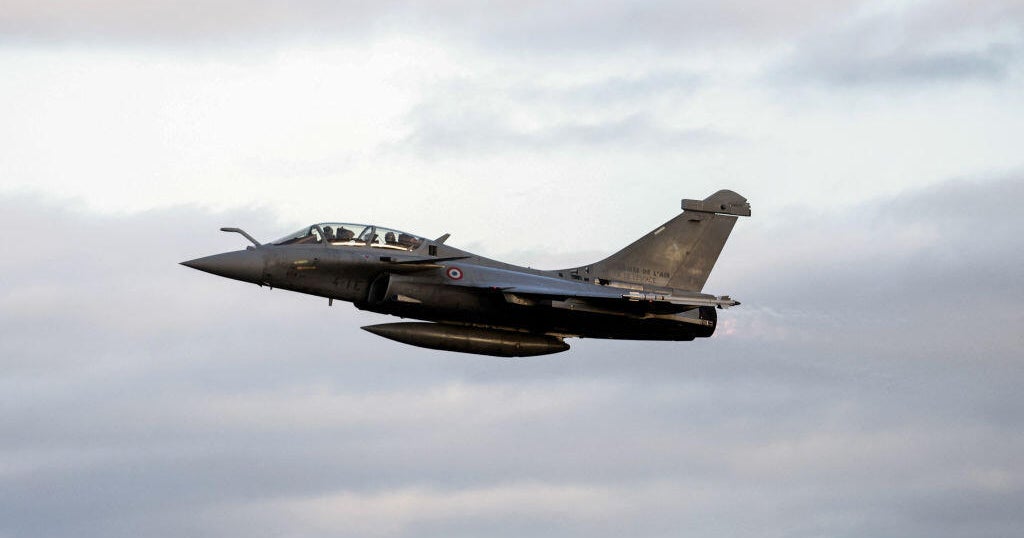
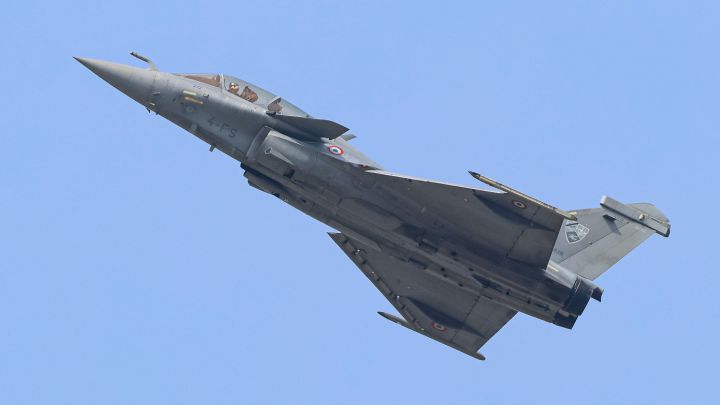
Cross-border sellers operating in or shipping through Eastern European logistics hubs face emerging supply chain risks from escalating NATO airspace violations. Between May-June 2024, multiple drone incursions—including a French Rafale jet shooting down an unidentified drone near Berzgale village, Latvia (June 8, 2024, 0705 GMT, ~30km from Russian border)—signal intensifying spillover from the Ukraine conflict into NATO territory. The incidents affected Latvia, Lithuania, and Estonia, with Moldovan authorities also discovering Ukrainian drone fragments. These violations stem from Russian electromagnetic warfare jamming Ukrainian drones, causing unintended cross-border incursions. While no direct property damage to civilian infrastructure has been reported, the pattern reflects growing geopolitical tension that could disrupt logistics operations.
For sellers, the immediate operational impact centers on three areas: (1) Fulfillment network stability — Baltic states (particularly Latvia and Lithuania) serve as critical transshipment hubs for EU-bound inventory from Asia and North America. Escalating military incidents increase risk of temporary airspace closures, port delays, or logistics provider operational disruptions. (2) Insurance and compliance costs — Sellers shipping through affected regions may face higher insurance premiums for goods in transit, and logistics providers may implement surcharges for high-risk corridors. (3) Route diversification pressure — The incidents incentivize sellers to evaluate alternative fulfillment routes through Central Europe (Poland, Czech Republic) or Western EU hubs (Germany, Netherlands) to mitigate geopolitical exposure. European Commission President Ursula von der Leyen's warning that "Russia's war is increasingly becoming a direct threat to Eastern European NATO members" signals sustained policy attention, but also indicates governments may implement additional security measures affecting commercial logistics.
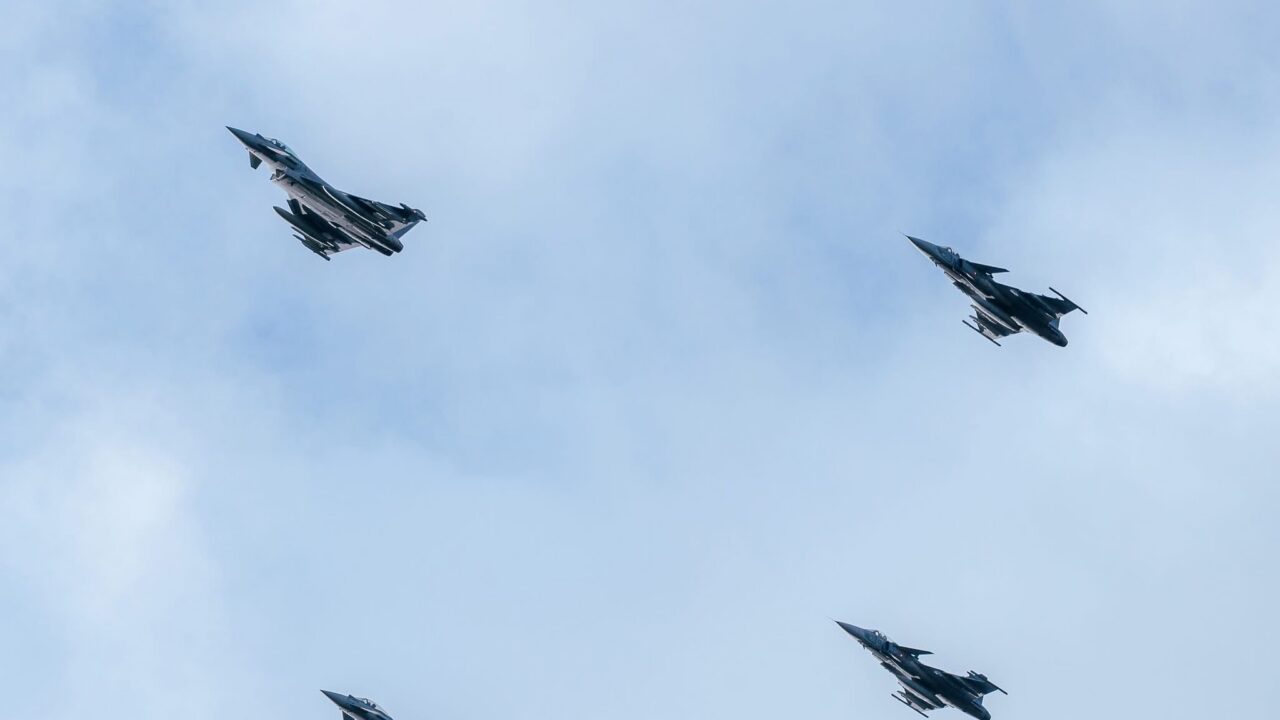
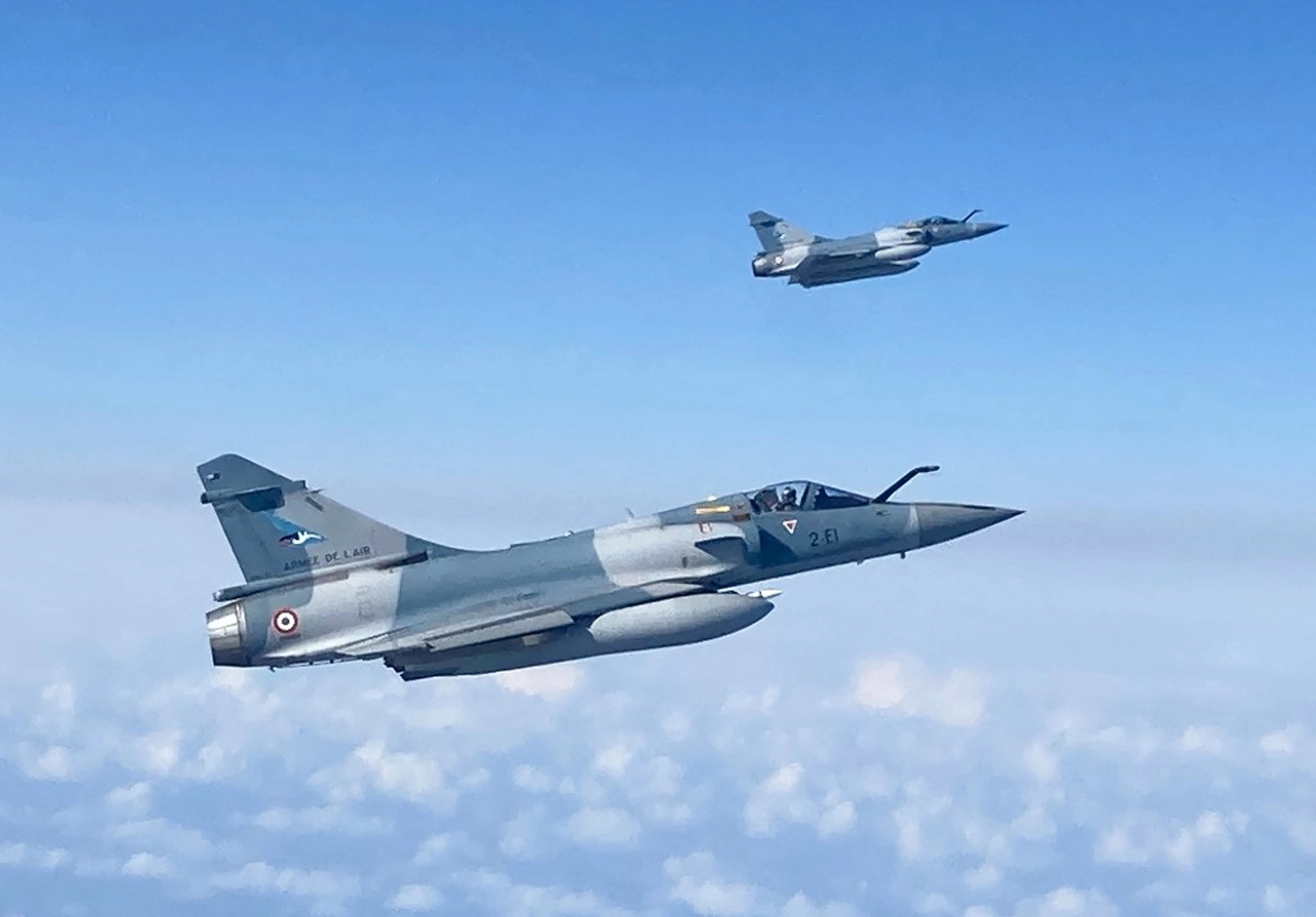
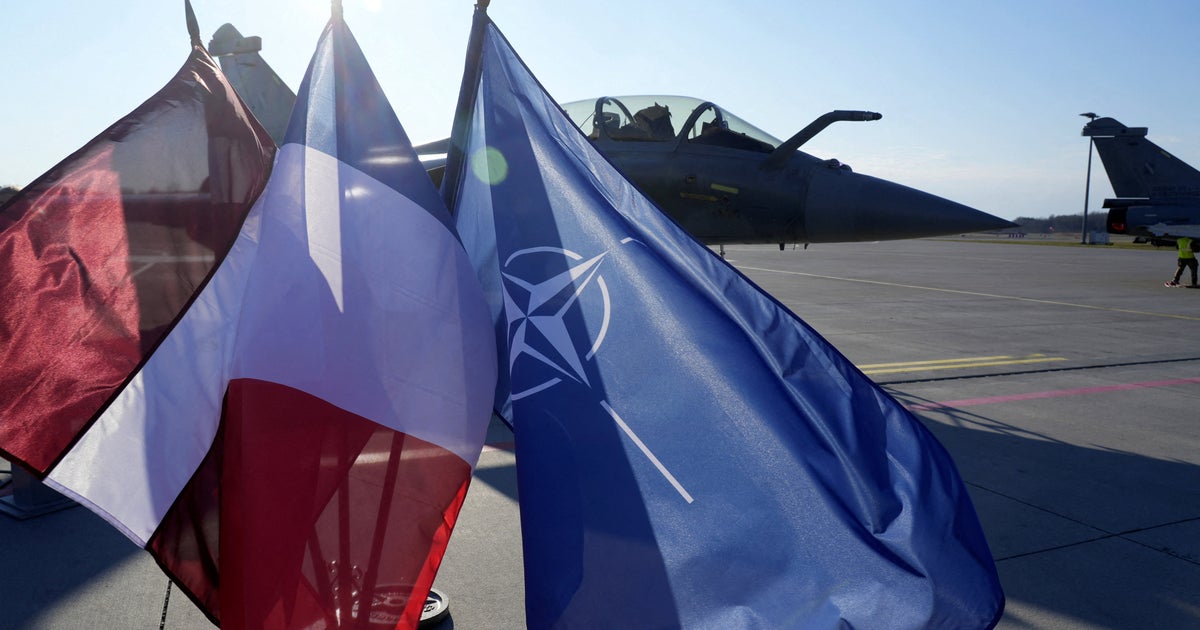
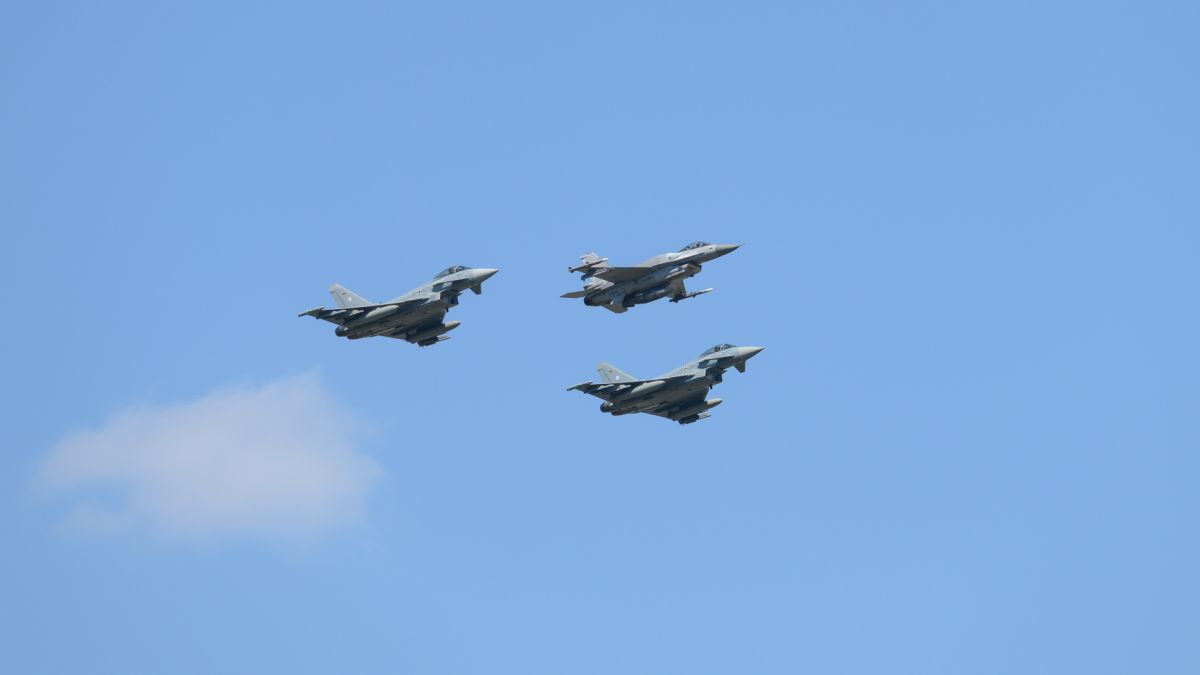
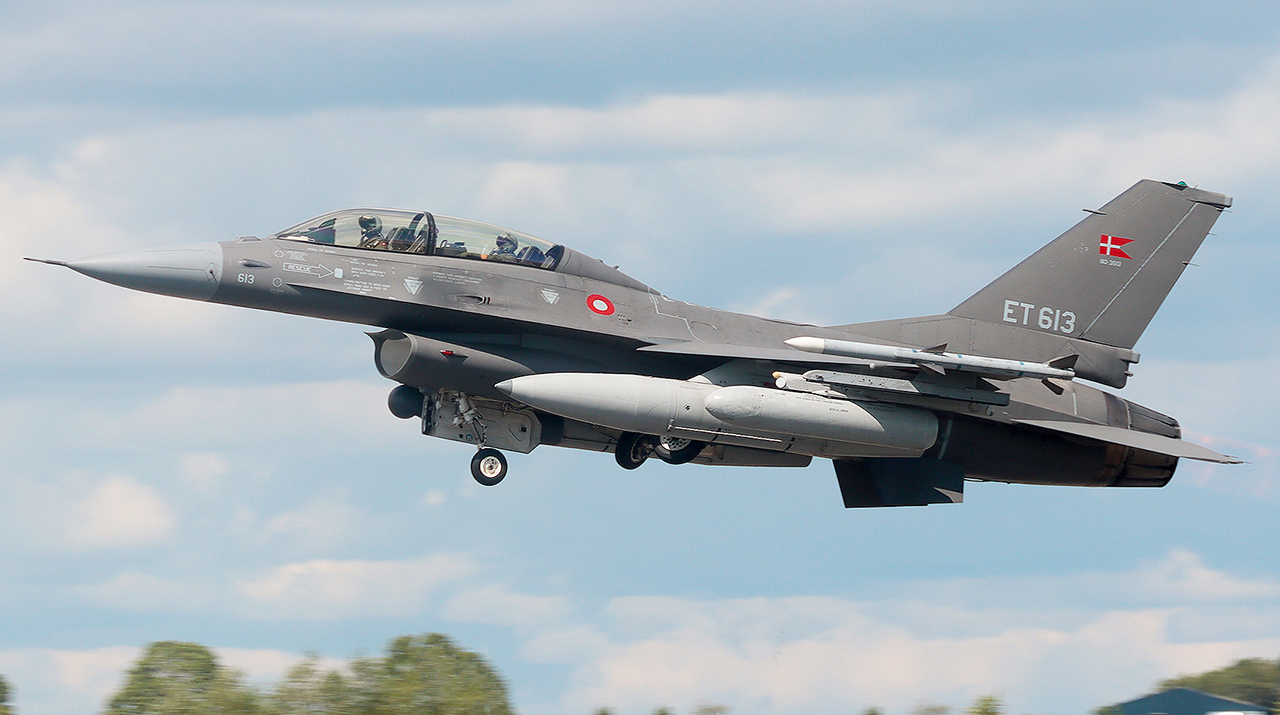
Strategic implications for seller operations: Sellers with inventory in Baltic 3PL facilities should monitor NATO statements and regional government advisories for potential airspace restrictions. While military incidents have not yet directly impacted civilian commerce, the frequency of violations (multiple incidents documented in May-June 2024 alone) suggests risk is rising. Sellers should consider: (1) reviewing 3PL contracts for force majeure clauses covering geopolitical disruptions; (2) evaluating inventory positioning to reduce exposure in single-region fulfillment centers; (3) monitoring shipping insurance policies for coverage gaps related to regional instability. The NATO Baltic Air Police mission (operational since 2004, now including French Rafale, Romanian F-16, and Portuguese F-16 aircraft) demonstrates alliance commitment to regional defense, but also indicates sustained military presence and potential for future incidents. For sellers focused on EU market penetration, this represents a medium-term operational risk requiring contingency planning rather than immediate action, but heightened awareness is warranted.
Questions 7
How frequently are drone incursions occurring in Baltic NATO airspace?
The news reports multiple incidents within a 30-day period (May-June 2024): Romanian jet shot down suspected Ukrainian drone over Estonia (May 19), air raid alerts in Lithuania (May 20), Russian drones exploded over Romania (late May), and French Rafale destroyed drone over Latvia (June 8). This escalating frequency indicates the pattern is intensifying rather than isolated. Incidents stem from Russian electromagnetic warfare jamming Ukrainian drones, causing unintended cross-border drift. The NATO Baltic Air Police mission (operational since 2004) continuously patrols the region, suggesting incidents will continue as long as Ukraine conflict persists.
What insurance and compliance costs might sellers face from Baltic region instability?
Sellers should expect potential increases in shipping insurance premiums for goods transiting through affected regions. Logistics providers may implement geopolitical risk surcharges (typically 2-5% of shipping costs) for high-risk corridors. Additionally, sellers should review cargo insurance policies for coverage gaps related to regional military activity or government-imposed restrictions. Force majeure clauses in 3PL contracts may limit liability for delays caused by airspace closures, but sellers should verify coverage explicitly mentions geopolitical incidents. Estimated cost impact: $100-300 per shipment for sellers with regular Baltic transshipment operations.