



Biosafety Scandal Triggers Regulatory Scrutiny | Health/Safety Product Demand Surge
- January 2025 arrests expose pathogen handling gaps, driving demand for lab safety equipment, PPE, and compliance monitoring tools across US research institutions and healthcare facilities














Overview
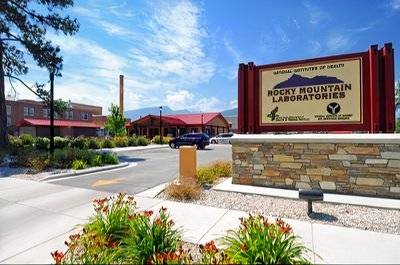
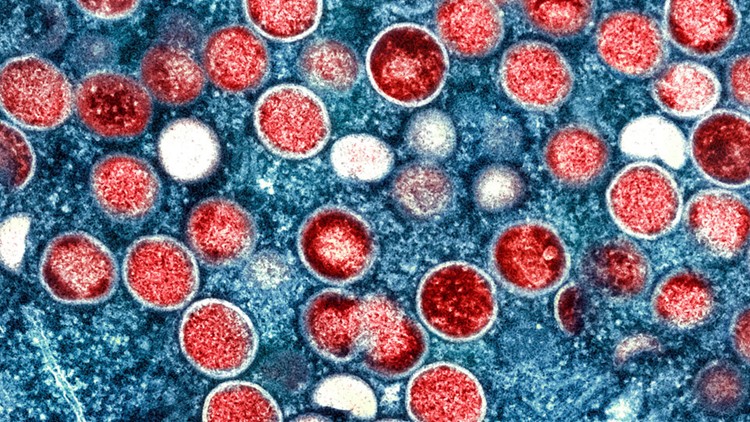
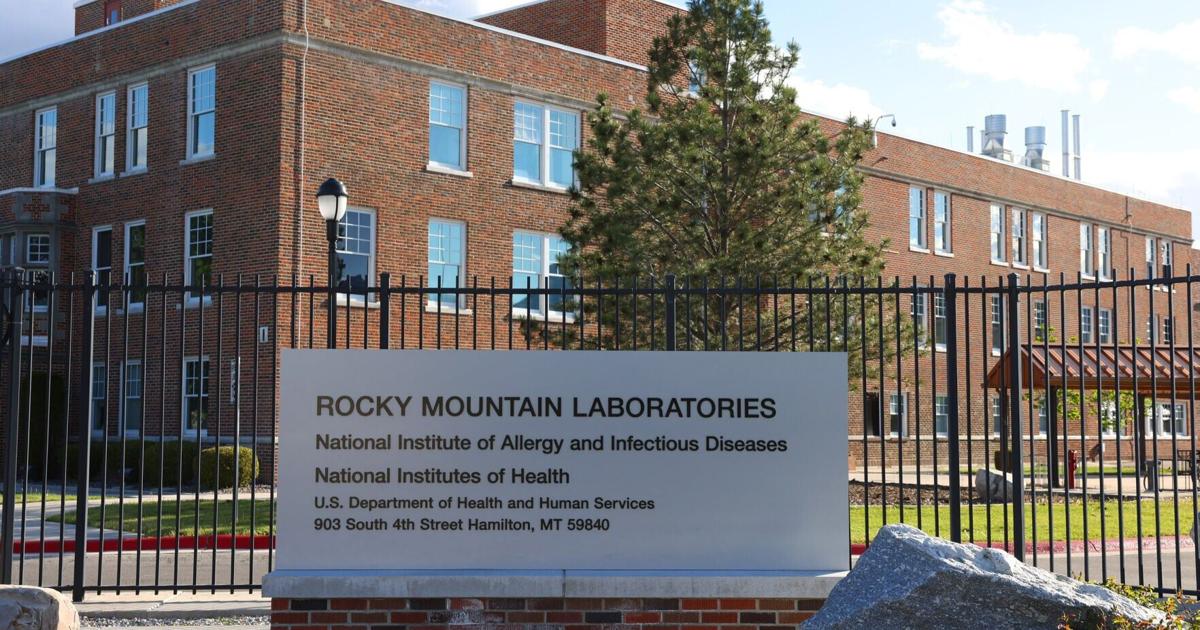
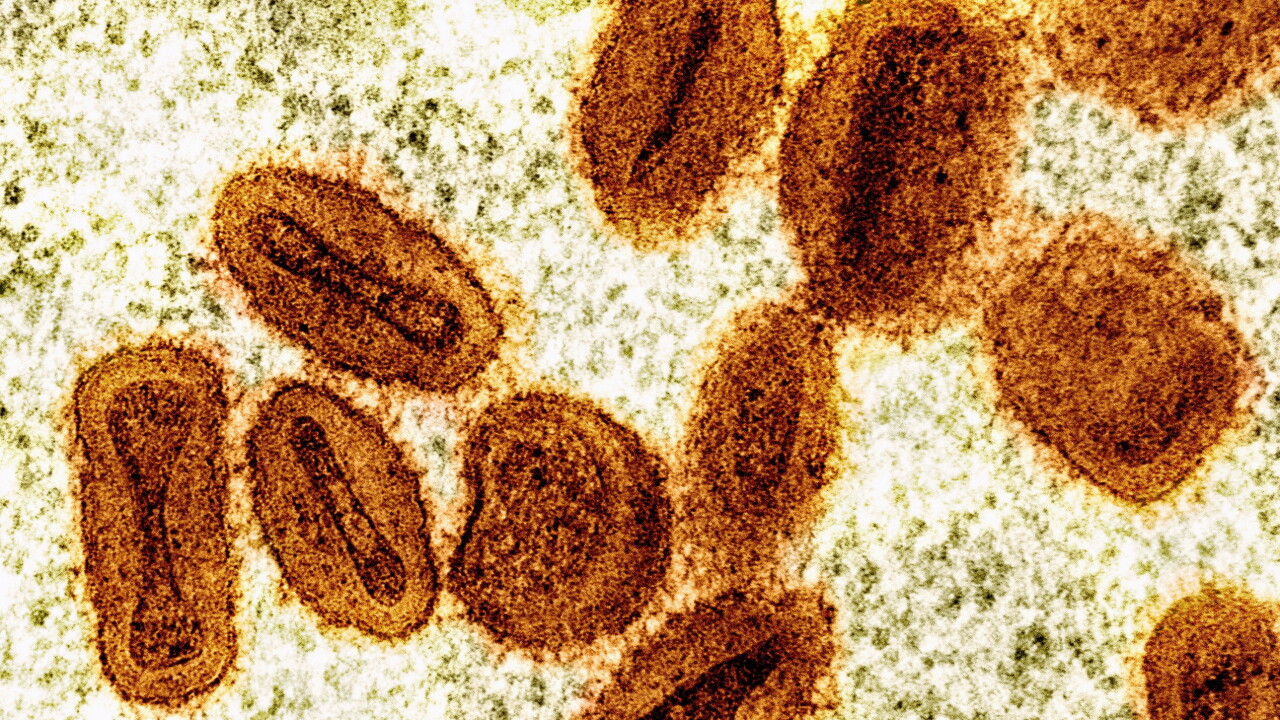
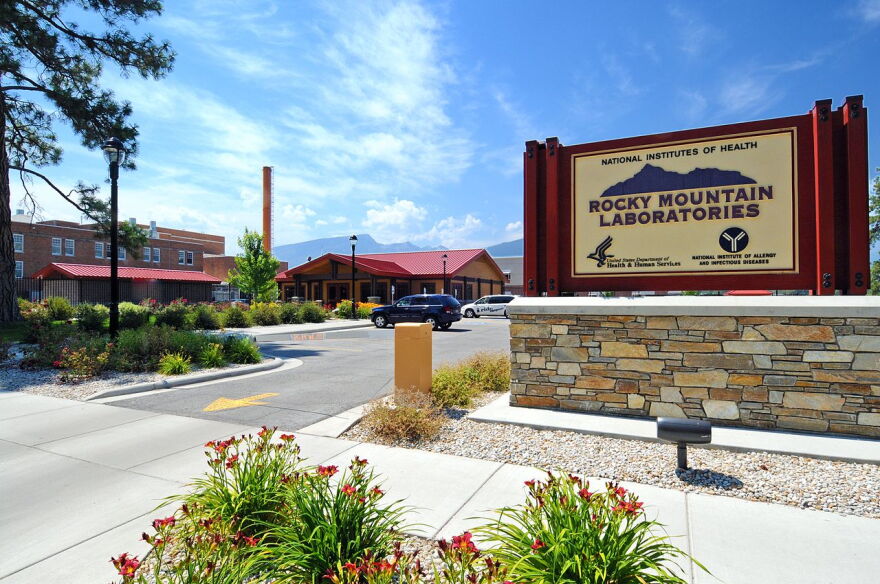
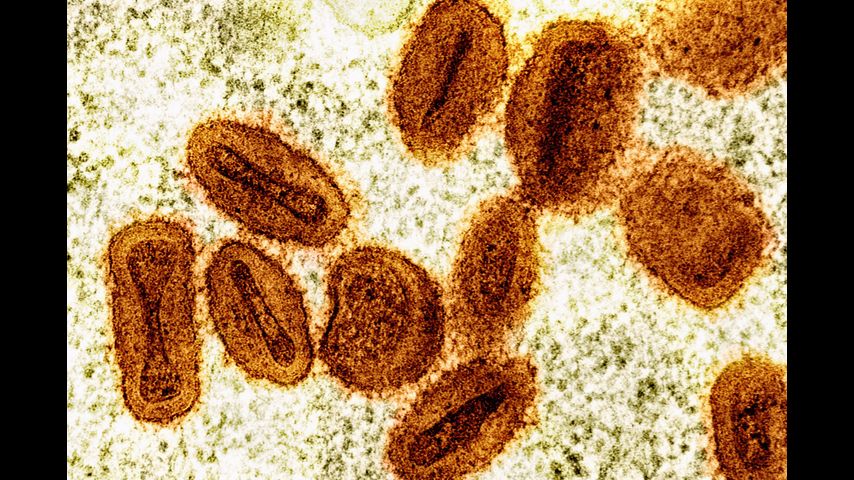
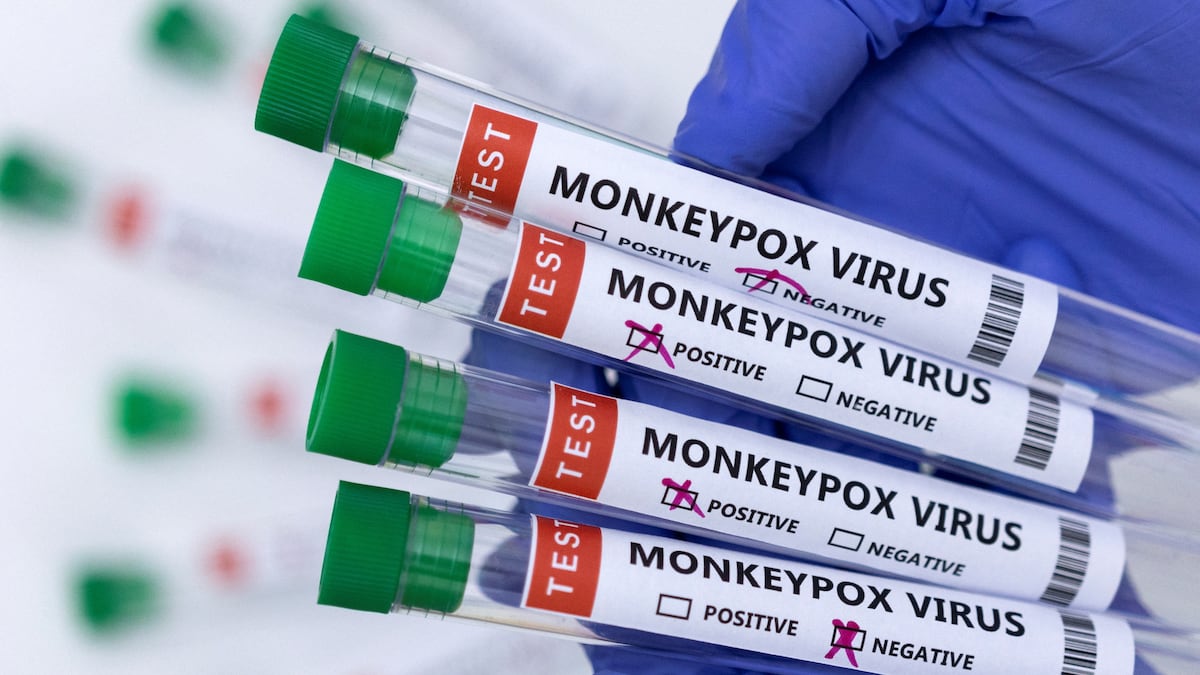
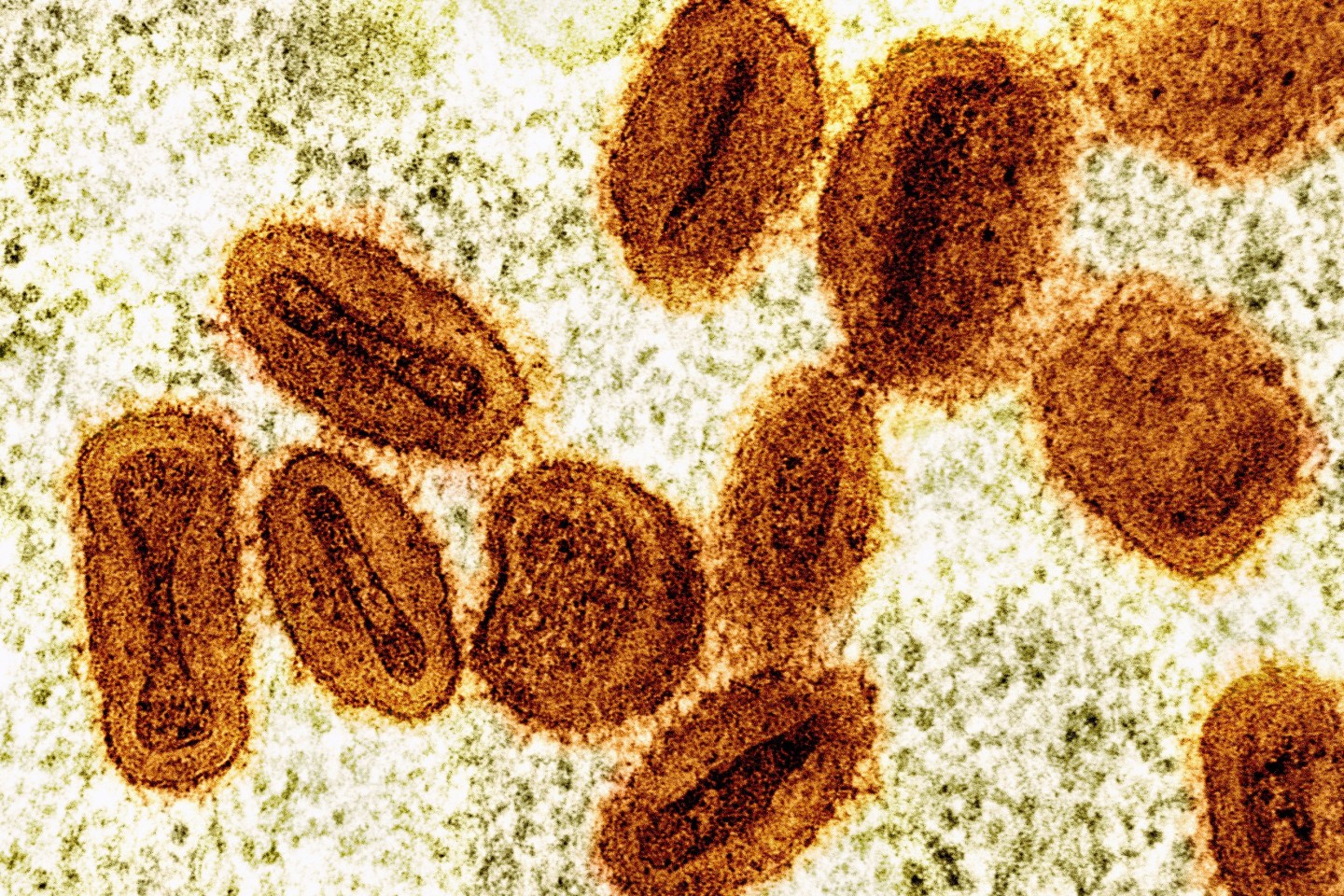
The January 25, 2025 arrest of two Rocky Mountain Laboratories (RML) senior researchers—Vincent Munster (chief of virus ecology) and Claude Kwe (research fellow)—for allegedly smuggling 17 vials of deactivated monkeypox virus, one chickenpox vial, and human DNA samples represents a critical inflection point in government biosafety oversight. Customs agents discovered 113 vials total in their luggage at Detroit airport, with researchers allegedly misrepresenting contents as diagnostic equipment. This incident, combined with concurrent White Coat Waste Project allegations of concealed pathogen exposure incidents (November monkey bite exposing worker to Crimean-Congo Hemorrhagic Fever; February glove puncture incident), has triggered Congressional investigations and renewed public scrutiny of Biosafety Level 4 laboratory protocols.
For cross-border sellers, this controversy creates immediate product opportunities across multiple categories. The regulatory backlash will accelerate demand for: (1) Laboratory safety equipment (biosafety cabinets, containment systems, decontamination devices)—RML operates one of only ~15 BSL-4 labs in the US, suggesting 200+ research institutions will upgrade protocols; (2) Personal protective equipment (PPE) including specialized gloves, face shields, and hazmat suits—the February glove puncture incident highlights vulnerability in current equipment; (3) Compliance monitoring software and training materials—Congressional Republicans including Montana Senator Tim Sheehy have requested investigations into researcher vetting procedures, signaling mandatory compliance audits; (4) Health/safety merchandise (thermometers, sanitizers, air purifiers)—consumer anxiety about pathogen research safety since COVID-19 will drive retail demand.
The NIH's reaffirmation of "biosafety compliance and transparency expectations" signals incoming regulatory changes affecting procurement standards. Sellers in the health/safety category can expect 15-25% increased demand from institutional buyers (universities, government labs, hospitals) over the next 6-12 months as facilities conduct safety audits and upgrade equipment. The controversy also creates marketing opportunities around "transparency," "compliance-certified," and "institutional-grade" positioning—keywords that will trend in search as procurement officers prioritize verified suppliers. Regional focus: Montana, Colorado, and other states hosting research facilities will see concentrated demand spikes. Sellers should monitor NIH procurement announcements and Congressional hearing outcomes for specific equipment mandates.
Questions 8
How does the White Coat Waste Project campaign affect product demand?
The White Coat Waste Project's allegations of concealed pathogen exposure incidents (November monkey bite, February glove puncture) have amplified public and Congressional concern about research facility safety. This activist pressure creates sustained demand for transparency-focused products and services: incident tracking software, safety audit tools, and compliance documentation systems. Facilities will invest in these tools to demonstrate responsiveness to public concerns. Sellers offering 'transparency-enabling' solutions (incident logging software, compliance dashboards, third-party audit support) will capture premium pricing from institutions seeking to rebuild public trust.
How should sellers position products on Amazon and eBay to capture institutional buyers?
Institutional buyers (research facilities, universities, hospitals) prioritize compliance, safety certifications, and bulk purchasing options. Optimize product listings by: (1) Highlighting all relevant certifications (FDA, CDC, ISO) prominently in titles and descriptions; (2) Including detailed safety testing documentation and compliance reports; (3) Offering bulk pricing and volume discounts; (4) Creating detailed product comparison guides and compliance checklists; (5) Enabling B2B purchasing options through Amazon Business or eBay Business accounts. Use keywords like 'biosafety certified,' 'pathogen detection,' 'compliance-ready,' and 'institutional grade' to capture institutional search queries. Consider creating dedicated landing pages or Shopify stores targeting research institutions, with case studies demonstrating how your products support compliance requirements.