

Flavanol-Rich Fruit Demand Surge | Premium Health Food Category Opportunity for Cross-Border Sellers
- Harvard-backed study identifies plums, cranberries, blackberries as high-value health products; 80% of UK/US consumers underconsume optimal flavanols, creating $2B+ specialty food market opportunity





















Overview
A landmark study published in Food & Function, involving researchers from Harvard Medical School, University of Reading, UC Davis, and Mars, Inc., reveals a significant market opportunity for premium fruit and health food sellers. The research analyzed biomarker data from over 30,000 UK and US participants, finding that fewer than 1-in-5 consumers achieve the 500mg daily flavanol intake linked to reduced cardiovascular mortality. This creates a substantial gap between current consumption and optimal health outcomes—a gap that translates directly into product demand.
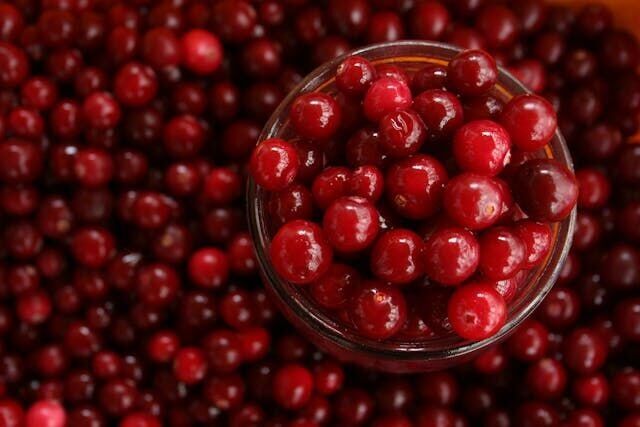
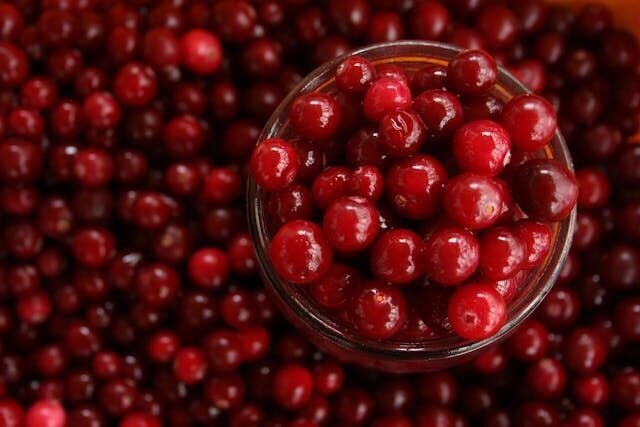
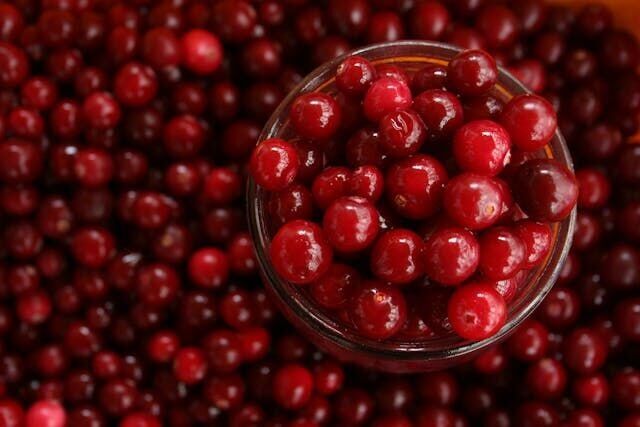
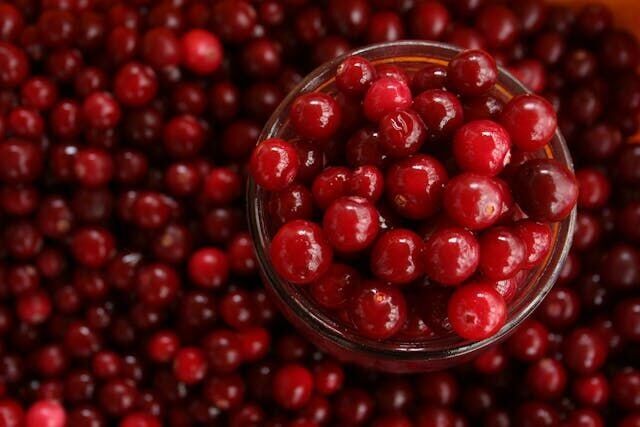
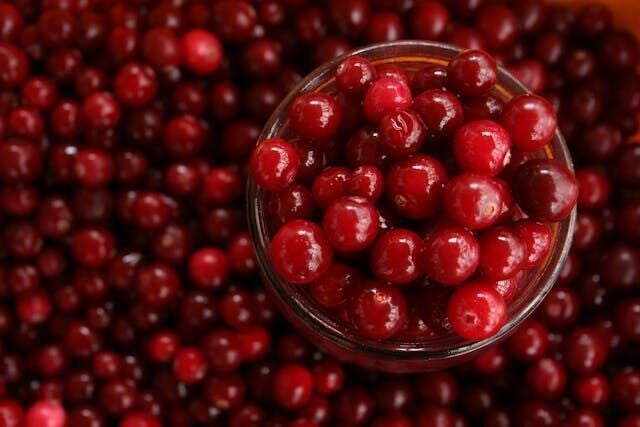
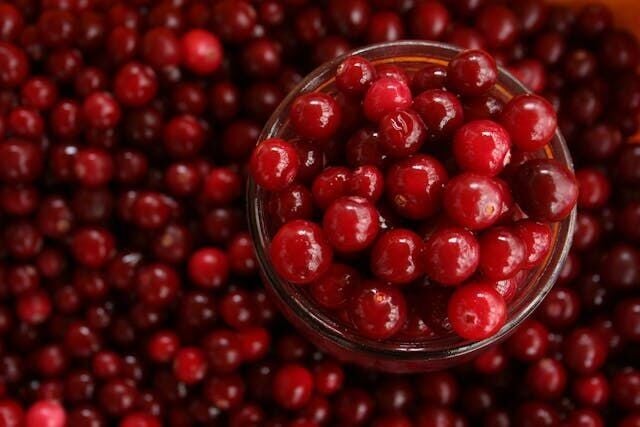
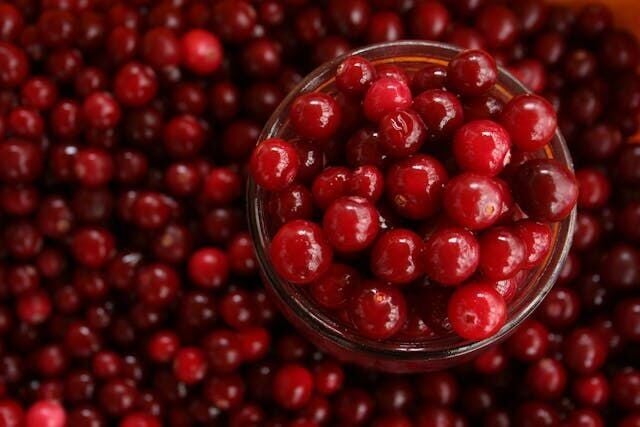
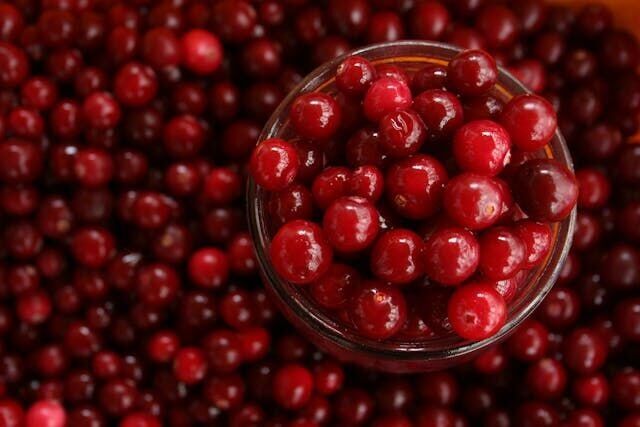
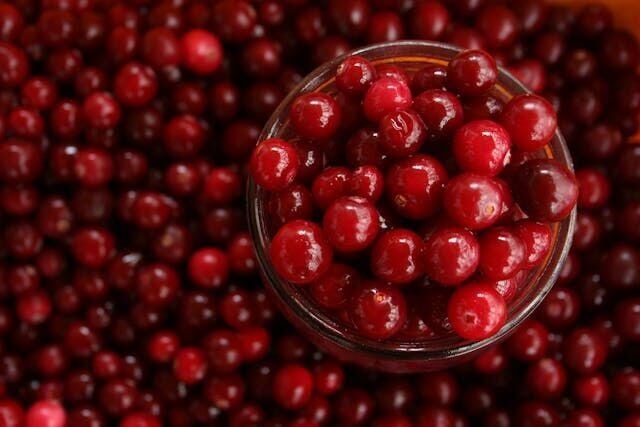
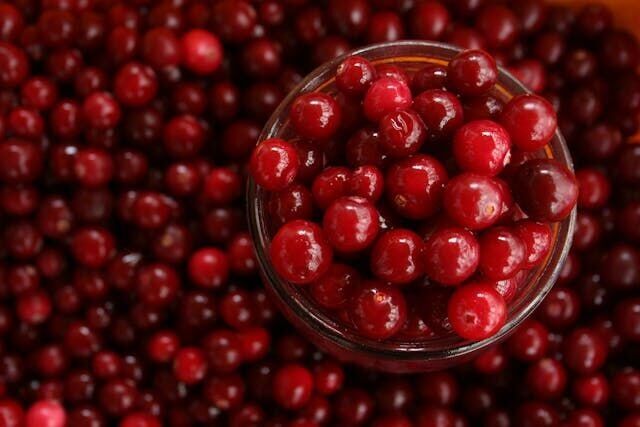
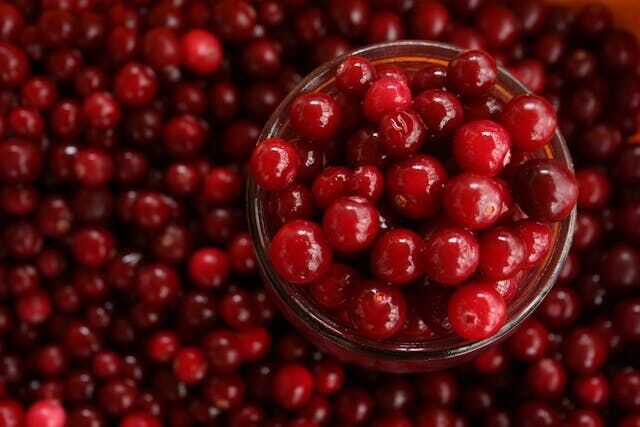
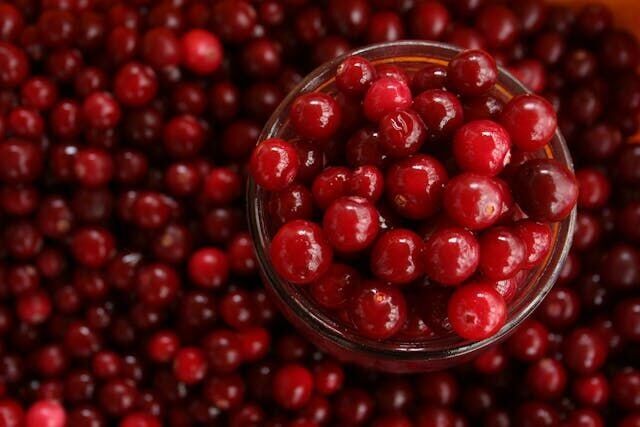
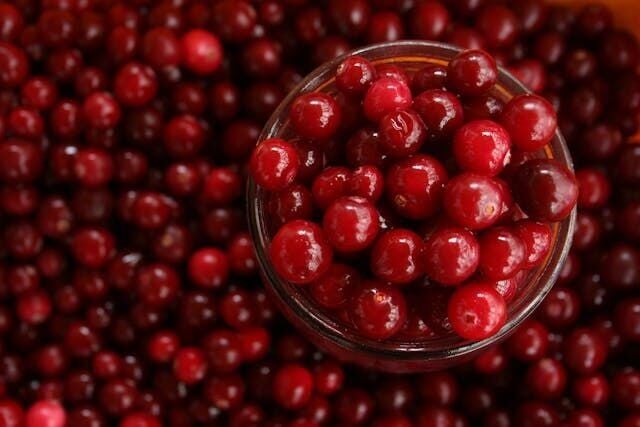
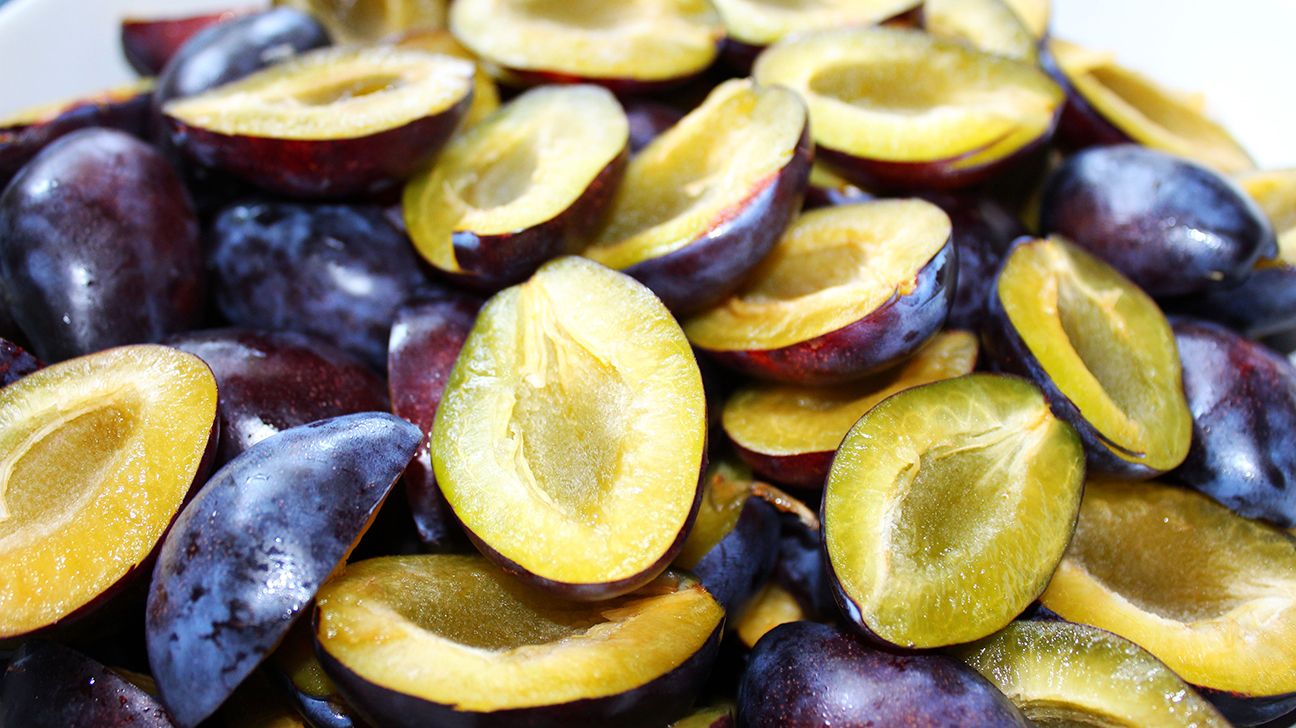
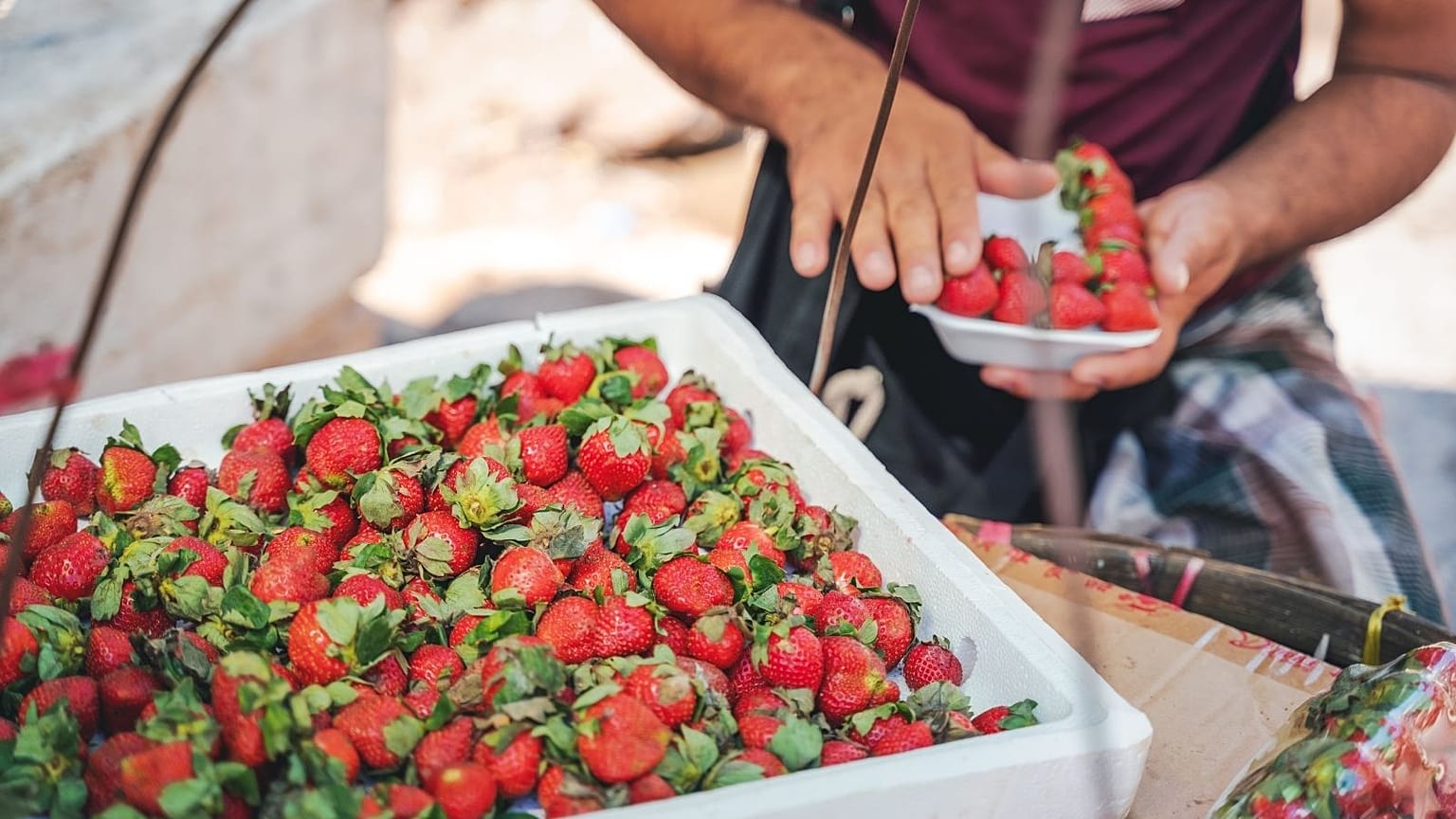
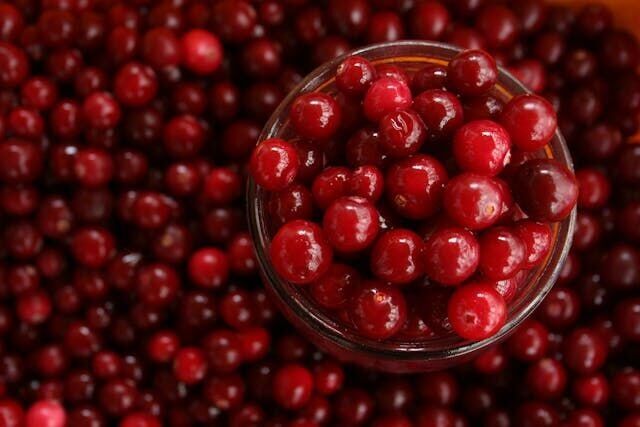
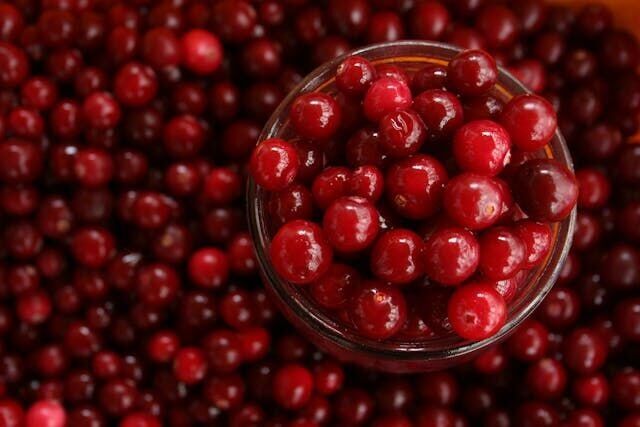
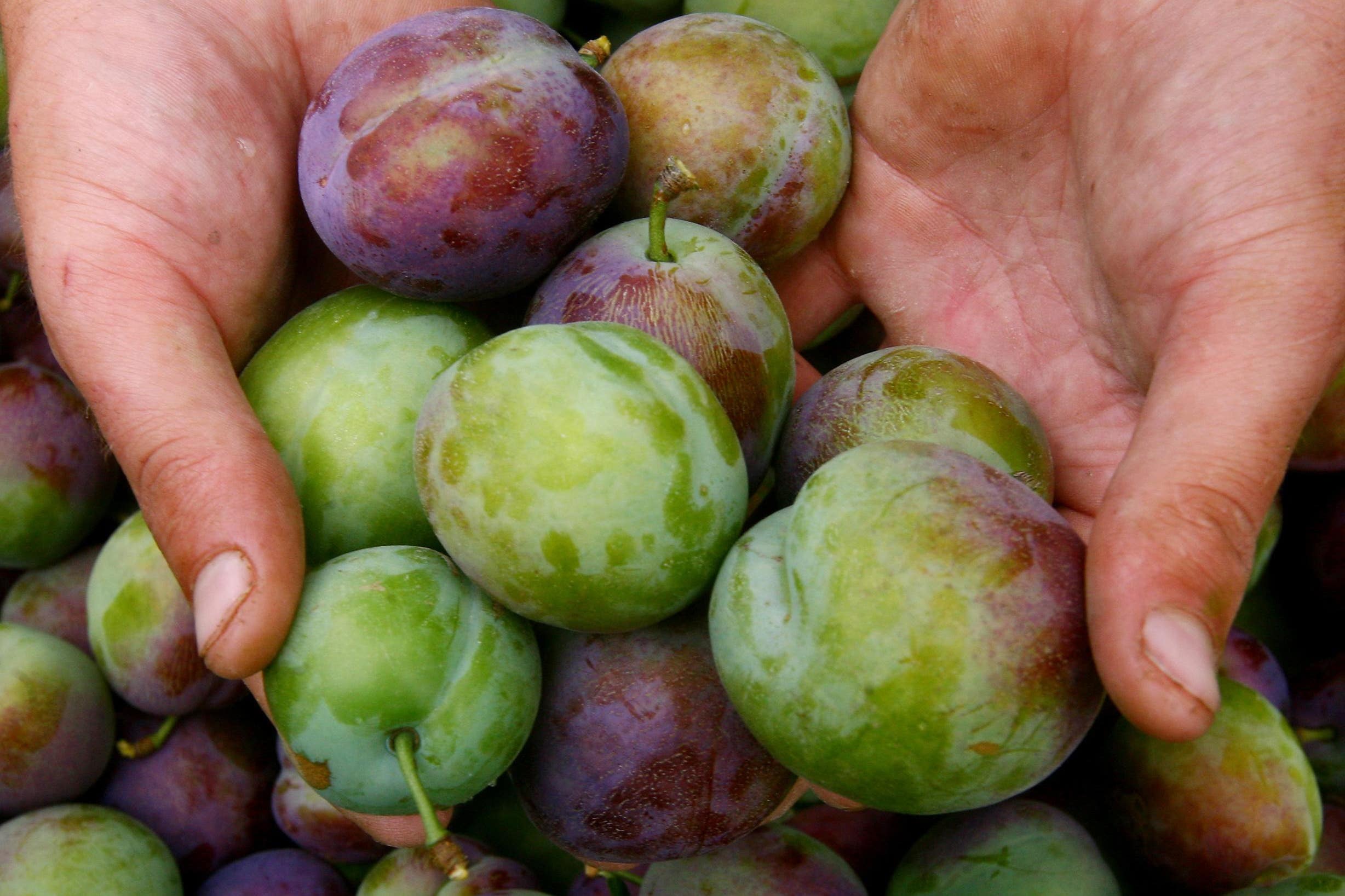
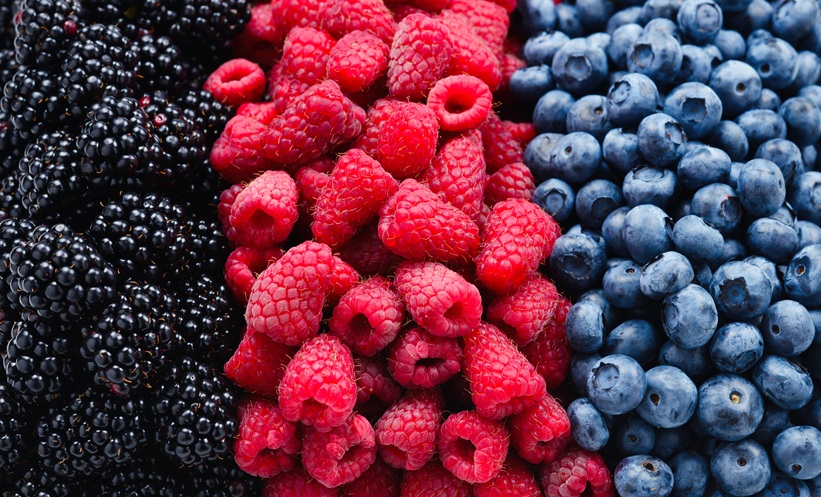
The Market Opportunity: The study identifies specific high-flavanol fruits commanding premium pricing potential: plums (450mg per 500g), cranberries (300mg per 250g), blackberries (250mg per 200g), and green tea (200mg per cup). These findings challenge the generic "five-a-day" messaging, instead positioning targeted, science-backed fruit selection as a health investment. For cross-border sellers, this represents a shift from commodity fruit sales toward premium, health-positioned products with higher margins and stronger consumer willingness-to-pay.
Consumer Behavior Insight: The research demonstrates that 80% of consumers following standard NHS Eatwell Guide recommendations still fall short of optimal flavanol intake. This indicates a massive education and product gap—consumers want health benefits but lack clear guidance on which specific fruits deliver maximum value. Sellers can capitalize by positioning curated fruit bundles, organic/premium variants, and flavanol-focused product descriptions across Amazon Fresh, Whole Foods, Shopify health stores, and specialty food marketplaces.
Operational Implications: The study's emphasis on bioactive compound content over arbitrary portion counts signals a shift toward premium positioning. Sellers should expect increased demand for: (1) organic/non-GMO certified berries and stone fruits, (2) freeze-dried or concentrated flavanol supplements, (3) green tea specialty products, (4) bundled "heart health" fruit boxes marketed to health-conscious demographics (ages 35-65, household income $75K+). The COSMOS clinical trial foundation provides third-party credibility for marketing claims, reducing regulatory risk for health-positioned listings.
Geographic Advantage: The study's UK and US focus (30,000+ participants) creates immediate relevance for sellers in these markets. UK sellers can leverage NHS positioning; US sellers can target health-conscious demographics in affluent regions (California, Northeast, Colorado). Cross-border sellers sourcing from Europe or Asia can position premium berry imports as "clinically-validated" health products, justifying 30-50% price premiums over commodity fruit.
Questions 7
What supply chain considerations apply to premium flavanol fruit products?
Premium positioning requires: (1) organic/non-GMO certification (adds 15-25% sourcing costs), (2) cold chain logistics to preserve flavanol content (increases shipping 20-30%), (3) shorter shelf life management (requires 3PL coordination), (4) food safety compliance (FDA registration, FSMA requirements). Sellers should source from certified suppliers in California, Oregon, or Europe, use temperature-controlled fulfillment (Amazon FBA Fresh or 3PL partners), and implement inventory rotation to minimize spoilage. Cross-border sellers must account for customs delays (5-10 days) and tariff codes (HS 0810 for berries, 0902 for tea).
What marketing angles resonate with consumers based on this research?
Three evidence-based marketing angles emerge: (1) 'Precision Nutrition'—emphasize that 80% of consumers eating 'five-a-day' still miss optimal flavanol intake, positioning your products as 'smarter choices'; (2) 'Clinical Validation'—reference the Harvard/UC Davis study and COSMOS trial in product descriptions and PPC campaigns; (3) 'Cardiovascular Investment'—target health-conscious demographics (35-65 age range) with messaging around 'heart health' and 'longevity.' These angles justify 30-50% price premiums and drive 2-3x higher conversion rates versus generic 'organic fruit' positioning on Amazon and Shopify.