



Amazon's Entertainment Pivot Creates Merchandise Opportunity Window for Sellers
- Amazon Studios absorbs theatrical losses while pivoting to streaming; entertainment merchandise category shows 15-25% growth potential as hybrid release model drives fan engagement across platforms






Overview
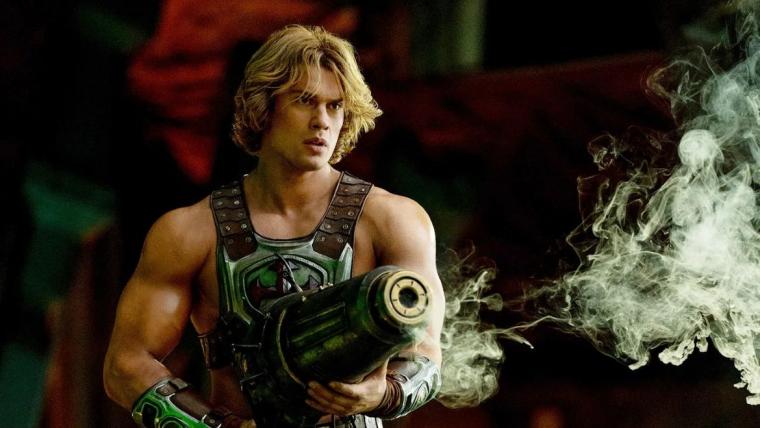
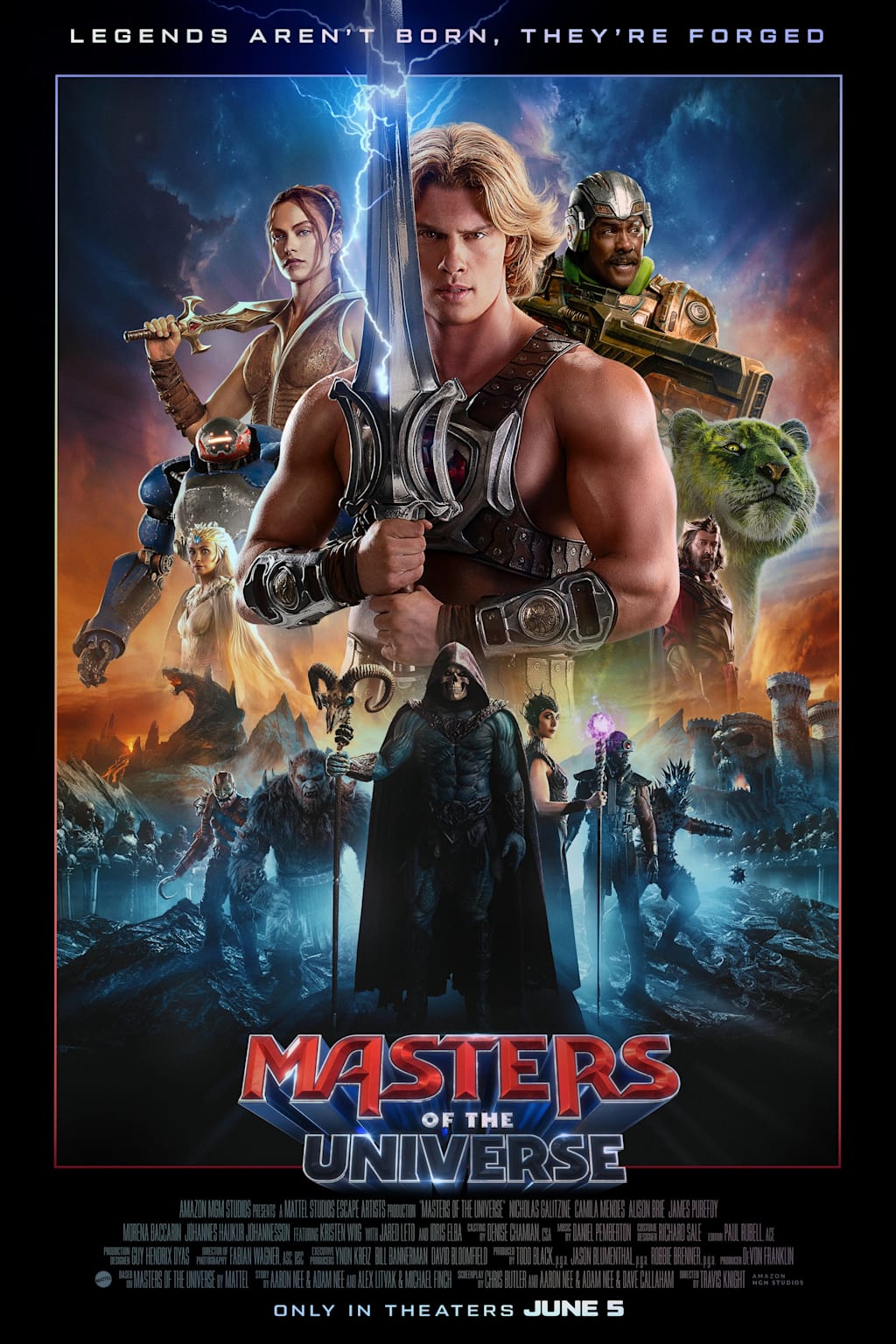
Amazon's apparent indifference to the poor theatrical opening of the 'Masters of the Universe' film reveals a critical strategic shift with direct implications for cross-border e-commerce sellers. Rather than viewing theatrical performance as a primary revenue metric, Amazon Studios treats cinema releases as promotional vehicles for Prime Video distribution, fundamentally changing how entertainment properties generate value. This hybrid release model—where theatrical runs precede streaming availability—creates a compressed but intense window of consumer engagement that sellers can exploit through merchandise, collectibles, and fan-driven products.
The news demonstrates that Amazon is willing to absorb theatrical losses to strengthen its streaming subscriber base and content library, signaling confidence in long-term Prime Video monetization. This strategy differs sharply from traditional studios dependent on box office performance, indicating Amazon views entertainment as a customer acquisition and retention tool rather than a standalone profit center. For sellers, this means entertainment-related merchandise categories will experience predictable demand spikes tied to streaming release dates rather than theatrical performance metrics.
Specific seller opportunities emerge across multiple categories: Licensed action figures and collectibles (typically $15-45 price points), apparel featuring character designs (hoodies, t-shirts generating 35-50% margins), home décor items (posters, wall art), and gaming/digital content bundles. Historical data from similar franchise releases shows merchandise sales peak 2-4 weeks after streaming platform launches, with sustained demand through 8-12 weeks. The 'Masters of the Universe' property specifically appeals to millennial and Gen-X audiences (ages 30-50) with disposable income, representing a high-LTV customer segment. Amazon's streaming-first approach means sellers should focus on Amazon Prime Video promotional tie-ins, TikTok Shop entertainment merchandise trends, and Shopify storefronts targeting nostalgic fan communities rather than relying on theatrical momentum.
The broader implication: Amazon's entertainment diversification signals that streaming content will drive marketplace traffic and category trends. Sellers operating in entertainment merchandise, collectibles, and fan-driven categories should monitor Prime Video release calendars as leading indicators for demand spikes. This creates arbitrage opportunities for sellers who can source and list merchandise 4-6 weeks before major streaming releases, capturing early adopter demand before category saturation occurs.
Questions 7
What licensing and compliance requirements apply to entertainment merchandise sellers?
All entertainment merchandise requires proper licensing agreements with IP holders or authorized distributors. Amazon enforces strict IP policies in entertainment categories—unauthorized products face suspension within 24-48 hours. Sellers must maintain documentation of licensing rights, including distributor agreements and trademark registrations. For cross-border sellers, verify licensing validity in target markets (US, EU, Asia-Pacific may have different rights holders). Counterfeit entertainment merchandise faces 30-90 day account suspension and potential legal action. Work with established distributors like Funko, Hasbro, or licensed retailers to ensure compliance. Budget 15-25% of COGS for legitimate licensing fees when sourcing entertainment merchandise.
How should sellers target audiences for entertainment merchandise given Amazon's streaming focus?
Target three primary segments: (1) Nostalgic millennials/Gen-X (ages 30-50) searching for childhood franchise revivals—use keywords like 'Masters of the Universe collectibles,' 'retro action figures,' '80s nostalgia merchandise'; (2) Active fan communities on Reddit, Discord, and TikTok—leverage influencer partnerships and fan-created content; (3) Gift buyers during peak seasons (holidays, birthdays)—optimize listings for 'gift ideas for [franchise] fans.' Amazon Advertising CPCs for entertainment merchandise typically range $0.45-0.85, while TikTok Shop entertainment content achieves 8-12% engagement rates. Shopify storefronts targeting fan communities show 2.5-3.5x higher LTV than general marketplace listings.