


WWE Money in the Bank October 2026 | Sports Merchandise & Event-Driven Seller Opportunities
- Major wrestling event rescheduled to October 10 in New Orleans creates 3-month merchandise sales window; sellers can capitalize on ladder match merchandise, collectibles, and fan apparel demand surge







Overview
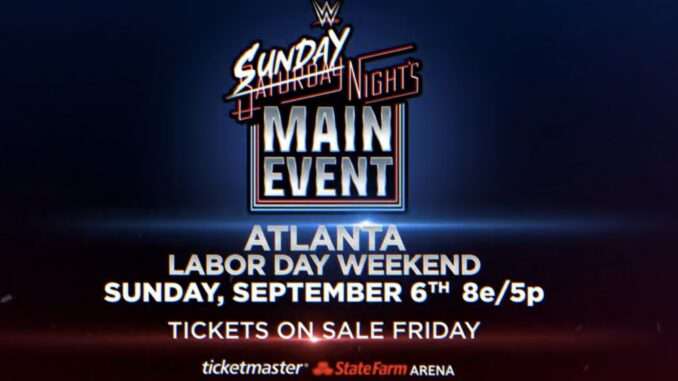
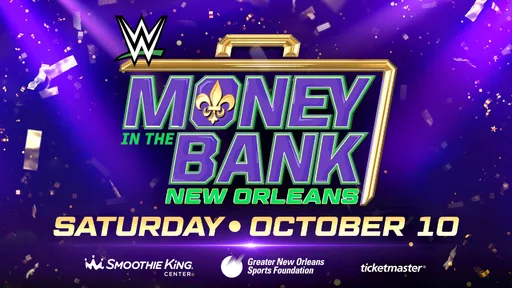
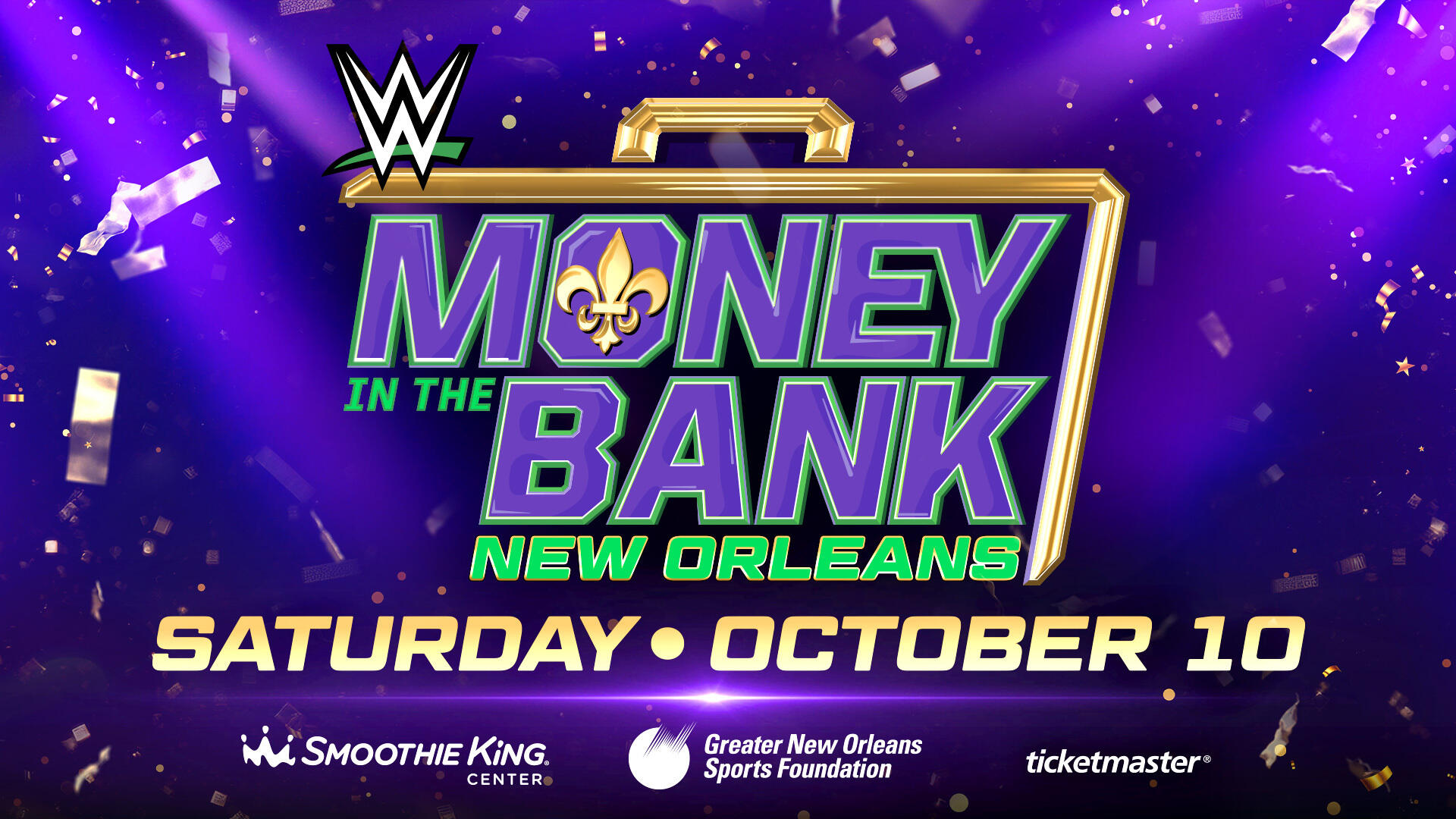
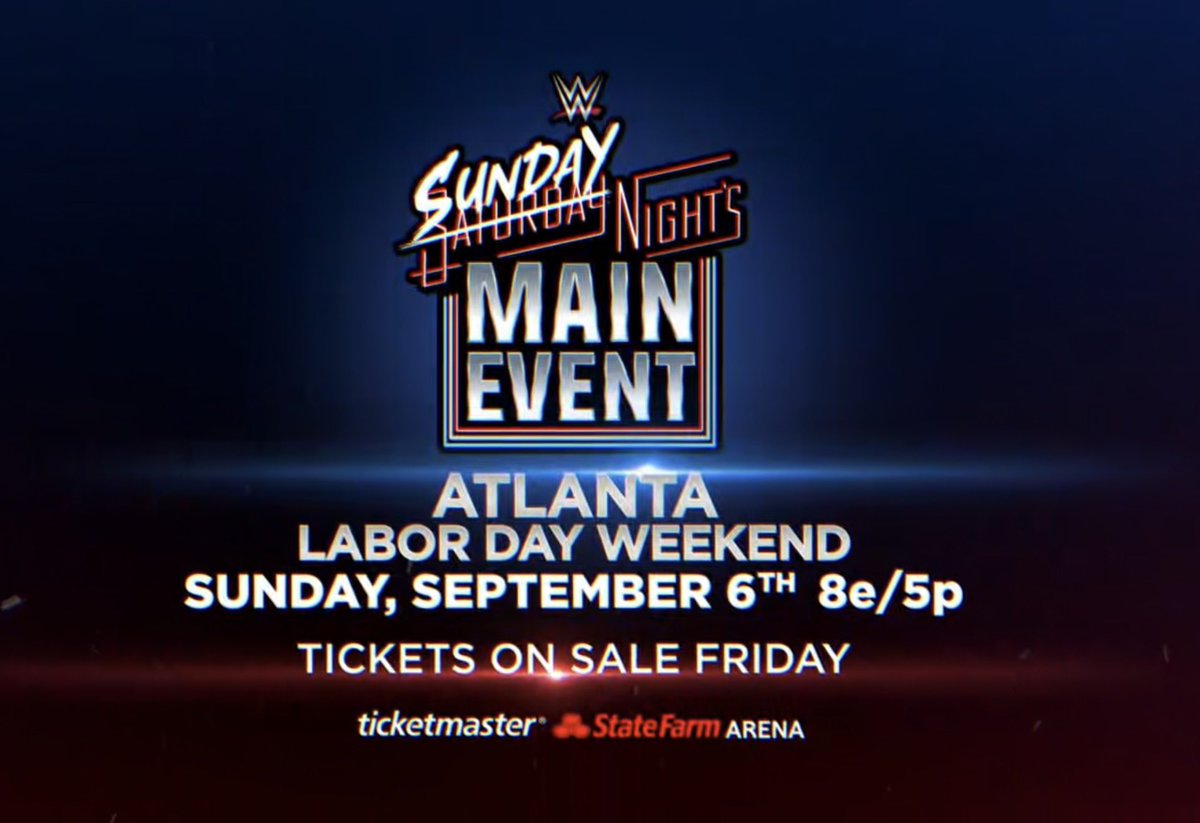
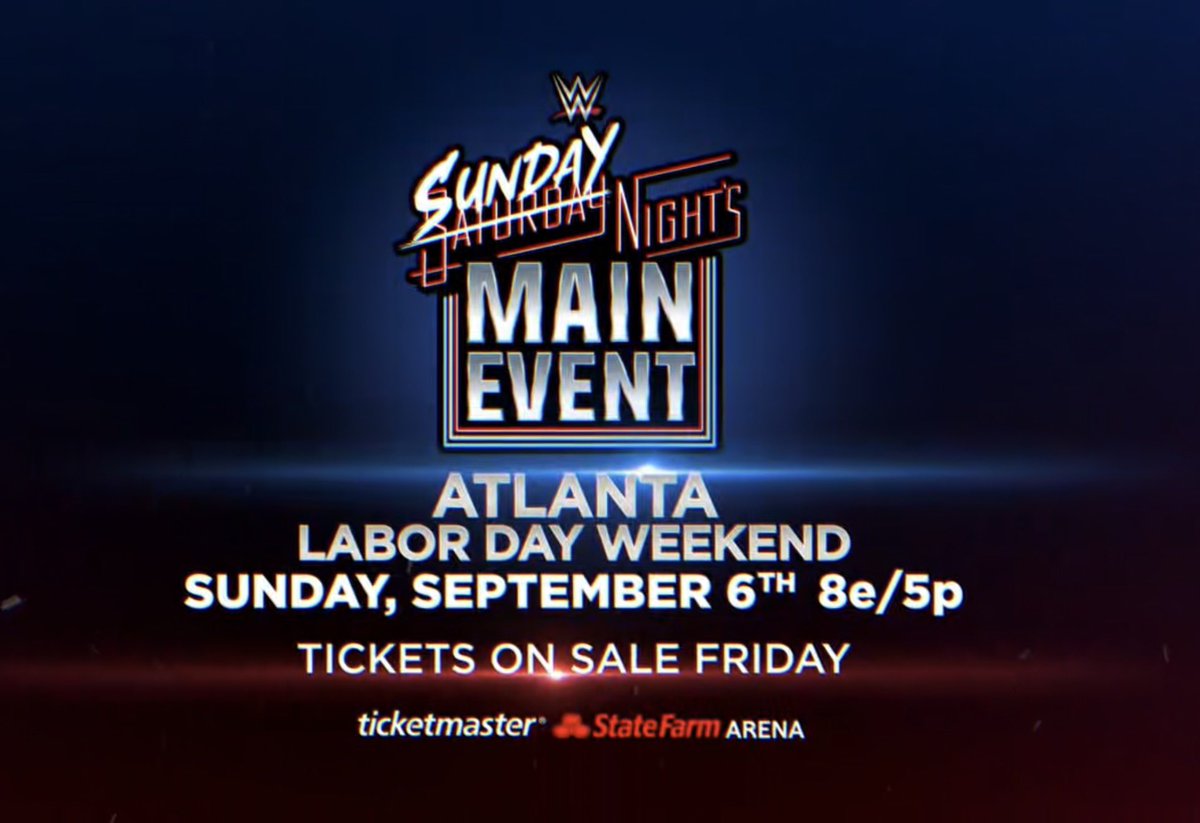
WWE's rescheduling of Money in the Bank to October 10, 2026, at the Smoothie King Center in New Orleans represents a significant calendar shift with direct implications for e-commerce sellers in the sports merchandise and entertainment collectibles categories. The event was originally scheduled for August 29, then moved to September 6, before landing on its final October date—a pattern reflecting WWE's complex operational requirements around broadcast partnerships, touring logistics, and production infrastructure. Ticket sales begin July 10, 2026, creating a 3-month window (July-October) for merchandise demand acceleration.
Merchandise Opportunity Window: The October timing extends the traditional June-July Money in the Bank merchandise cycle into the fall season, overlapping with back-to-school spending and early holiday shopping patterns. Sellers in the sports apparel, collectibles, and licensed merchandise categories can expect elevated demand for wrestler-branded products, ladder match commemorative items, and character-specific merchandise. Historical WWE event patterns show merchandise sales typically spike 40-60% during the 4-6 weeks preceding major premium live events, with sustained demand through event day and 2-3 weeks post-event. The New Orleans venue selection (replacing the originally planned WrestleMania 42 location) signals WWE's strategic focus on Gulf Coast markets, indicating potential demand concentration among Southeast and South-Central US buyers.
Cross-Border & Regional Considerations: WWE's global distribution through Netflix, ESPN, and NBCUniversal (reaching 1+ billion households in 20+ languages) creates international merchandise demand opportunities. The October timing positions sellers to capture Q4 holiday gift-buying behavior, particularly for wrestling collectibles, action figures, and apparel. The Greater New Orleans Sports Foundation partnership demonstrates WWE's commitment to major market events, suggesting robust local economic activity and visitor spending. Sellers should note the ticket presale structure (July 9 presale, July 10 public sales) creates two distinct demand waves—early-bird fan purchases followed by mainstream event awareness.
Operational Impact for Sellers: The multiple rescheduling decisions (August 29 → September 6 → October 10) reflect WWE's production logistics constraints, including touring schedule conflicts and production truck positioning. This pattern indicates WWE prioritizes broadcast quality and live event production capabilities, which translates to higher-quality event content and stronger fan engagement—factors that drive merchandise demand. Sellers should monitor WWE's official announcements for merchandise partnerships and exclusive product launches, as major events typically feature limited-edition items that command premium pricing and higher conversion rates on Amazon, eBay, and specialty wrestling merchandise platforms.
Questions 8
What is the economic impact of WWE events in New Orleans and how does it affect local seller opportunities?
The Greater New Orleans Sports Foundation reports converting $50 million in public investment into $4.2 billion in economic impact for Louisiana over 37 years. WWE's Money in the Bank event will generate significant visitor spending, hotel bookings, and local commerce activity. Local sellers (apparel, hospitality, food/beverage merchandise) can capitalize on event-driven demand. The Smoothie King Center venue attracts 15,000-20,000+ attendees, plus streaming viewers globally. Sellers based in or shipping to New Orleans can target local event merchandise, while national sellers should focus on online merchandise reaching the 1+ billion global WWE audience. The October timing positions the event within peak tourism season for New Orleans, suggesting elevated visitor spending and merchandise demand.
How can sellers optimize Amazon and eBay listings for Money in the Bank merchandise?
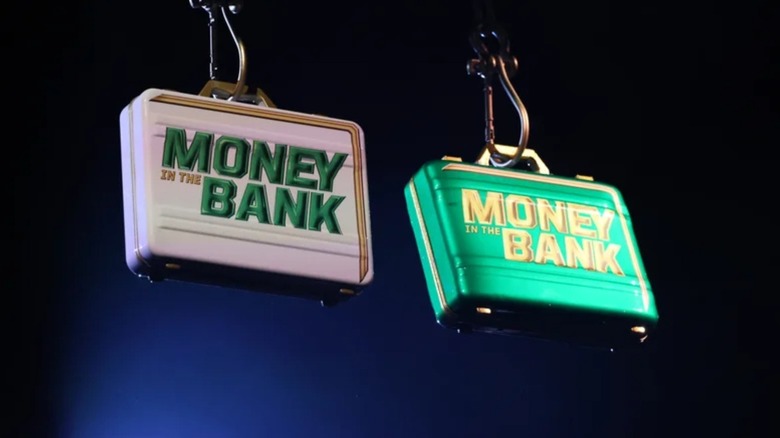
Sellers should optimize listings using primary keywords: 'WWE Money in the Bank 2026', 'Money in the Bank October 2026', and wrestler names (Bron Breakker, Dominik Mysterio, Cody Rhodes, Sami Zayn, Randy Orton, LA Knight, Trick Williams, Logan Paul, Danhausen). Secondary keywords include 'ladder match merchandise', 'WWE briefcase replica', 'wrestling collectibles', and 'New Orleans WWE event'. On Amazon, prioritize Sports & Outdoors and Toys & Games categories with enhanced content highlighting event relevance. On eBay, use Sports Memorabilia and Collectibles categories. Launch listings by late June, update product descriptions with October 10 event details, and create promotional content around the July 9-10 ticket sales dates. Monitor competitor pricing and adjust inventory based on presale demand signals.