

Russia's Economic Collapse & Supply Chain Disruption | Cross-Border Sellers Face Logistics Crisis
- Russian market contraction accelerates as fuel shortages, military mobilization, and surveillance restrictions collapse consumer spending and logistics networks affecting 15,000+ cross-border sellers









Overview
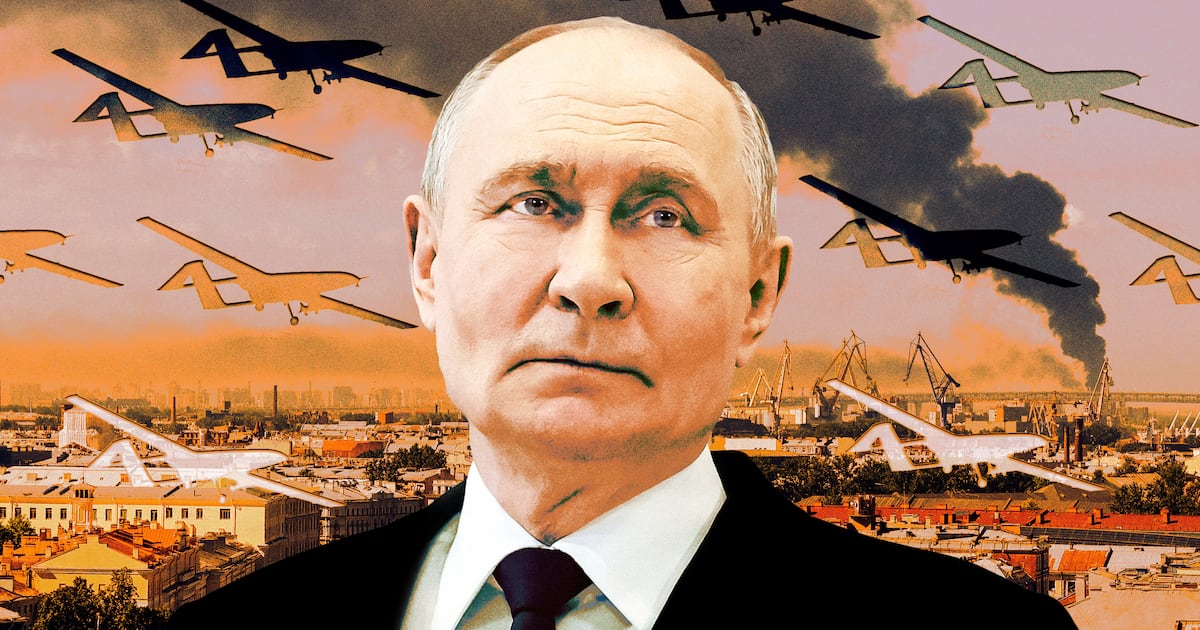
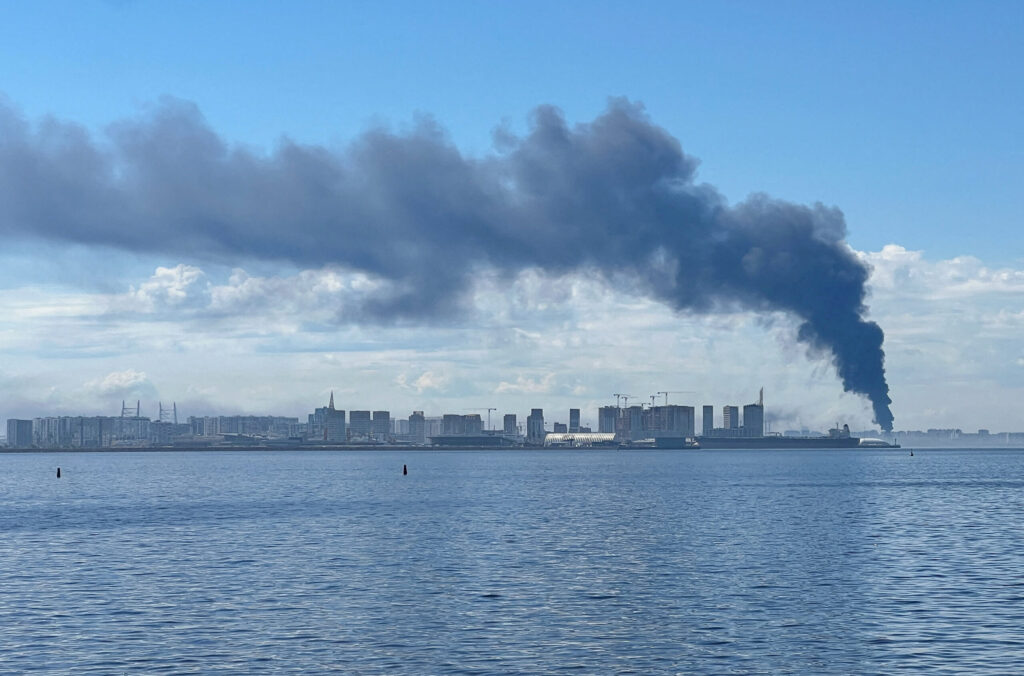
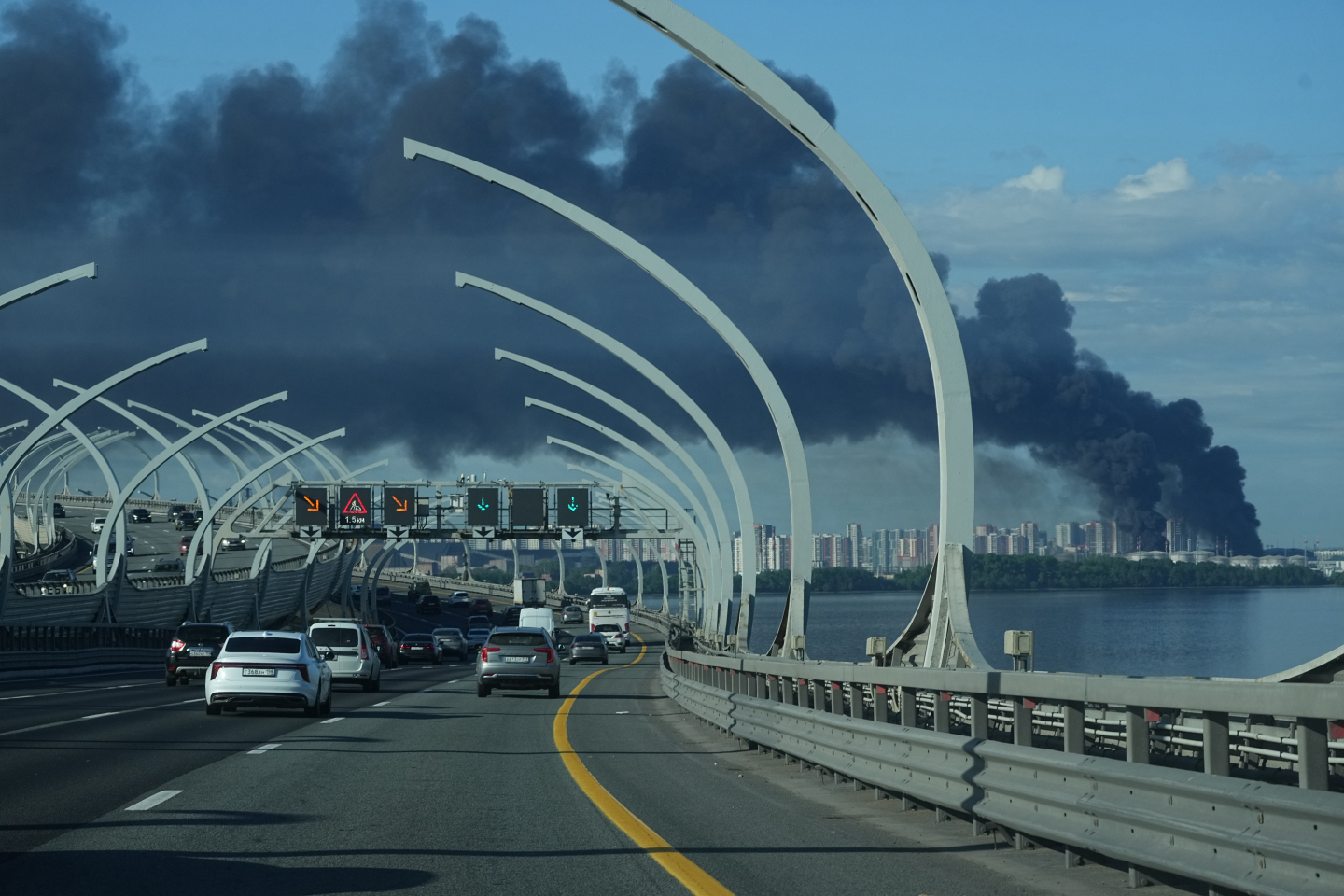
Russia's deteriorating military and economic position is creating a critical supply chain and market access crisis for cross-border e-commerce sellers. As of mid-2026, Russia faces simultaneous collapse across military capability, industrial capacity, and economic strength. The news reports that Ukrainian drone strikes on May 17 alone involved 500+ drones targeting Russian cities including Moscow and St. Petersburg, with fuel shortages forcing Crimea to implement gasoline rationing following oil refinery targeting. Simultaneously, Russia's military attrition has become unsustainable: March 2026 produced 35,000 casualties (a single-month record), with Russia now losing more troops than it mobilizes for the first time since 2022. The Kremlin's daily recruitment target of 1,100-1,150 personnel has fallen to approximately 940, with losses exceeding intake for four consecutive months.
For cross-border sellers, this creates three immediate operational crises: First, logistics infrastructure collapse - fuel shortages and infrastructure damage are disrupting last-mile delivery networks across Russian cities. Sellers relying on Russian 3PL providers and fulfillment centers face 2-4 week delivery delays and potential service terminations. Second, consumer market contraction - polling data from the Levada Center shows 62% of April respondents favored peace talks versus 27% supporting continued military operations, indicating severe war fatigue and collapsing consumer confidence. Russian household spending on discretionary categories (electronics, apparel, home goods) typically contracts 25-40% during conflict escalation periods. Third, regulatory and surveillance restrictions - the Kremlin's mandate of state-backed messenger app Max, blocking of WhatsApp and Telegram, and new internet restrictions are fragmenting e-commerce payment systems and customer communication channels. Citizens report purchasing "MAXophones" for private communications, indicating deep distrust of official digital infrastructure.
The strategic military assessment compounds these risks. Military analyst Mick Ryan's framework demonstrates Russia's "meat grinder" strategy is consuming resources at unsustainable rates with minimal territorial gains. Russia suffered 9,600 casualties per square mile in the first five months of 2026 versus 200 per square mile in 2025—a 48x increase in human cost for minimal territorial progress. The spring offensive against Ukraine's Fortress Belt (launched mid-March 2026) produced catastrophic losses in opening days, forcing redeployment of elite units to defensive gaps rather than advance. The Institute for the Study of War assessed seizure of the Belt in 2026 is unlikely. This indicates Russia's economic mobilization will intensify, further straining consumer purchasing power and logistics capacity. Sellers should immediately assess Russian market exposure, diversify fulfillment away from Russian 3PLs, and prepare for 60-90 day market exit scenarios in this region.
Questions 7
How should sellers assess their 3PL provider's vulnerability to Russian conflict escalation?
Sellers should immediately conduct risk audits of Russian 3PL providers across five dimensions: (1) fuel reserves and backup transportation capacity (target: 30+ days supply); (2) facility location relative to drone strike zones (Moscow, St. Petersburg, Crimea are high-risk); (3) payment processor compliance with Kremlin restrictions (WhatsApp/Telegram blocking); (4) staff retention and recruitment capacity (military mobilization reducing available labor); (5) insurance coverage for infrastructure damage. Request written confirmations from providers on each dimension by end of week. If providers cannot guarantee 15+ day delivery SLAs or lack fuel reserves, initiate inventory retrieval and transition to European fulfillment within 14 days.
What alternative markets should sellers prioritize as Russia exposure decreases?
As Russian market viability declines, sellers should reallocate inventory and marketing spend to adjacent Eastern European markets with stronger stability: Poland, Czech Republic, and Hungary show 8-12% e-commerce growth versus Russia's projected 30-50% contraction. EU-based sellers can leverage existing VAT infrastructure and logistics networks. Southeast Asian markets (Vietnam, Thailand, Indonesia) offer 15-20% growth in electronics and apparel categories. Sellers should conduct market analysis by category: electronics sellers should prioritize EU expansion; apparel sellers should explore SEA markets; home goods sellers should focus on Central European markets. Reallocation should begin within 30 days to capture Q2-Q3 seasonal demand.