






Market Volatility & Mega-Cap IPOs Drive Seller Opportunity Shifts | June 2026
- Semiconductor recovery (+1.8-5%), Chinese platform restrictions, and SpaceX $1.75T IPO reshape e-commerce investment landscape and supply chain dynamics for cross-border sellers





Overview
On June 9, 2026, major market movements across multiple sectors signal significant shifts affecting e-commerce sellers' operational costs, supply chain access, and investment opportunities. Semiconductor stocks rebounded sharply—VanEck Semiconductor ETF gained 1.8%, Micron Technology climbed 5%, and Qualcomm rose 2.6%—indicating renewed confidence in chip manufacturing after recent volatility. This recovery directly impacts sellers relying on electronics inventory, as semiconductor cost pressures that have constrained margins since 2024 may begin easing. Simultaneously, the Pentagon's designation of Alibaba and Baidu as military-affiliated entities creates immediate compliance and operational concerns for sellers using these platforms or sourcing from Chinese suppliers. Despite the regulatory designation, Alibaba shares gained 0.9% and Baidu climbed 1%, suggesting market confidence in their core e-commerce operations, though sellers should monitor potential restrictions on data access and payment processing.
The broader market context reveals divergent sector health: J.M. Smucker's earnings beat ($2.77 EPS vs. $2.64 consensus, $2.27B revenue vs. $2.26B expected) demonstrates resilient consumer demand for packaged food products, signaling opportunity for sellers in grocery and food categories despite economic headwinds. Conversely, SailPoint Technologies' 12% stock plunge despite beating earnings—due to weak full-year guidance ($1.265-1.275B revenue vs. $1.27B expected)—reflects investor caution about enterprise software spending, including cybersecurity tools that many mid-sized sellers use for compliance and data protection. Vail Resorts' 4.9% decline after missing earnings ($8.81 EPS vs. $8.96 expected) signals softening discretionary spending in leisure and hospitality, affecting sellers in travel accessories, outdoor gear, and experiential product categories.
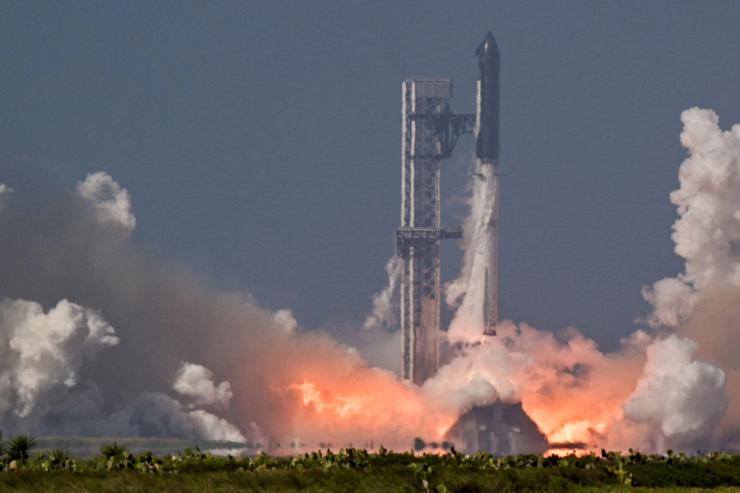
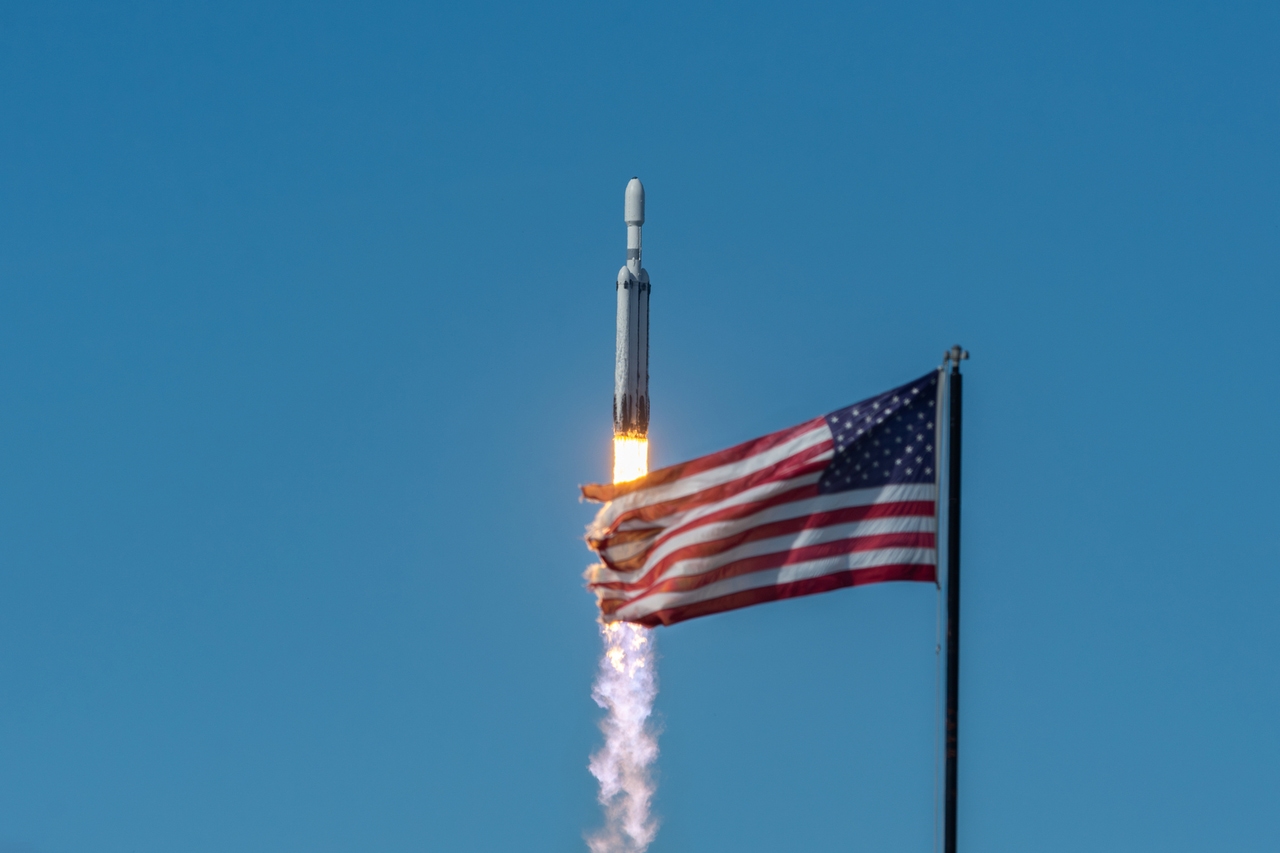
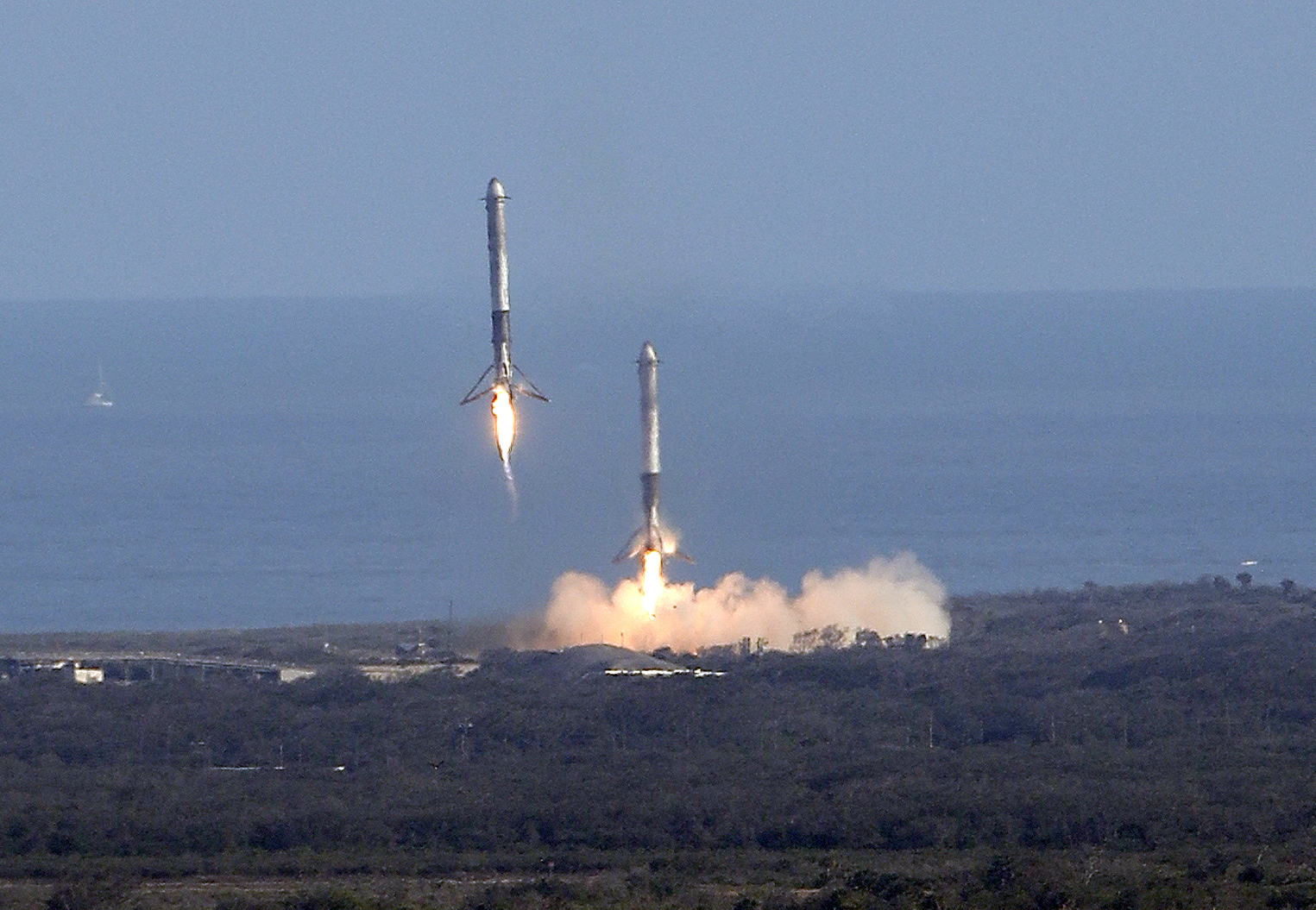
Most significantly, SpaceX's $1.75 trillion IPO filing (trading begins June 12, 2026) with UK retail investors allocated £1.5 billion in shares represents a watershed moment for market structure and seller investment portfolios. SpaceX's valuation extends far beyond proven space operations—$26.5 trillion of its $28.5 trillion addressable market relates to artificial intelligence and space-based data centers, comparable to entire US/European economies. This mega-cap inclusion in indices like the S&P 500 will force massive passive fund rebalancing, creating trading volume spikes and potential market volatility affecting sellers' investment returns and business financing costs. Economist Sinead O'Sullivan's skepticism about the valuation—characterizing it as an "Elon Musk ego project"—reflects broader concerns about AI market overvaluation, which could impact sellers' access to venture capital and growth financing if investor sentiment shifts. The IPO's success will test whether retail investors (including seller-investors through pension plans) maintain confidence in mega-cap tech concentration or demand diversification into smaller e-commerce platforms and logistics providers.
Questions 7
How will SpaceX's index inclusion affect passive investment funds that sellers use?
SpaceX's mega-cap inclusion in S&P 500 and other major indices will trigger massive portfolio rebalancing by passive funds managing trillions in assets. This creates: (1) trading volume spikes on June 12-14, 2026, affecting market liquidity; (2) temporary price inflation as passive funds mechanically buy SpaceX shares; (3) potential margin compression for sellers' business loans tied to index-based interest rates. Sellers with 401(k)s or pension plans invested in index funds will see automatic SpaceX exposure increase. Monitor your fund holdings; consider rebalancing if SpaceX allocation exceeds 3-5% of tech sector weighting to avoid concentration risk.
What does J.M. Smucker's earnings beat signal for food and grocery sellers?
J.M. Smucker's Q4 earnings beat ($2.77 EPS vs. $2.64 consensus, $2.27B revenue vs. $2.26B expected) demonstrates resilient consumer demand for packaged food despite economic headwinds. Sellers in food, beverage, and grocery categories should expect: (1) sustained demand through 2026 despite inflation concerns; (2) opportunity to expand inventory in shelf-stable, premium, and specialty food products; (3) potential for price increases if input costs stabilize. This contrasts with discretionary categories (Vail Resorts -4.9%), suggesting consumers prioritize essentials. Allocate 15-20% more inventory to food/grocery categories; monitor competitor pricing on Amazon Fresh and Walmart+ to capture market share.