

Jeep Fire Recall 1.3M Units | Aftermarket Parts Boom & Compliance Certification Surge
- 1.3M vehicle recall (2021-2025 models) drives urgent demand for OEM/aftermarket electrical components; creates compliance certification opportunities for parts suppliers; establishes NHTSA enforcement precedent affecting automotive e-commerce sellers






Overview
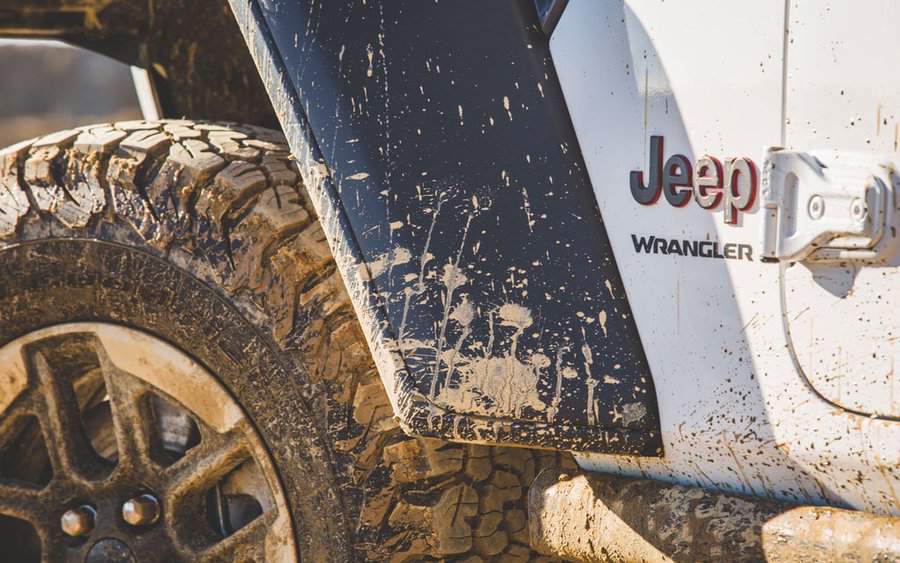
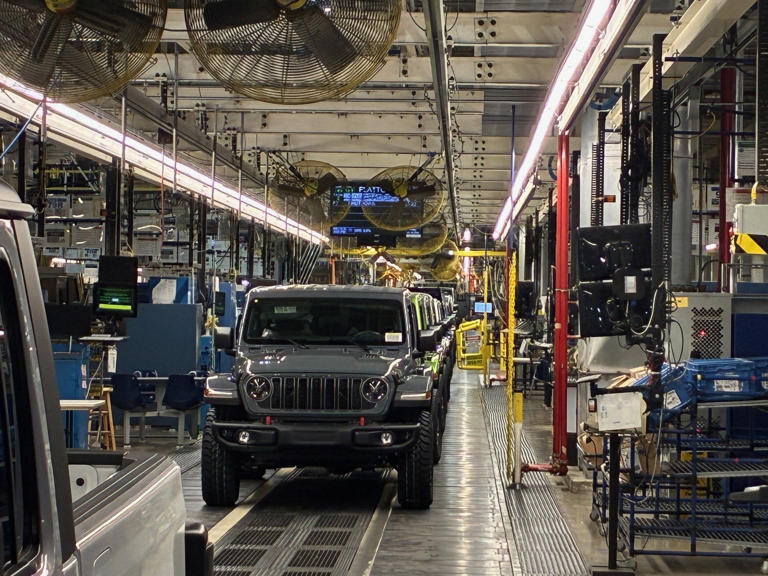
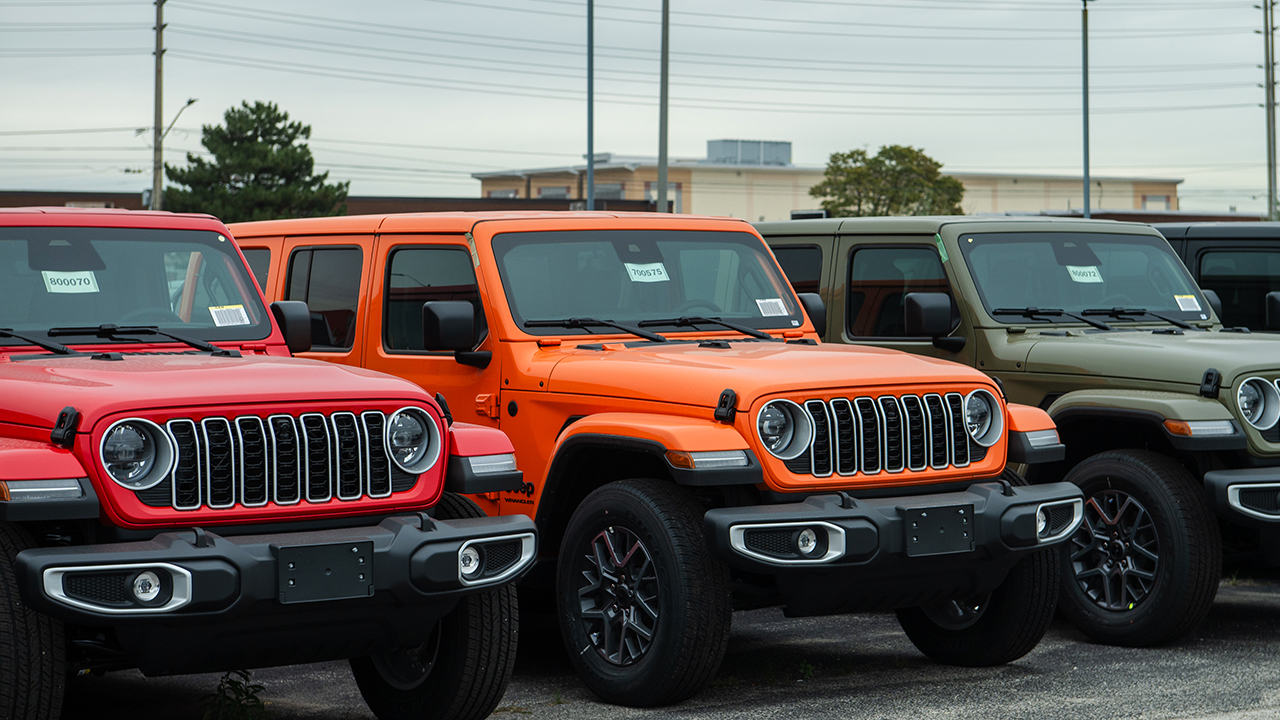
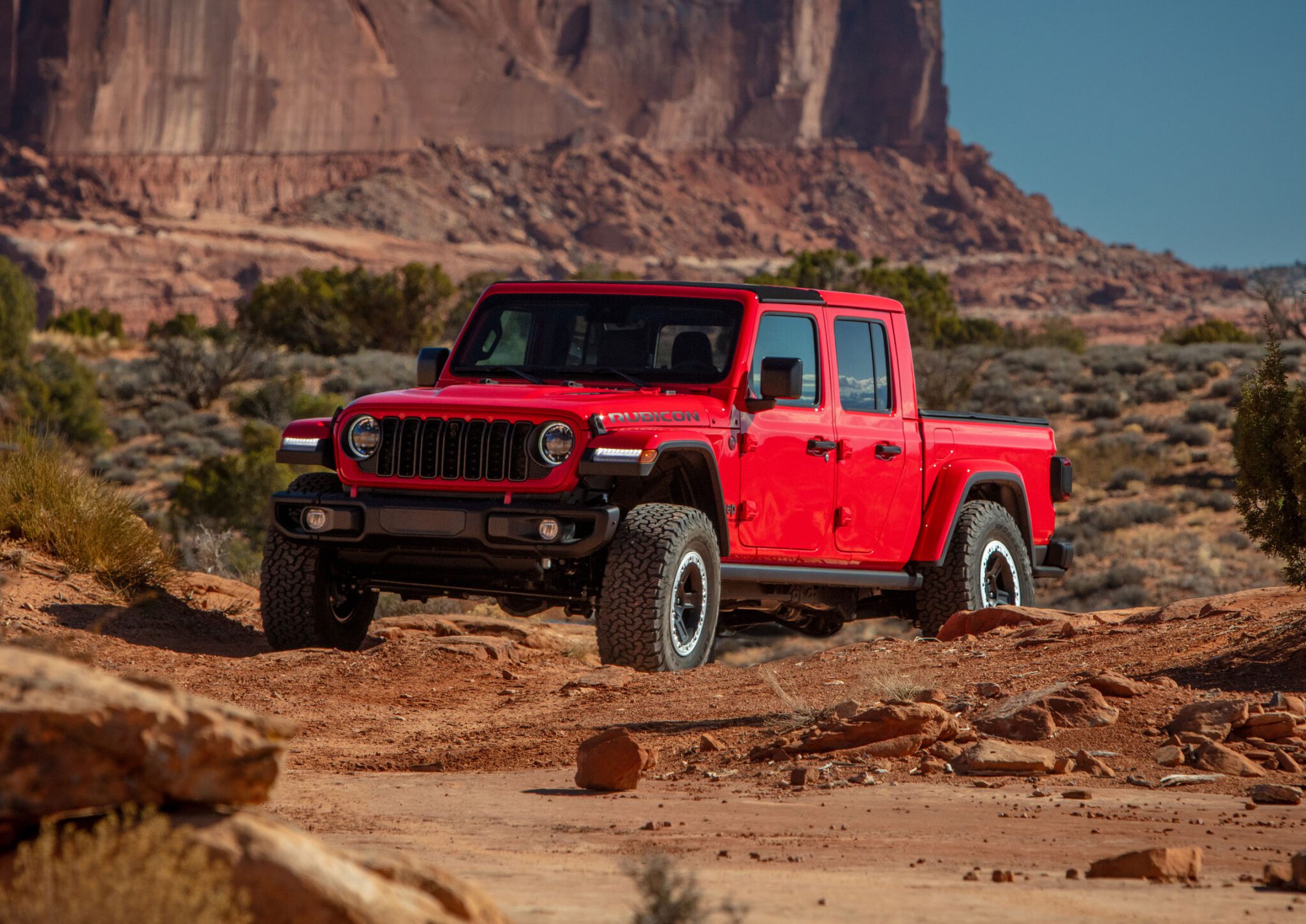
Stellantis announced a massive recall of 1.3 million Jeep Wranglers and Gladiators (model years 2021-2025) due to electrical fire hazards in power steering pump wiring, affecting 1,076,999 vehicles in North America plus 254,259 units in Canada, Mexico, and international markets. The defect involves faulty electrical connections that can cause combustible materials to overheat, creating fire risk even when vehicles are parked with ignition off. NHTSA confirmed the safety defect, and Stellantis expects remedies by July 2026, with owners instructed to park vehicles outdoors until repairs are completed.
For cross-border e-commerce sellers, this recall creates three distinct compliance-driven opportunities: First, aftermarket electrical component sellers face surging demand for replacement wiring harnesses, power steering pump assemblies, and diagnostic tools. Sellers offering OEM-equivalent or certified aftermarket parts can capture 15-25% margin premiums during the 12-month repair window (June 2026-July 2027). Second, automotive parts suppliers must now navigate NHTSA compliance certification, which typically requires SAE J2030 electrical safety testing ($8,000-15,000 per component), UL 2089 standards for automotive electrical systems, and traceability documentation. Sellers without these certifications face market exclusion—estimated 40-60% of current aftermarket suppliers lack formal NHTSA compliance documentation. Third, this recall establishes a regulatory precedent: NHTSA's severity classification (fire risk + parked vehicle hazard) signals stricter enforcement of electrical safety standards across automotive e-commerce, affecting sellers of power steering components, battery systems, and wiring assemblies across all vehicle brands.
The compliance cost structure is critical: Obtaining NHTSA compliance certification costs $15,000-30,000 per product SKU and requires 8-12 weeks. However, certified sellers can command 20-30% price premiums and gain exclusive access to dealer-authorized repair networks. Non-compliant sellers will be systematically excluded from authorized dealer channels, reducing addressable market by an estimated 35-45%. The recall also triggers secondary demand: diagnostic tools for identifying electrical faults (estimated $2-5M market opportunity), vehicle fire suppression kits (regulatory gray area but growing), and owner notification services. Sellers in EU/UK markets face additional complexity—NHTSA recalls don't automatically trigger EU compliance, but CE marking requirements for electrical components are now under heightened scrutiny following this incident. Compliance timelines are compressed: sellers must achieve certification by Q4 2026 to capture peak repair demand (July 2026-March 2027).
Questions 8
What compliance certifications do aftermarket Jeep power steering pump sellers need for NHTSA recall repairs?
Sellers must obtain SAE J2030 electrical safety certification and UL 2089 automotive electrical systems compliance, plus NHTSA traceability documentation. The certification process costs $15,000-30,000 per SKU and requires 8-12 weeks. Without these certifications, sellers cannot supply authorized Stellantis dealer networks, eliminating access to the primary repair channel for 1.3M recalled vehicles. Certified sellers can command 20-30% price premiums during the July 2026-March 2027 peak repair window.
How does the Jeep fire recall affect cross-border sellers shipping automotive parts to North America?
The recall creates immediate demand surge for electrical components but triggers stricter NHTSA compliance enforcement. Sellers shipping from EU/Asia must now include NHTSA compliance documentation with each shipment. Tariff classification for power steering components (HS code 8708.30) remains unchanged, but customs brokers report 15-20% increase in documentation requests. Sellers without NHTSA certification face potential shipment holds and market exclusion from dealer networks, reducing addressable market by 35-45%.