




Cargo Theft Surge Exposes Supply Chain Vulnerabilities | Critical Security Gaps for High-Value Goods Sellers
- $500K bourbon heist reveals systemic warehouse security failures affecting spirits, food & beverage e-commerce; organized theft rings now targeting online resale channels in Mid-Atlantic region













Overview
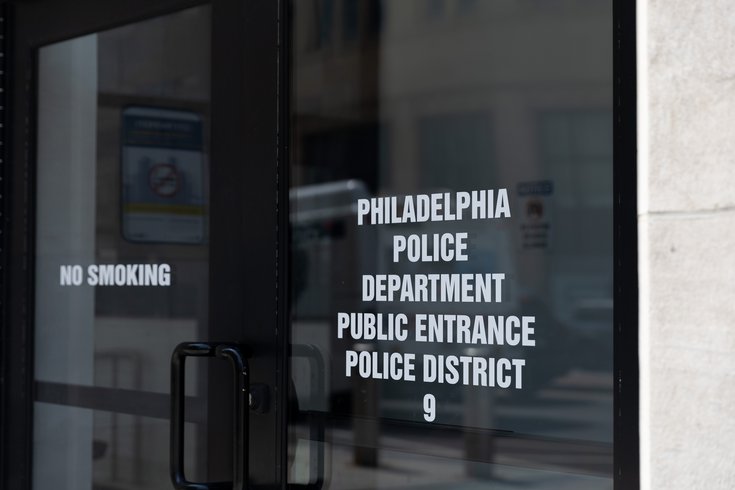
A coordinated cargo theft operation on June 5-8, 2026, resulted in the theft of 10,800 bottles of Noble Oak bourbon (1,800 cases across 18 pallets) valued at approximately $500,000 from a Philadelphia warehouse, exposing critical vulnerabilities in supply chain security that directly impact e-commerce sellers handling high-value goods. The theft demonstrates how organized criminal networks exploit documentation gaps, social engineering, and inadequate identity verification to hijack shipments destined for legitimate distribution. The perpetrators posed as authorized pickup personnel, presented fraudulent identification, and successfully bypassed warehouse staff verification procedures—all occurring in broad daylight between 1-3 p.m. The missing purchase order document represented a critical control failure that allowed the theft despite staff confirmation that a shipment was expected.
This incident reflects a broader national trend of cargo theft targeting food and beverage shipments, with estimated annual losses reaching billions of dollars. For e-commerce sellers, particularly those in the spirits, premium beverages, and high-value goods categories, this case reveals three critical supply chain risks: (1) warehouse security protocols remain inadequate against sophisticated social engineering tactics, (2) third-party logistics providers lack standardized multi-factor authentication and verification procedures, and (3) stolen inventory circulates through unauthorized wholesalers and online marketplaces (Amazon, eBay, specialty platforms) in the Mid-Atlantic region, creating counterfeit/grey market competition. The company has issued nationwide alerts to distributors, retailers, and transportation providers, indicating the stolen bourbon will likely be offered for resale through secondary markets and online channels.
For sellers managing inventory through 3PL warehouses or third-party fulfillment centers, the operational implications are significant. The theft demonstrates that standard verification procedures—ID checks, staff confirmation of expected shipments—are insufficient against organized theft rings with knowledge of logistics operations and product movement schedules. Sellers must implement enhanced security protocols including: (1) multi-factor authentication for all pickup authorizations, (2) direct contact verification with shipping brokers using independently verified contact information (not information provided by the driver), (3) photographic documentation of driver identification with facial recognition verification, and (4) real-time GPS tracking for high-value shipments. The incident also highlights the need for sellers to diversify warehouse locations and avoid concentrating high-value inventory in single facilities vulnerable to coordinated theft operations. Insurance coverage for in-transit and stored inventory becomes critical—sellers should audit current policies to ensure adequate coverage for cargo theft, which may require separate riders beyond standard warehouse liability.
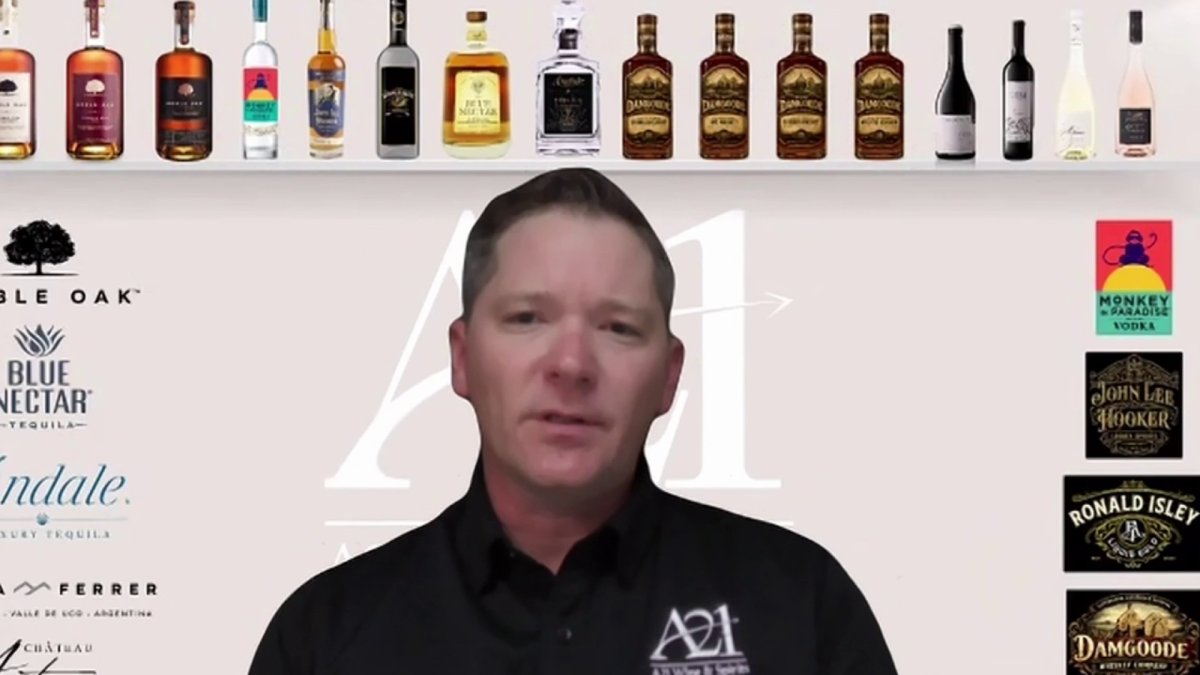
The downstream impact on e-commerce pricing and inventory availability is already emerging. A-21 Wine & Spirits has issued alerts requesting vigilance for suspicious bulk offers of Noble Oak products, indicating that stolen inventory will likely appear on online marketplaces at discounted prices, undercutting legitimate sellers. This creates margin compression for authorized distributors and sellers, potentially reducing profitability by 15-25% in affected categories during the recovery period. Sellers should monitor secondary marketplaces (eBay, Amazon, specialty alcohol platforms) for suspicious bulk listings and report counterfeit or grey market inventory to platform authorities. The FBI and Philadelphia Police investigation may result in recovery of some inventory, but historical data suggests 60-70% of stolen cargo never returns to legitimate supply chains.
Questions 8
How did thieves bypass warehouse security to steal $500K in bourbon?
The perpetrators posed as authorized A-21 Wine & Spirits pickup personnel, presented fraudulent identification (with a photo that didn't match their appearance), and exploited inadequate verification procedures. Warehouse staff released 18 pallets (1,800 cases) without requiring the critical purchase order document—a control failure that allowed the theft despite staff confirmation that a shipment was expected. The operation occurred in broad daylight (1-3 p.m.) on June 5-8, 2026, suggesting the thieves had knowledge of warehouse operations and product movement schedules. This demonstrates how organized theft rings use social engineering and documentation gaps to bypass physical security measures.
What supply chain vulnerabilities does this theft expose for e-commerce sellers?
The incident reveals three critical gaps: (1) third-party logistics providers lack standardized multi-factor authentication for pickup authorizations, (2) identity verification procedures are insufficient against sophisticated social engineering, and (3) warehouse staff can be deceived into bypassing documented security protocols. For sellers using 3PL fulfillment, this means standard ID checks and shipment confirmation are inadequate. Sellers must implement enhanced verification including direct contact with shipping brokers using independently verified contact information, photographic documentation with facial recognition, and real-time GPS tracking for high-value inventory. The theft also highlights the need to diversify warehouse locations and avoid concentrating high-value goods in single facilities.