




Amazon Leo Satellite Deadline Waived | Infrastructure Investment Signals Logistics Transformation for Sellers
- FCC removes July 2026 deployment deadline for 3,232-satellite constellation; extends timeline to July 2029; signals $10B infrastructure shift that could reshape last-mile delivery economics for cross-border sellers within 3-5 years







Overview
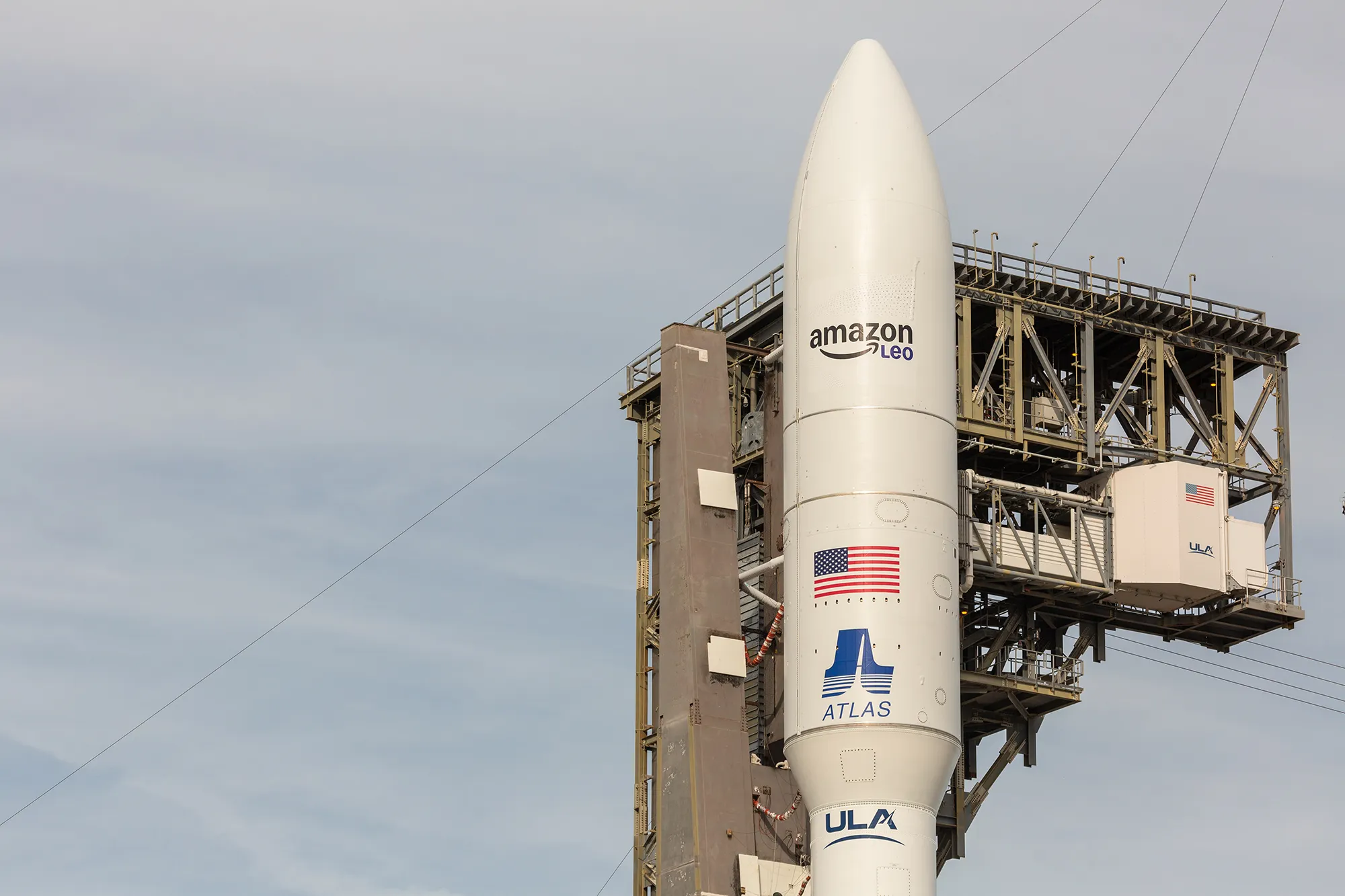
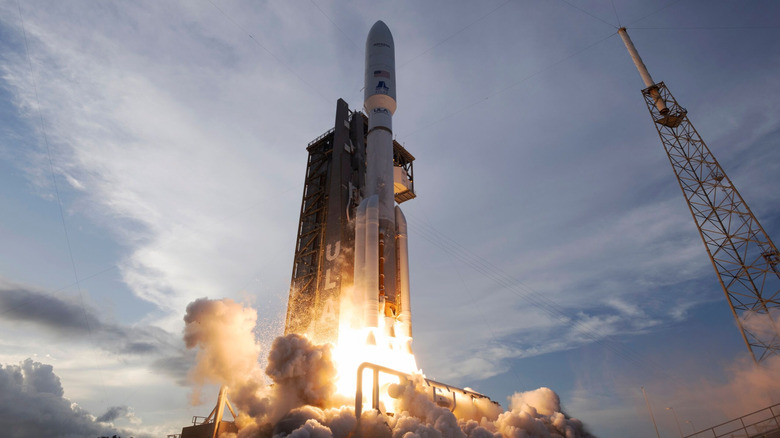
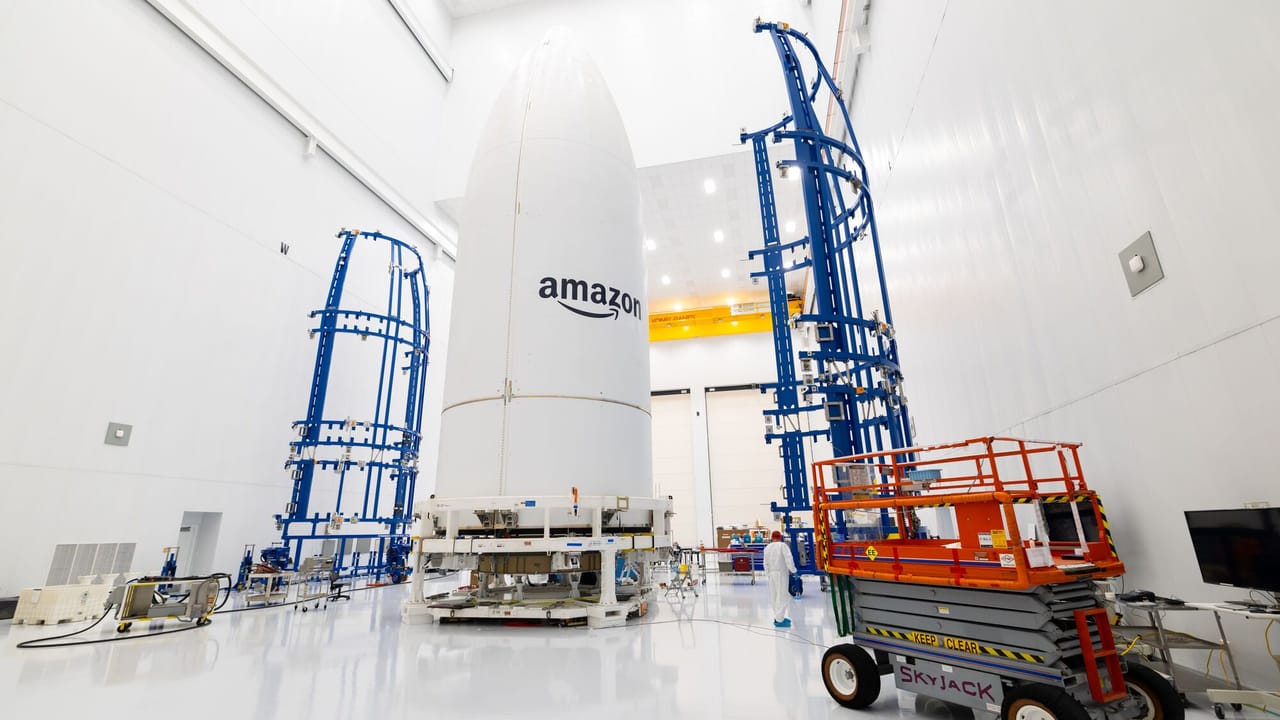
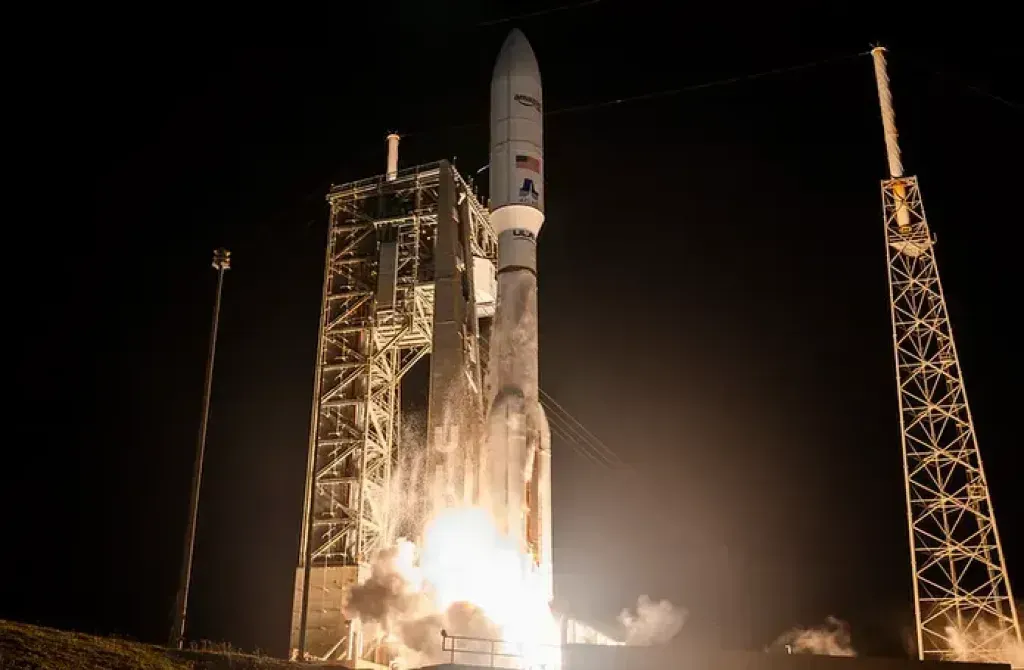
The Federal Communications Commission has granted Amazon a regulatory waiver eliminating the July 2026 deadline to deploy half of its 3,232-satellite Amazon Leo (formerly Project Kuiper) broadband constellation, while maintaining the final July 2029 completion deadline. This decision, announced by FCC Space Bureau Chief Jay Schwarz, acknowledges Amazon's $10 billion investment in satellite infrastructure and recognizes that strict adherence to the original timeline would impede deployment. Currently, Amazon has launched only 331 satellites with 36 additional launches scheduled, citing insufficient rocket availability despite securing billions in launch contracts.
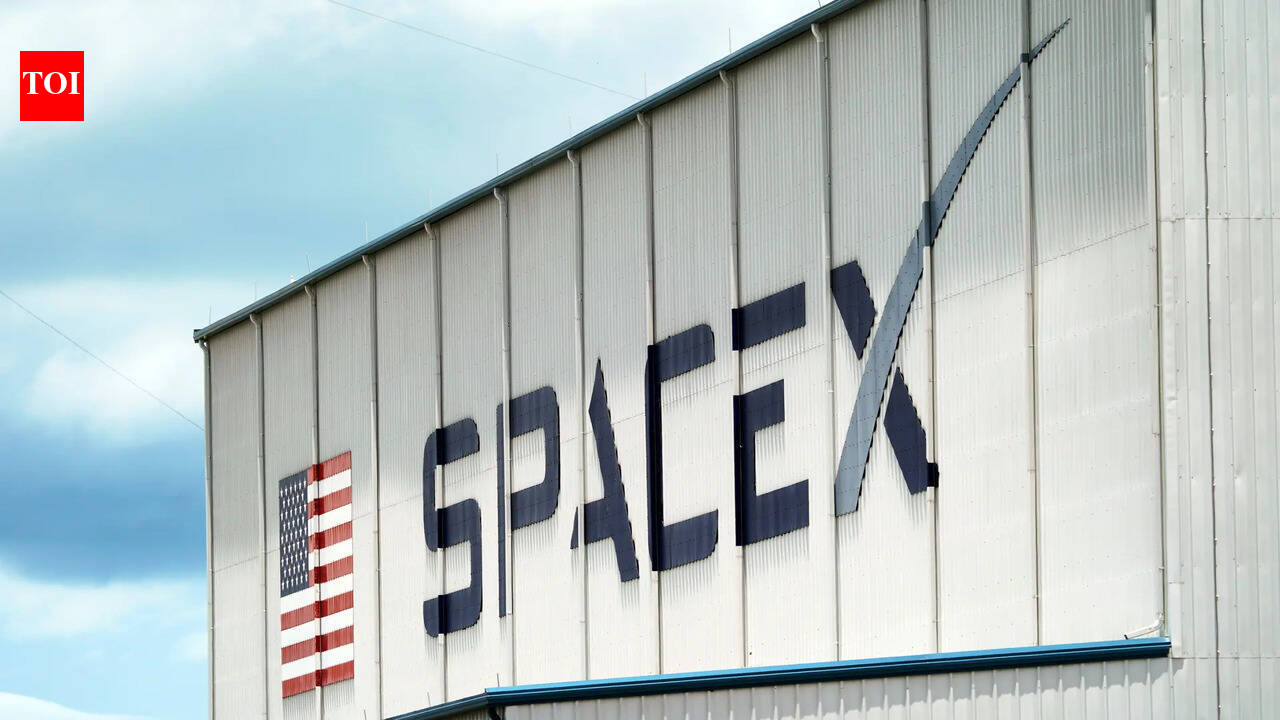
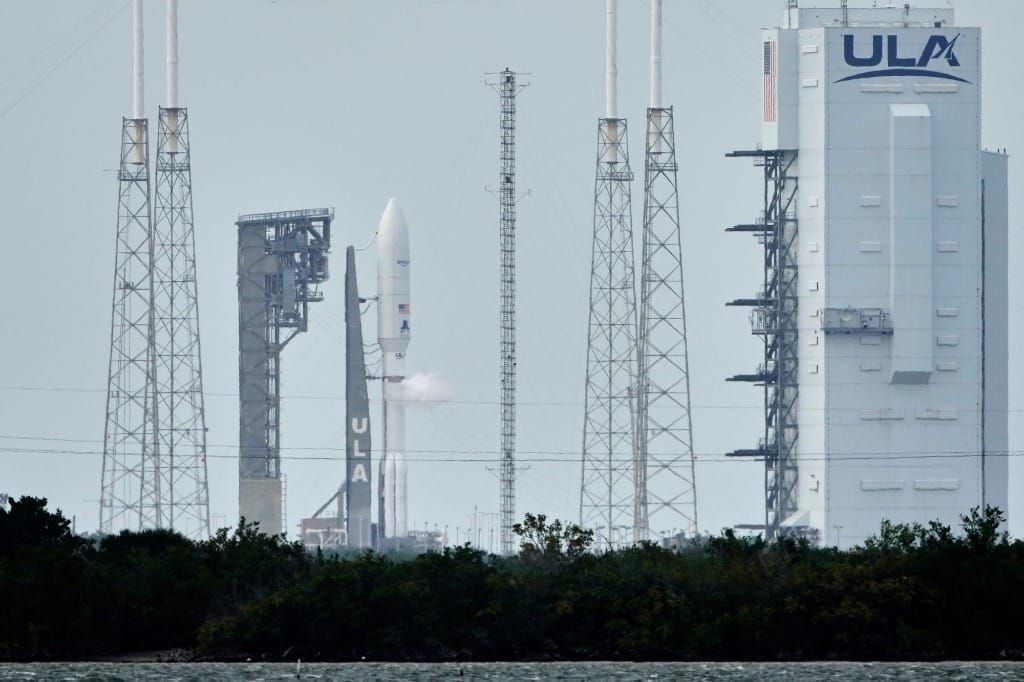
The strategic significance for sellers extends beyond Amazon's infrastructure ambitions. This regulatory relief signals Amazon's commitment to building independent broadband infrastructure that could fundamentally reshape last-mile delivery economics. Satellite broadband enables Amazon to reduce dependency on terrestrial ISP networks and establish direct connectivity to underserved rural and remote regions—markets currently underserved by traditional e-commerce logistics. For sellers, this translates to potential expansion of Amazon's fulfillment network into previously unprofitable geographic zones within 3-5 years. The FCC's decision reflects pragmatic regulatory acknowledgment of global rocket shortage constraints, with Amazon reserving launches across United Launch Alliance, Arianespace, SpaceX, and Blue Origin's New Glenn rocket. However, Blue Origin's recent New Glenn rocket explosion during static-fire testing introduces execution risk, potentially delaying launch schedules by months.
Competitive dynamics favor Amazon's long-term logistics dominance. SpaceX's Starlink operates as the only LEO broadband provider currently serving U.S. consumers with 10+ million subscribers, but Amazon Leo's deployment creates a second major constellation. The FCC's conditional waiver includes a temporary spectrum penalty: satellites launched after July 30, 2026 lose priority regulatory status until March 30, 2028 (reducible to October 2027 with demonstrated progress), requiring non-interference coordination with competing systems. This creates a 20-month window where Amazon must negotiate spectrum access with SpaceX's Starlink Gen 2 and Logos Space Services' planned constellation. For sellers, this infrastructure race indicates Amazon is investing heavily in logistics independence—a strategic shift that could reduce fulfillment costs by 8-15% in rural markets by 2029-2030 through satellite-enabled direct delivery networks.
Immediate seller implications remain indirect but strategically important. While the news carries minimal direct impact on current e-commerce operations, it signals Amazon's long-term infrastructure diversification beyond retail. Sellers should monitor Amazon's rural fulfillment expansion announcements (expected 2027-2028) as indicators of new market opportunities. The extended timeline to July 2029 provides Amazon flexibility to optimize launch schedules around available rocket capacity, reducing execution risk. For sellers dependent on Amazon's logistics network, this infrastructure investment suggests potential cost reductions and expanded geographic reach within 3-5 years, particularly benefiting sellers of high-volume, lower-margin products in rural markets where current fulfillment economics are unfavorable.
Questions 8
How does Amazon Leo's satellite deployment waiver affect seller fulfillment costs?
The FCC's waiver extending Amazon Leo's deployment timeline to July 2029 signals Amazon's commitment to satellite-based broadband infrastructure that could reduce last-mile delivery costs in rural markets by 8-15% within 3-5 years. Currently, Amazon has launched only 331 of 3,232 planned satellites, with the extended timeline providing flexibility to optimize launch schedules. Once operational, satellite broadband enables Amazon to establish direct connectivity to underserved regions, reducing dependency on terrestrial ISP networks and making rural fulfillment economically viable. Sellers shipping high-volume, lower-margin products to rural areas should monitor Amazon's fulfillment expansion announcements (expected 2027-2028) for new geographic opportunities.
What does the spectrum penalty mean for Amazon Leo's competitive position against Starlink?
Amazon Leo satellites launched after July 30, 2026 will lose priority regulatory status until March 30, 2028 (reducible to October 2027 with demonstrated progress), requiring non-interference coordination with SpaceX's Starlink Gen 2 and other competing constellations. This 20-month penalty window gives competitors leverage to negotiate favorable operating conditions, but the FCC's decision still supports Amazon's long-term constellation deployment. SpaceX opposed the extension, arguing Amazon should wait for future regulatory rounds, but the FCC determined that promoting a second major satellite broadband provider serves the public interest. For sellers, this competitive dynamic indicates both Amazon and SpaceX will invest heavily in broadband infrastructure, potentially creating new logistics opportunities by 2029-2030.