


AI Chip Export Controls Tighten | Sellers Face Supply Chain Uncertainty
- Congressional scrutiny of Nvidia's China operations signals stricter enforcement of semiconductor export restrictions affecting cross-border AI infrastructure sellers and data center resellers






Overview
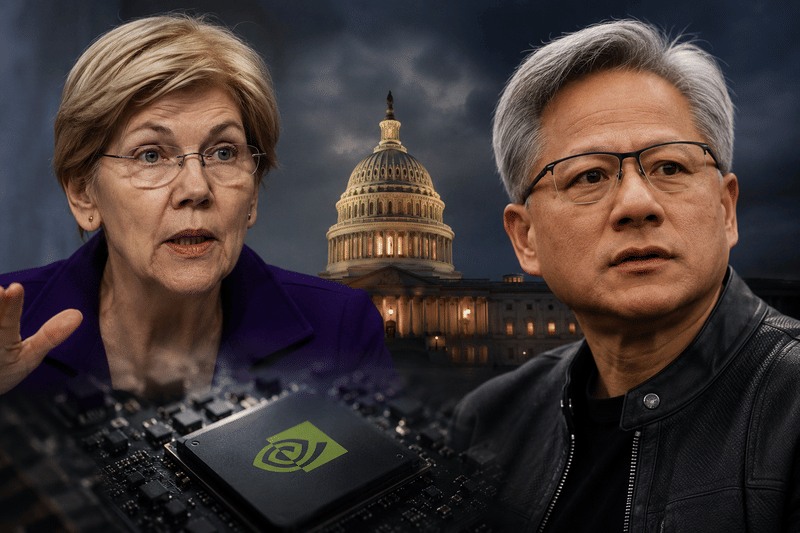
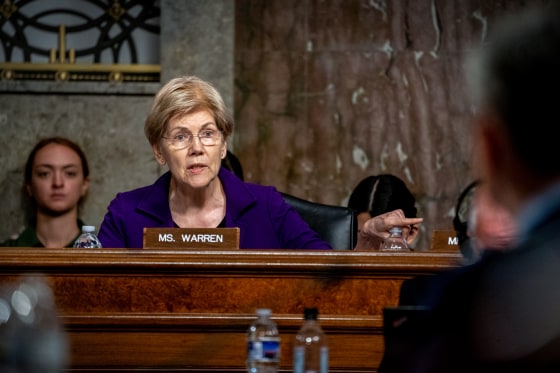
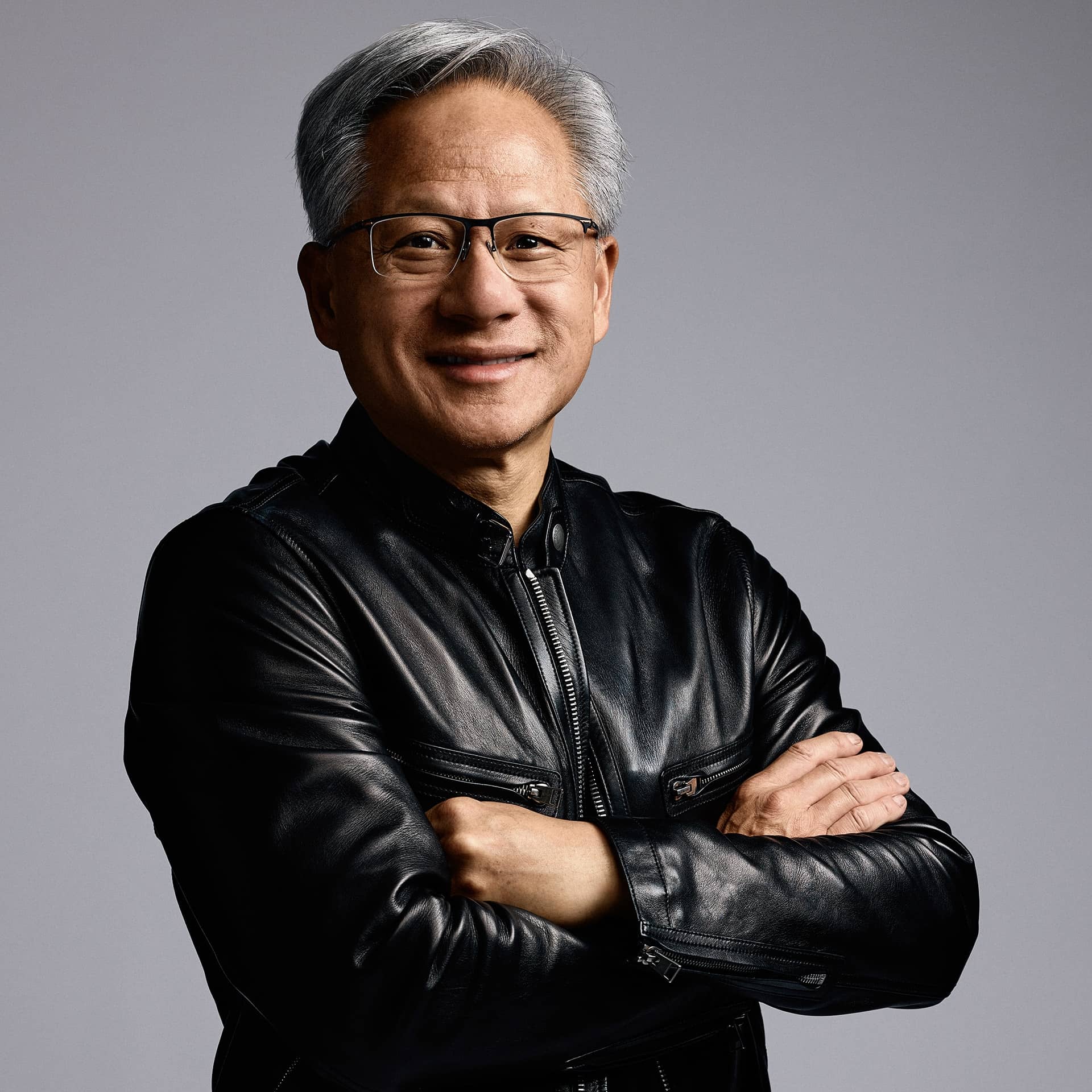
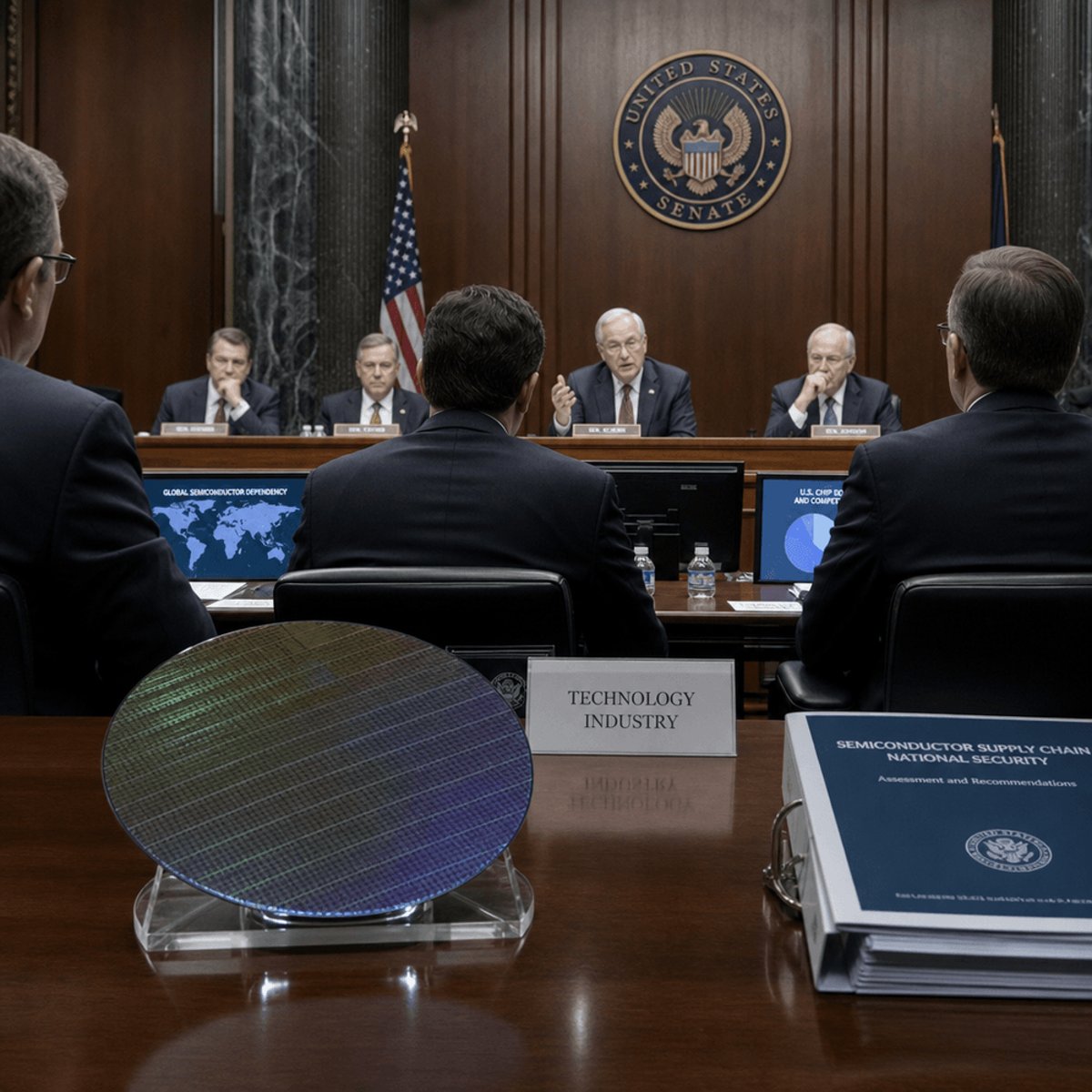
Congressional pressure on Nvidia's China business operations reveals a critical inflection point in U.S. semiconductor export policy that directly impacts cross-border sellers of AI-powered products and data center infrastructure. Senator Elizabeth Warren's June 2025-2026 hearing invitation to Nvidia CEO Jensen Huang—which Huang declined—exposes deepening regulatory scrutiny over alleged $160 million in H100/H200 chip diversions to China, $510 million in diverted servers, and claims that 20% of Nvidia's fiscal 2026 compute revenues came through illegal channels via Southeast Asian intermediaries (Malaysia, Thailand). The Commerce Department has already closed export control loopholes and issued guidance requiring licenses for chips sold to Chinese-headquartered entities or subsidiaries operating outside China, fundamentally reshaping the supply chain for AI infrastructure sellers.
For cross-border e-commerce sellers, this regulatory tightening creates three immediate operational risks. First, sellers sourcing AI accelerators, GPUs, or data center components from Nvidia or authorized distributors face potential supply constraints as the company prioritizes compliance over volume—Nvidia took a $4.5 billion inventory charge related to H20 compliance in fiscal 2026, signaling aggressive destocking. Second, sellers operating in Southeast Asian markets (particularly Malaysia and Thailand) who previously leveraged transshipment routes for AI hardware now face heightened customs scrutiny and potential seizures under enhanced enforcement. Third, sellers offering AI-as-a-service or cloud infrastructure products to Chinese customers must now navigate stricter licensing requirements, effectively closing a market that historically represented 13-20% of Nvidia's revenue pre-2023.
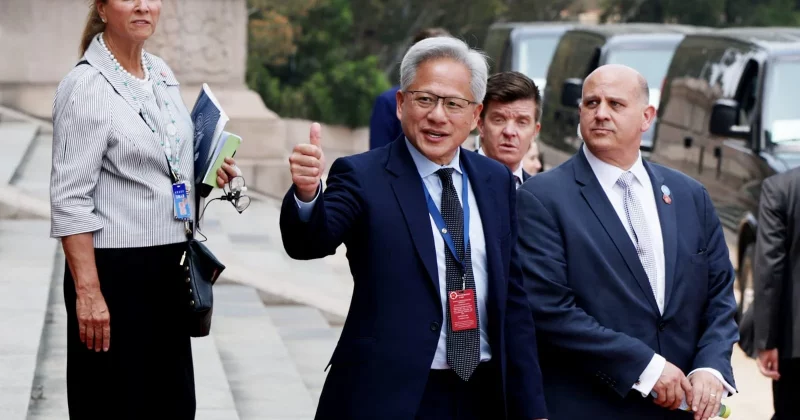
The policy window is narrowing rapidly. Congress is actively considering multiple bills to further restrict chip and chipmaking equipment sales to China, with bipartisan support evident from both Senate Banking Committee Democrats (Warren) and House Energy and Commerce Committee Republicans. The Commerce Department's revenue-sharing model for H20 shipments (requiring U.S. government cuts) signals a shift toward managed scarcity rather than open market access. Sellers must immediately audit their supply chains for China-bound inventory, verify distributor compliance certifications, and pivot sourcing strategies toward compliant alternatives like lower-performance chips or non-restricted geographies (India, Vietnam, Southeast Asia outside Malaysia/Thailand). The hearing's absence of Huang—despite his attendance at Trump's Beijing delegation—suggests political pressure is overriding commercial lobbying, indicating enforcement will intensify regardless of industry advocacy.
Questions 7
What immediate actions should sellers take to ensure compliance?
Sellers must immediately audit supply chains for China-bound inventory, verify that all distributors hold current Commerce Department compliance certifications, and document export license applications for any restricted chips. Review sales contracts to identify customers with Chinese headquarters or subsidiaries globally—the new guidance applies even to offshore operations. Discontinue any Malaysia/Thailand transshipment operations and reroute through compliant channels. Consult trade compliance counsel to review existing customer relationships and potential liability exposure. Update product listings to reflect export restrictions and implement geographic blocking for China-restricted SKUs. Complete these actions within 30 days to avoid enforcement risk as congressional scrutiny intensifies.
How does Huang's refusal to testify signal future enforcement intensity?
Huang's decline to testify despite attending Trump's Beijing delegation and a $1 million Mar-a-Lago dinner signals that political pressure is overriding industry lobbying—Warren's public criticism highlights the political cost of non-compliance. The hearing will proceed with expert witnesses from Hudson Institute, American Enterprise Institute, and AI Now Institute, suggesting Congress will develop policy recommendations without industry input. Huang's consistent advocacy for 'offering competitive chips to the Chinese market' has become a political liability, indicating the administration will enforce restrictions more aggressively to counter criticism. Sellers should expect stepped-up enforcement actions, increased customs scrutiny, and potential criminal liability for diversion schemes within 6-12 months.