


Fed Rate Hike Odds Surge 60% | E-Commerce Sellers Face Higher Borrowing Costs & Demand Shifts
- June 5 market selloff signals tighter credit conditions ahead; sellers relying on inventory financing face 2-4% rate increases by Q3 2025


Overview
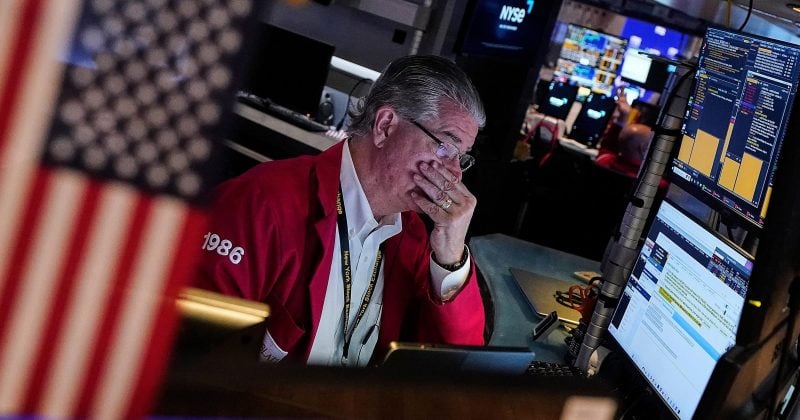
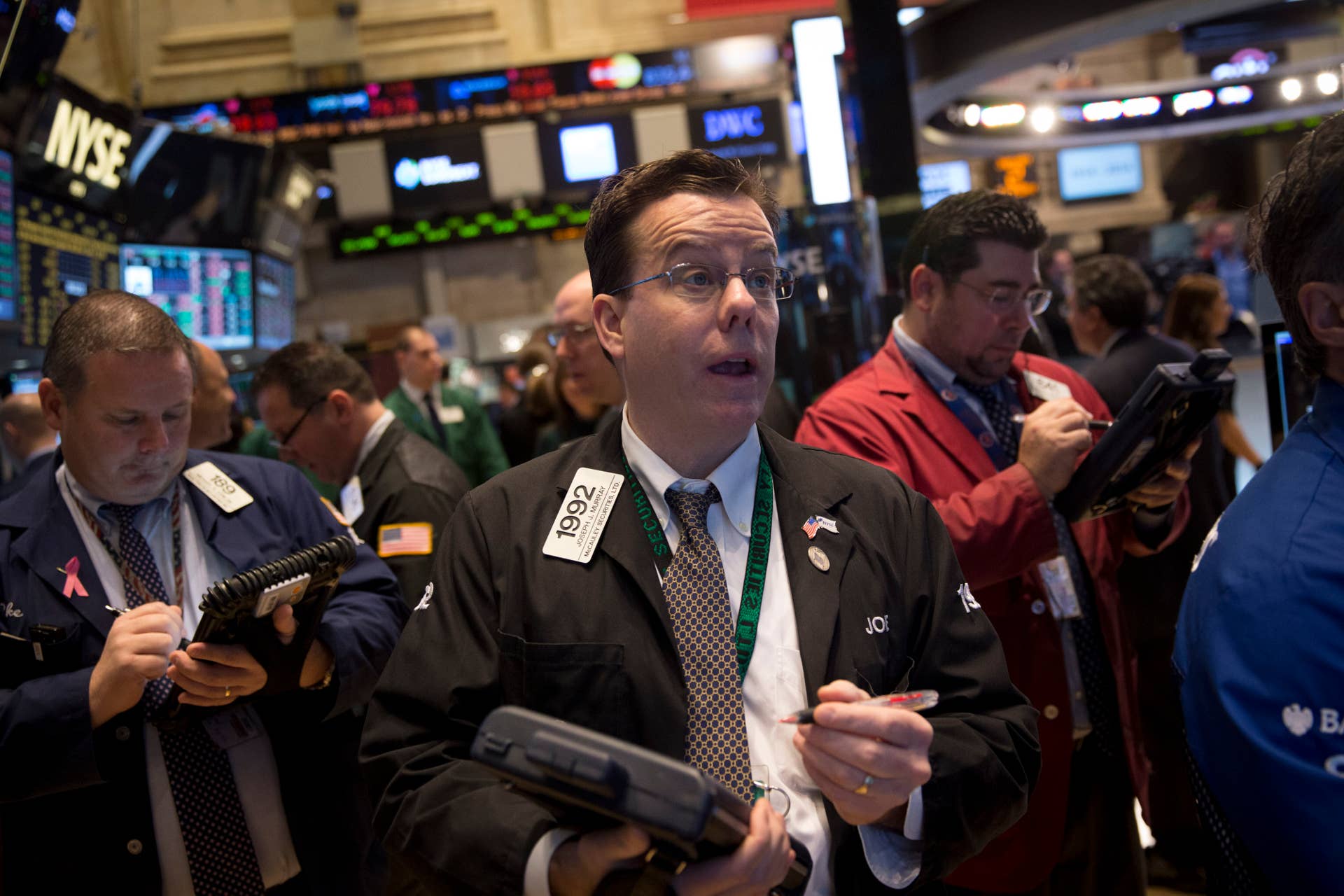
On June 5, 2025, the S&P 500 declined 2.6%—its worst day in eight months—following a stronger-than-expected jobs report showing 172,000 positions added in May. This economic strength paradoxically triggered a market selloff because it reduced expectations for Federal Reserve rate cuts, with the CME FedWatch Tool now indicating 60%+ odds of a rate hike by year-end rather than cuts. The 10-year Treasury yield surged to 4.54%, directly impacting borrowing costs across the economy. For cross-border e-commerce sellers, this represents a critical inflection point affecting both operational financing and consumer purchasing power.
The financing impact is immediate and quantifiable. E-commerce sellers heavily dependent on inventory financing through lines of credit, merchant cash advances, or working capital loans face rising costs. Current prime lending rates (typically 8.5-9.5%) could increase 2-4% by Q3 2025 if the Fed raises rates as markets now price in. A seller carrying $100,000 in inventory financing at 9% APR would see annual costs jump from $9,000 to $11,000-13,000—a $2,000-4,000 annual burden. This disproportionately affects small-to-mid-sized sellers (SMBs) with $500K-$5M annual revenue who lack the cash reserves of larger competitors. Amazon FBA sellers, Shopify merchants, and 3PL-dependent operators should immediately review financing terms and lock in rates before further increases.
Consumer demand dynamics shift materially in higher-rate environments. Rising bond yields signal tighter monetary conditions, which historically compress discretionary spending—particularly in categories like electronics, apparel, home goods, and luxury items. The news specifically highlighted Lululemon (down 8.6%), Micron (down 13.3%), and Broadcom (down 16%), reflecting investor concerns about consumer electronics and premium apparel demand. Cross-border sellers in these categories should expect 5-15% demand softening over the next 2-3 quarters as consumer credit becomes more expensive. Conversely, value-oriented and essential categories (groceries, basic apparel, home essentials) typically see relative strength during tightening cycles. The June 16-17 Federal Reserve meeting will be a critical catalyst—if officials signal no immediate rate hike, yields could fall and tech stocks could recover, temporarily boosting demand for electronics and luxury goods.
Concentration risk in seller portfolios mirrors the market's tech vulnerability. Just as the S&P 500's 2.6% decline masked a much steeper drop in mega-cap tech stocks (which represent one-third of the index), many e-commerce sellers are over-concentrated in high-growth, high-margin categories vulnerable to demand shocks. Sellers with 60%+ of inventory in electronics, luxury apparel, or discretionary home goods face outsized risk. The divergence between cap-weighted (SPY/VOO down 2.6%) and equal-weight (RSP minimal losses) indices suggests diversification into staple categories provides downside protection. Sellers should rebalance inventory allocation toward recession-resistant categories while maintaining growth exposure.
Questions 8
How does the Fed rate hike probability affect my Amazon FBA inventory financing costs?
With the CME FedWatch Tool now showing 60%+ odds of a rate hike by year-end, sellers using inventory financing face immediate pressure. If you're carrying $100,000 in working capital debt at current 9% rates, a 2-3% rate increase would add $2,000-3,000 annually to your costs. Amazon FBA sellers should lock in financing rates immediately through SBA loans (currently 8-9%) or negotiate fixed-rate terms with lenders before the June 16-17 Fed meeting. Delaying could cost 50-100 basis points in rate increases over the next 90 days.
Which product categories will see the most demand decline if interest rates rise?
The June 5 market selloff hit discretionary categories hardest: Lululemon (down 8.6%), electronics (Micron down 13.3%, Broadcom down 16%), and premium home goods. These categories are most sensitive to consumer credit costs because buyers typically finance purchases through credit cards or installment plans. Conversely, essential categories like groceries, basic apparel, and household staples show resilience during tightening cycles. Cross-border sellers should expect 5-15% demand softening in luxury/discretionary categories over 2-3 quarters, while value-oriented products maintain 2-5% growth.