


Psilocybin Alzheimer's Breakthrough Signals $2.3B Wellness Market Opportunity for Sellers
- Case study shows cognitive recovery in elderly patients; 7M+ Americans with Alzheimer's creates demand for caregiver products, wellness supplements, and health tech solutions


Overview
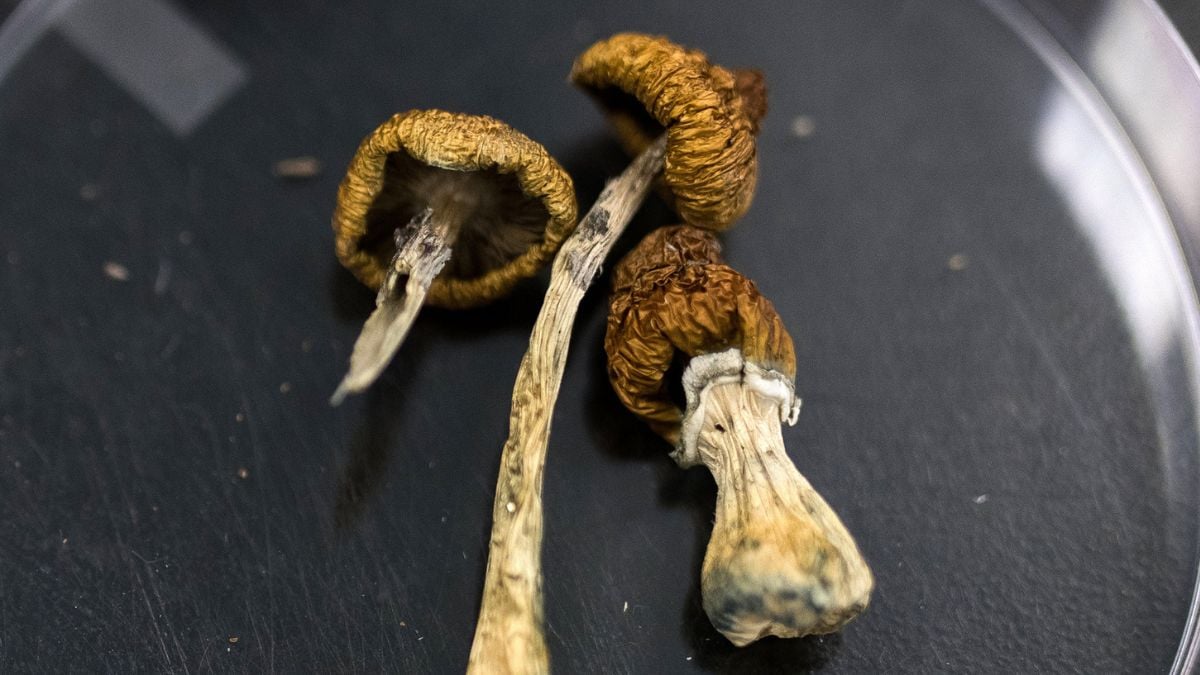
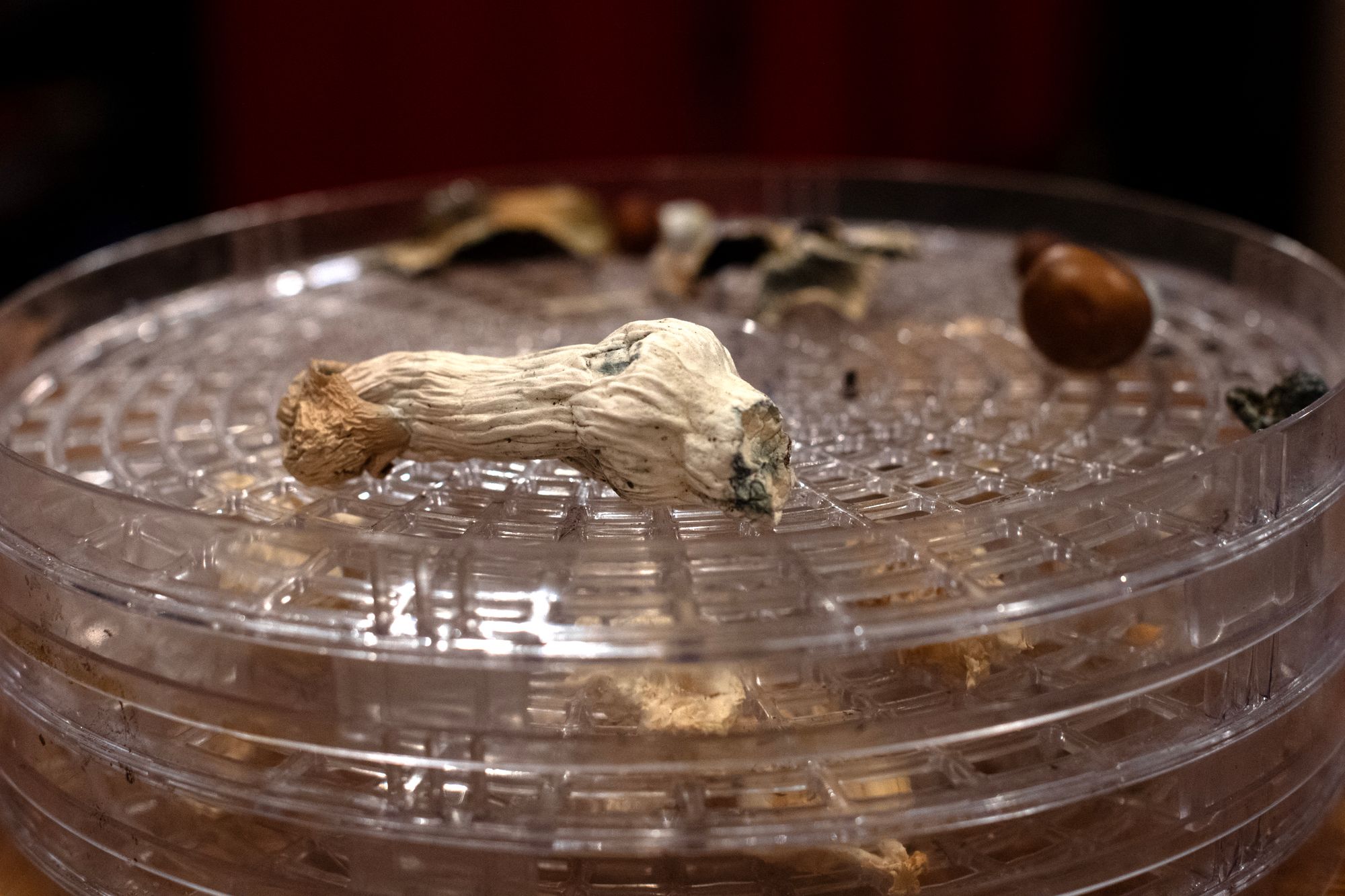
A groundbreaking case study published in Frontiers in Neuroscience documents an 80-year-old Japanese-American woman with severe Alzheimer's disease who regained speech, memory, and motor function after receiving high-dose psilocybin treatment (5 grams of Enigma strain mushrooms). Within 19 hours, the patient—who had been unable to speak beyond monosyllables for 5 years—began speaking spontaneously for hours, with improvements persisting for days. A second 3-gram dose one month later produced similar cognitive and emotional gains. While researchers emphasize these are temporary improvements rather than disease reversal, the findings challenge prevailing assumptions about Alzheimer's irreversibility and align with emerging research into psychedelic-assisted therapies. The case was led by neuroscientist Marcos Lago from the University of São Paulo, with additional validation from Johns Hopkins researcher Albert Garcia-Romeu, who notes psilocybin's potential for reducing depression and anxiety in dementia populations.
Market Context for Sellers: The U.S. Alzheimer's population currently stands at 7 million, projected to reach nearly 13 million by 2050 according to the Alzheimer's Association. This demographic shift creates substantial e-commerce opportunities across multiple categories. The wellness and caregiver support market is experiencing accelerated growth as families seek solutions for cognitive decline management. A recent survey of 3,000+ U.S. adults aged 42-92 found that hallucinogen users reported fewer depressive symptoms and more favorable brain function changes, signaling growing consumer interest in psychedelic-assisted wellness. Several U.S. states are actively exploring therapeutic psilocybin legalization, indicating regulatory momentum that could expand the addressable market for related products and services.
Seller Opportunity Analysis: This breakthrough creates indirect but significant e-commerce opportunities across three primary vectors. First, the caregiver support category—including mobility aids, incontinence management products, communication devices, and daily living aids—will see accelerated demand as families manage Alzheimer's progression. Second, the wellness supplement and cognitive health category is positioned for growth as consumers seek preventative solutions and complementary therapies. Third, health technology platforms serving elderly populations (telehealth, remote monitoring, medication management apps) will benefit from increased consumer awareness and healthcare provider adoption. The case study's emphasis on temporary cognitive recovery also signals potential demand for respite care services, in-home health monitoring equipment, and family support resources—all categories with strong e-commerce penetration. Sellers in health and wellness categories should monitor regulatory developments around psychedelic-assisted therapies, as legalization in additional U.S. states could unlock new product categories and marketing angles targeting both healthcare providers and direct-to-consumer wellness audiences.
Questions 8
What immediate actions should sellers take based on this news?
Sellers should monitor regulatory developments around psilocybin legalization in U.S. states, as this could unlock new product categories and marketing opportunities. Simultaneously, develop or expand product offerings in caregiver support, cognitive health supplements, and elderly wellness technology categories to capture growing demand from the 7 million+ Alzheimer's patient population. Consider partnerships with healthcare providers, senior living facilities, and family caregiver networks. Track clinical trial progress and consumer sentiment around psychedelic-assisted therapies to identify emerging product opportunities and marketing angles for 2025-2026.
How does this research align with other psychedelic-assisted therapy developments?
The psilocybin findings align with emerging research into psychedelic-assisted therapies more broadly. MDMA-assisted therapy shows promise for PTSD treatment, while psilocybin demonstrates efficacy for treatment-resistant depression. A pilot study is already underway evaluating psilocybin's effects on depression and quality of life in patients with mild cognitive impairment or early-stage Alzheimer's. This convergence of research suggests psychedelic compounds may have broader neurological applications beyond current treatment paradigms, supporting long-term market growth in psychedelic-assisted wellness.