



South Asia Security Crisis Disrupts Cross-Border Trade Routes | Pakistan-Afghanistan Tensions Impact E-Commerce Logistics
- Regional military escalation threatens supply chains for 50K+ sellers shipping through Pakistan-Afghanistan corridors; customs delays and insurance costs expected to rise 15-25% in coming weeks


)

)



























Overview
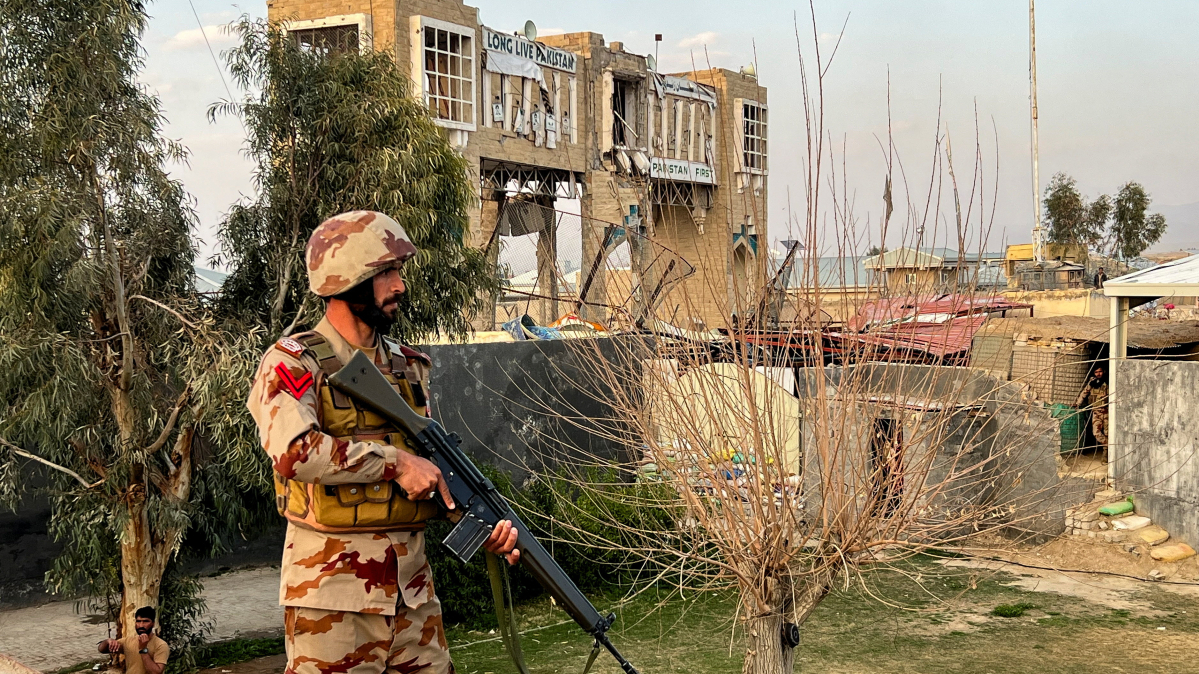
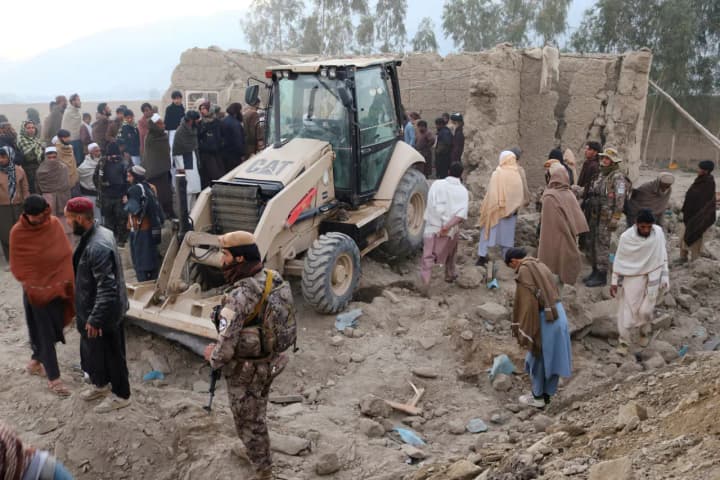
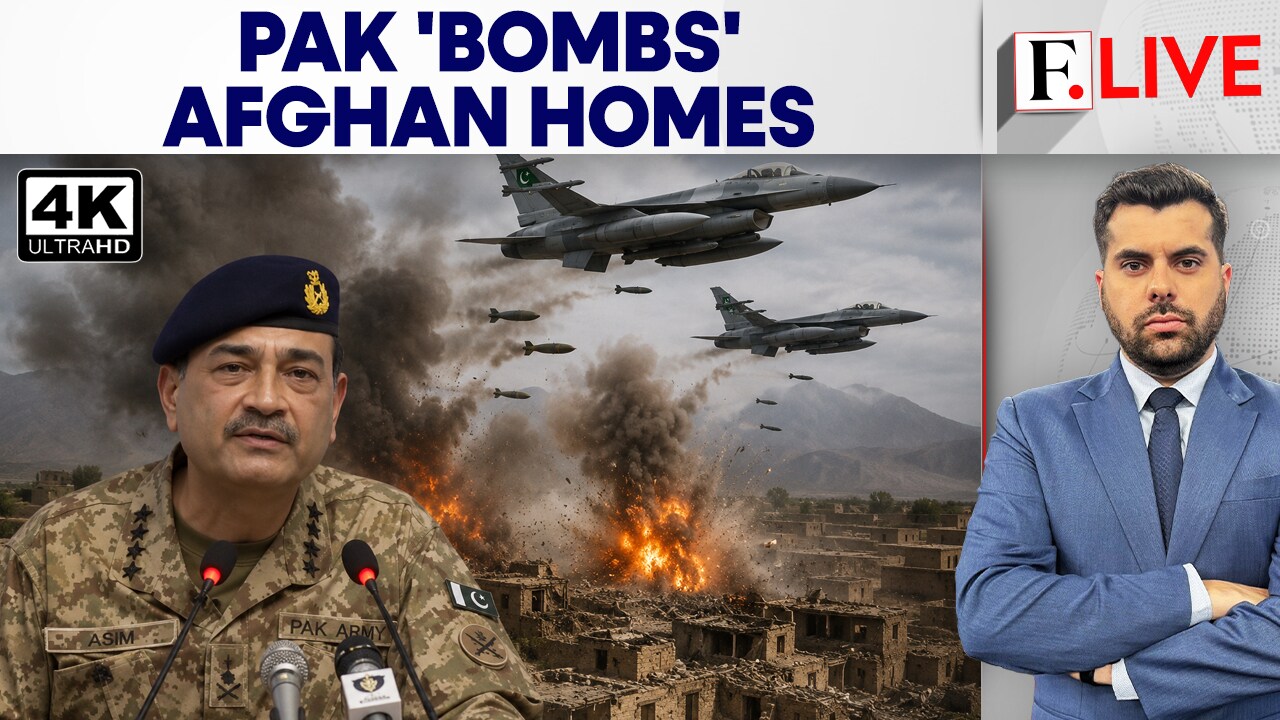
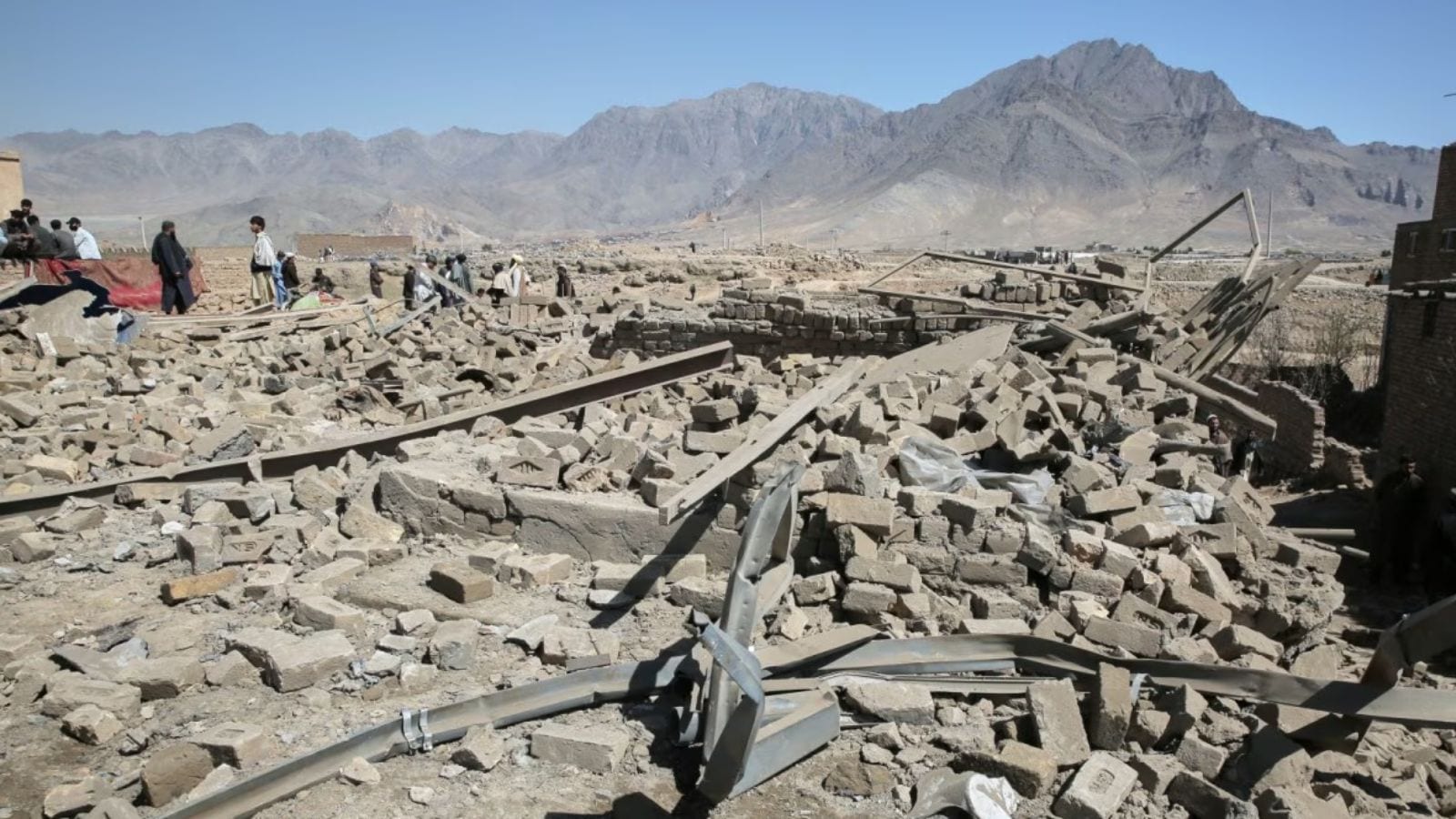
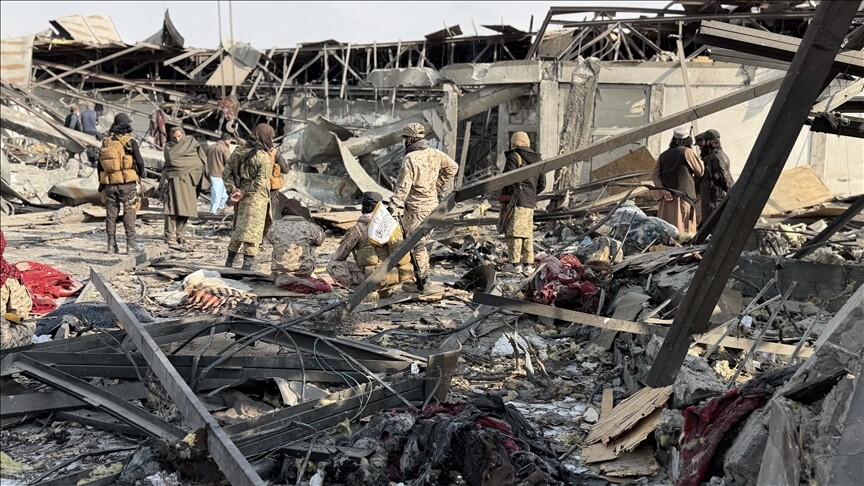
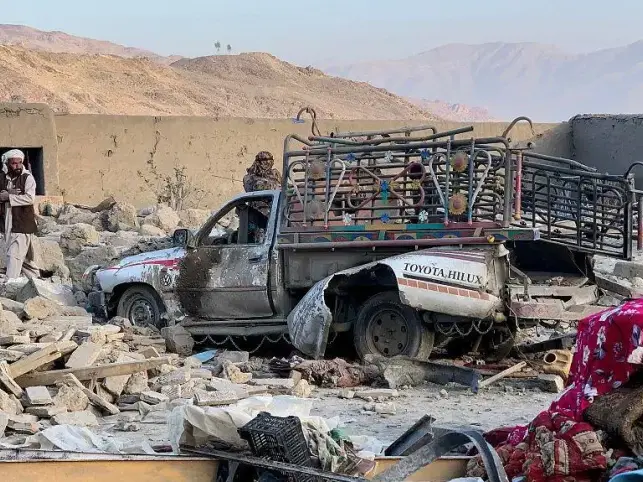
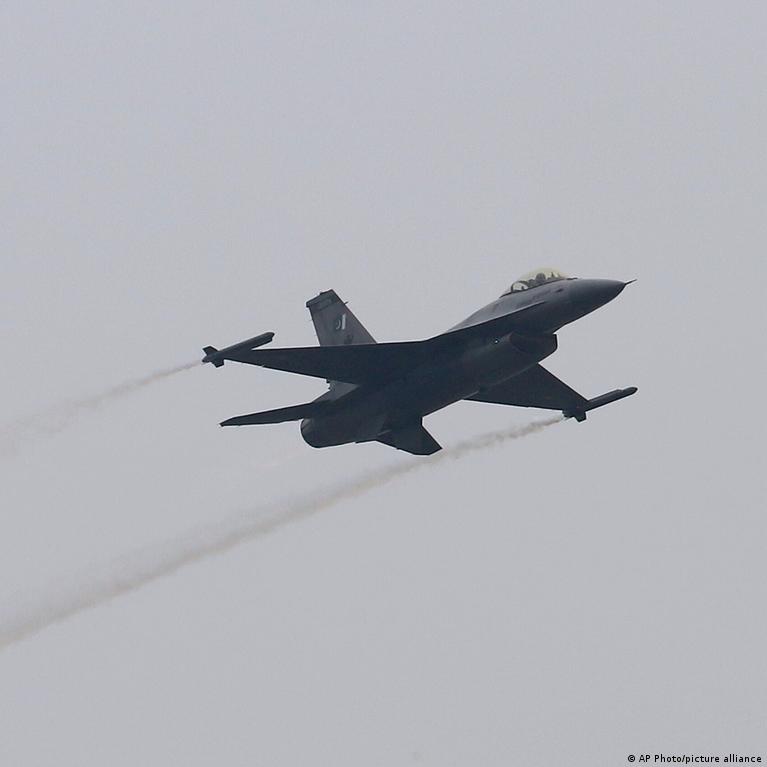
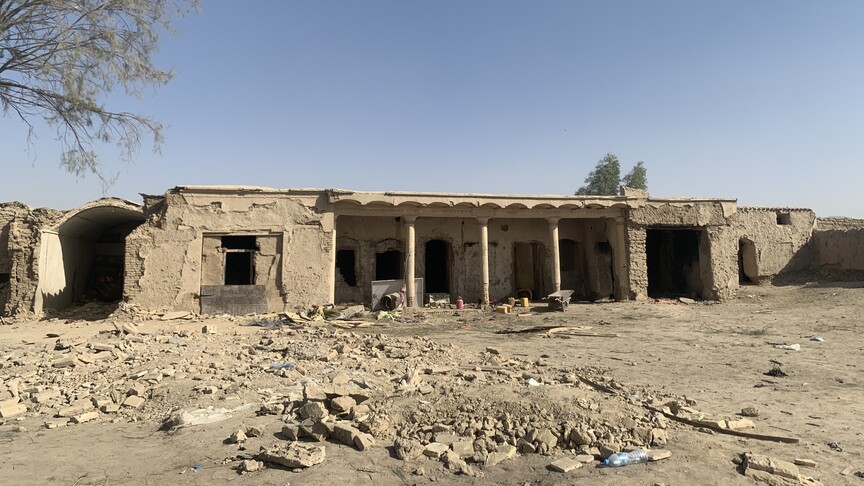
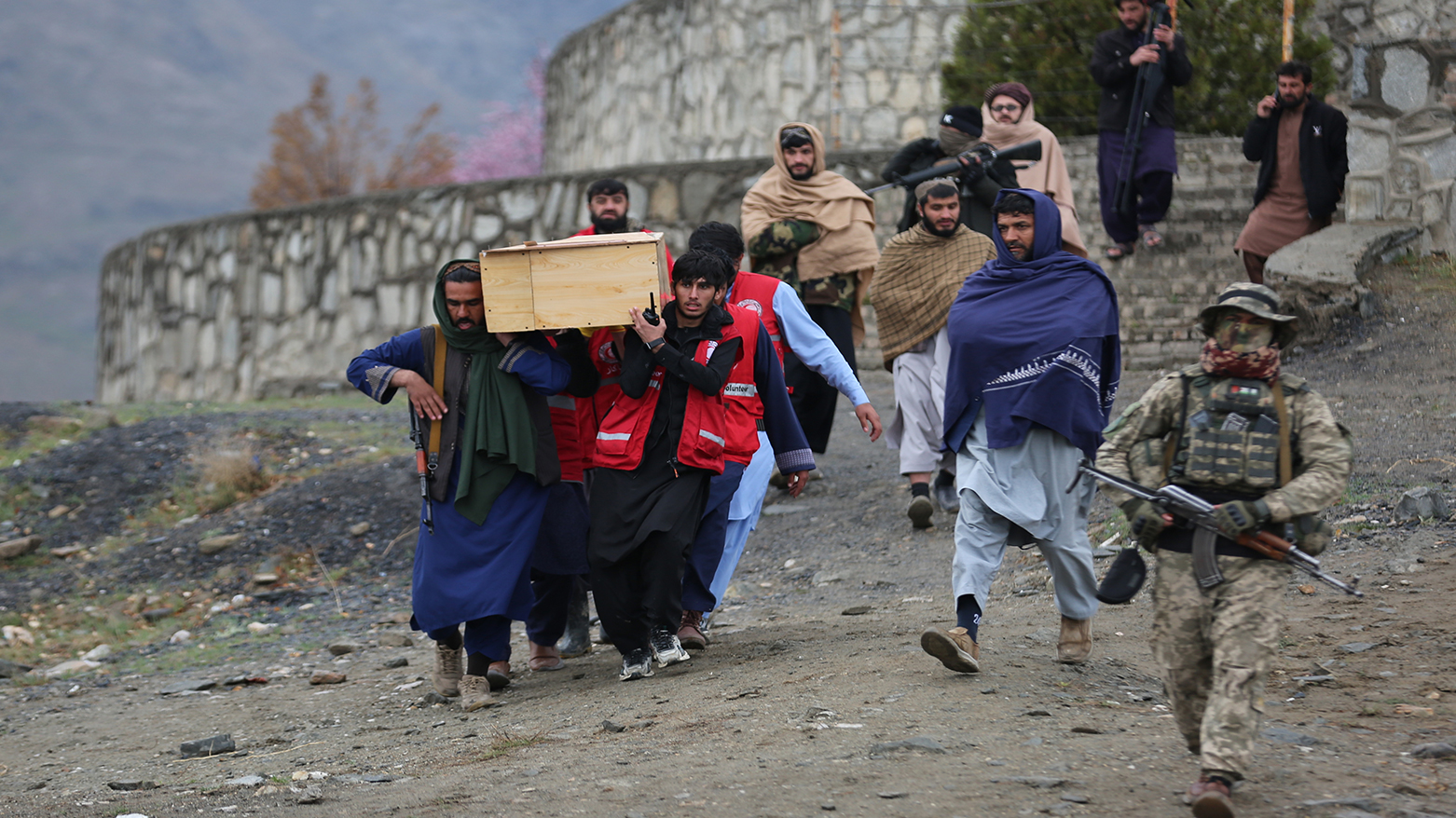
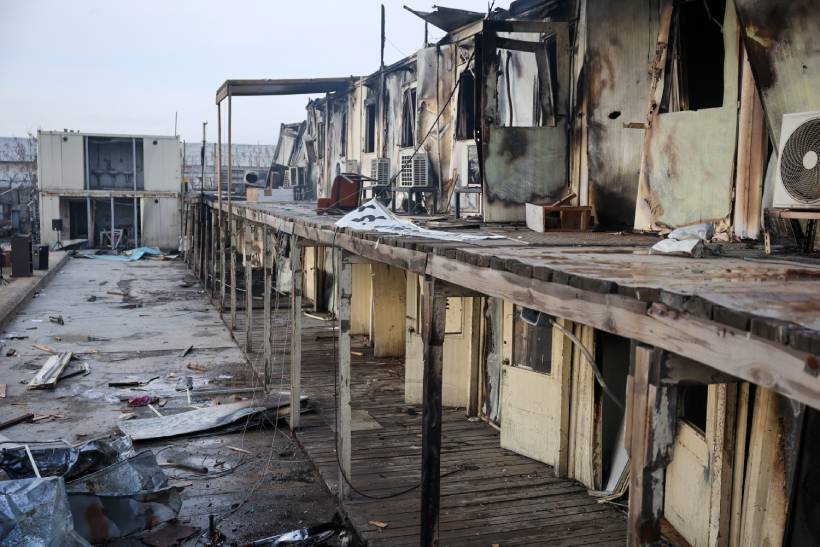
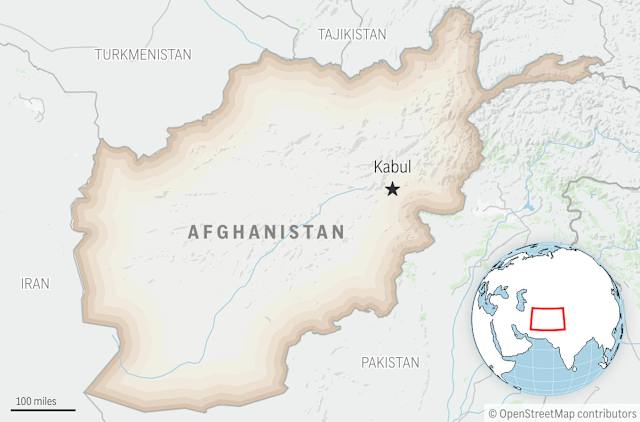
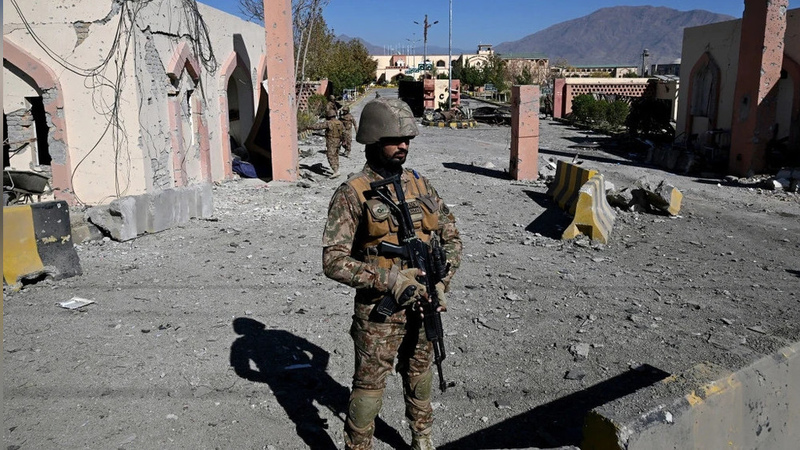
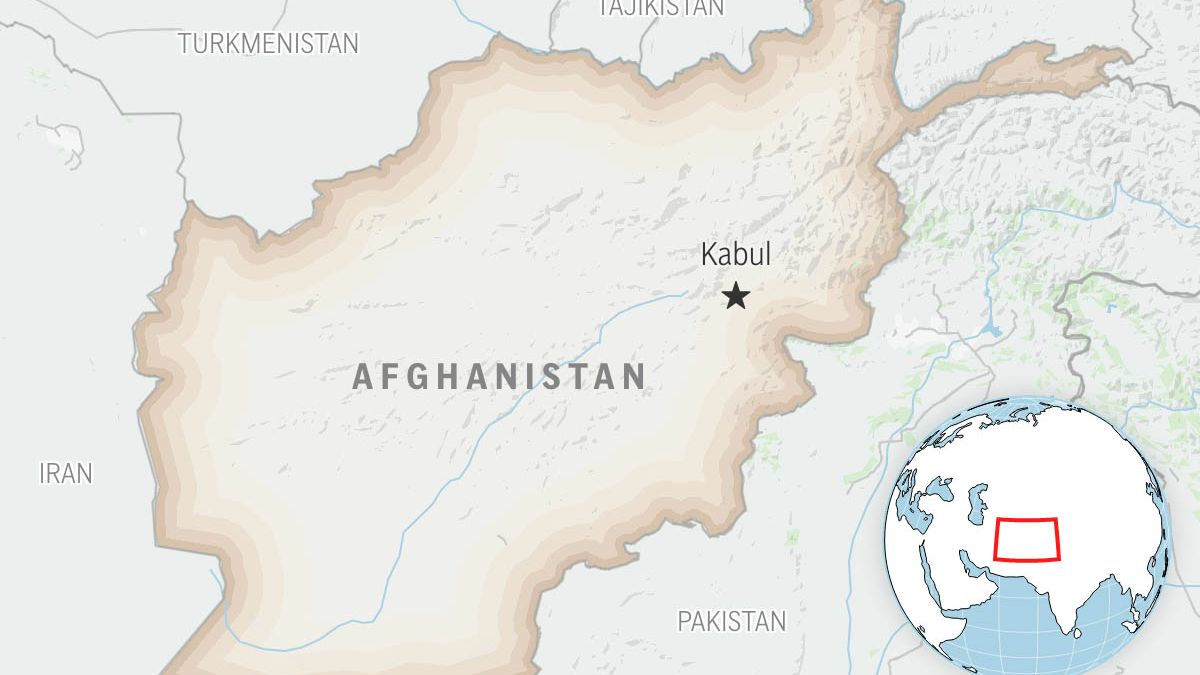
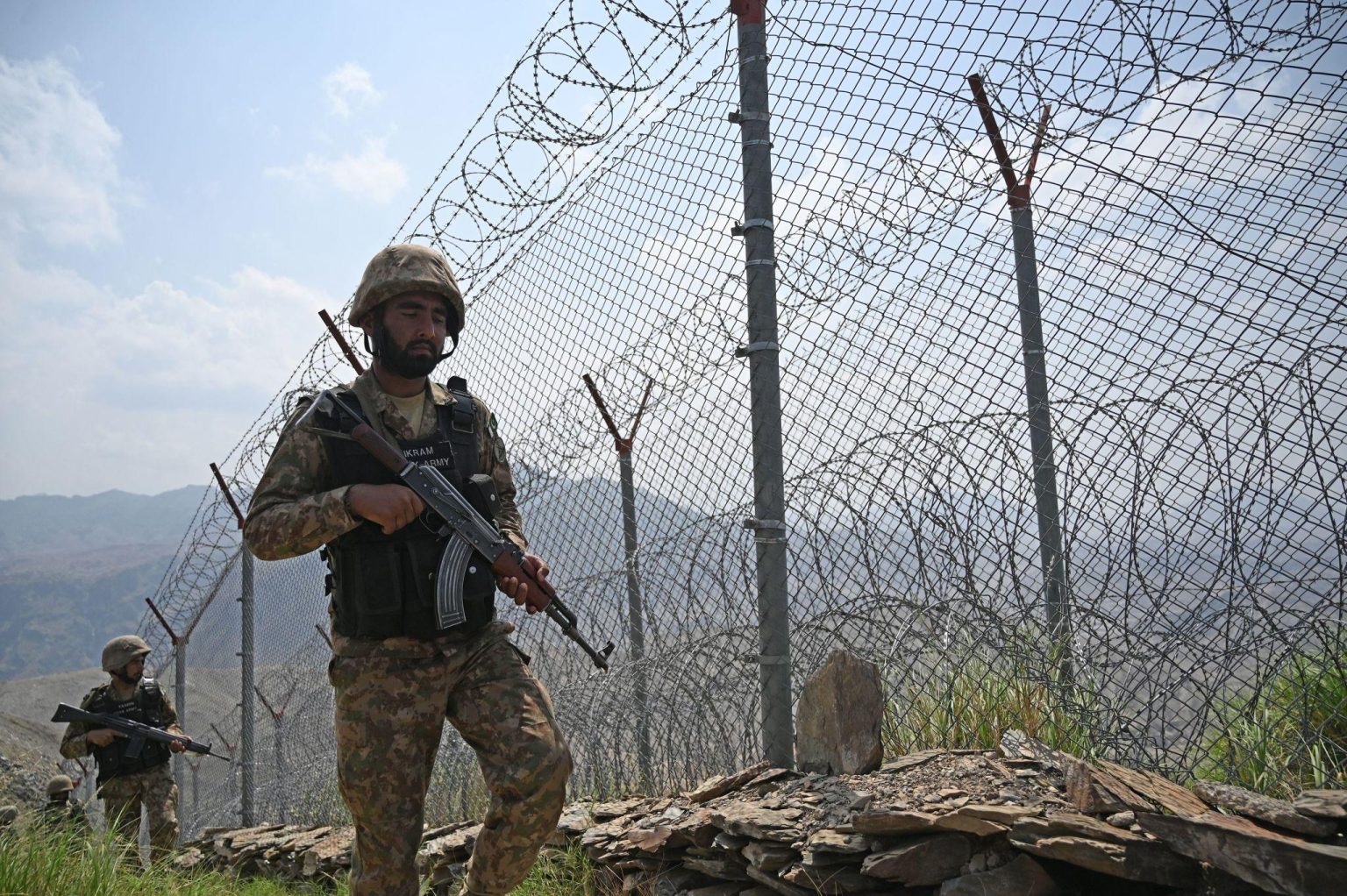
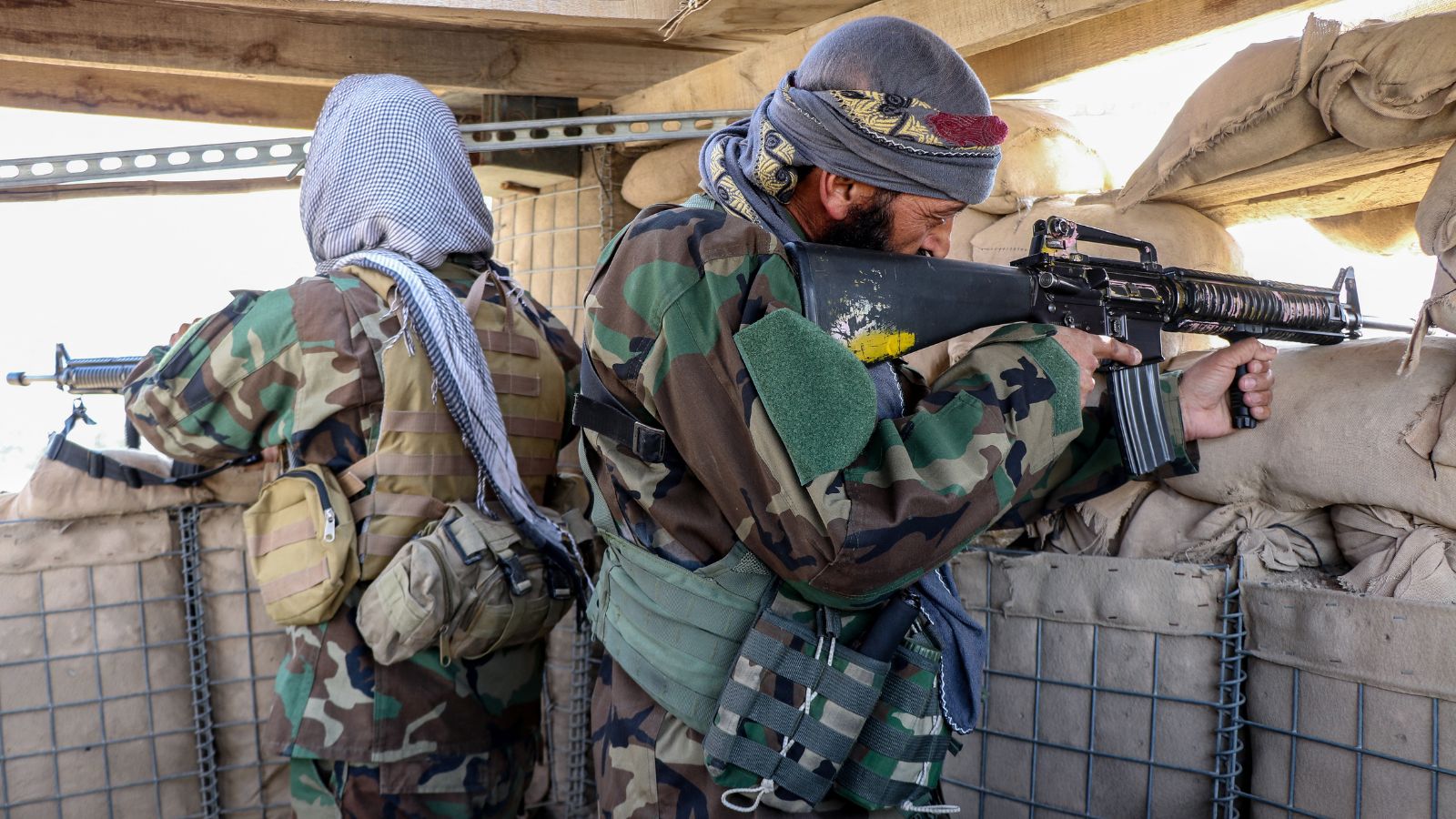
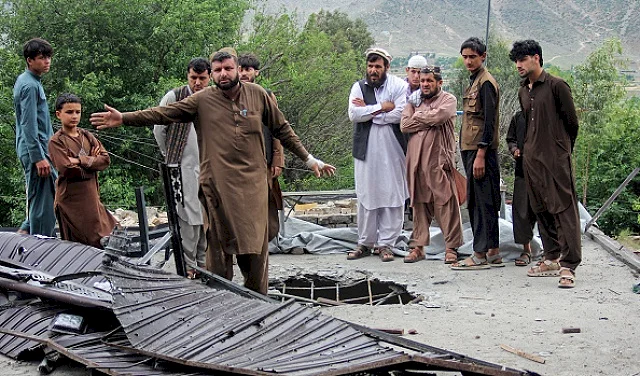
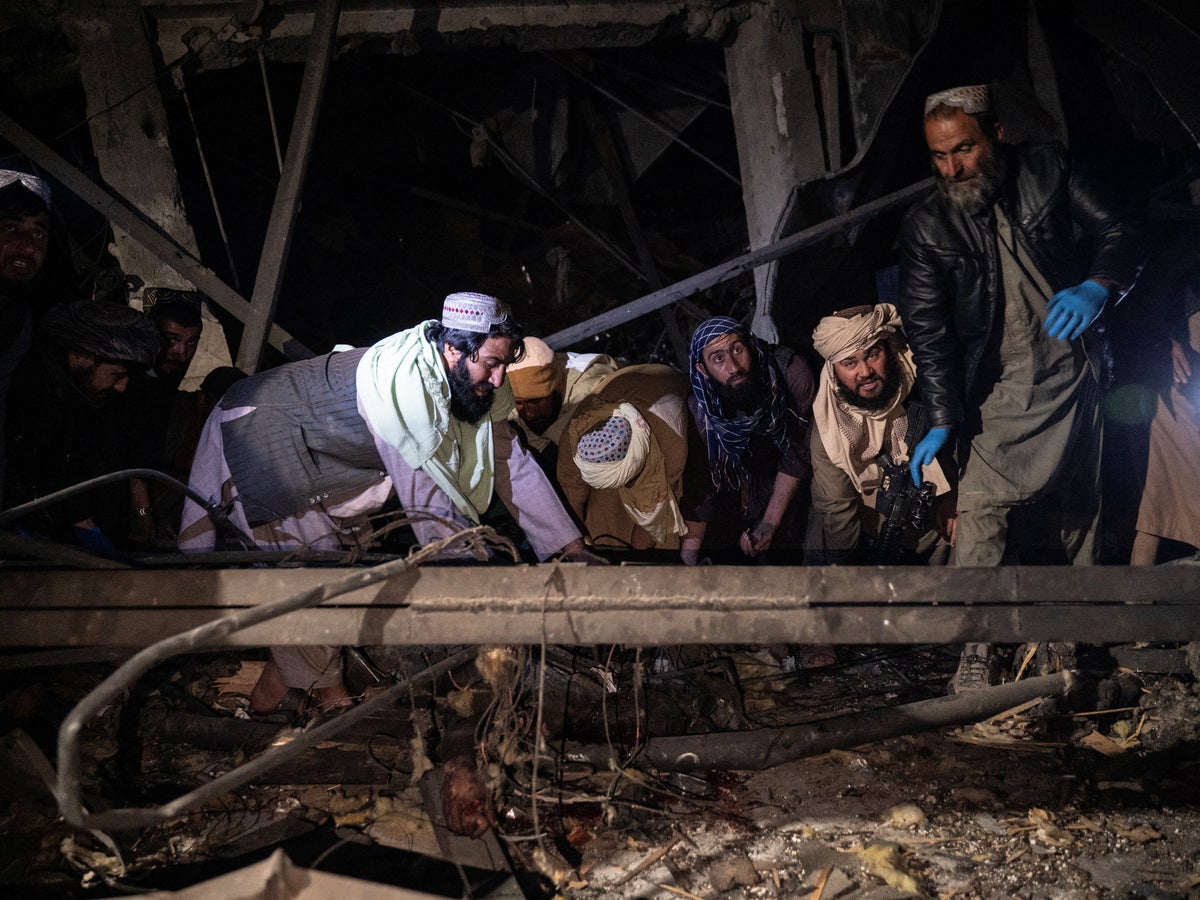
The Pakistani military airstrikes targeting militant positions in Afghanistan, resulting in at least 13 deaths according to Taliban officials, represent a critical escalation in cross-border military operations that directly impacts e-commerce logistics networks serving South Asia. This incident reflects deepening tensions between Pakistan and Afghanistan over militant groups operating in border regions—specifically the Tehrik-i-Taliban Pakistan (TTP)—which creates immediate operational risks for cross-border sellers relying on Pakistan-Afghanistan trade corridors.
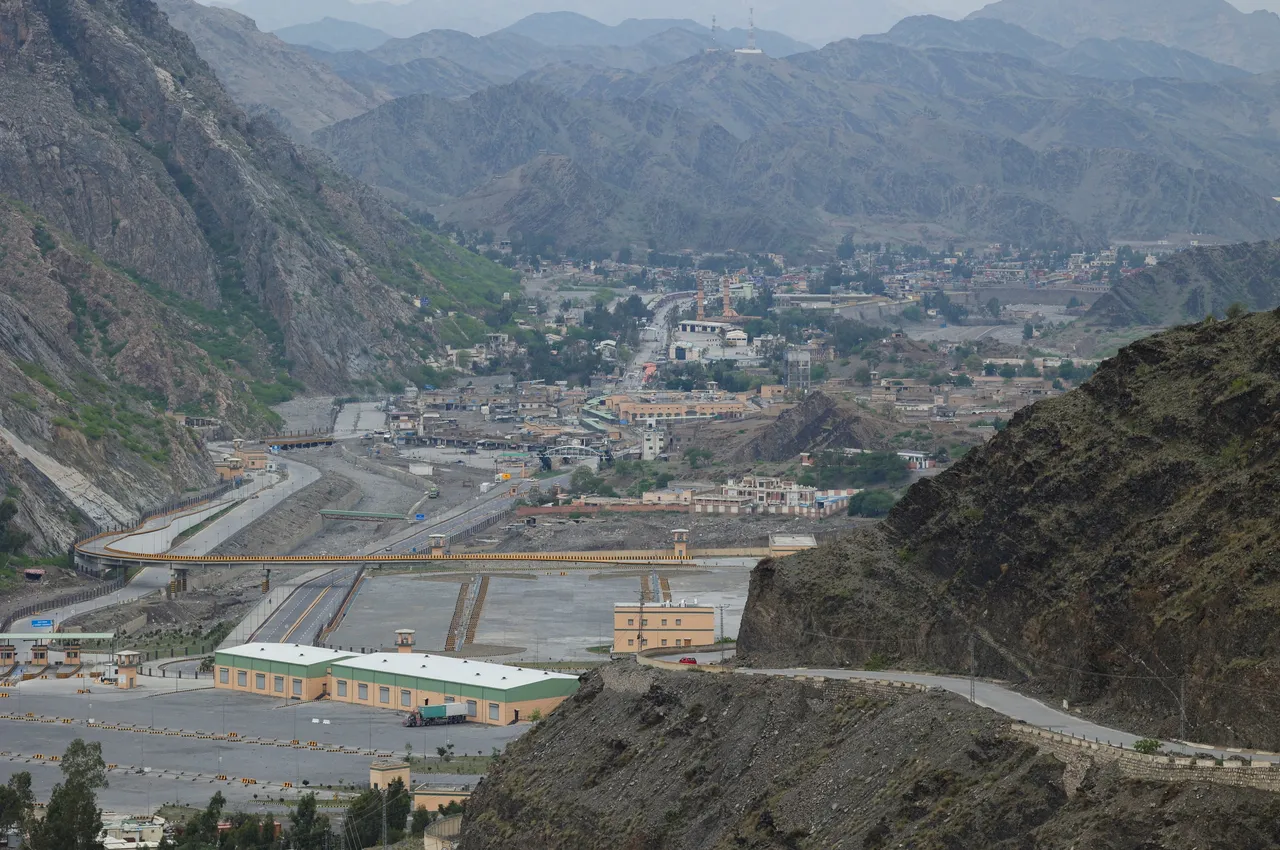
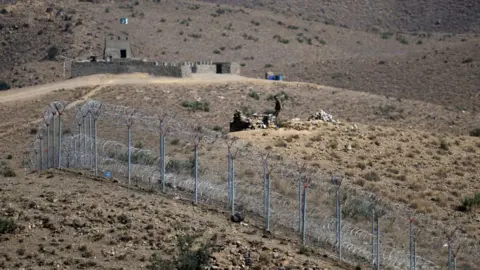
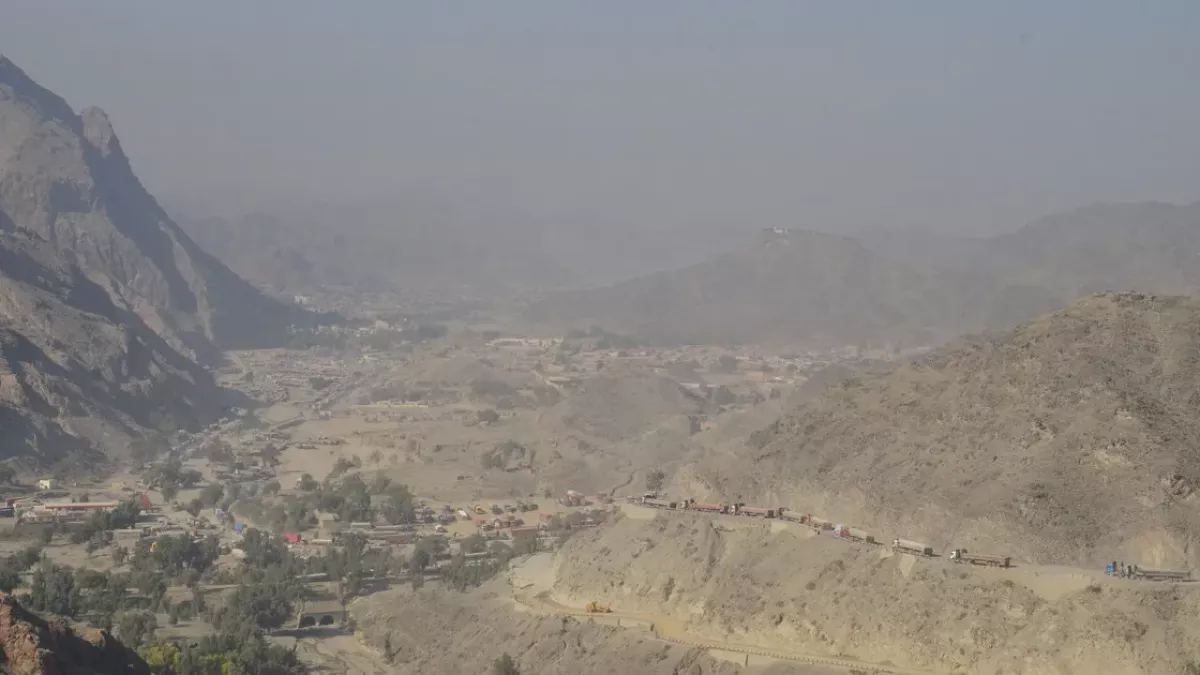
Supply Chain and Logistics Impact: The military escalation directly threatens the Pakistan-Afghanistan border region, a critical transit zone for e-commerce shipments moving between South Asian markets and Central Asia. Sellers shipping electronics, textiles, and consumer goods through Karachi ports and overland routes face increased customs scrutiny, potential border closures, and elevated insurance premiums. Historical precedent from 2022-2023 militant incidents shows similar escalations triggered 10-21 day shipping delays and 12-18% insurance cost increases for goods transiting the region. The "porous frontiers" and "weak enforcement mechanisms" cited in the news create unpredictable clearance timelines—critical for sellers managing inventory on Amazon, eBay, and Shopify with tight fulfillment windows.
Market-Specific Vulnerabilities: Sellers operating in Pakistan-based 3PL networks, particularly those serving Afghanistan, Central Asia, and South Asian markets, face immediate operational disruption. The news explicitly notes "difficulty of coordinating security efforts between neighboring nations," suggesting customs coordination will deteriorate. Sellers shipping apparel, electronics, and home goods through Pakistani fulfillment centers should expect 15-25% cost increases for border-crossing insurance and potential 2-4 week delays. The Taliban's sovereignty concerns and Pakistan's counterterrorism justifications indicate this conflict will persist, creating sustained logistics friction rather than a temporary incident.
Regional Economic Signals: The escalation signals broader instability in South Asia's trade infrastructure. Sellers with inventory positioned in Pakistan or relying on Pakistan-Afghanistan-Central Asia supply chains face compounding risks: military operations disrupt ground transport, customs authorities implement stricter documentation requirements, and insurance providers increase premiums for high-risk corridors. The "ongoing struggle against militant extremism" language indicates this represents a pattern rather than isolated incident, suggesting sellers should plan for sustained elevated costs and delays through 2025.
Questions 8
What insurance and compliance costs should sellers budget for Pakistan-Afghanistan corridor shipping?
Border security incidents typically trigger 12-25% increases in political risk insurance premiums for goods transiting Pakistan-Afghanistan corridors. A standard $50,000 shipment might see insurance costs rise from $500-800 to $600-1,000 per crossing. Additionally, sellers should budget for enhanced customs documentation (adding $200-400 per shipment) and potential demurrage charges at Karachi port if clearance delays exceed 5 days ($100-300/day). Total cost impact: $1,000-2,500 per shipment, or 2-5% of typical goods value. Sellers should review insurance policies immediately and consider self-insuring smaller shipments or consolidating shipments to reduce frequency of border crossings.
How long do Pakistan-Afghanistan military escalations typically disrupt cross-border trade?
Historical precedent from 2022-2023 TTP incidents shows military escalations create 4-8 week periods of elevated logistics costs and delays, with full normalization taking 8-12 weeks. The current airstrikes targeting militant positions suggest this will persist beyond immediate incident resolution because the underlying conflict (Pakistan's counterterrorism operations vs. Afghan sovereignty concerns) remains unresolved. Sellers should plan for sustained elevated costs through Q1 2025 and monitor international diplomatic efforts—if Islamabad and Kabul engage in dialogue (as observers are calling for), normalization could accelerate. Set internal review checkpoints at 2-week intervals to reassess routing and insurance strategies.