




China's 3.9% PPI Surge May 2026 | Critical Cost Pressures for Cross-Border Sellers Sourcing Electronics & AI Hardware
- Producer inflation jumps 39 basis points month-over-month; non-ferrous metals surge 22%, energy costs up 10%; consumer inflation stalls at 1.2%, creating 2.7% margin compression gap for Chinese manufacturers and supply chain disruption risks for Amazon/eBay sellers



















)





Overview
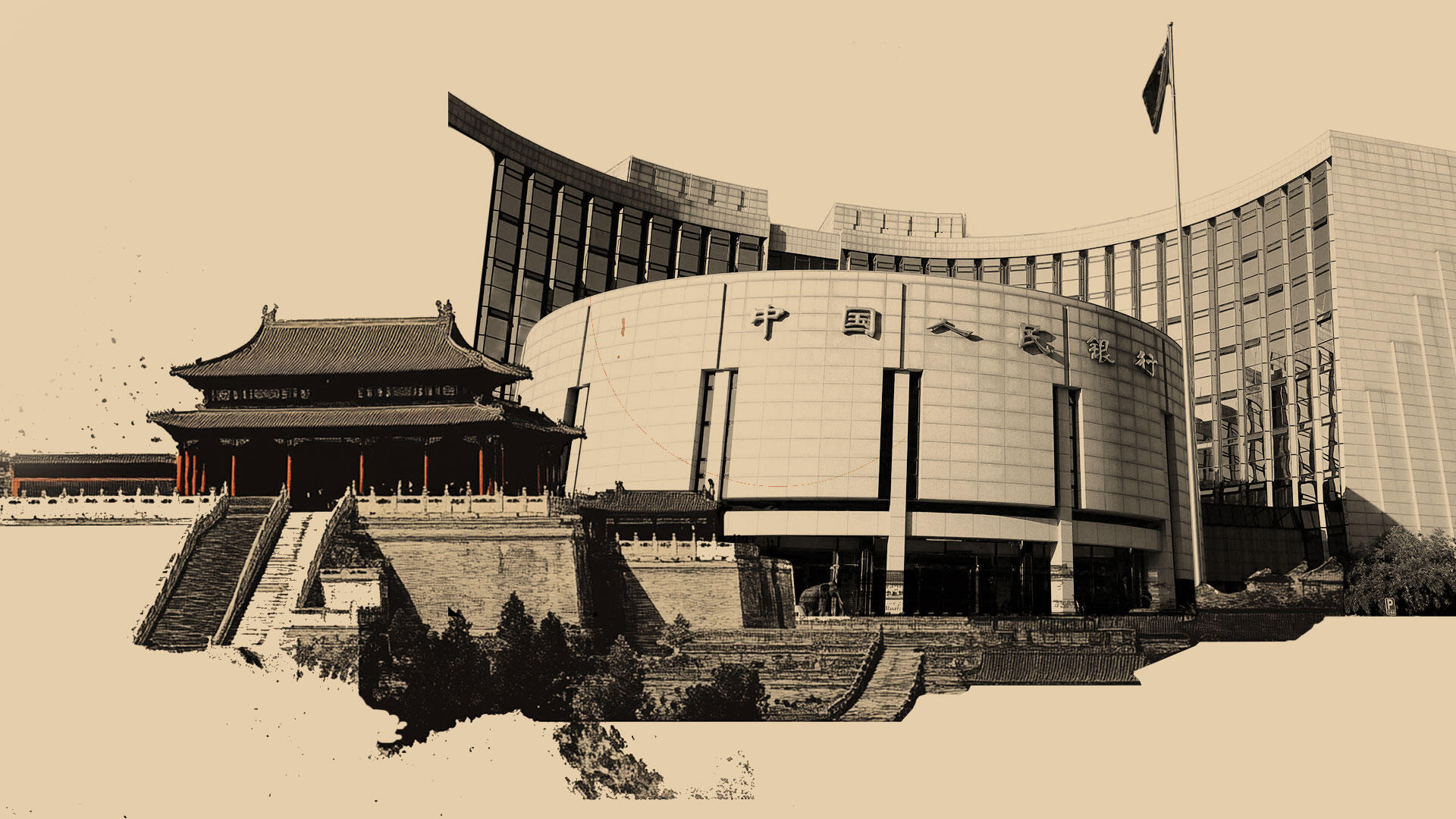
China's producer price index (PPI) surged to 3.9% year-over-year in May 2026—the highest level in nearly four years—creating a critical cost inflection point for cross-border e-commerce sellers sourcing from China. The National Bureau of Statistics data reveals a structural divergence: while factory-gate inflation accelerates sharply, consumer inflation stalls at just 1.2%, creating a 2.7 percentage-point margin compression gap that directly threatens Chinese manufacturers' profitability and supply chain stability.
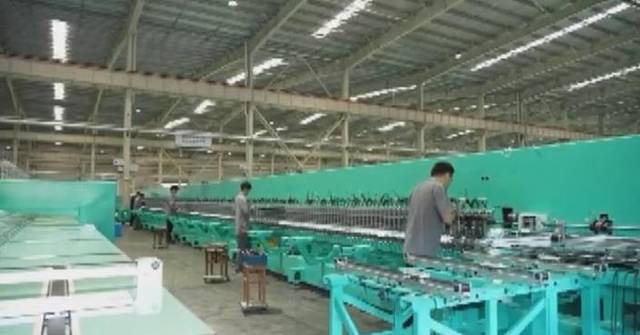
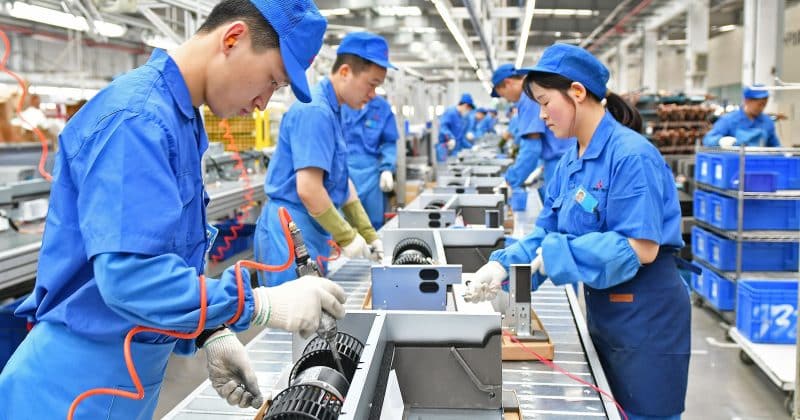
The dual-shock inflation driver creates immediate sourcing cost pressures. Iran war-induced Strait of Hormuz disruptions have driven fuel and power costs up 10% year-over-year (from 4.4% in April), while non-ferrous metal materials and wires surged 22%—critical inputs for electronics, electrical machinery, and computer hardware categories. Non-ferrous metal mining led sectoral gains at 36.5% year-over-year, with smelting up 24%. For sellers sourcing smartphones, tablets, networking equipment, and AI-related hardware (optical fiber, copper wiring, semiconductor packaging), this translates to 8-15% manufacturing cost increases within 2-4 months. Mobile phone and tablet computer costs already jumped 1.6% and 1.1% respectively at factory gates, while optical fiber and wire surged 8% and 1.2%.
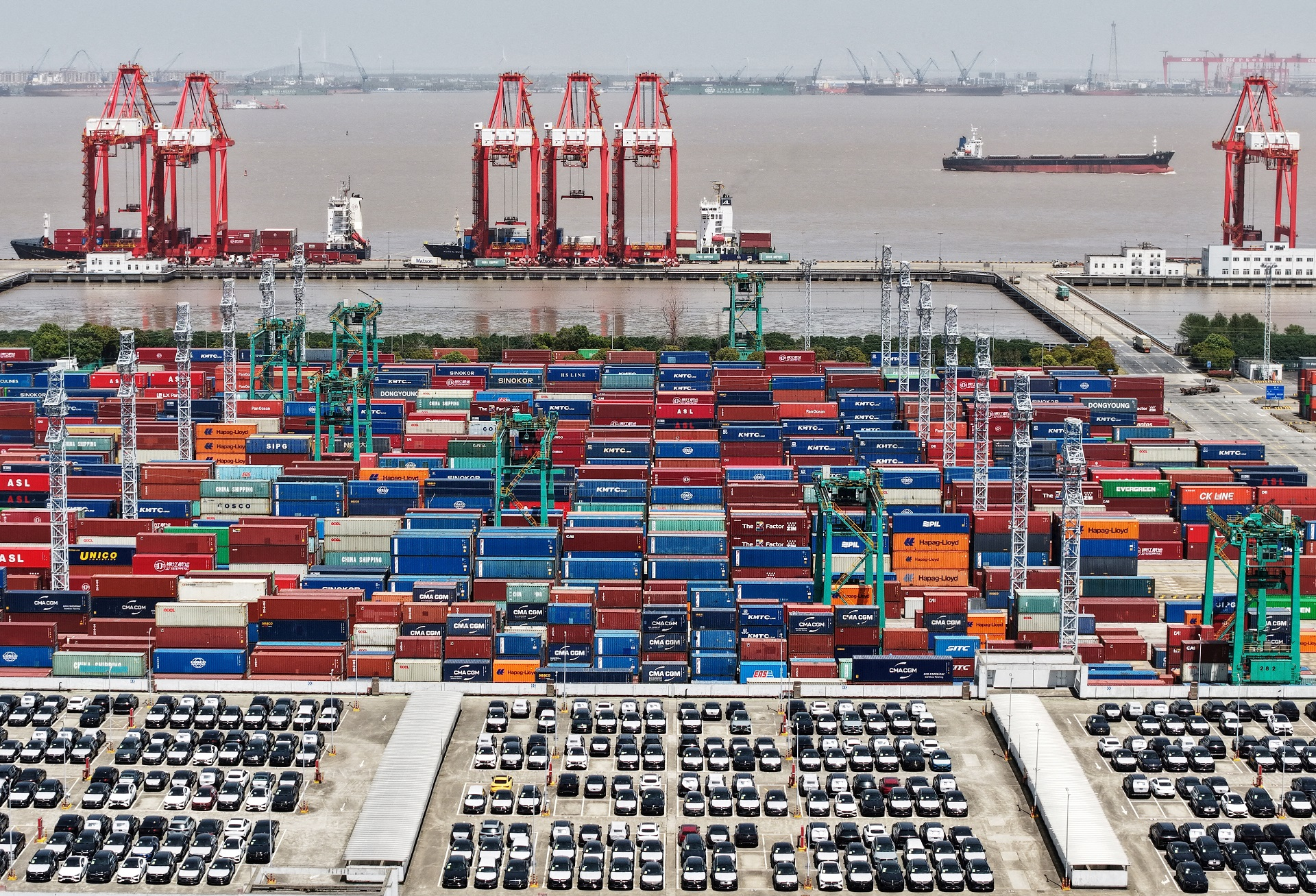
The margin compression trap creates strategic sourcing opportunities and risks. Chinese factories face simultaneous input cost pressures and insufficient pricing power to pass expenses downstream due to weak domestic demand and oversupply. This creates two divergent seller scenarios: (1) Cost-absorption risk: Sellers relying on fixed-price supplier contracts face 8-12% margin compression on electronics, home appliances, and industrial equipment categories; (2) Negotiation window: Sellers with flexible supplier relationships can renegotiate pricing before the 2-4 month lag closes, potentially locking in current rates before Q3 2026 retail price adjustments. Export growth remained resilient at 19.4% year-over-year in May—the largest jump in three months—driven by soaring demand for renewable and AI-related goods, indicating Chinese manufacturers are prioritizing export orders to escape domestic margin pressure.
The policy-driven arbitrage opportunity centers on category selection and sourcing timing. AI-related hardware categories (server components, networking equipment, data center infrastructure) show strongest export momentum despite cost pressures, suggesting Chinese suppliers are absorbing costs to maintain market share in high-growth segments. Conversely, consumer-facing categories (home appliances, passenger cars, major appliances) saw retail sales plunge approximately 20% in May, signaling manufacturers in these segments face both cost pressures AND demand weakness—creating potential supplier distress and negotiation leverage for bulk buyers. The 16% plunge in pork prices and broader food deflation (down 1.7%) indicates deflationary pressures in commodity-dependent categories, creating potential sourcing opportunities in food-related e-commerce (specialty foods, supplements, agricultural products) where supplier margins are being compressed hardest.
Questions 8
How does the Iran war's impact on oil prices affect my supply chain timeline?
The Strait of Hormuz disruption has driven fuel and power costs up 10% year-over-year (from 4.4% in April), directly impacting manufacturing and logistics costs. This creates two timeline risks: (1) Manufacturing delays if suppliers reduce production due to margin pressure, potentially extending lead times by 2-4 weeks; (2) Logistics cost increases as shipping fuel surcharges rise, affecting both air freight and ocean freight rates. Monitor commodity price movements and supplier announcements closely. The geopolitical context suggests sustained price pressures in the near term. Consider pre-positioning inventory in US/EU fulfillment centers before Q3 2026 to avoid potential supply disruptions and rising logistics costs.
Why is consumer inflation stalling while factory costs surge in China?
China's 1.2% consumer inflation (CPI) versus 3.9% producer inflation (PPI) reflects weak domestic demand and oversupply preventing manufacturers from passing costs to consumers. Retail sales of passenger cars and major home appliances plunged 20% in May, signaling consumer reluctance to spend on big-ticket items. Weak household confidence, persistent property market slump, and bleak job market suppress domestic consumption. This creates the margin compression trap: Chinese factories absorb rising input costs (fuel +10%, metals +22%) without pricing power, forcing them to either reduce production or shift burden to export buyers. For cross-border sellers, this means suppliers are prioritizing export orders to escape domestic margin pressure, creating both opportunity (export-focused suppliers may negotiate) and risk (potential supply disruptions if manufacturers reduce overall production).