


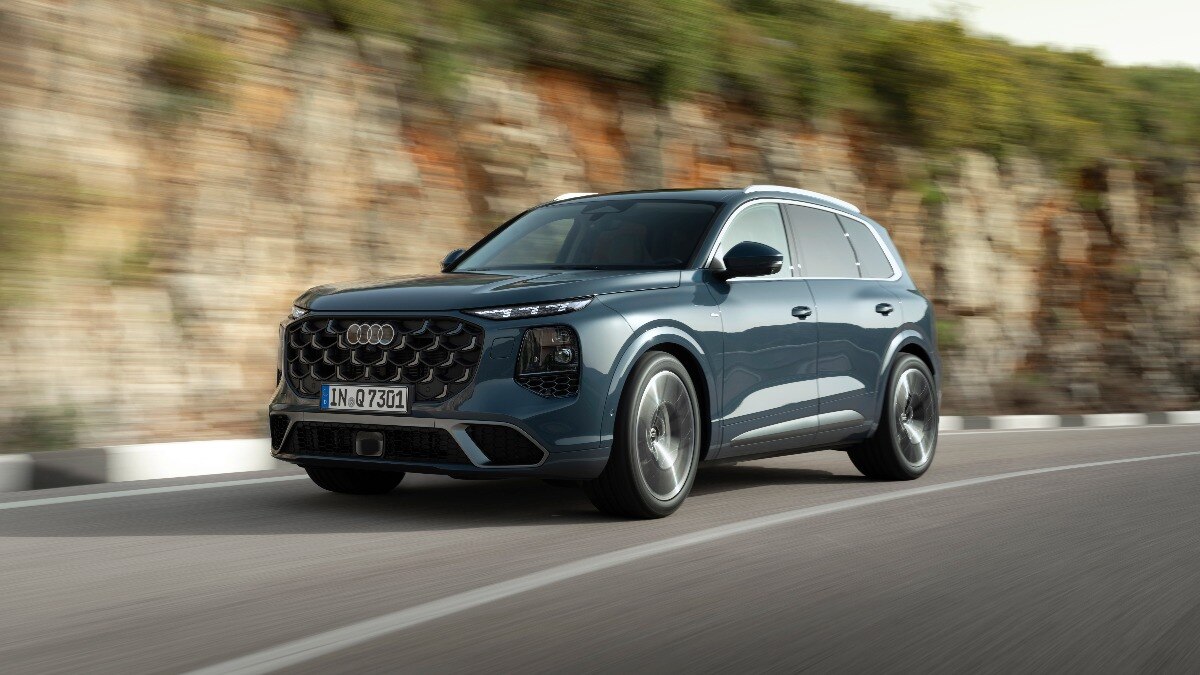
Audi's Regional Powertrain Strategy Reveals Premium Buyer Segmentation Opportunities for Automotive Aftermarket Sellers
- Diesel-only European Q7 launch signals persistent luxury buyer preference despite 6.7% market share; aftermarket parts sellers can capitalize on regional powertrain divergence and 18-month engine lineup expansion window (late 2026-early 2027)
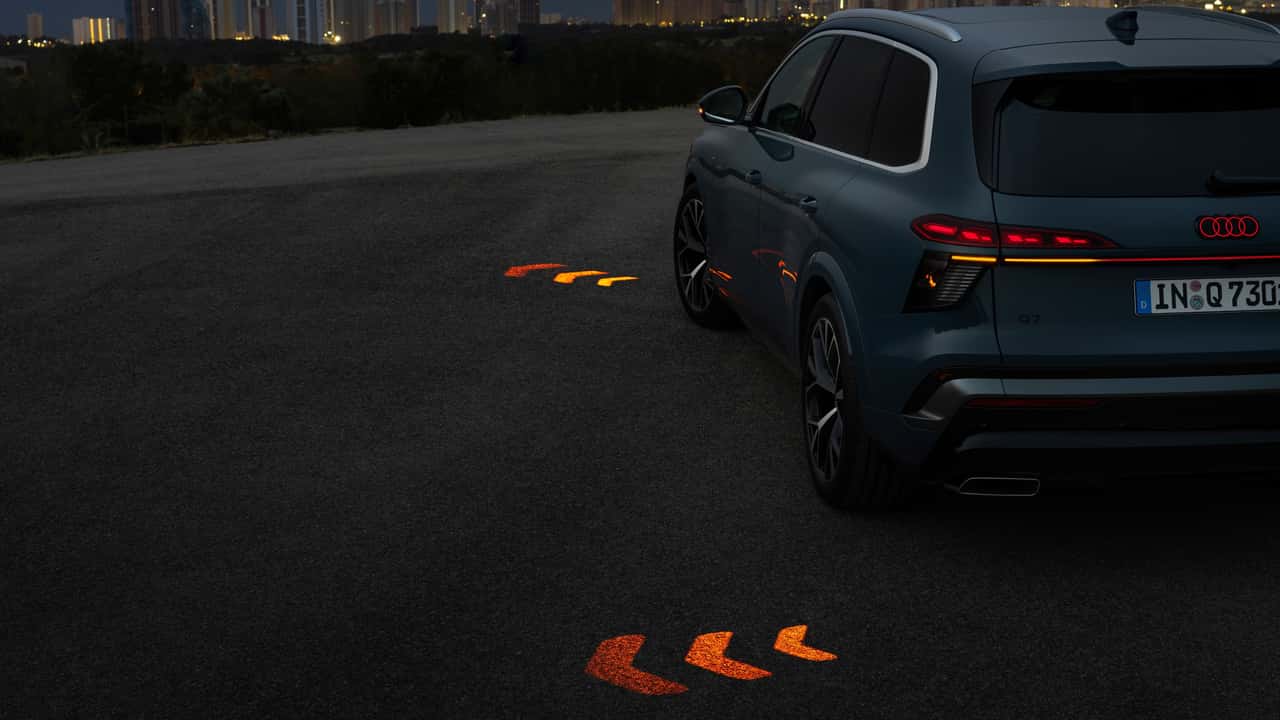

Overview
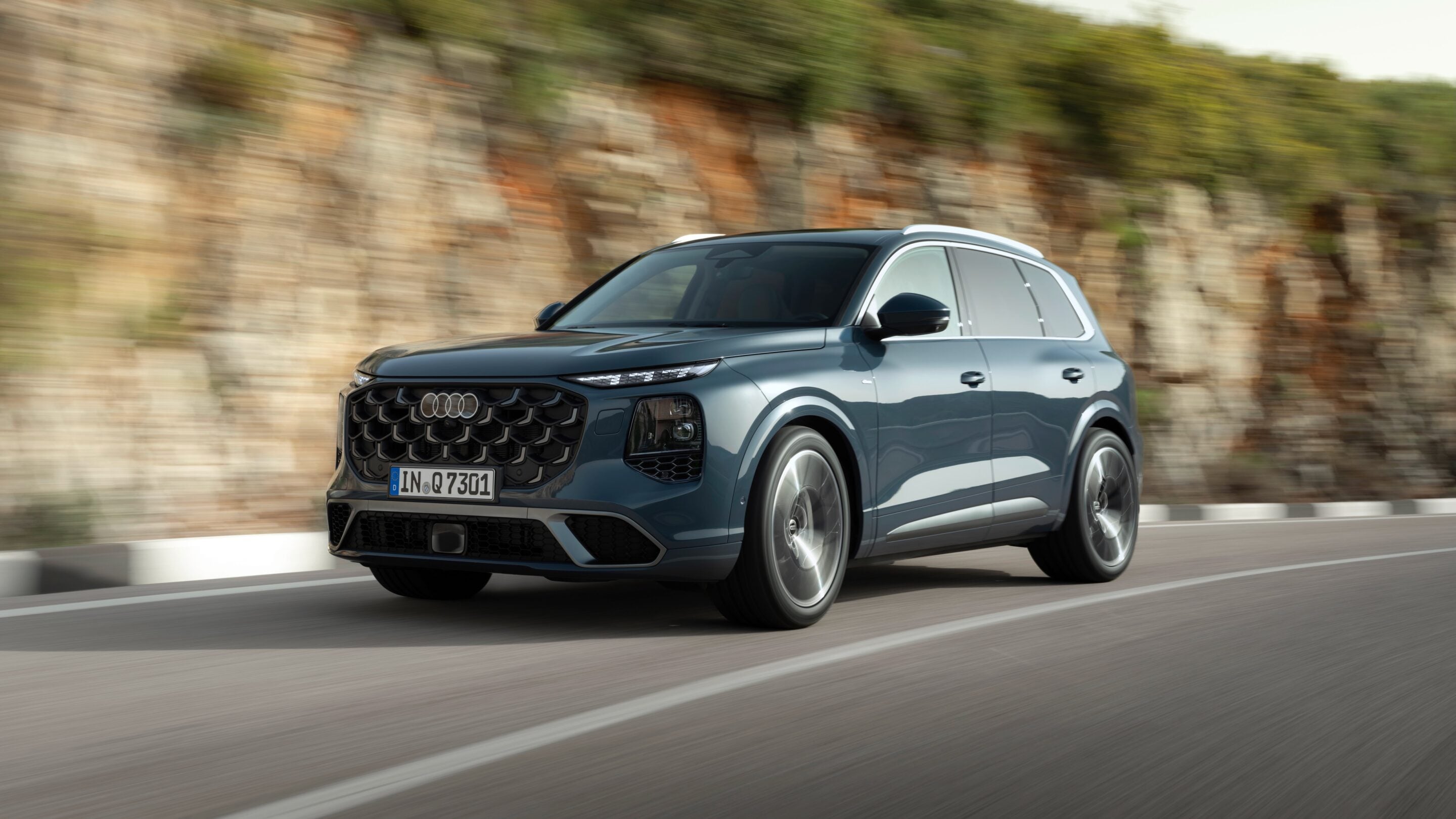
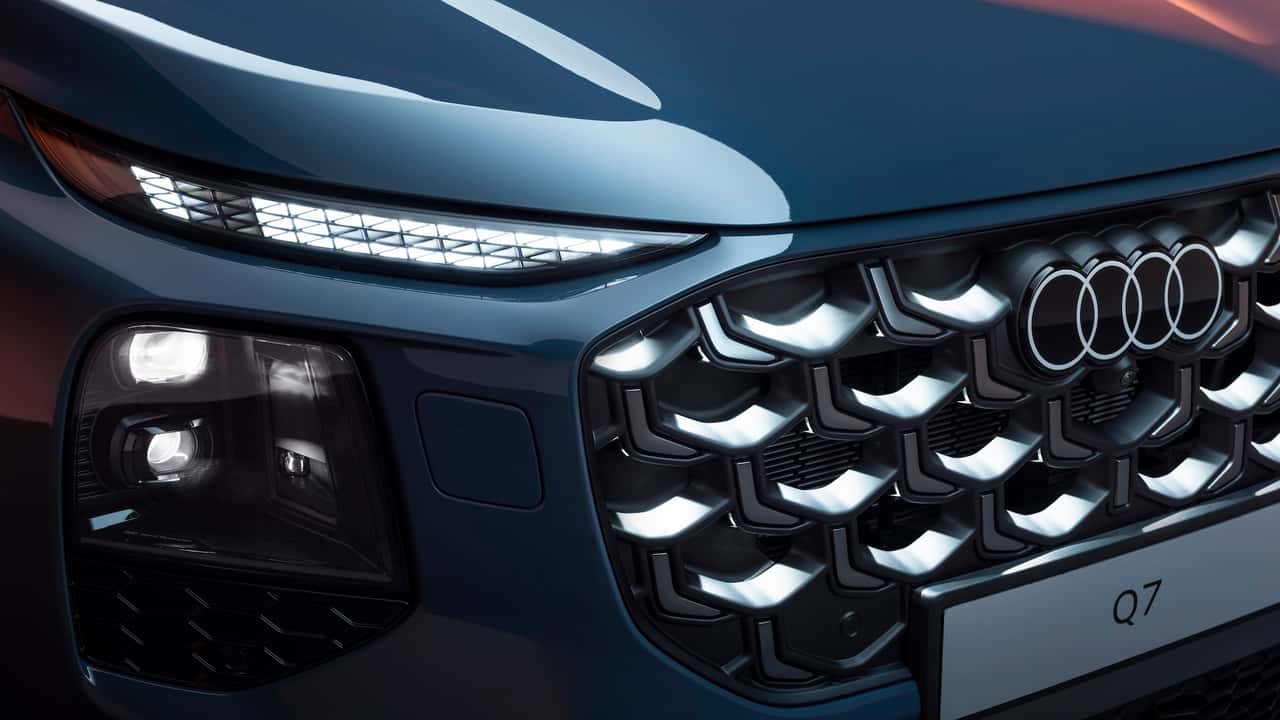
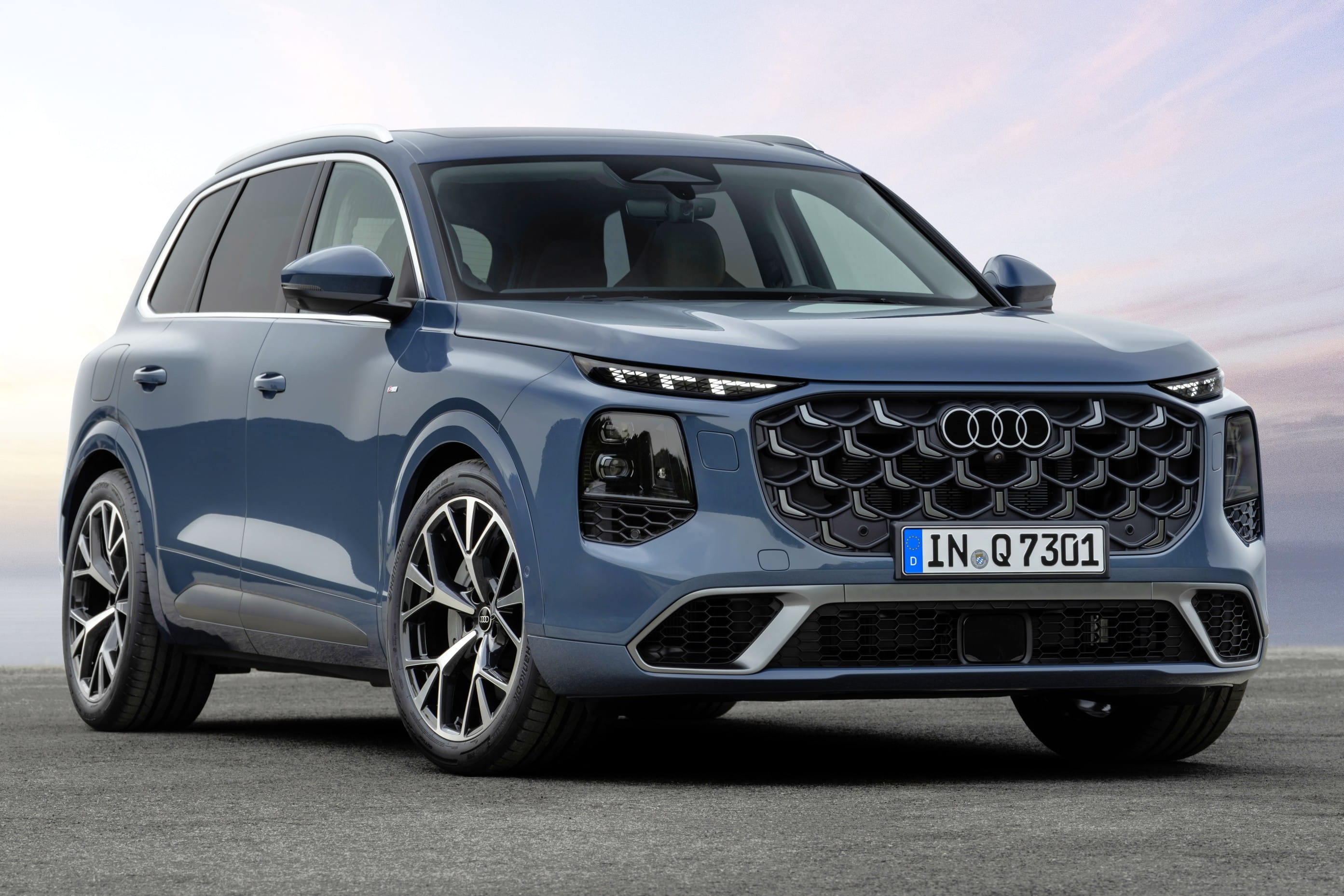
Audi's third-generation Q7 launch in Europe demonstrates a critical market segmentation strategy that reveals actionable insights for cross-border sellers in the automotive aftermarket and accessories categories. Despite diesel's collapse from 50%+ market share in the mid-2010s to just 6.7% of European new car sales through April 2024, Audi prioritized the turbodiesel 3.0-liter V6 TDI engine (295 hp) as the exclusive launch powertrain in Europe, contrasting sharply with North America's twin-turbo V6 and V8 gasoline options. This divergence reflects a sophisticated understanding of regional buyer psychology: luxury SUV purchasers in Europe maintain distinct preferences from mass-market consumers, creating a segmented demand landscape that aftermarket sellers can exploit.
The strategic window for sellers spans 18 months. Audi plans to introduce a V6 gasoline engine and plug-in hybrid variant between late 2026 and early 2027, meaning current diesel-focused inventory and accessories will dominate European Q7 sales through mid-2026. Sellers specializing in diesel performance parts (tuning chips, exhaust systems, fuel additives) can target the estimated 50,000-80,000 Q7 units expected to sell in Europe during this period at €87,900+ price points, indicating high-value buyer segments with strong purchasing power for premium aftermarket upgrades.
Regional pricing and buyer psychology create distinct e-commerce opportunities. The €87,900 German base price signals affluent demographics with disposable income for accessories—floor mats, protective coatings, performance upgrades, and technology add-ons. Sellers on Amazon.de, eBay.de, and specialized automotive platforms (Autodoc, Oscaro) can segment inventory by powertrain type, targeting diesel-specific products to European buyers while maintaining separate gasoline/hybrid catalogs for North American channels. The absence of the V8 SQ7 performance variant in Europe eliminates high-horsepower tuning demand but creates opportunities in efficiency-focused modifications (aerodynamic kits, lightweight wheels, fuel economy optimization).
This strategy reflects broader automotive market bifurcation. Audi's continued TDI support across compact (A3, Q3) and large vehicles (Q9) indicates diesel remains viable in premium segments despite regulatory pressures, suggesting long-term demand stability for diesel-specific aftermarket products in Europe through 2027-2028. Sellers should monitor the late 2026 engine lineup expansion as a potential demand cliff for diesel accessories, requiring inventory rebalancing toward hybrid/gasoline products 6 months prior.
Questions 8
What is the timeline for Audi's European Q7 engine lineup expansion and how does it affect sellers?
Audi plans to introduce V6 gasoline and plug-in hybrid variants between late 2026 and early 2027, creating an 18-month window where diesel-focused products dominate European Q7 sales. Sellers should capitalize on this period by stocking diesel-specific performance parts, exhaust systems, and fuel additives through mid-2026. After late 2026, demand will fragment across three powertrains, requiring inventory rebalancing. Sellers should begin transitioning hybrid-focused product sourcing by Q2 2026 to avoid excess diesel inventory when gasoline/hybrid variants launch.
How does Audi's regional powertrain strategy differ between Europe and North America?
Europe receives diesel-only at launch (295 hp TDI), while North America offers twin-turbo V6 and V8 gasoline engines immediately. The V8-powered SQ7 performance variant (591 hp) is available in North America with no confirmed European availability. This divergence creates distinct e-commerce opportunities: North American sellers should focus on high-horsepower tuning and performance upgrades, while European sellers should emphasize diesel efficiency, torque optimization, and emissions compliance products. Sellers operating on both continents must maintain separate product catalogs and marketing strategies.