


US Inflation Hits 4.2% in May 2026 | Critical Tariff & Shipping Cost Impact for E-Commerce Sellers
- Gasoline prices surge 8.8% to $4.60/gallon; UPS/FedEx fuel surcharges compress seller margins 2-4%; clothing category inflation at 4.2% YoY; tariff pass-through 63 basis points nearing completion; small sellers (sub-$1M revenue) face 8-12% fulfillment cost increases




















Overview
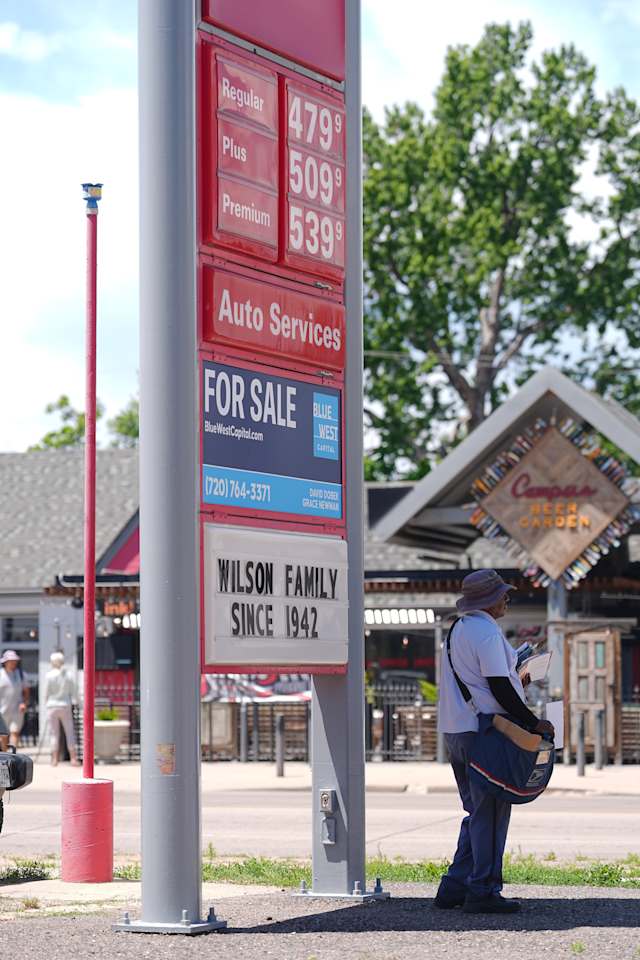
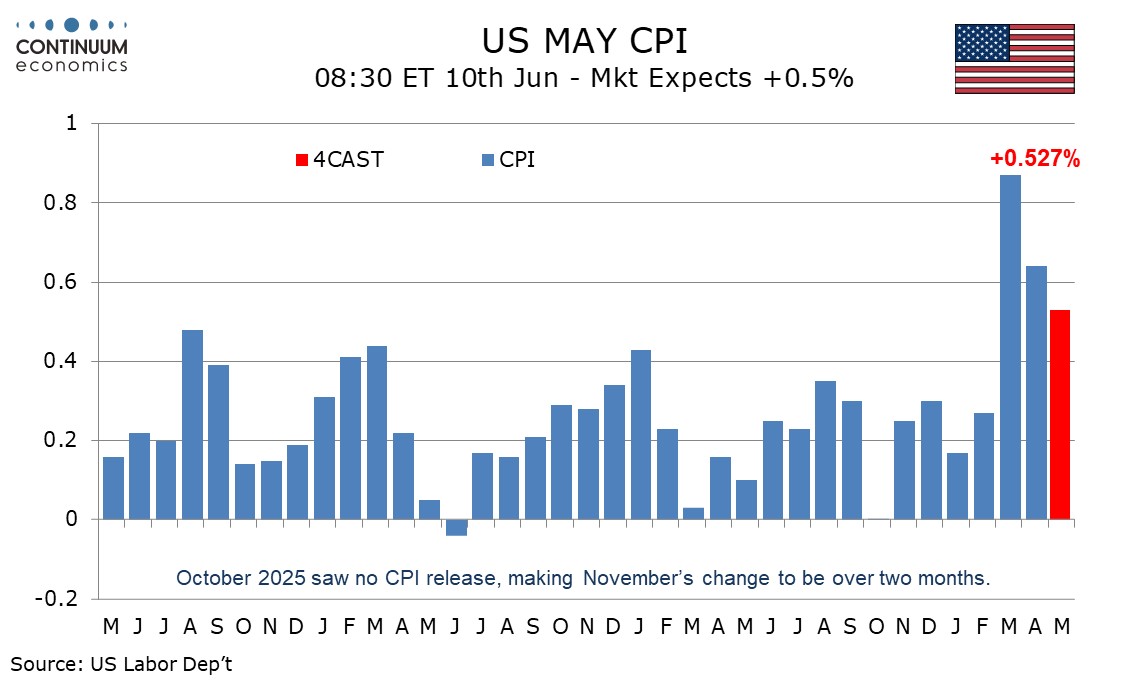
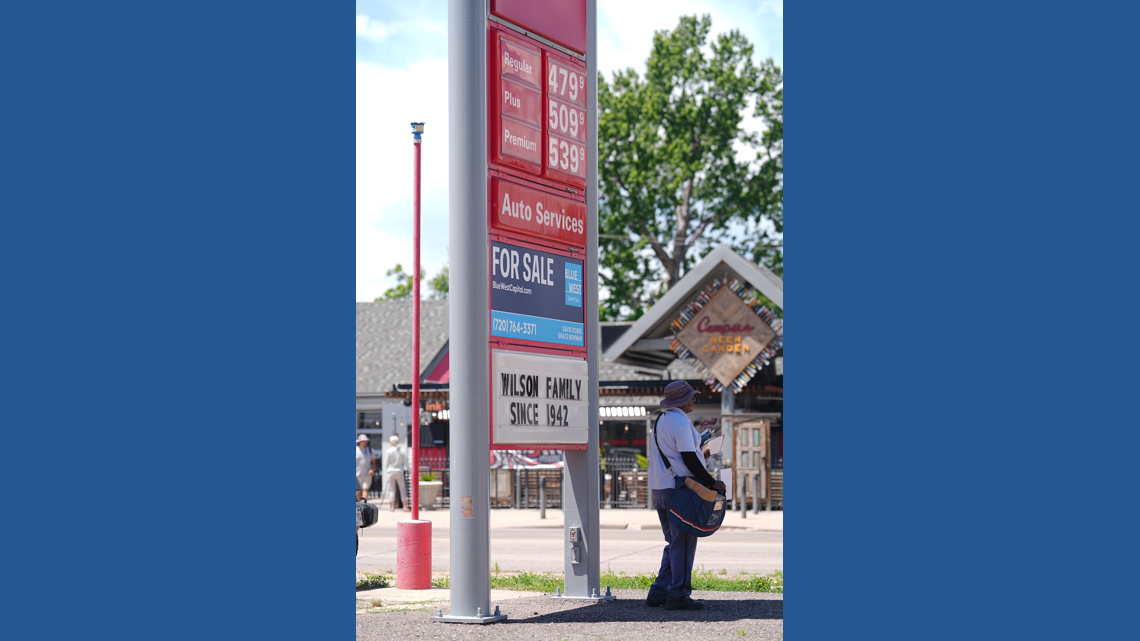
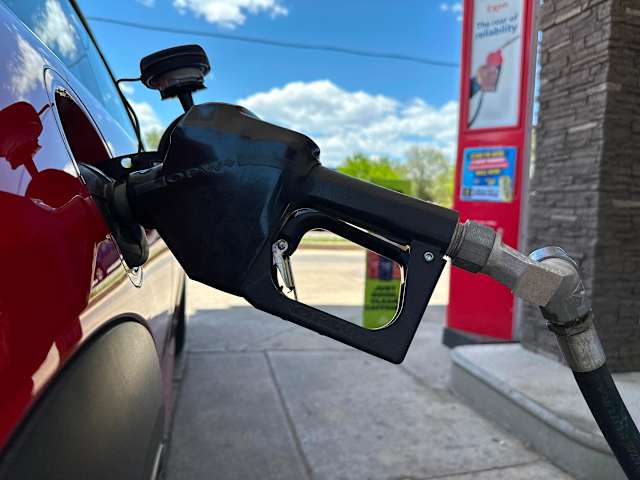
The May 2026 US Consumer Price Index released June 11 reveals a critical inflection point for cross-border e-commerce sellers: headline inflation reached 4.2% annually—the highest since April 2023—driven by Iran's Strait of Hormuz closure disrupting 20% of global oil supply and Trump's April 2025 tariff implementation. This dual shock creates immediate operational challenges across three dimensions: (1) Shipping Cost Escalation: UPS and FedEx implemented fuel surcharges directly tied to gasoline prices jumping from $4.04 to $4.49 per gallon in May. Morgan Stanley estimates tariffs have already lifted consumer prices 63 basis points, approaching completion of the adjustment phase, but fuel surcharges represent a new, ongoing cost layer. Small sellers shipping 1,000+ units monthly face 8-12% fulfillment cost increases; (2) Category-Specific Margin Compression: Clothing experienced 4.2% year-over-year inflation, directly reflecting tariff pass-through from Trump's April 2025 implementation. Grocery prices jumped 0.7% in April alone due to supply chain fuel costs. Electronics and home goods face similar pressures as logistics costs cascade through supply chains; (3) Consumer Purchasing Power Erosion: Core inflation at 2.9% annually significantly exceeds the Federal Reserve's 2% target. Critically, inflation is outpacing wage growth for the second consecutive month—unemployment remains steady at 4.3% with above-expectations job growth, but real wage decline threatens consumer spending in H2 2025. This creates a bifurcated market: budget-conscious buyers shift toward value categories (apparel, home goods under $50), while premium segments face demand headwinds.
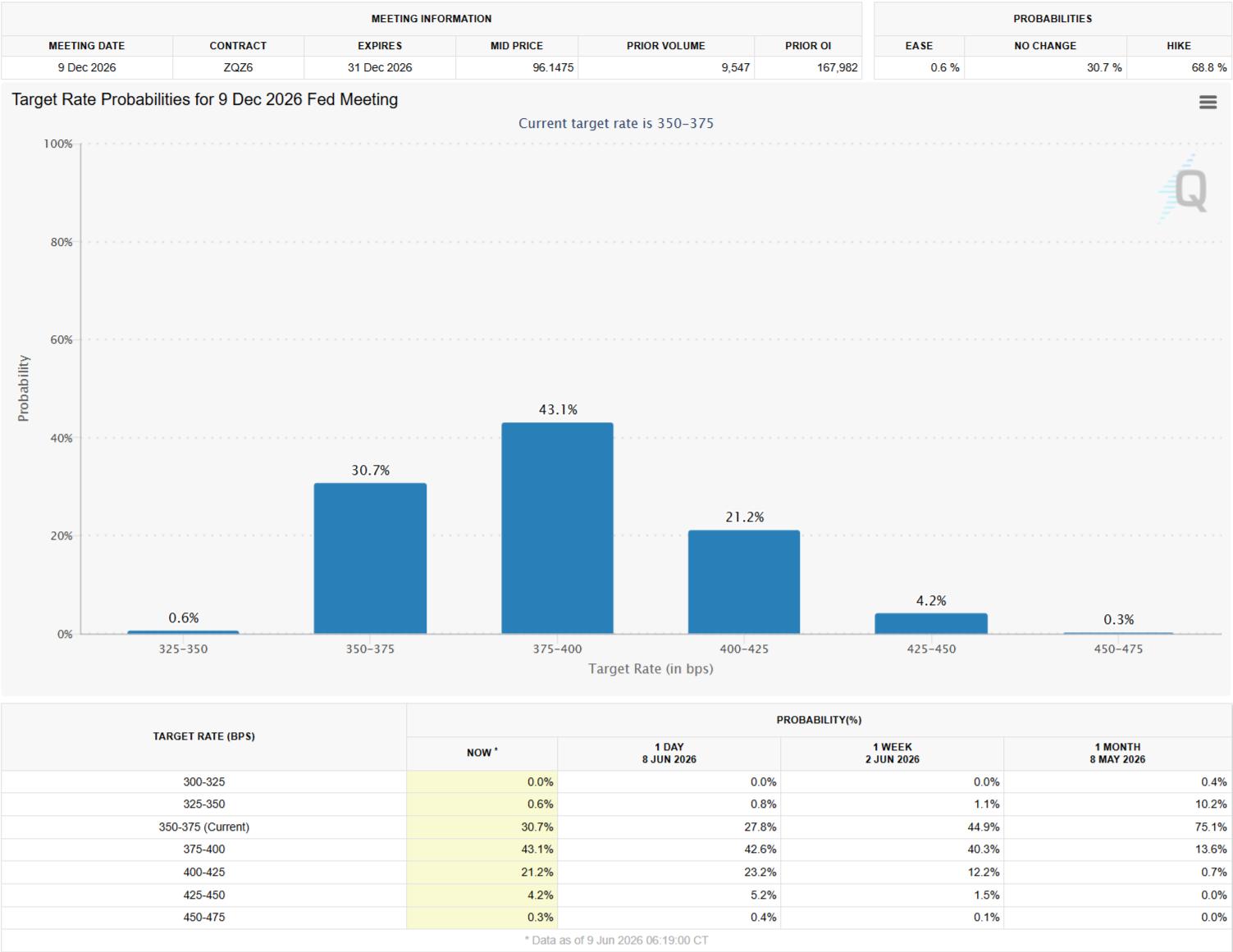
The policy trajectory signals persistent inflation beyond energy factors. Liz Ann Sonders (Charles Schwab) warns the surge extends to money supply and AI impacts, indicating "stickier inflation" than geopolitical disruptions alone. Even if Middle East tensions resolve, oil prices are unlikely to return to pre-crisis lows due to production disruptions. Federal Reserve policy expectations have reversed dramatically—officials previously signaling rate cuts now anticipate increases, with December 2026 rate hike probability rising. This represents a significant policy shift for new Fed Chair Kevin Warsh, who previously advocated for rate cuts. For sellers, this means: (a) Immediate Action Required (0-30 days): Review inventory costs and shipping partner contracts. Renegotiate FBA fees or evaluate 3PL alternatives offering fixed-rate shipping. Audit product pricing against competitor adjustments—many sellers have already raised prices 3-5% to offset tariff/fuel costs; (b) Strategic Repositioning (1-3 months): Shift sourcing away from tariff-heavy categories (apparel, footwear, electronics) toward Vietnam, India, or Mexico alternatives where tariff rates are lower. Consider private label opportunities in value-tier categories where consumer demand remains resilient despite wage stagnation; (c) Risk Mitigation: Monitor Fed policy announcements for rate hike timing. Higher interest rates increase working capital costs for sellers carrying inventory. Establish price floors now before further margin compression—the tariff adjustment phase is nearing completion, but fuel surcharges represent a structural cost increase lasting until geopolitical tensions resolve.
Questions 8
How much will my Amazon FBA shipping costs increase due to fuel surcharges from the May 2026 inflation spike?
UPS and FedEx implemented fuel surcharges directly tied to gasoline prices surging from $4.04 to $4.49 per gallon in May 2026. For sellers shipping 1,000+ units monthly via FBA, expect 8-12% fulfillment cost increases. Morgan Stanley estimates tariffs have already lifted prices 63 basis points and are nearing completion of the adjustment phase, but fuel surcharges represent a new, ongoing cost layer. Review your FBA fee structure in Seller Central immediately—compare against 3PL alternatives offering fixed-rate shipping contracts. Small sellers should prioritize renegotiating rates before Q3 2026 when peak season demand increases shipping volumes.
When will the Federal Reserve raise interest rates, and how does this affect seller working capital costs?
Federal Reserve policy expectations have reversed dramatically—officials previously signaling rate cuts now anticipate increases, with Wall Street futures indicating a December 2026 rate hike probability. This represents a significant policy shift for new Fed Chair Kevin Warsh, who previously advocated for rate cuts. Higher interest rates increase working capital costs for sellers carrying inventory. If rates rise 0.5-1.0% by December 2026, sellers financing inventory through credit lines will see borrowing costs increase $500-2,000 monthly per $100K inventory value. Establish price floors now before further margin compression—lock in supplier contracts with fixed pricing through Q4 2026 before rate hikes increase financing costs.