


Strait of Hormuz Closure 2026 | Freight Costs Surge 950% for Asia-Pacific Sellers
- Maritime insurance premiums spike 950%; shipping costs to persist post-crisis. Affects 34-46% tariff-hit Asian sellers, energy-dependent categories (electronics, semiconductors, food). Immediate sourcing diversification required.













Overview
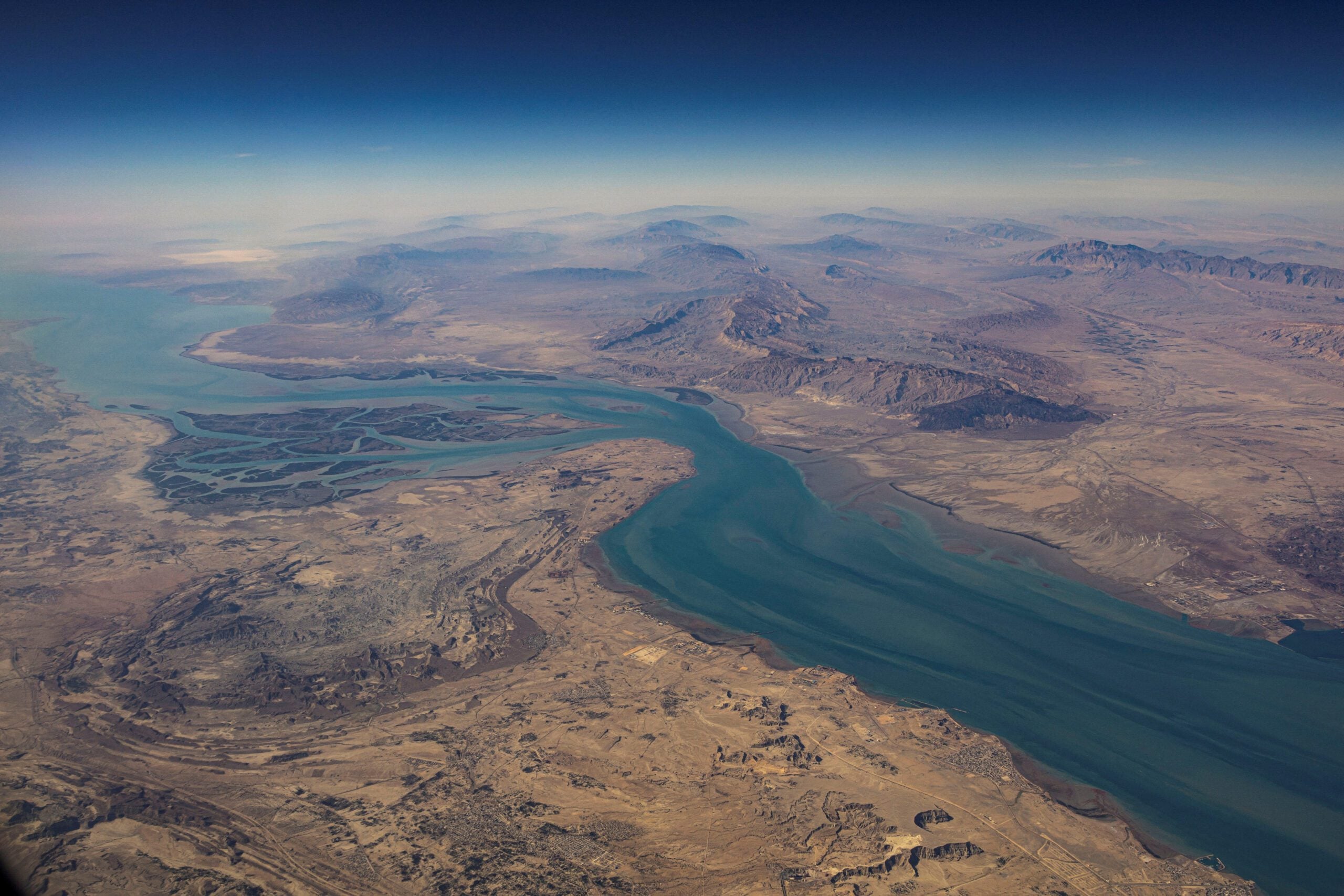
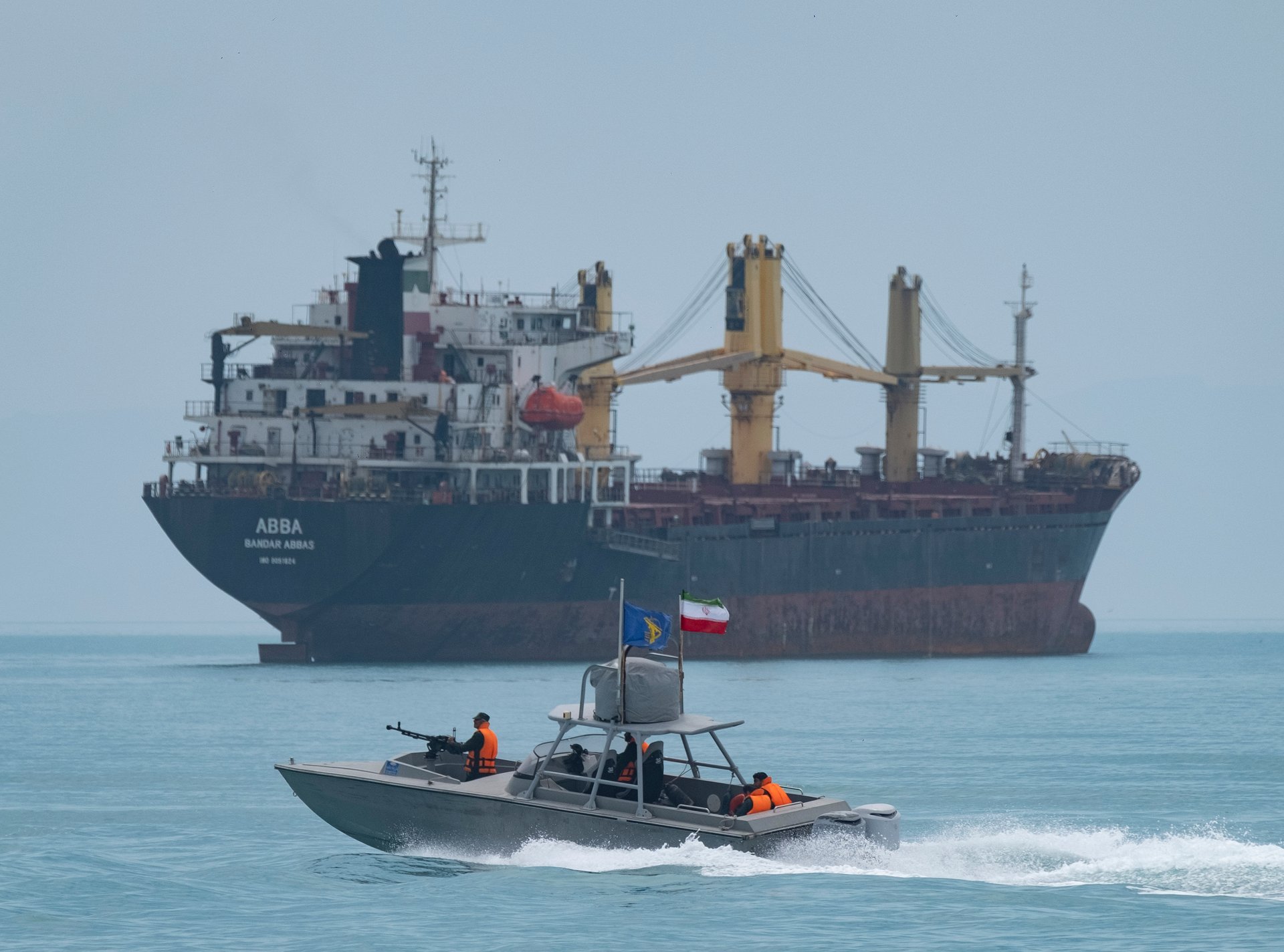
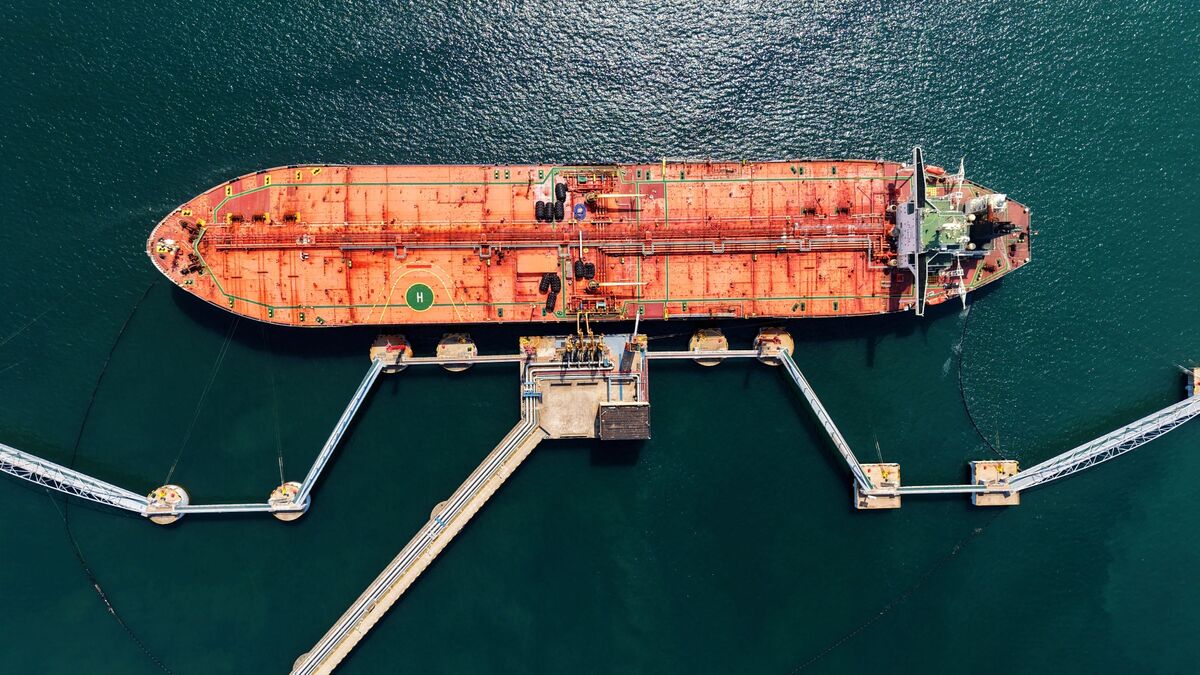
The 2026 Iran war and subsequent Strait of Hormuz closure represents the most significant supply chain shock for Asia-Pacific cross-border sellers since COVID-19, with direct implications for freight costs, sourcing strategies, and market competitiveness. The strait handles 78% of Asia's oil and oil products plus 90% of liquefied natural gas, making the closure catastrophic for energy-dependent manufacturing and logistics. Maritime insurance premiums have surged 950%, translating to immediate 15-25% increases in freight costs for sellers shipping from Asia to global markets—a burden that will persist even after the strait reopens due to sustained insurance premium elevation.
Freight Cost Impact on Seller Segments: For mid-sized sellers (1,000-10,000 monthly units) shipping from Vietnam, India, or Bangladesh to US/EU markets, monthly freight costs are projected to increase $8,000-$25,000 per container. This directly compresses margins in price-sensitive categories like electronics (HS 8471-8517), apparel (HS 6204-6209), and home goods (HS 9406-9406). The Asian Development Bank projects 0.7-1.2% GDP contraction and 5.2-7.4% inflation across Asia, reducing consumer purchasing power and demand for discretionary imports—particularly impacting sellers reliant on Southeast Asian markets.
Tariff Compounding Effect: The crisis follows Trump's April 2025 "Liberation Day" tariffs imposing 34-46% duties on developing Asian nations. Combined with 950% insurance premium increases and 5.2-7.4% inflation, sellers face a "triple squeeze": higher sourcing costs (inflation), higher shipping costs (insurance), and higher tariffs (policy). Sellers currently sourcing from China face additional pressure as China suspended refined fuel exports initially, then resumed at lower levels for select countries—creating fuel cost volatility that cascades to manufacturing partners. The Malacca Strait (45% of seaborne oil trade) presents secondary vulnerability, compounding logistics risks.
Strategic Sourcing Shifts: The crisis accelerates sourcing diversification away from China-dependent supply chains. Sellers should evaluate nearshoring to Mexico (for US market), Eastern Europe (for EU), and India/Vietnam (for APAC markets) to reduce Hormuz-dependent shipping routes. Green technology suppliers positioned by China as preferred alternatives may see competitive advantages in renewable energy products, solar equipment, and battery categories—creating opportunities for sellers to pivot toward sustainability-focused merchandise.
Questions 8
What role does the Malacca Strait play in this supply chain crisis?
The Malacca Strait handles 45% of seaborne oil trade and presents a secondary vulnerability to the Hormuz closure. If both straits face disruption simultaneously, Asia faces catastrophic energy shortages and logistics paralysis. Sellers should view Malacca as a 'second-order risk'—not immediately critical but requiring contingency planning. Diversify shipping routes through alternative passages (Sunda Strait, Lombok Strait) and consider air freight for time-sensitive, high-margin products. Monitor geopolitical developments in Southeast Asia closely, as any Malacca disruption would trigger immediate 40-60% freight cost increases and 2-4 week shipping delays.
Which product categories are most vulnerable to the Hormuz closure and tariff combination?
Energy-intensive and tariff-sensitive categories face the greatest impact: electronics (HS 8471-8517), semiconductors, apparel (HS 6204-6209), home goods, and food products. South Asia sources 34% of fertilizer imports from the Middle East, making agricultural products particularly vulnerable. Combined with Trump's April 2025 tariffs of 34-46% on developing Asian nations, sellers in these categories face triple margin compression: higher sourcing costs (5.2-7.4% inflation), higher shipping (950% insurance surge), and higher tariffs (34-46%). Price-sensitive categories will see the steepest margin erosion.