




AI Market Volatility & Inflation Surge | Critical Cost Pressures for E-Commerce Sellers June 2026
- Inflation accelerates to 4.2% YoY amid AI stock rotation; semiconductor costs rise as Fed signals rate hikes; home sales surge 3.2% YoY creating logistics demand spike













Overview
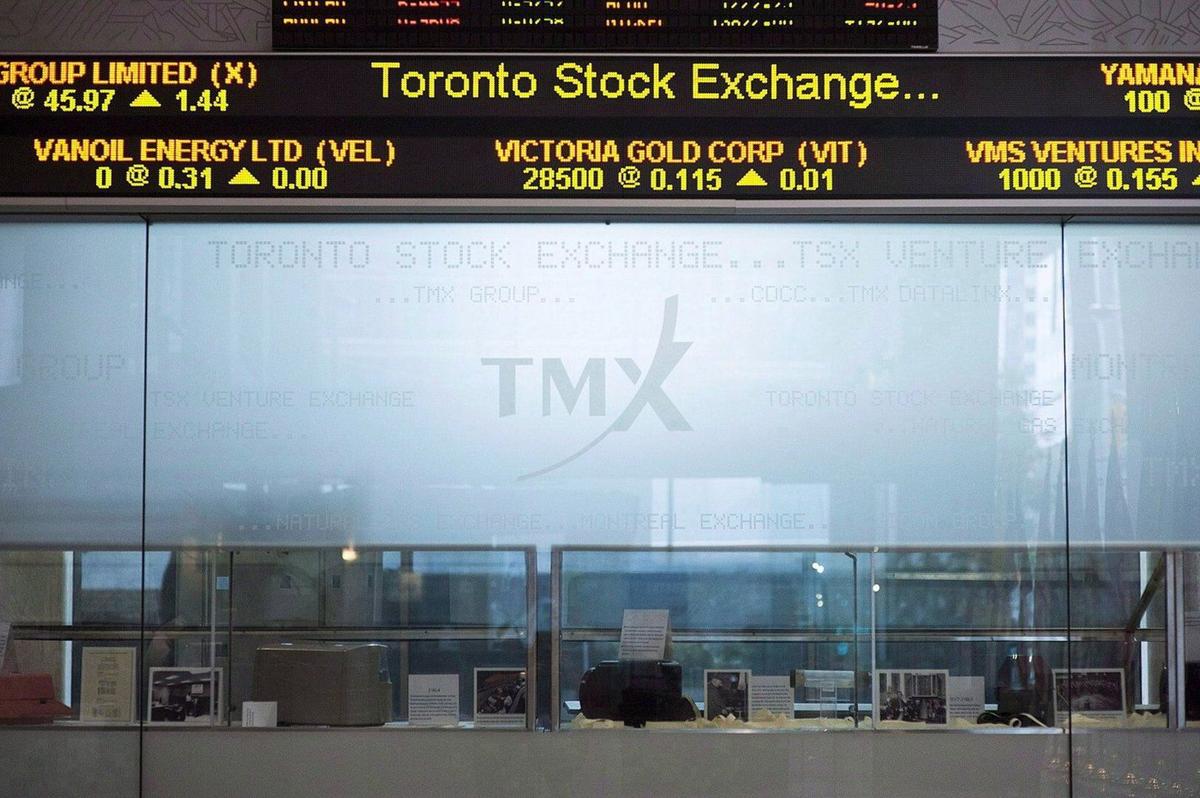
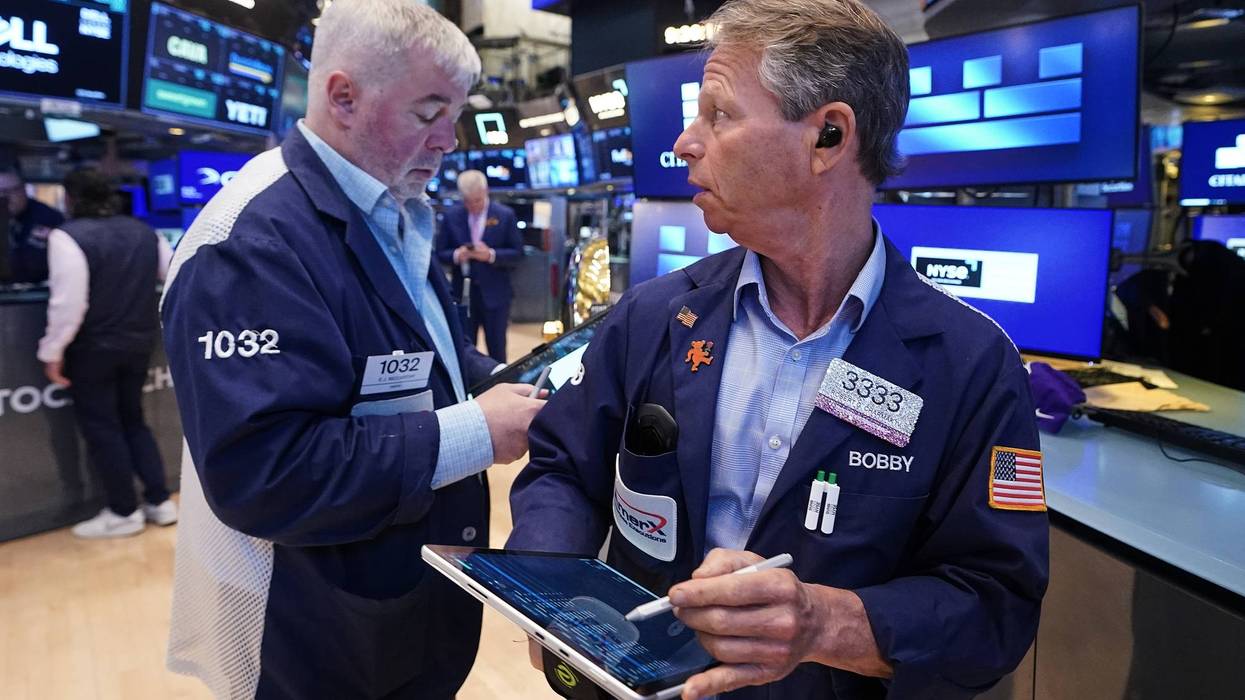
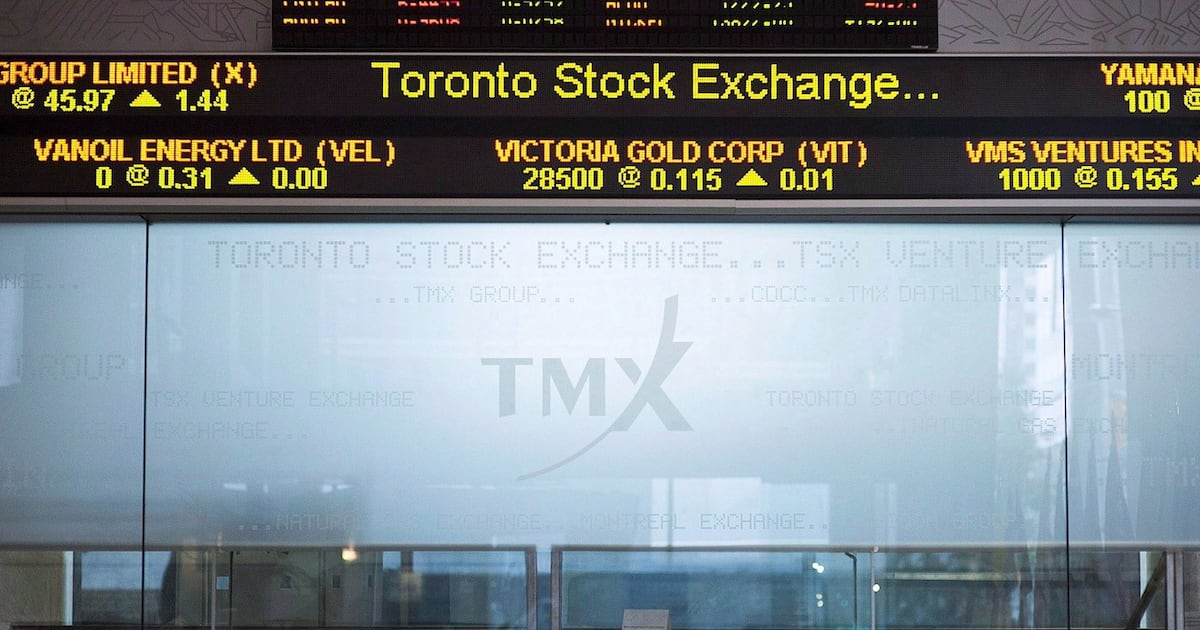
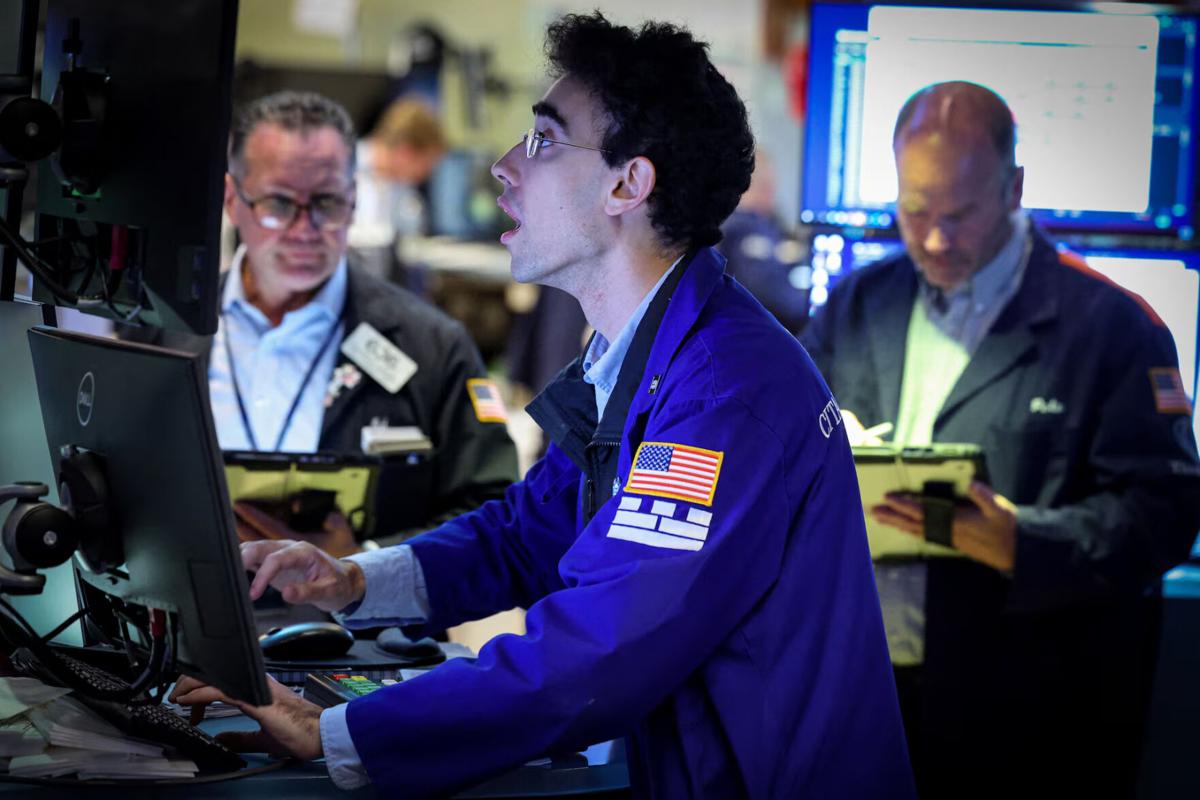
Market Inflation Surge Directly Impacts E-Commerce Operating Costs: On June 9, 2026, US markets experienced significant volatility as inflation accelerated to 4.2% year-over-year—the hottest reading since April 2023 and up from May's 3.8%—while semiconductor stocks (Nvidia, Broadcom, Micron) declined sharply amid AI trade rotation. This dual pressure creates immediate cost headwinds for cross-border sellers: rising inflation directly increases product sourcing costs, logistics expenses, and fulfillment fees, while semiconductor weakness signals potential supply chain disruptions for electronics sellers. The Federal Reserve's shift toward potential rate increases rather than cuts will increase working capital costs for sellers relying on inventory financing, with borrowing rates expected to rise 50-100 basis points by Q3 2026.
Geopolitical Oil Price Volatility Threatens Shipping Economics: The Iran-US military incident (Apache helicopter downing in Strait of Hormuz) caused Brent crude to stabilize near $91.50/barrel after initial sharp declines. For e-commerce sellers, oil price volatility directly impacts last-mile delivery costs—a 5-10% oil price swing translates to $0.15-0.35 per shipment cost increase for standard parcel delivery. Sellers shipping high-volume inventory (1000+ units monthly) face cumulative monthly cost increases of $150-350 depending on fulfillment method (FBA vs. 3PL). The geopolitical risk premium suggests oil could spike to $95-100/barrel if tensions escalate, creating 8-12% shipping cost increases for Q3 2026.
Home Sales Surge (3.2% YoY to 4.17M units) Signals Logistics Infrastructure Demand: Existing home sales jumped to a seasonally adjusted annual rate of 4.17 million units—the strongest in three years despite elevated mortgage rates. This housing market strength directly benefits home goods, furniture, and appliance sellers on Amazon, Walmart, and Shopify, but creates logistics bottlenecks. Peak moving season (May-August) combined with housing demand surge means 3PL capacity constraints and shipping delays of 3-7 days for bulky items. Sellers in furniture, home décor, and appliances should expect 15-25% higher fulfillment costs during Q2-Q3 2026 due to capacity premiums.
AI IPO Pipeline (OpenAI, Anthropic, SpaceX) Creates Seller Opportunity Window: OpenAI and Anthropic's confidential IPO filings position both companies for Wall Street trading by fall 2026, while SpaceX prepares a record IPO. This AI capital influx will accelerate enterprise AI adoption among e-commerce platforms (Amazon, Shopify, eBay), creating immediate opportunities for sellers to adopt AI-powered tools for pricing optimization, demand forecasting, and customer service automation before competitors. Sellers who implement AI-driven inventory management and dynamic pricing by Q3 2026 can capture 5-8% margin improvements before widespread adoption commoditizes these advantages.
Questions 8
Should I adopt AI pricing tools before OpenAI and Anthropic IPOs in fall 2026?
Yes—implementing AI-powered dynamic pricing and demand forecasting tools by Q3 2026 creates a 60-90 day competitive advantage before widespread platform adoption. Tools like Reprice.it, Keepa, and emerging AI solutions can improve pricing accuracy by 5-8%, directly translating to margin improvements of $500-2000 monthly for mid-sized sellers (100-500 SKUs). Once OpenAI and Anthropic go public and secure enterprise funding, Amazon and Shopify will rapidly integrate AI features into native tools, commoditizing third-party solutions. Early adopters capture margin gains before competition intensifies.
How should I adjust inventory financing strategy given Fed rate hike signals?
The Federal Reserve's shift toward rate increases means borrowing costs will rise 50-100 basis points by Q3 2026. If you currently use Amazon Lending (typically 8-12% APR) or traditional business loans (6-9% APR), refinancing costs will increase $200-400 monthly per $100K borrowed. Consider: (1) Reducing inventory levels by 15-20% to lower financing needs, (2) Shifting to just-in-time inventory models with faster supplier turnover, (3) Locking in fixed-rate financing before July 2026 rate announcements. Sellers with $500K+ inventory should consult a CFO about hedging strategies for working capital costs.