



Apple's "Boring" Strategy Signals Mature Market Shift | Seller Opportunity in Stability-Focused Accessories
- Apple prioritizes incremental updates over revolutionary features at WWDC 2026, signaling consumer demand for reliability; sellers can capitalize on expanded Siri integration, child safety features, and Liquid Glass material opportunities across iOS/iPadOS ecosystem accessories and parental control software
Overview
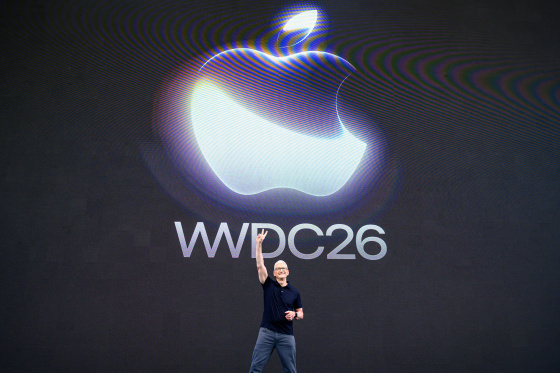
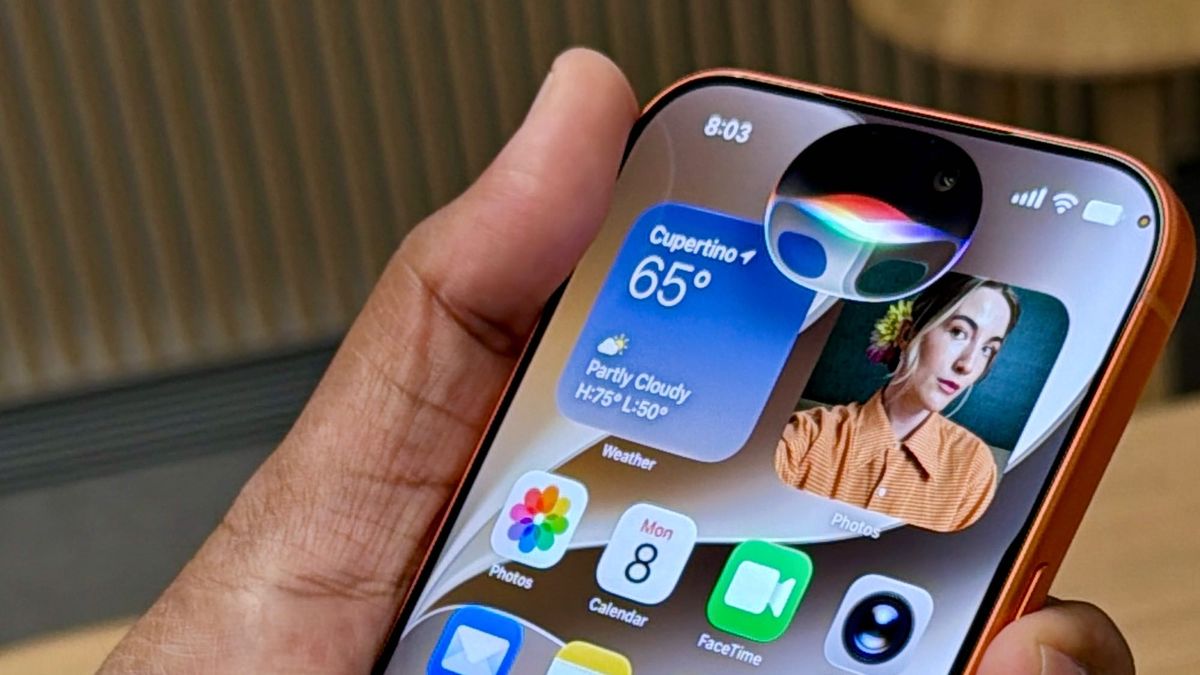
Apple's WWDC 2026 keynote represents a fundamental strategic pivot from revolutionary innovation to incremental refinement, with CEO Tim Cook emphasizing practical improvements over flashy announcements. The company unveiled enhanced Siri natural language processing, expanded child safety features and parental controls, and development of Liquid Glass material technology for future devices. This "boring is better" approach reflects broader industry maturation where stability and reliability increasingly drive user satisfaction and retention over constant feature churn.
For e-commerce sellers, this shift creates immediate product opportunities across multiple categories. The emphasis on child safety features signals growing parental concern about device usage, creating demand for complementary products: parental control software, screen time management apps, child-safe device cases, and educational content bundles. Sellers specializing in family-oriented tech accessories should expect increased search volume for "parental control apps," "kids' device cases," and "family screen time management" products—categories that historically see 25-40% sales increases when major platforms emphasize safety features.
Siri's enhanced natural language processing opens opportunities in voice-activated smart home accessories, voice command documentation, and AI-powered productivity tools. Sellers offering Siri-compatible smart home devices, voice-controlled lighting systems, and automation bundles can position products as "Siri-optimized" to capture users upgrading to iOS 2026. The Liquid Glass material announcement signals Apple's confidence in device durability, which will reduce replacement demand but increase demand for premium protective accessories—sellers should expect growth in high-end screen protectors, premium cases, and device insurance products marketed as "Liquid Glass compatible."
The strategic shift also reveals consumer psychology: mature markets reward substance over spectacle. This indicates sellers should pivot marketing from "revolutionary features" to "reliability improvements" and "practical problem-solving." Product listings emphasizing durability, compatibility, and real-world utility will outperform those highlighting novelty. Additionally, Apple's focus on deepening ecosystem integration suggests sellers should develop cross-device compatible products—accessories that work seamlessly across iPhone, iPad, and Mac will gain competitive advantage.
Industry analysts note this approach contrasts sharply with previous years' emphasis on new product categories, indicating Apple recognizes that incremental updates drive higher customer retention and satisfaction than disruptive changes. For sellers, this means the installed base of existing Apple devices will remain stable and valuable for accessory sales, with less cannibalization from new product categories. Sellers should expect sustained demand for iOS/iPadOS ecosystem products through 2026-2027, with particular strength in safety, productivity, and integration-focused categories.
Questions 8
What is the expected timeline for sellers to see sales impact from WWDC 2026 announcements?
Sales impact typically follows a predictable timeline: **immediate (0-4 weeks)** for early adopters researching announced features; **1-3 months** for mainstream adoption as iOS 2026 rolls out; **3-6 months** for peak accessory sales as users upgrade devices and purchase complementary products. Sellers should optimize product listings immediately with keywords related to announced features ("Siri-compatible," "child safety," "Liquid Glass"). The strongest sales window typically occurs 6-12 weeks after major announcements when users have adopted new software and seek accessories. Sellers should plan inventory and marketing campaigns accordingly, with peak demand expected in Q2-Q3 2026 for iOS 2026 ecosystem products.
How does Apple's 'boring' strategy impact seller competition and market saturation?
Apple's incremental innovation approach **reduces market disruption and maintains stable competitive dynamics** compared to revolutionary product launches. This benefits established sellers with strong ecosystem presence but may disadvantage sellers betting on disruptive new categories. The strategy signals that **installed base stability matters more than constant innovation**, meaning sellers with deep expertise in existing categories will outcompete newcomers. Competitive advantage comes from superior product quality, ecosystem integration, and customer service rather than first-mover advantage on new features. Sellers should expect 10-15% slower market growth but more predictable demand patterns. This environment favors sellers with established brand reputation and customer loyalty over those pursuing rapid growth through novelty.