
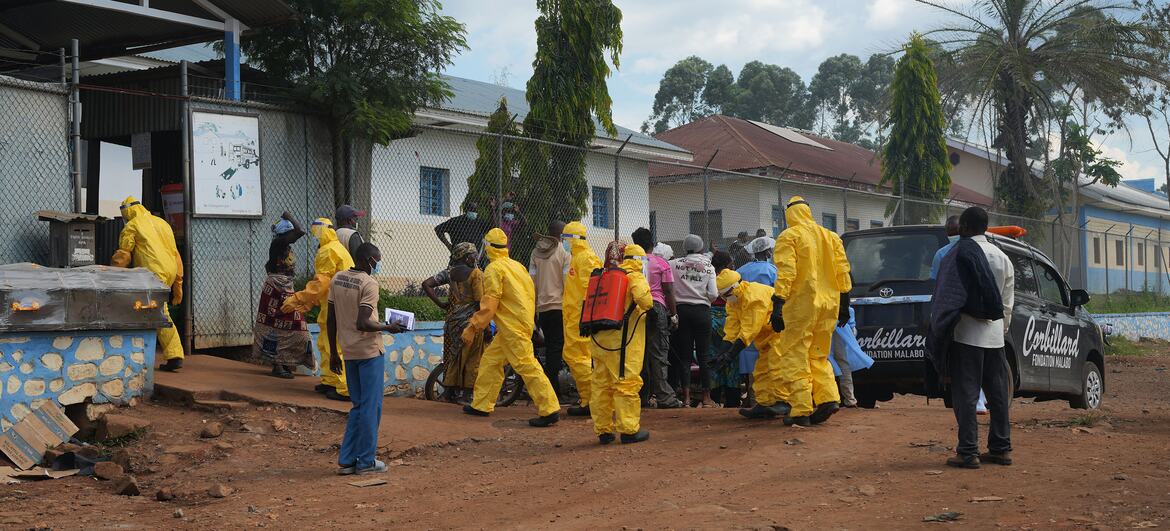


DRC Ebola Outbreak 2026 | Medical Supply Demand Surge & Emerging Market Logistics Challenges
- WHO reports 550 confirmed cases in DRC, 19 in Uganda; 40 tonnes of medical equipment deployed; remote logistics delays up to 24 hours create supply chain opportunities for sellers
Overview
The June 2026 Ebola outbreak in the Democratic Republic of the Congo represents a significant humanitarian crisis with direct implications for cross-border e-commerce sellers in medical supplies, protective equipment, and logistics services. As of June 8, 2026, the WHO reported 550 confirmed cases and 101 deaths in DRC, plus 19 cases in Uganda, caused by the rare Bundibugyo species of Ebola virus concentrated in Ituri Province (94% of cases). The outbreak has triggered massive demand for medical infrastructure and supplies: WHO has deployed over 100 personnel, delivered 40 tonnes of equipment and medical supplies, and established multiple Ebola treatment centers with decentralized laboratory facilities in Mongbwalu and Aru.
Medical Supply Category Opportunity: The crisis creates immediate demand for personal protective equipment (PPE), diagnostic testing kits, laboratory equipment, and medical consumables. Sellers specializing in medical supplies can capitalize on this surge through B2B channels targeting NGOs, government health agencies, and international organizations. The WHO's emphasis on "building community trust and engaging local healthcare workers" signals demand for training materials, educational content, and accessible health products in local markets.
Logistics and Infrastructure Challenge: Major operational constraints exist across the vast Ituri, North Kivu, and South Kivu provinces (combined area equivalent to France), where sample transport to laboratories takes up to 24 hours. This creates opportunities for sellers offering cold-chain logistics solutions, temperature-monitoring devices, and rapid-transport packaging systems. The 62% contact tracing coverage (5,040 contacts identified as of June 6) with targets of 90-95% indicates sustained demand for data management systems, mobile health platforms, and communication infrastructure over the coming weeks.
Regional Market Dynamics: Uganda's containment (no community transmission reported) contrasts with DRC's outbreak severity, suggesting differential demand patterns. Sellers should monitor regional variations in healthcare spending and supply chain accessibility. The WHO's decentralized testing strategy—opening multiple labs rather than centralizing operations—indicates preference for distributed supply chains, favoring sellers with regional distribution networks in East Africa.
Risk Considerations: Health crises create volatility in emerging markets. Sellers should diversify payment methods (mobile money, local banking) and maintain flexible inventory given unpredictable demand patterns. The 24-hour logistics delays suggest premium pricing opportunities for expedited services but also highlight infrastructure gaps that may affect order fulfillment reliability.
Questions 8
What is the market size for medical supplies in DRC and Uganda?
While specific market size data isn't provided in the outbreak report, the WHO's deployment of 40 tonnes of equipment and establishment of multiple treatment centers indicates substantial procurement volumes. The 550 confirmed cases in DRC and 19 in Uganda represent active demand, with contact tracing reaching 5,040 individuals (targeting 90-95% coverage). Sellers should research WHO procurement databases and NGO supply chains for quantified opportunities. Historical health crises show medical supply demand can sustain for 3-6 months, providing a medium-term revenue window for sellers with appropriate certifications.
How do logistics challenges in DRC affect cross-border sellers?
Sample transport to laboratories takes up to 24 hours across the vast Ituri, North Kivu, and South Kivu provinces (combined area equivalent to France), creating premium pricing opportunities for expedited services. Sellers offering cold-chain logistics solutions, temperature-monitoring devices, and rapid-transport packaging can differentiate their offerings. However, infrastructure gaps also present fulfillment risks—sellers should establish partnerships with local 3PL providers and maintain flexible inventory buffers. The WHO's decentralized testing strategy (multiple labs in Mongbwalu and Aru) favors sellers with regional distribution networks rather than centralized operations.