

Toy Story 5 $150M+ Opening Unlocks Licensed Merchandise Boom | Sellers' 90-Day Opportunity Window
- Pixar's June 19, 2026 theatrical release projects $150M-$175M opening weekend; critical acclaim drives sustained demand for toys, collectibles, and apparel through Q3 2026



















Overview
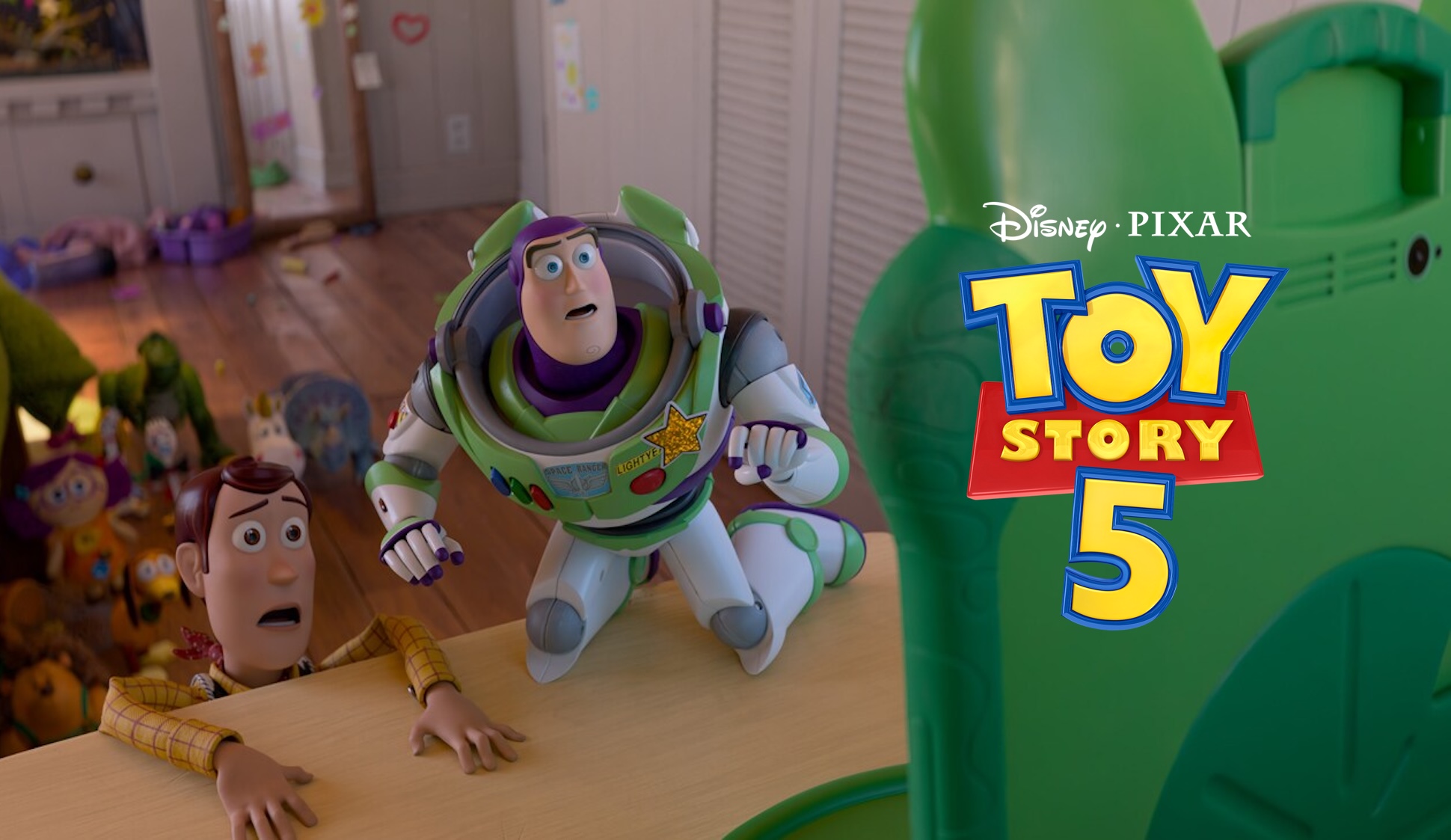
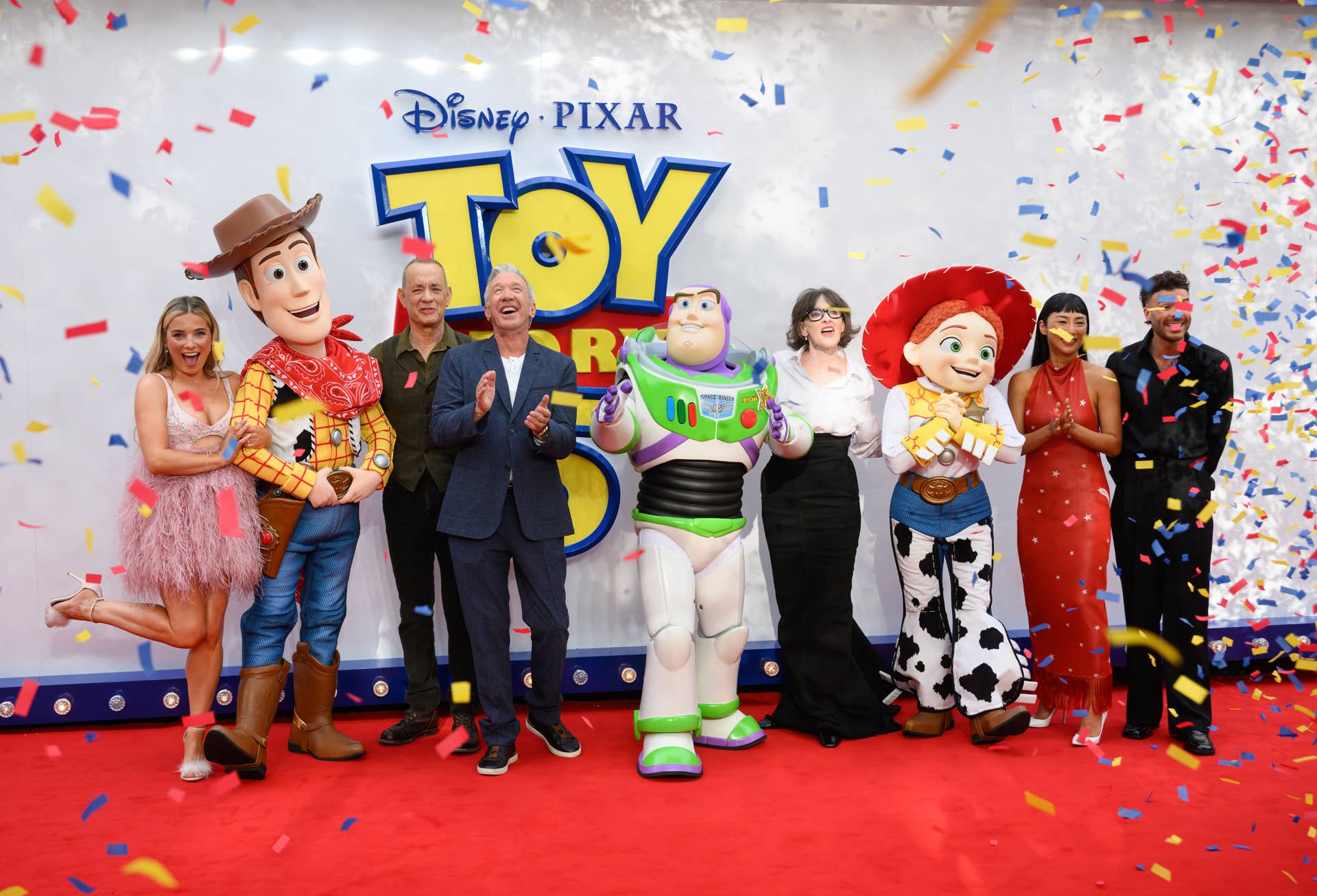
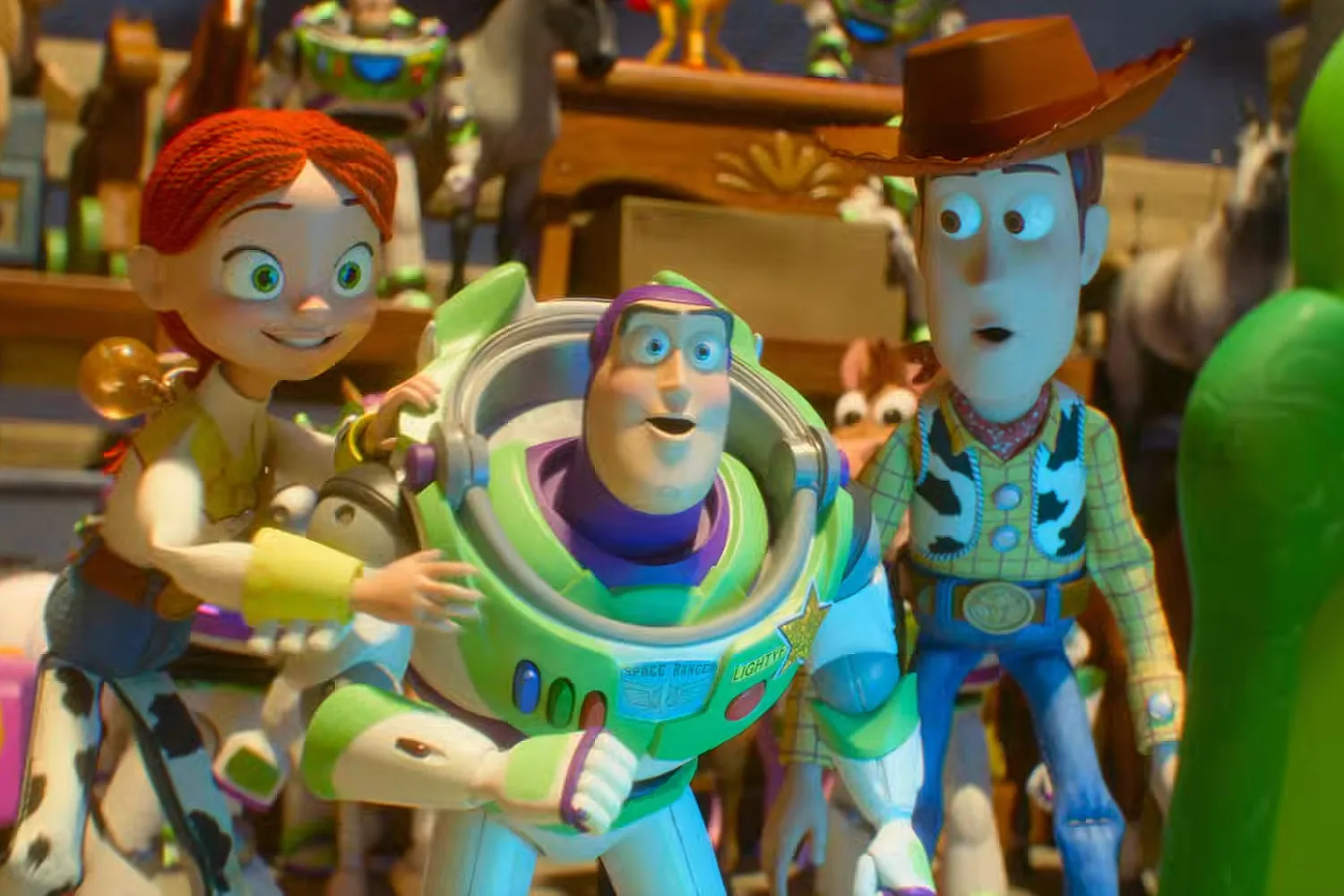
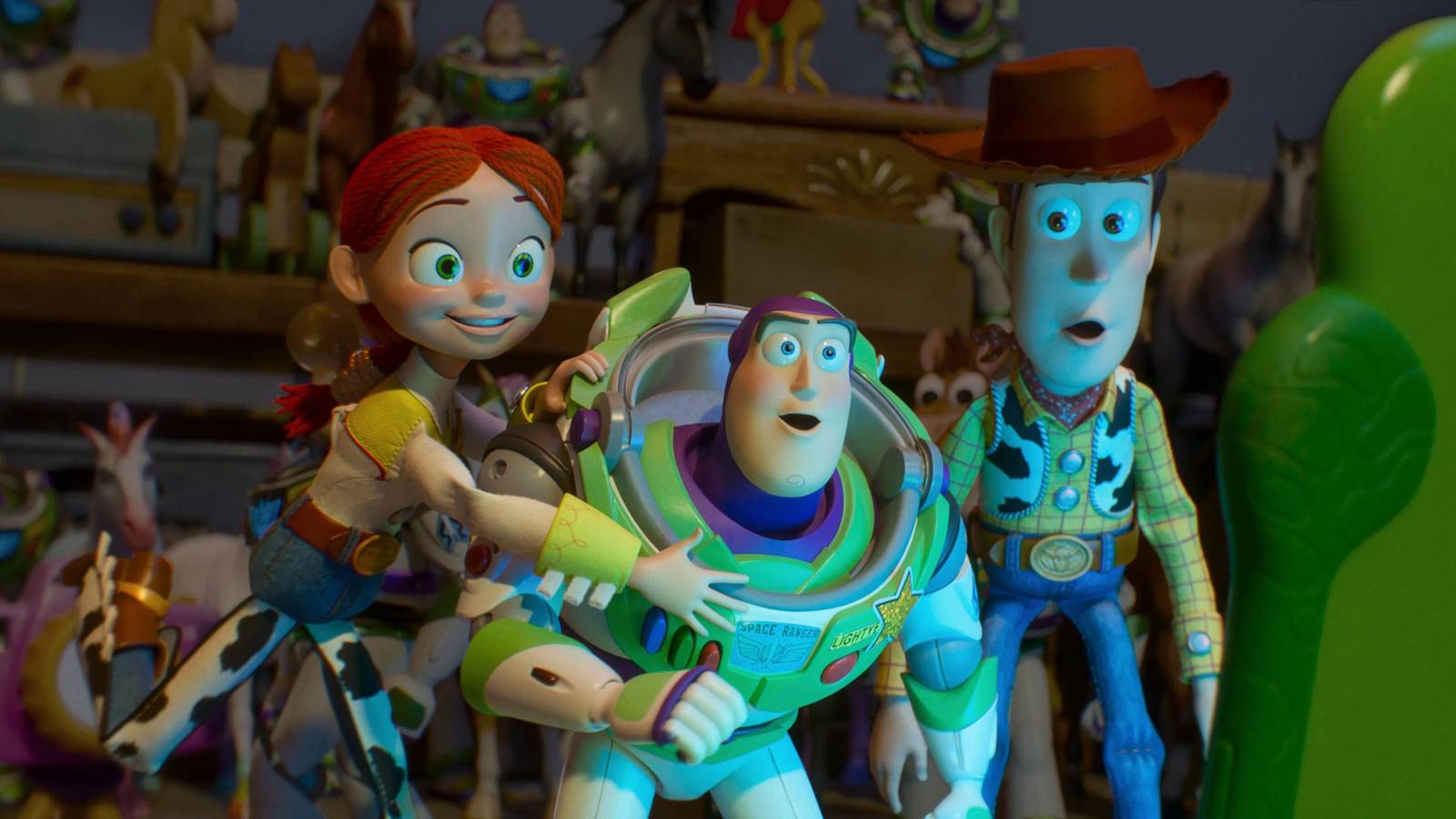
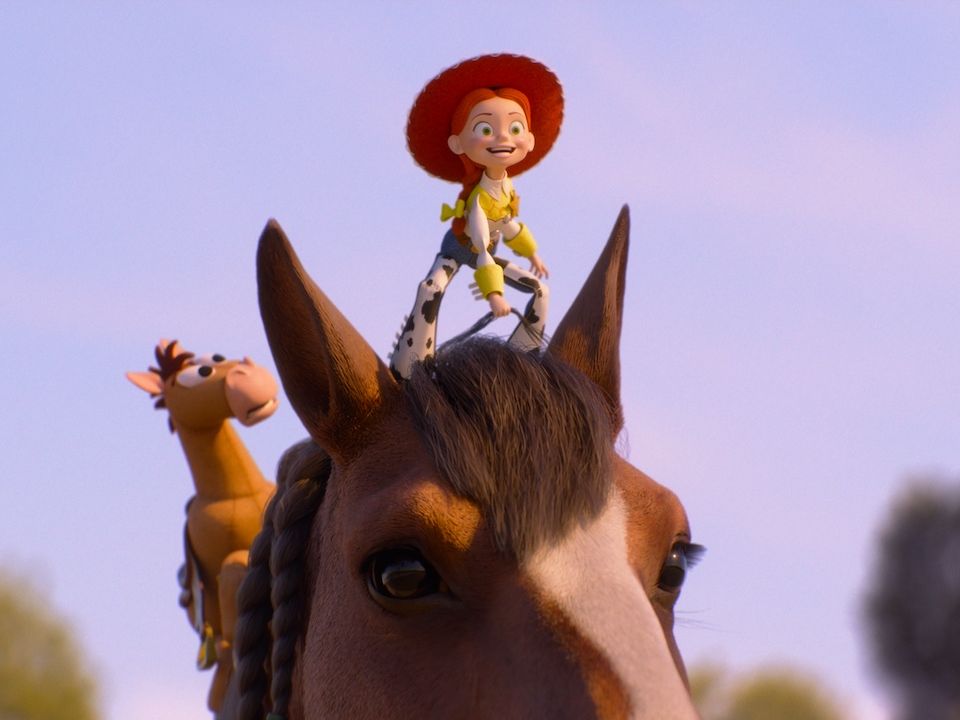
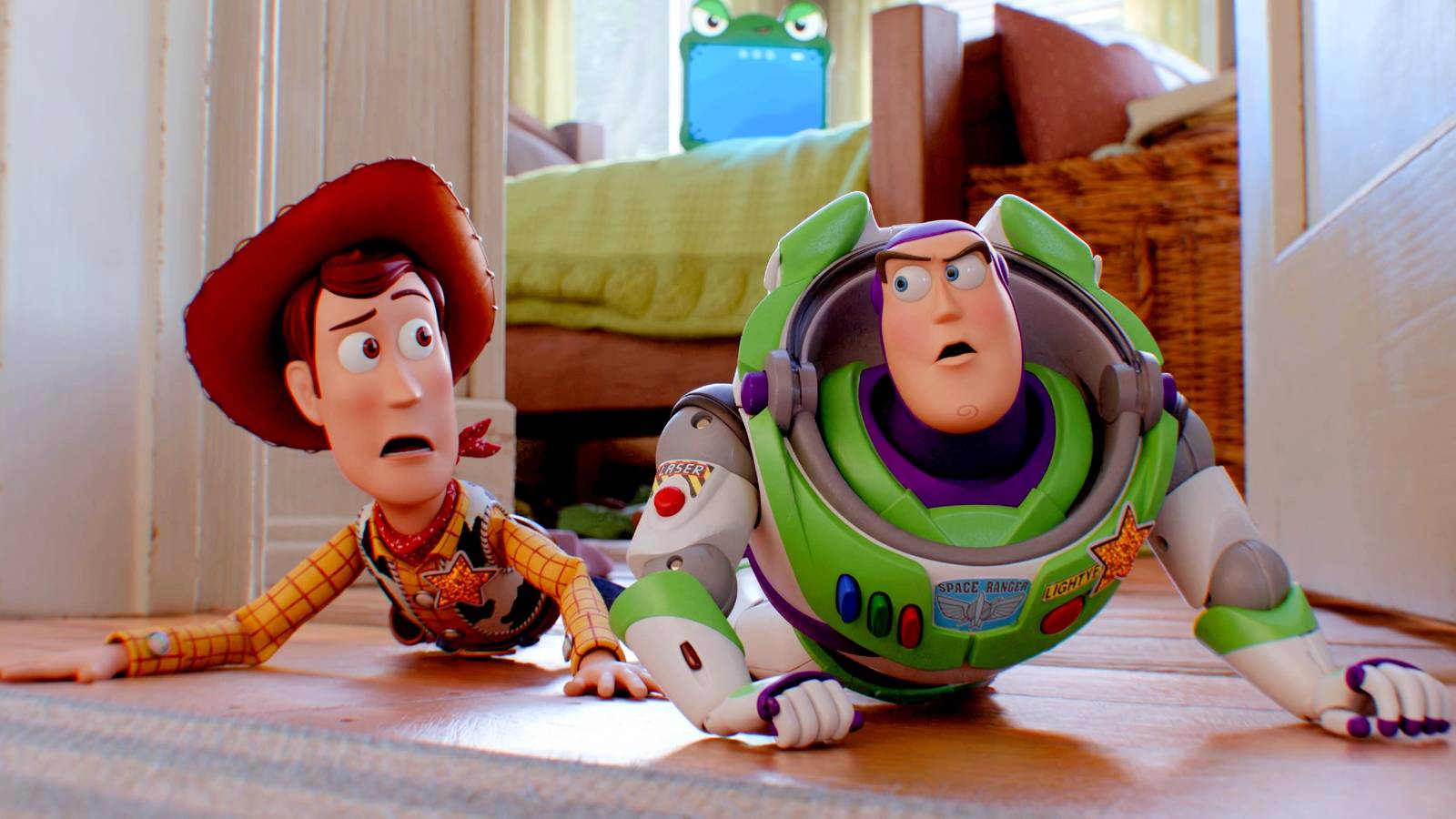
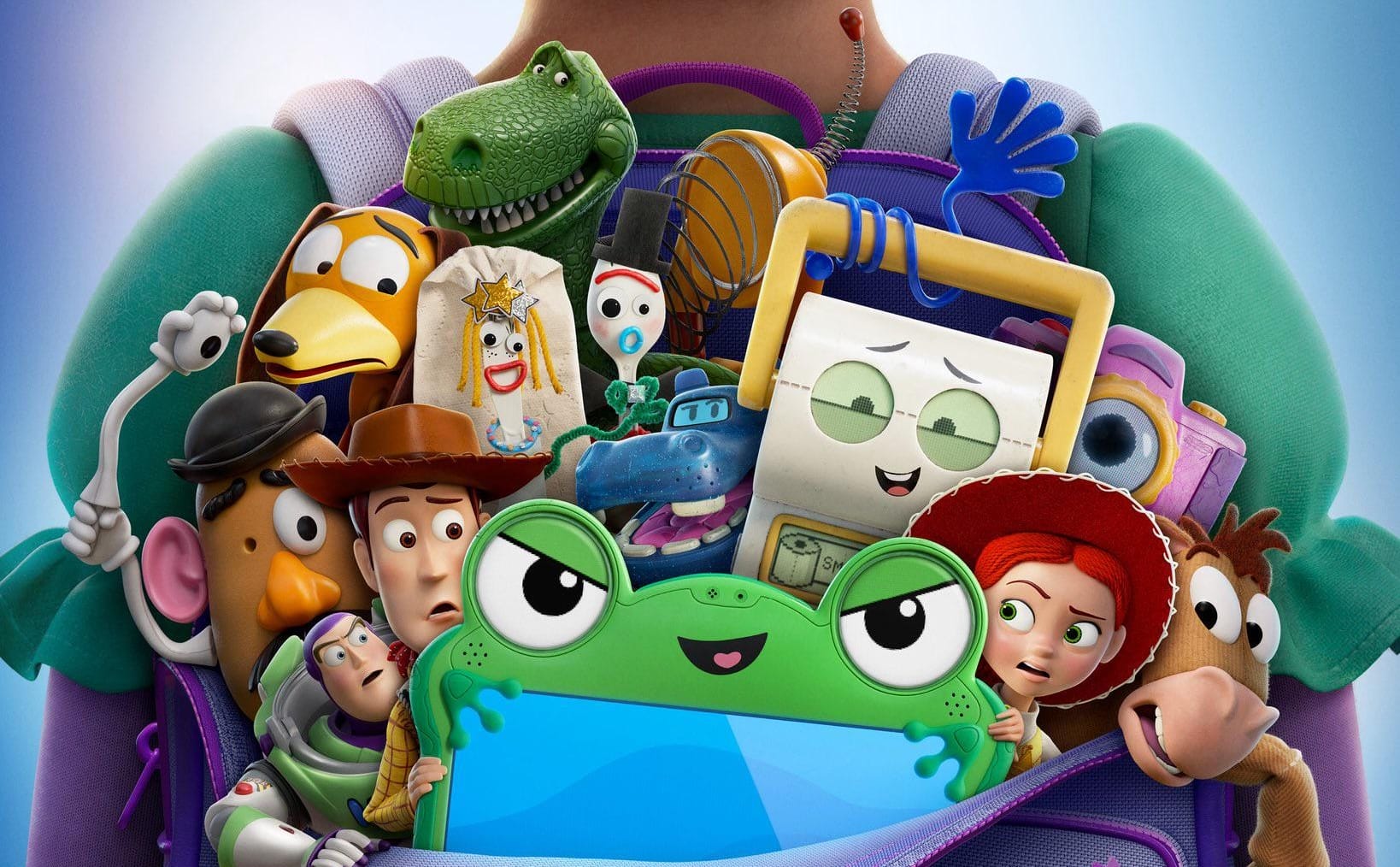
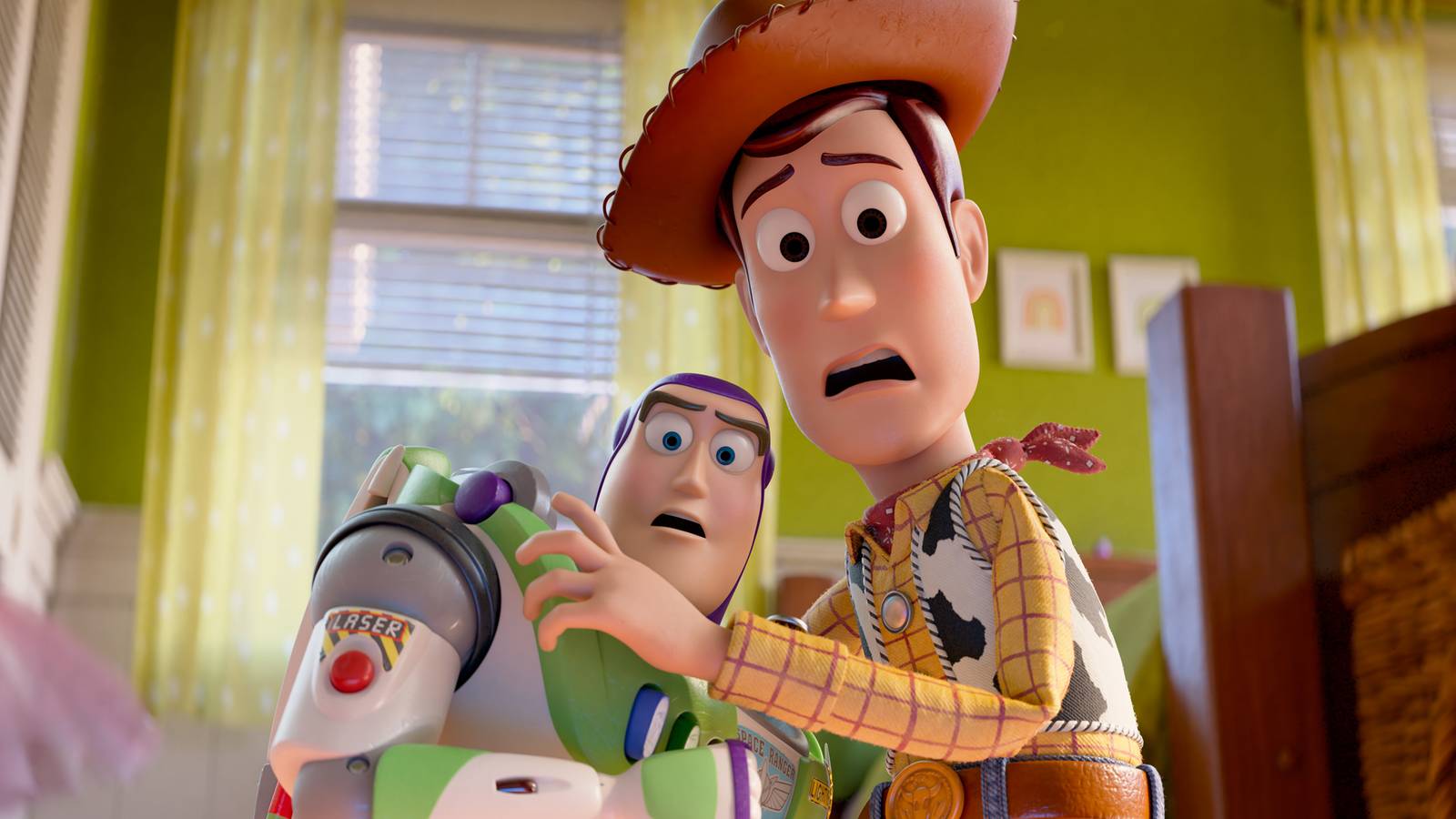
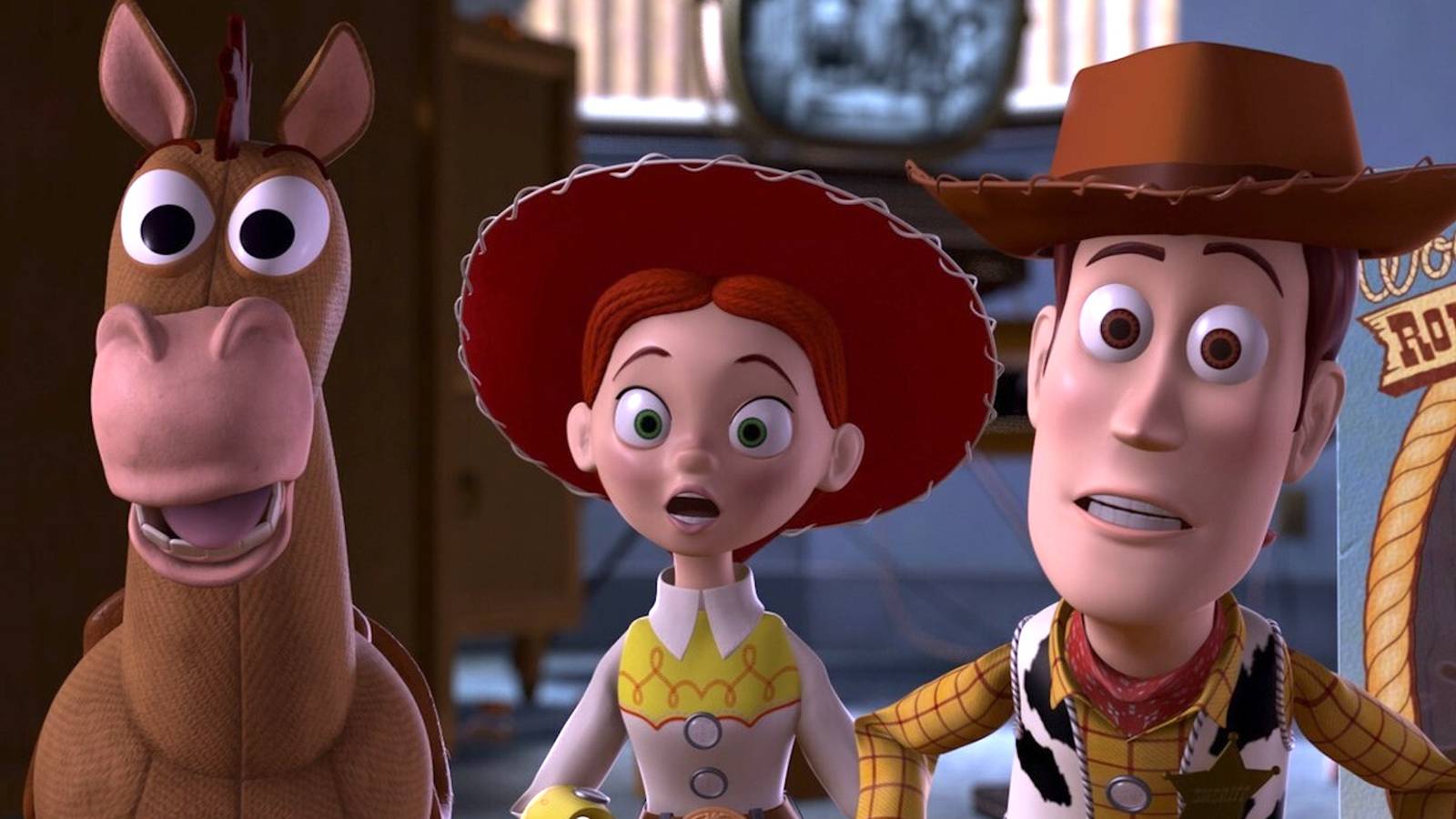
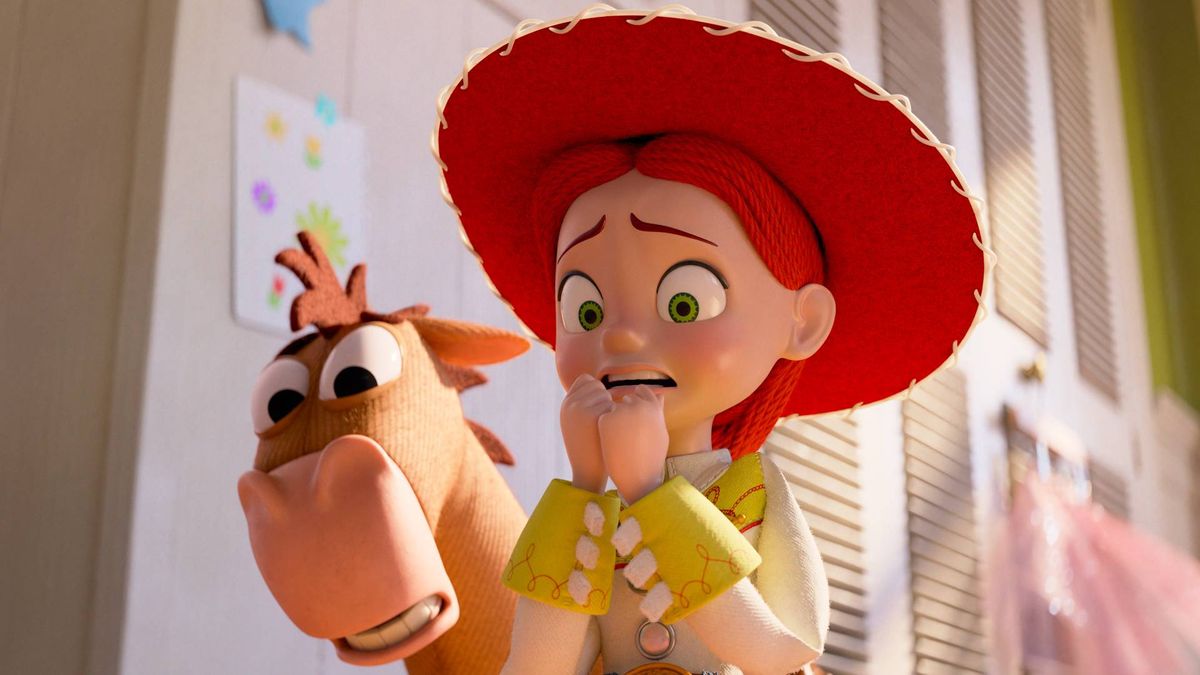
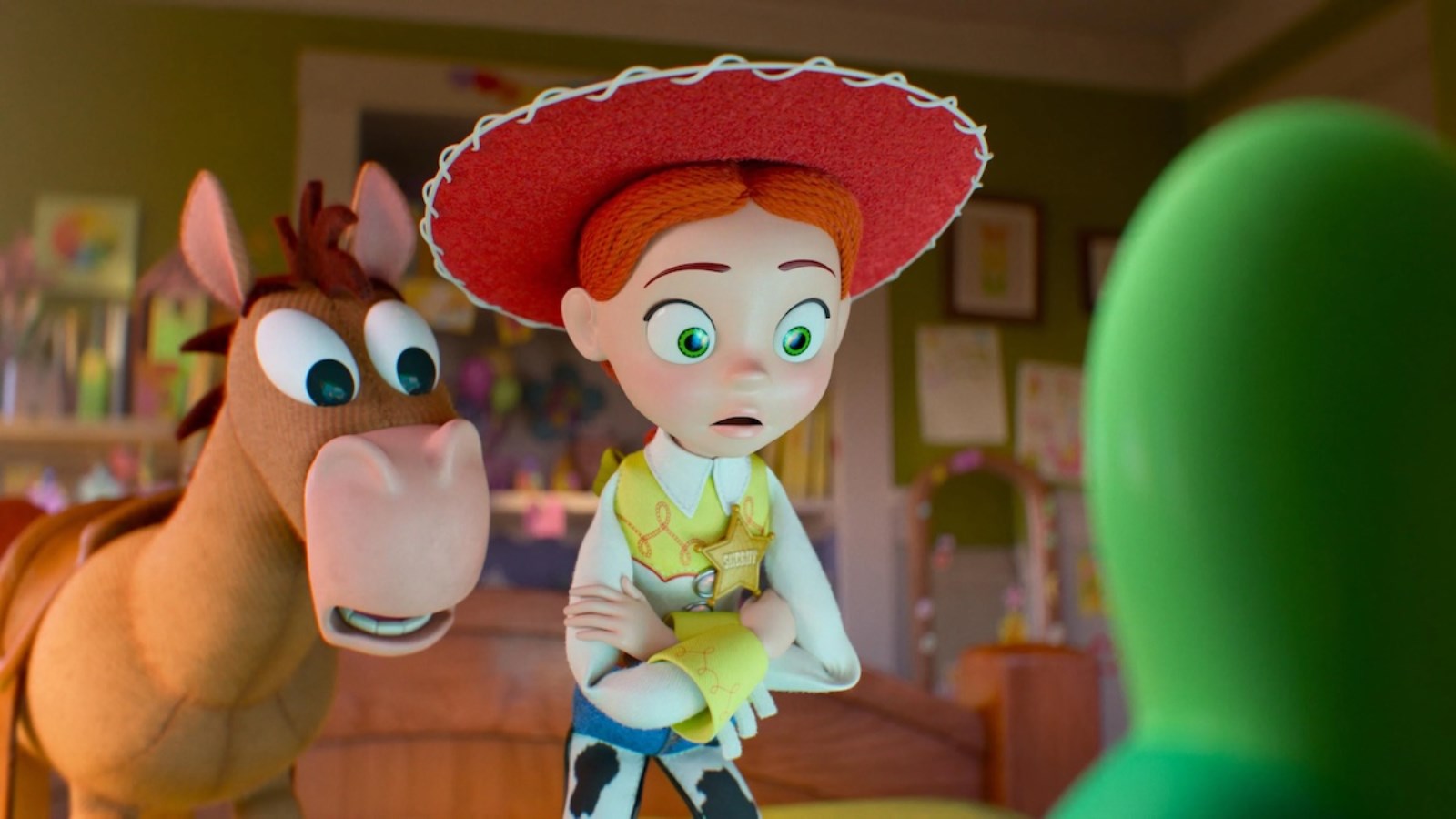
Toy Story 5's overwhelming critical reception and projected $150M-$175M opening weekend (June 19, 2026) signals a major merchandise opportunity window for e-commerce sellers across toys, collectibles, apparel, and home décor categories. The film's box office performance—tracking above Inside Out 2's $154.2M and Moana 2's $139.7M openings—indicates sustained consumer engagement through early July and beyond, creating predictable demand spikes for licensed products. Director Andrew Stanton's introduction of the "Lilypad" tablet character and the film's thematic focus on toys versus technology creates merchandising angles around both classic Toy Story characters (Woody, Buzz, Jessie) and new product lines tied to modern childhood narratives.
Merchandise Category Opportunities: The film's critical praise—described as "deeply profound," "generation-defining," and comparable to Toy Story 2 and 3—positions it as a multi-generational purchase driver. Sellers should prioritize: (1) Action figures and collectibles (Woody, Buzz, Jessie variants; new character Lilypad merchandise), (2) Licensed apparel (t-shirts, hoodies, pajamas targeting children ages 4-12 and nostalgic adults 25-40), (3) Home décor (bedding, wall art, storage solutions), and (4) Tech accessories (tablet cases, screen protectors themed to Lilypad character). Historical data from Inside Out 2 (2024) and Moana 2 (2023) shows merchandise sales peak 2-4 weeks post-theatrical release, then sustain elevated levels through back-to-school season (August-September).
Platform and Regional Dynamics: Amazon, eBay, and Shopify sellers should expect highest demand in US and EU markets where theatrical releases drive immediate consumer awareness. The film's June 19 opening creates a 90-day selling window (June-August) before demand normalizes in September. Sellers with existing Toy Story inventory should increase stock 30-50% by early June; new sellers should source products by May 15 to capture peak demand. Disney's distribution control means official licensed products command premium pricing (20-35% higher margins than generic toys), making licensed inventory a priority over unlicensed alternatives. Cross-border sellers targeting EU markets should verify Disney licensing compliance and VAT registration by June 1 to avoid fulfillment delays during peak season.
Competitive and Operational Considerations: The film's emphasis on human connection over technology (per critical analysis) may drive demand for traditional toys over tech gadgets, favoring sellers with strong toy and collectible inventory. Pixar's recent theatrical struggles (Lightyear's $50.5M opening) make Toy Story 5's projected performance a confidence signal for sustained consumer spending on family entertainment products. Sellers should monitor Amazon Best Seller Rank (BSR) in toys/collectibles categories starting June 10 to identify trending products and adjust PPC budgets accordingly. Fulfillment capacity becomes critical: 3PL providers and FBA sellers should reserve warehouse space by May 31 to handle 40-60% volume increases typical during major film releases. Shipping to US and EU markets may experience 3-5 day delays during peak weeks (June 19-July 10), requiring sellers to set realistic delivery expectations in listings.
Questions 8
What PPC and marketing strategies should sellers use for Toy Story 5 products?
Launch Amazon Sponsored Products campaigns by June 10, targeting keywords like 'Toy Story 5,' 'Woody action figure,' 'Lilypad merchandise,' and character-specific terms. Allocate 15-25% of projected revenue to PPC during peak weeks (June 19-July 17) to capture high-intent search traffic. Monitor conversion rates and adjust bids based on BSR performance in toys/collectibles categories. Leverage seasonal keywords: 'Toy Story 5 birthday gifts,' 'summer toys for kids,' 'collectible action figures.' Cross-platform strategy: use eBay Promoted Listings and Shopify paid ads to diversify traffic. Email marketing to existing customers: highlight new Toy Story 5 inventory 1-2 weeks before theatrical release to build early demand.
How do film releases impact Amazon FBA and 3PL fulfillment capacity?
Major film releases drive 40-60% volume increases in related merchandise categories, creating fulfillment bottlenecks during peak weeks (June 19-July 10). FBA sellers should reserve warehouse space by May 31 and expect 3-5 day shipping delays during peak demand. 3PL providers typically increase rates 10-15% during peak season; sellers should negotiate capacity commitments by May 1. Shipping to US and EU markets may experience delays; set customer expectations for 5-7 day delivery during peak weeks. Consider regional fulfillment strategies: pre-position inventory in US and EU warehouses by June 1 to minimize transit times and reduce fulfillment costs.