

AI-Powered Medical Imaging Revolution: Philips Transforms Coronary Disease Diagnostics
- Strategic acquisition signals massive technological convergence in medical imaging and AI diagnostics







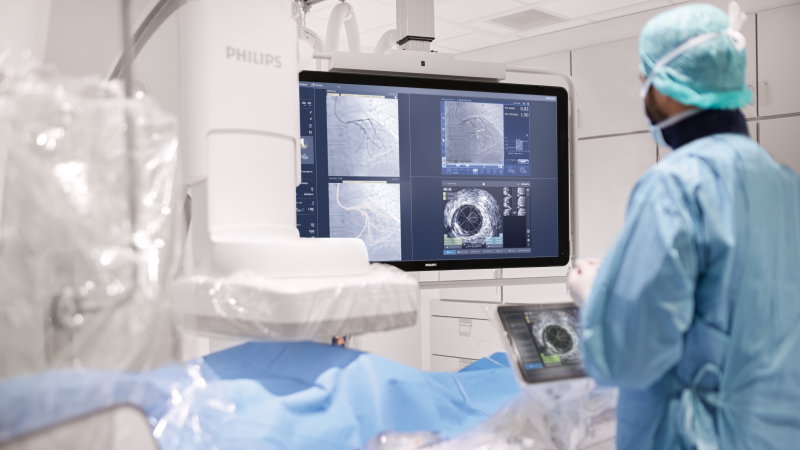
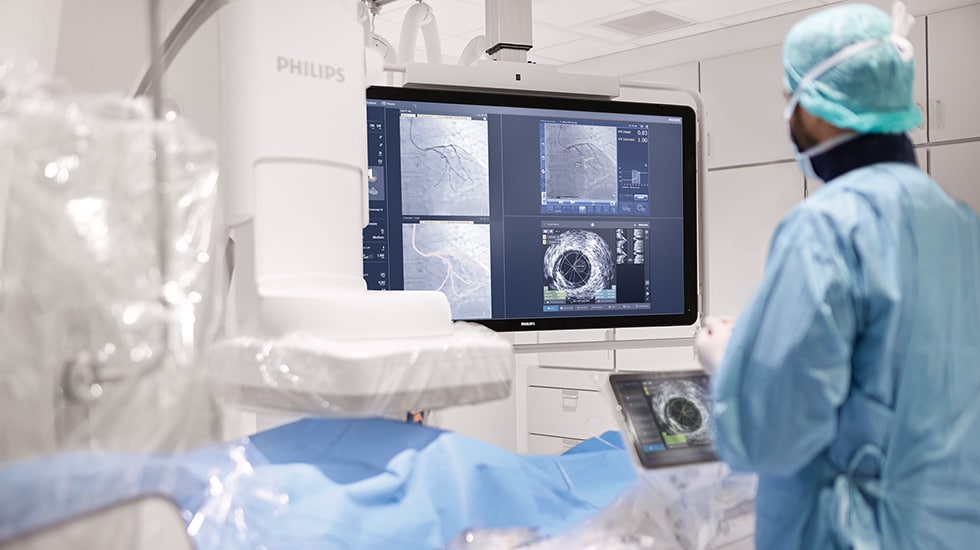



Overview
Medical technology is experiencing a profound transformation through strategic technological convergence, as exemplified by Philips' groundbreaking $70 million acquisition of SpectraWAVE Inc. This move represents far more than a simple corporate transaction—it's a calculated leap into the future of AI-powered diagnostic imaging.
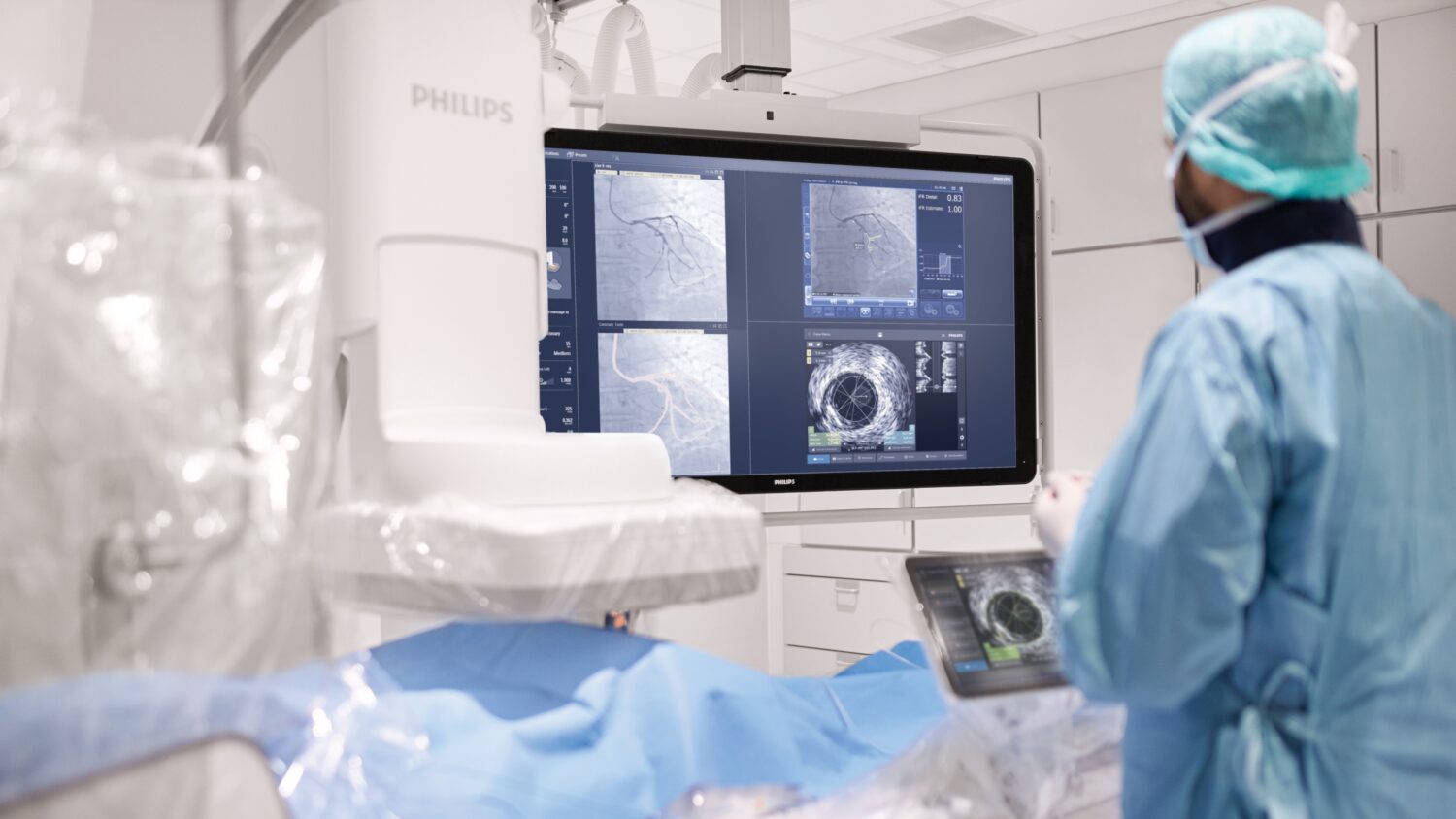
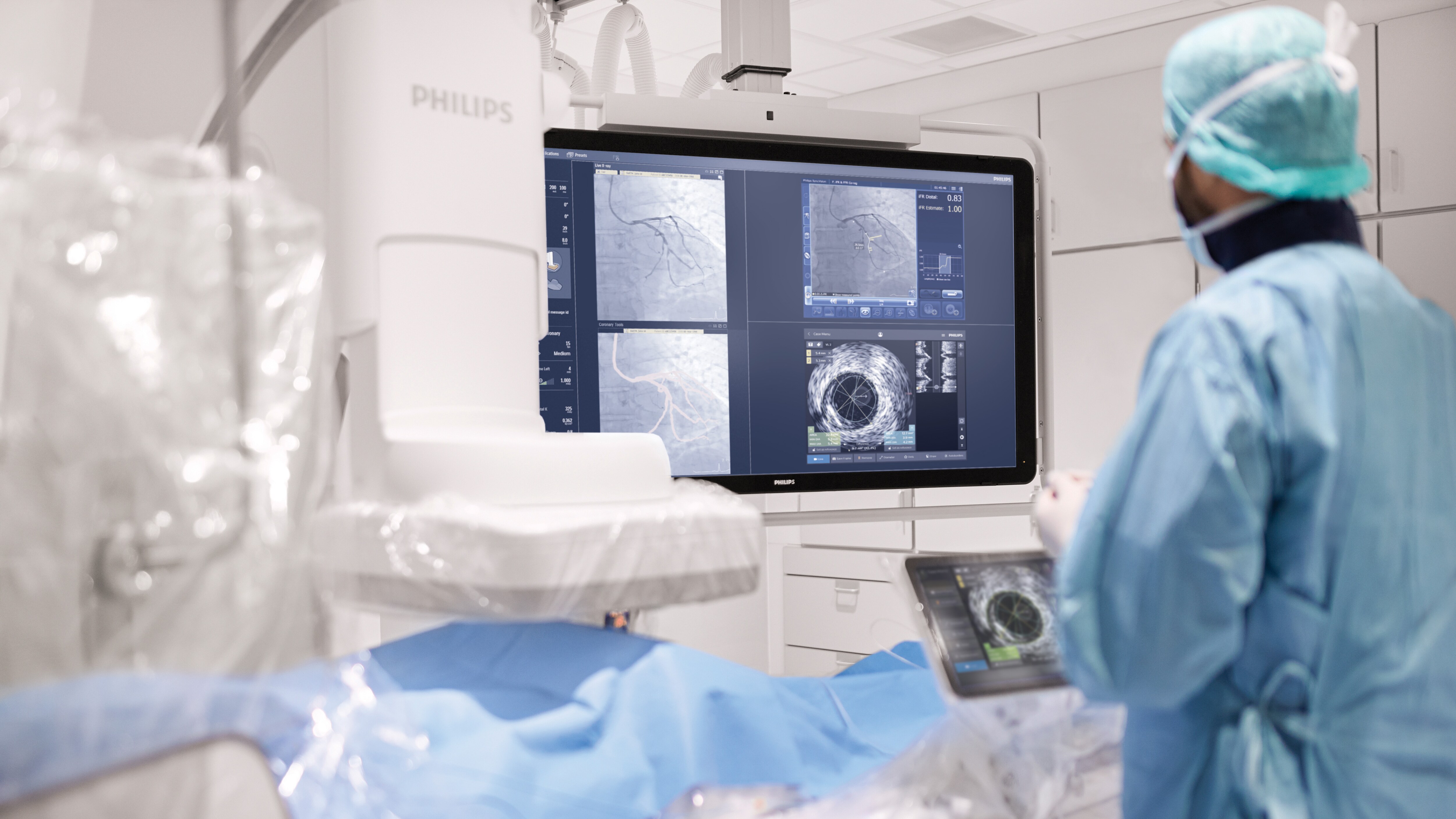
Technological Integration as a Competitive Strategy emerges as the core narrative. By acquiring SpectraWAVE, Philips is not merely purchasing a company, but strategically integrating two critical technologies: the HyperVue Imaging System and X1-FFR software. These innovations represent a quantum leap in coronary disease diagnostics, combining deep learning, near-infrared spectroscopy, and real-time physiological assessment into a unified diagnostic platform.
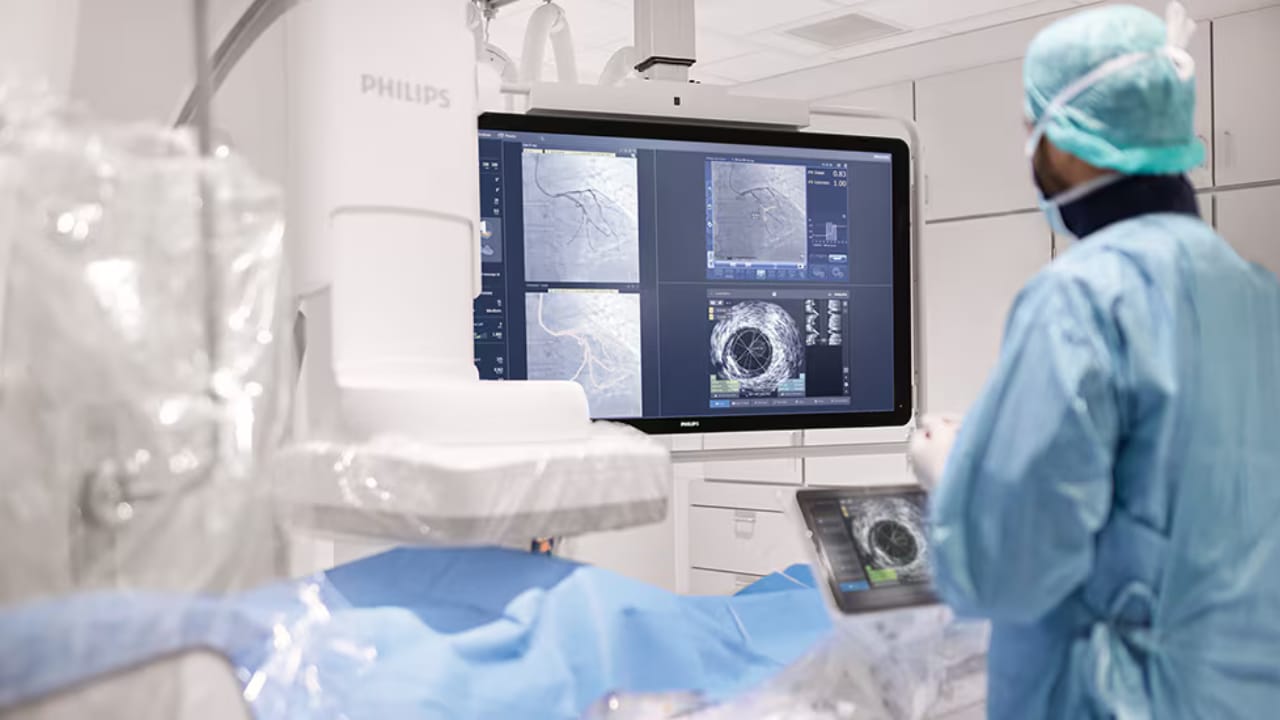
The acquisition's significance extends beyond immediate technological capabilities. With SpectraWAVE's FDA-cleared X1-FFR software and its ability to automatically highlight and track targeted vessels during X-ray procedures, Philips is positioning itself at the cutting edge of minimally invasive medical interventions. The platform already serves 7.6 million patients across 80 countries, suggesting massive scalability and global impact.
Regulatory and Technological Convergence is the underlying trend. By integrating AI-powered imaging solutions with existing technologies like Eagle Eye Platinum and the Azurion intervention system, Philips is creating a comprehensive ecosystem that transforms how clinicians diagnose and treat coronary diseases. The strategic move signals a broader industry shift towards technology-driven, precision medical diagnostics.
Critically, this acquisition represents more than a technological upgrade—it's a strategic repositioning in the medical technology landscape. The partnership between Philips and SpectraWAVE demonstrates how advanced AI and imaging technologies can fundamentally reimagine disease diagnosis, moving from reactive to predictive healthcare models.
For medical technology investors, healthcare providers, and technology strategists, this acquisition offers a clear signal: the future of medical diagnostics lies in the seamless integration of artificial intelligence, advanced imaging, and real-time physiological assessment.
Questions 3
What makes the X1-FFR software a significant technological advancement?
The X1-FFR software represents a major leap in diagnostic technology by automatically highlighting and tracking targeted vessels during X-ray procedures. With FDA clearance, it enables clinicians to perform precise medical interventions using AI-powered real-time blood flow readouts, significantly improving diagnostic accuracy and patient outcomes.
What are the broader implications of this acquisition for medical technology?
This acquisition signals a transformative trend towards technology-driven, predictive healthcare. By integrating AI, advanced imaging, and physiological assessment, medical technology is moving from reactive diagnosis to proactive, precision-based interventions. It demonstrates how strategic technological convergence can fundamentally reimagine disease diagnosis and treatment approaches.