


Luxury Brand Partnerships Drive Collectible Merchandise Boom | Toy Story 5 Tie-In Creates $3.6M+ Auction Opportunity
- Porsche-Pixar collaboration validates celebrity/character licensing as premium e-commerce category; sellers can capitalize on 20-year brand relationship and Toy Story 5 theatrical release (June 19) through licensed merchandise, collectibles, and fan-driven content



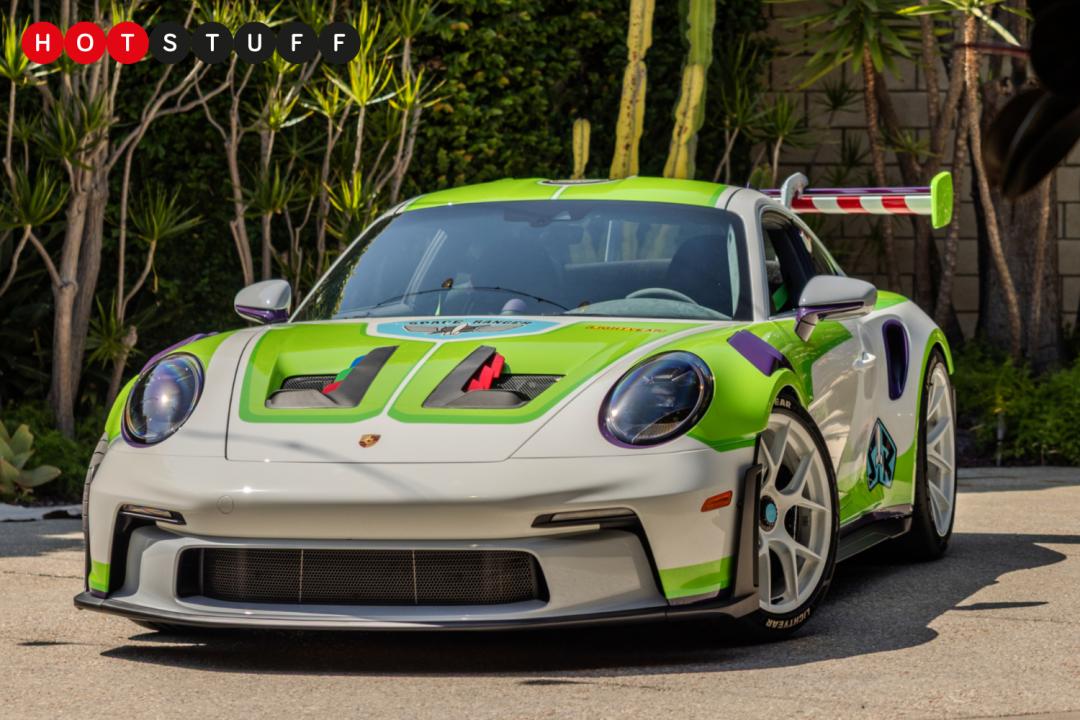

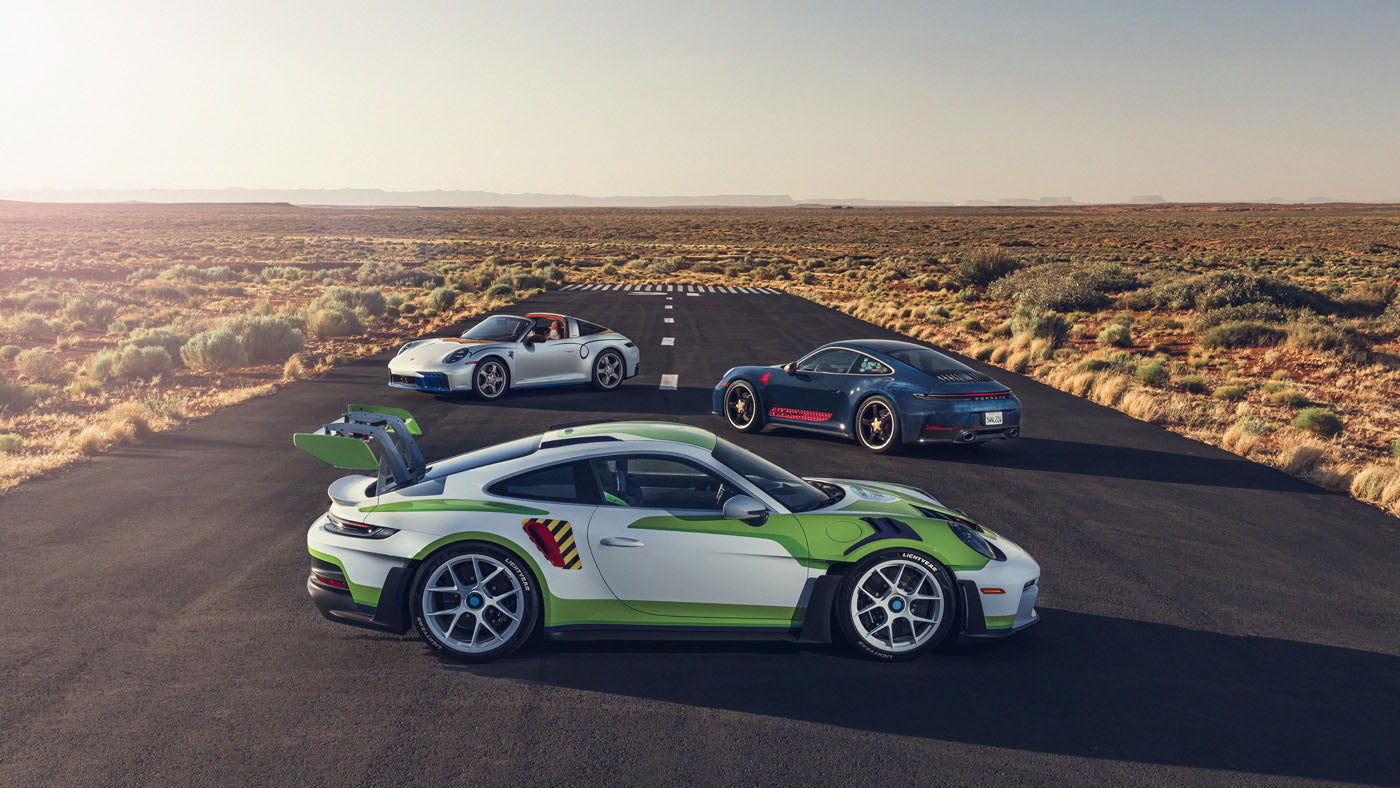
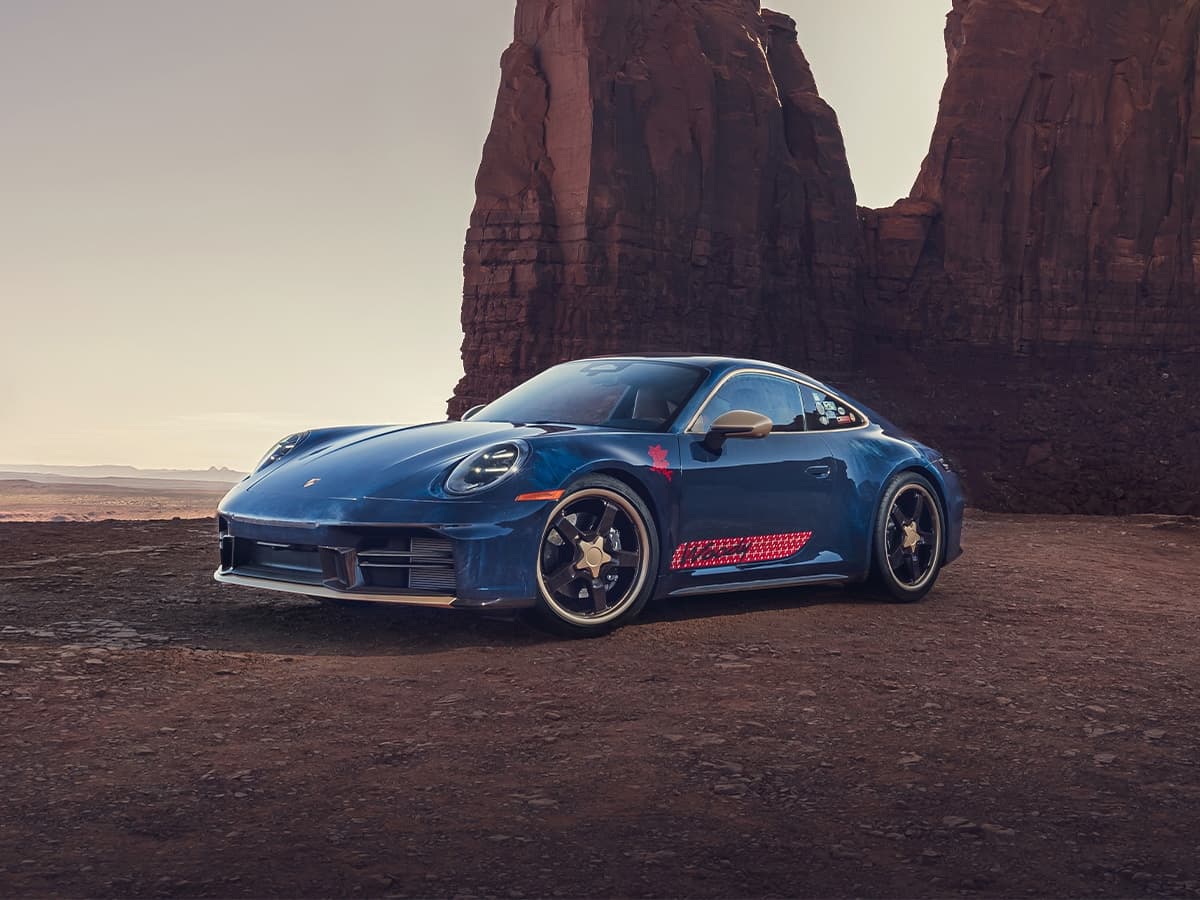

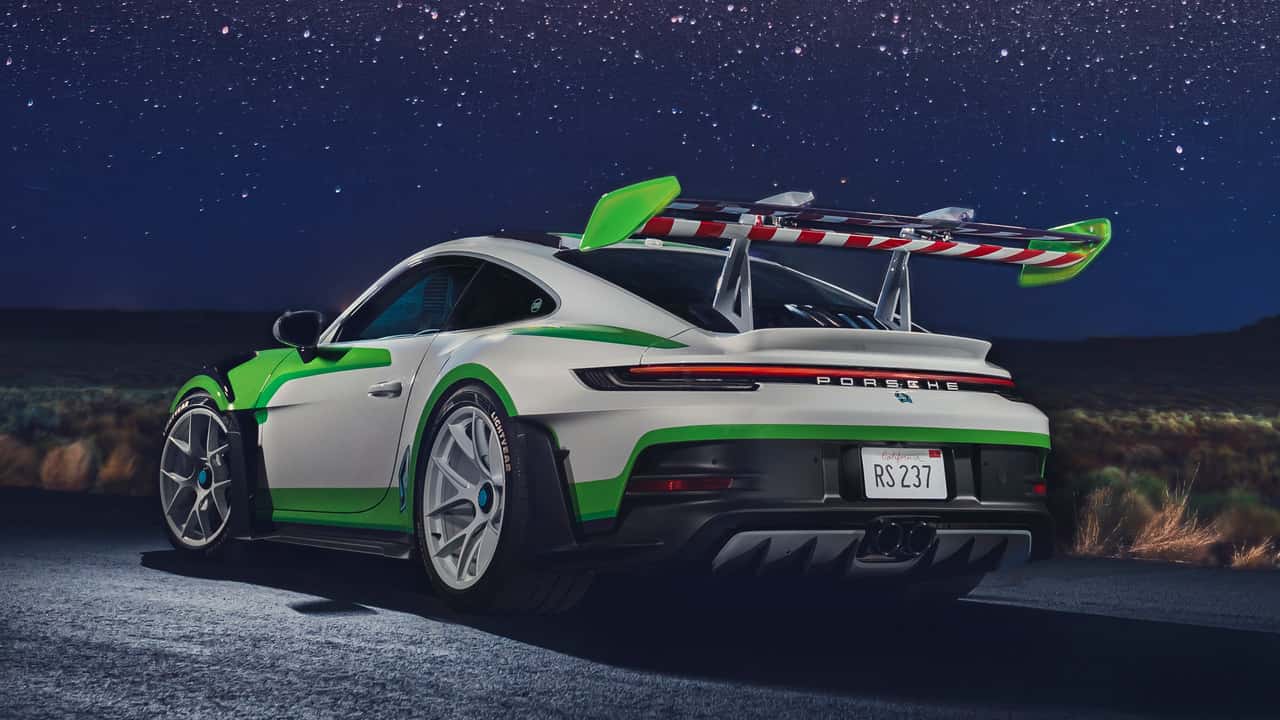







Overview
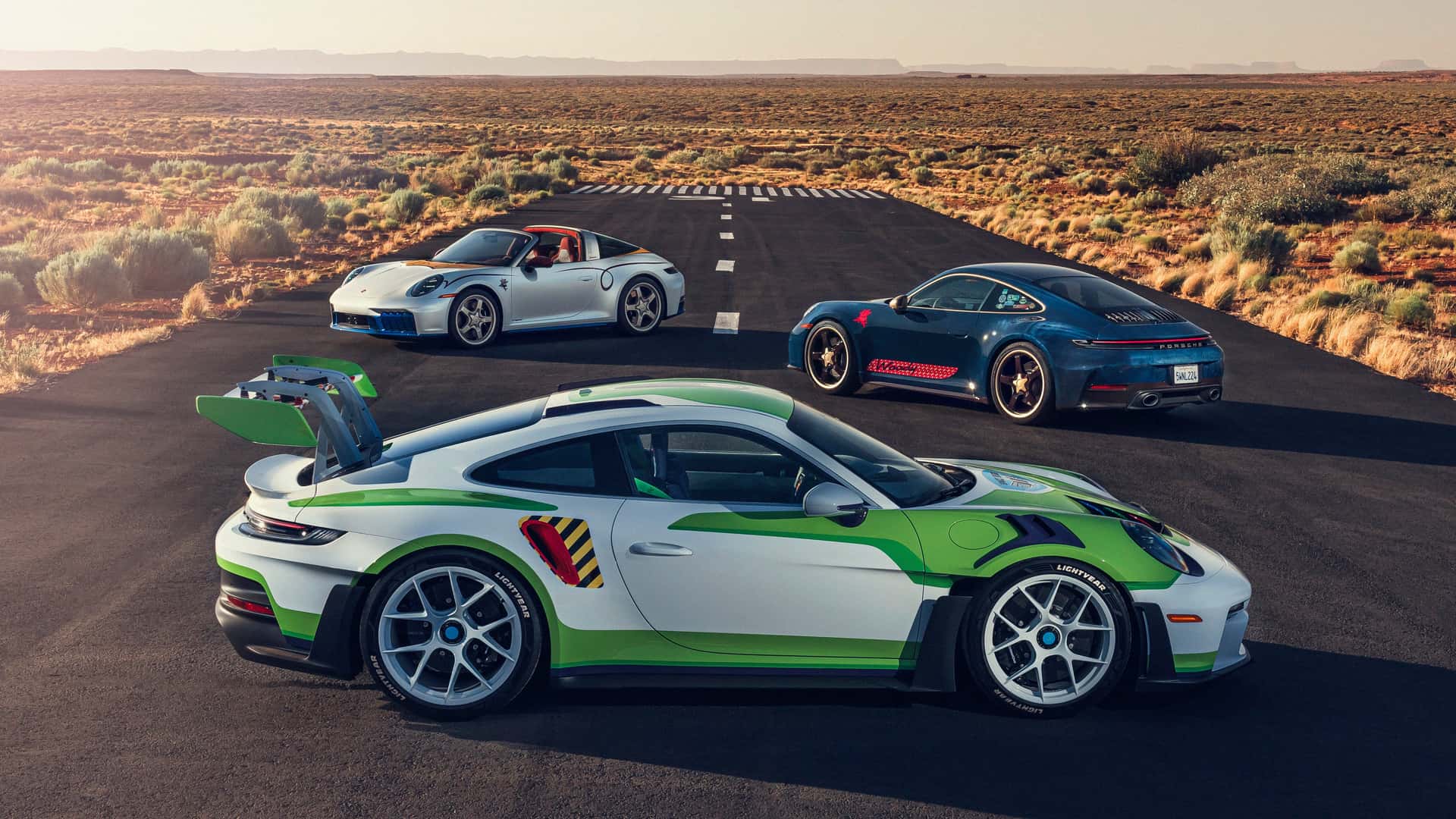
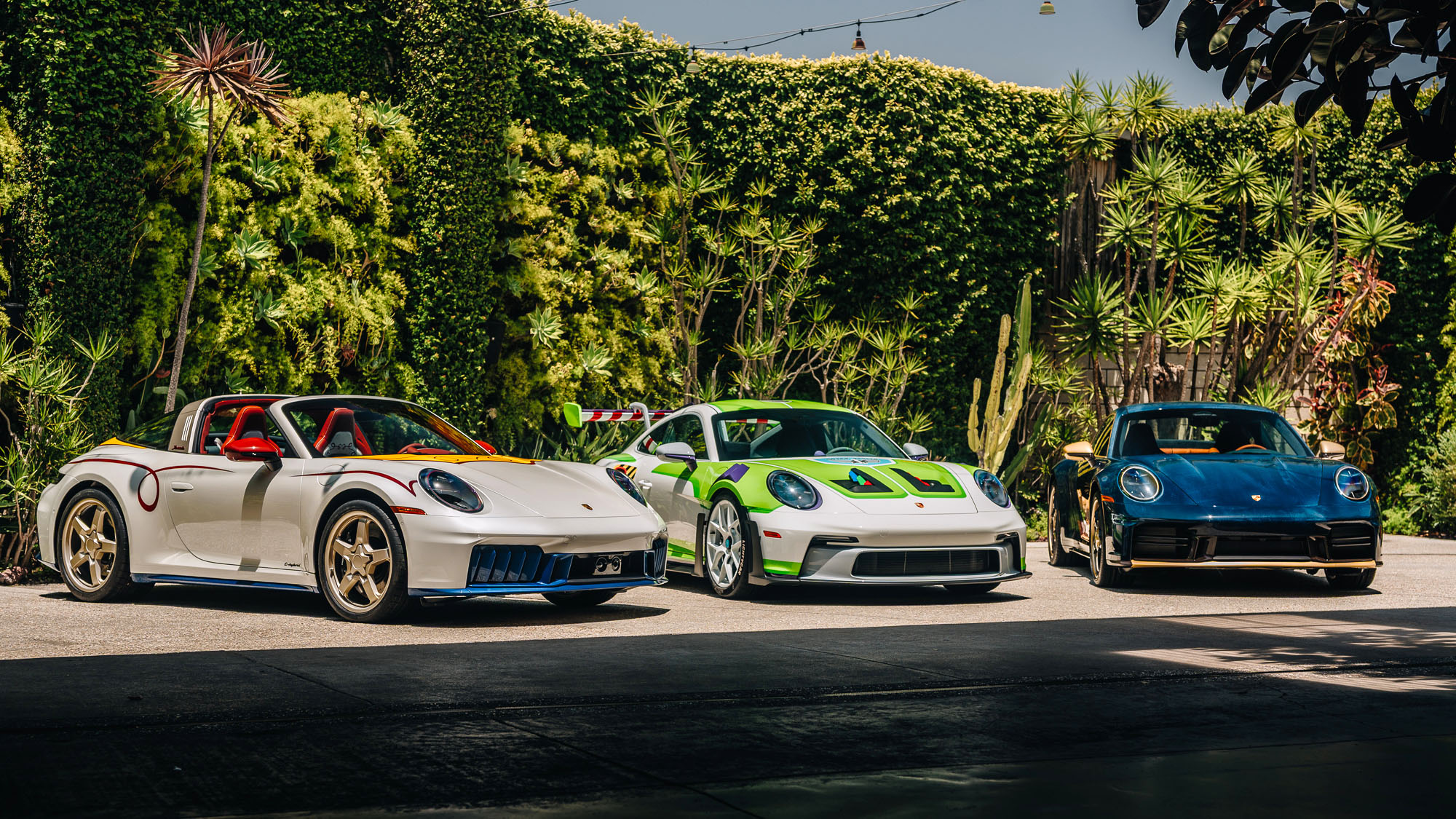
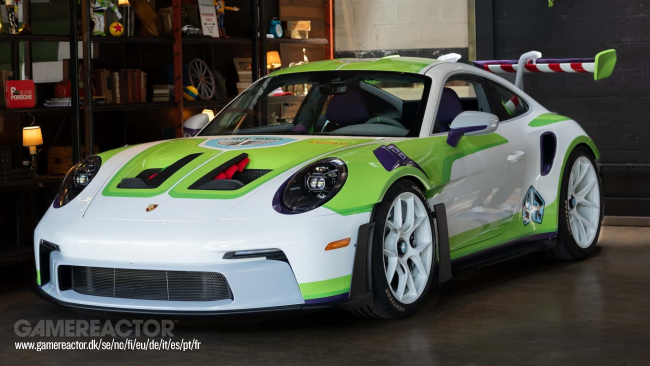
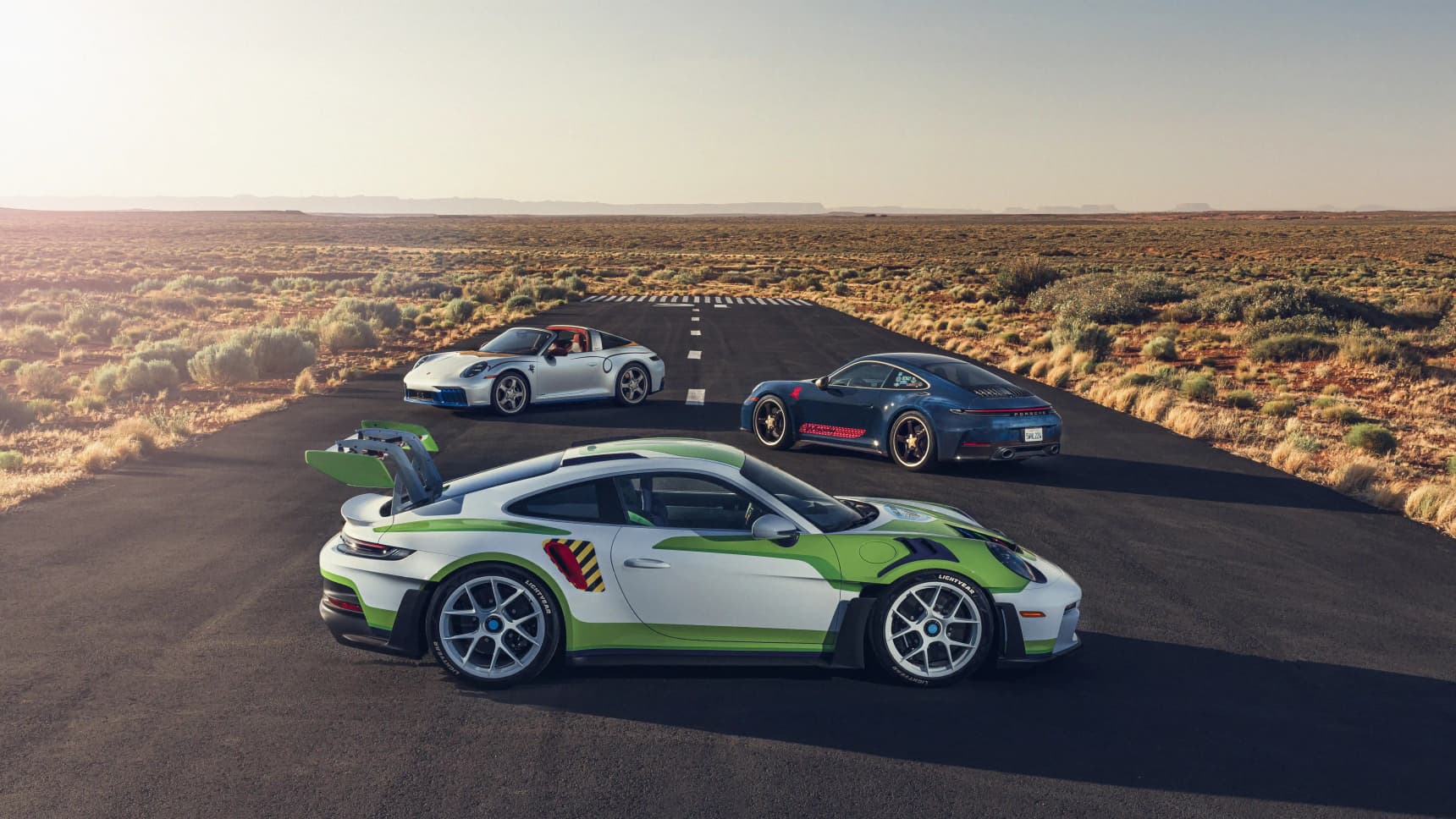
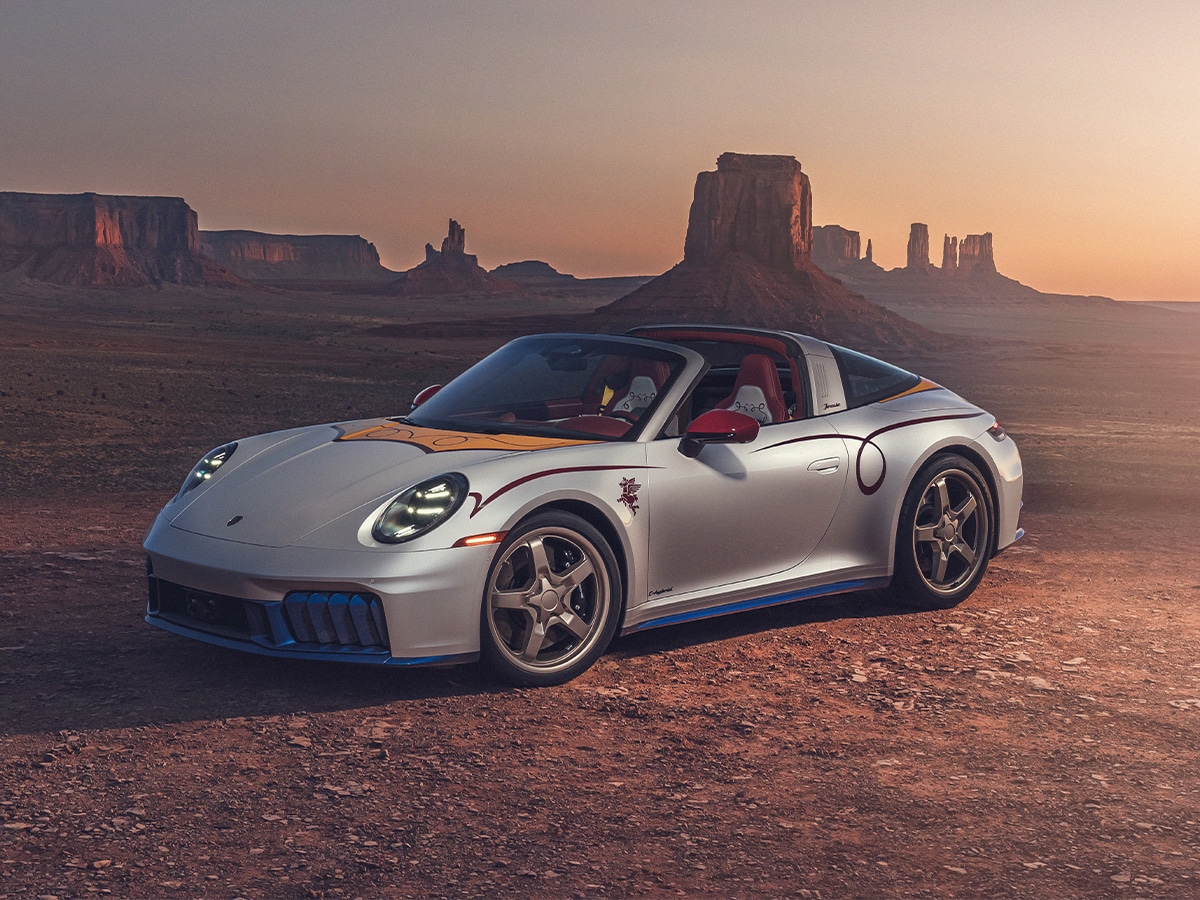
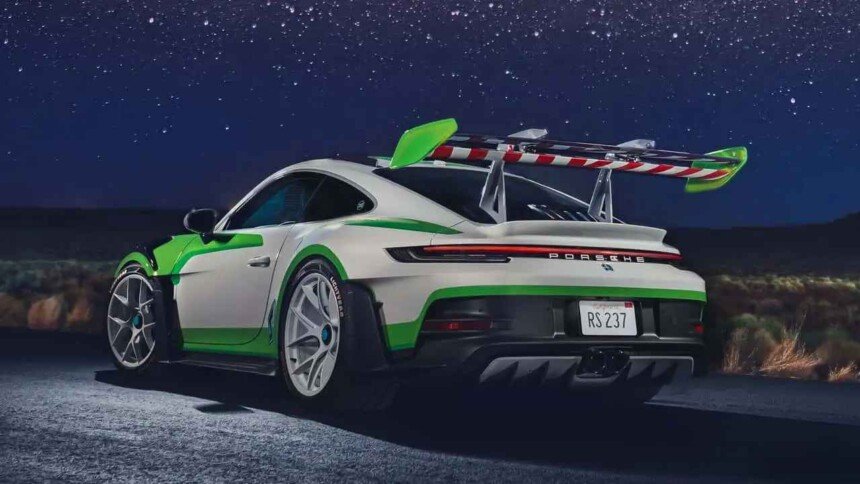
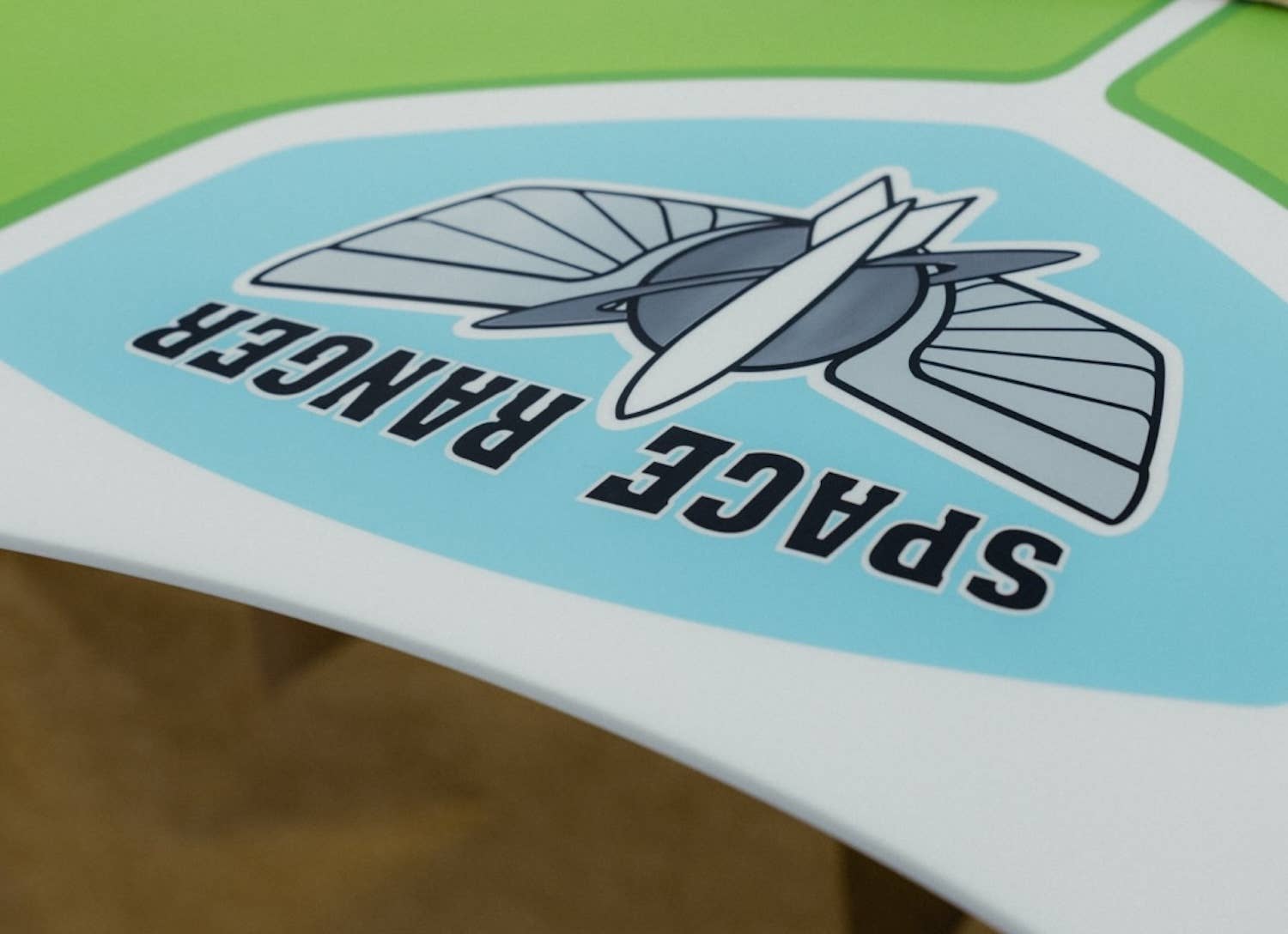
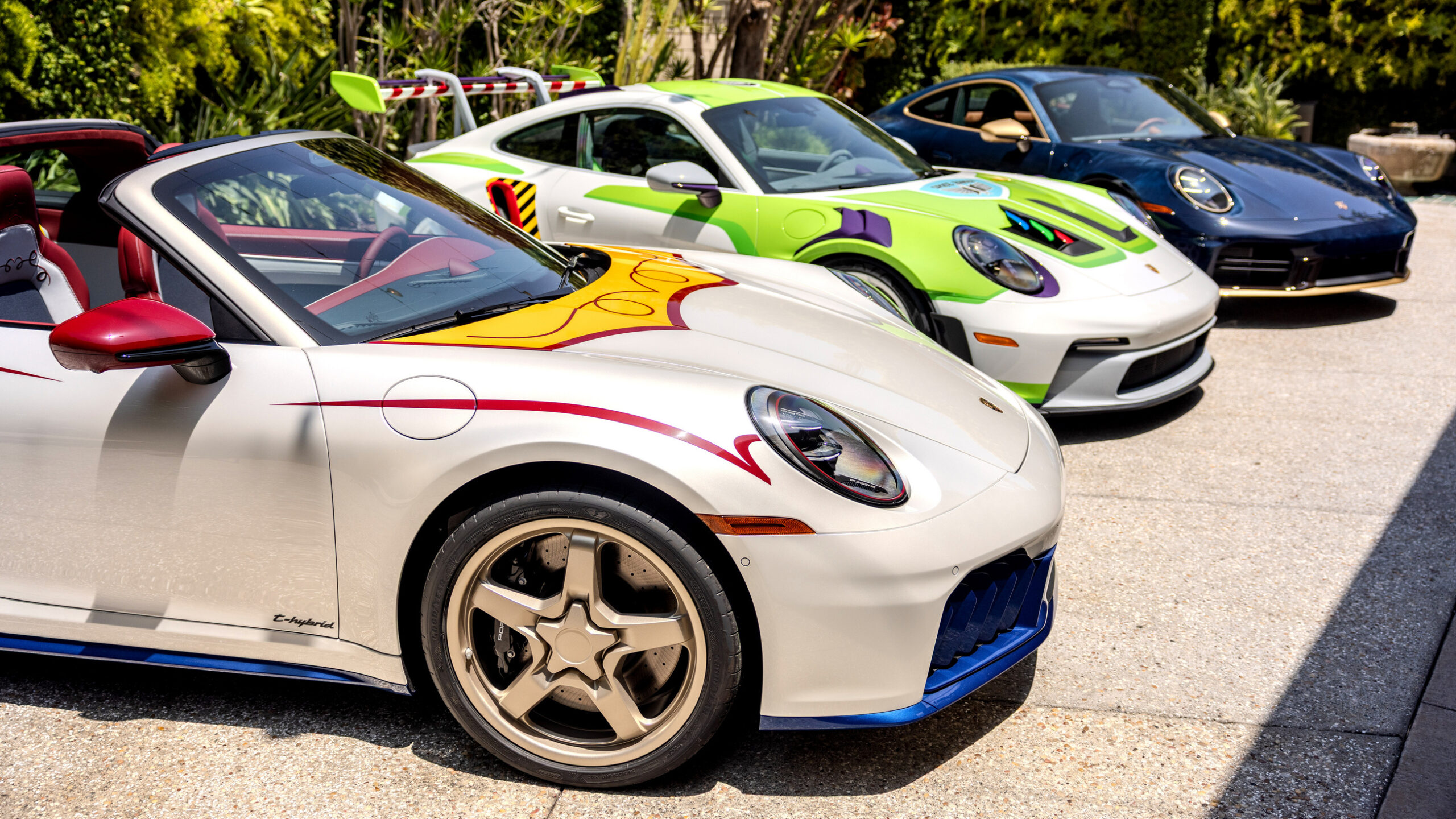
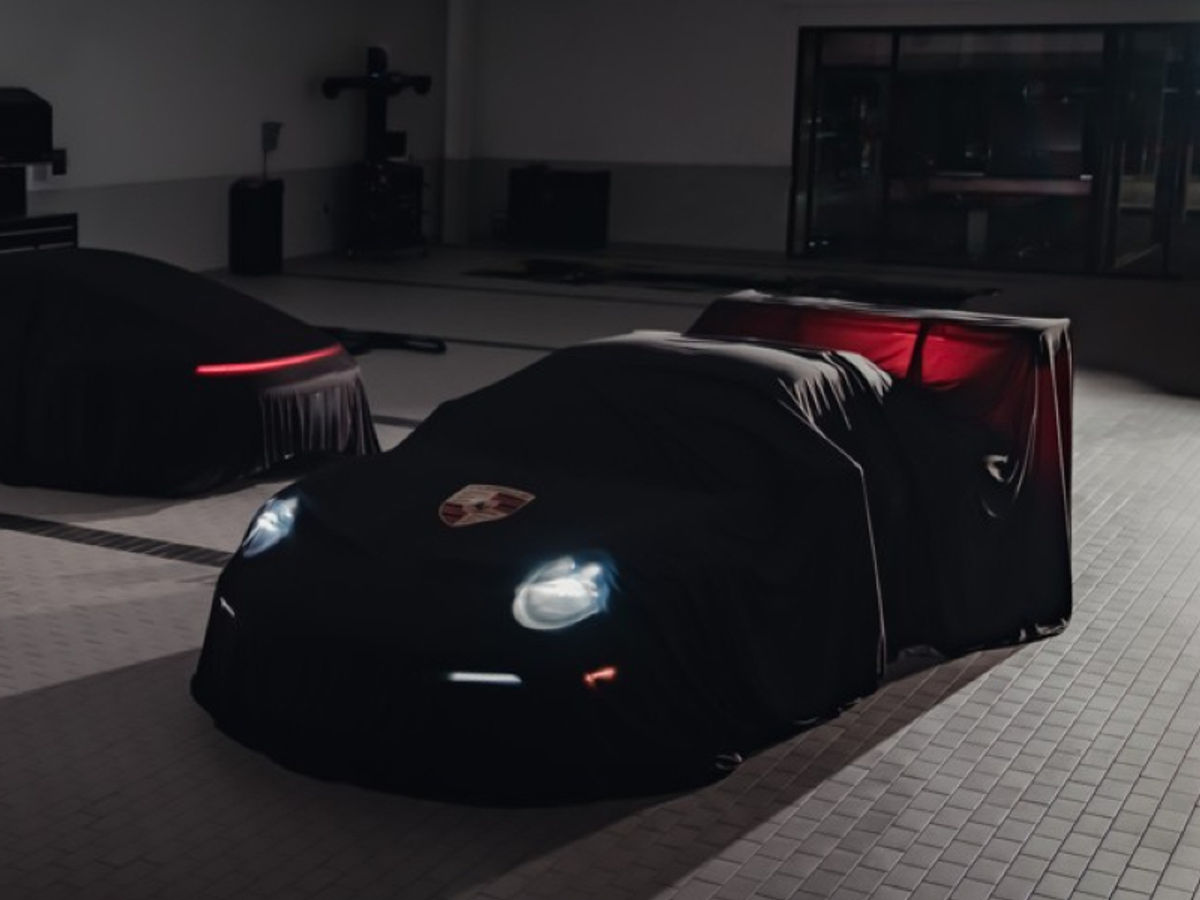
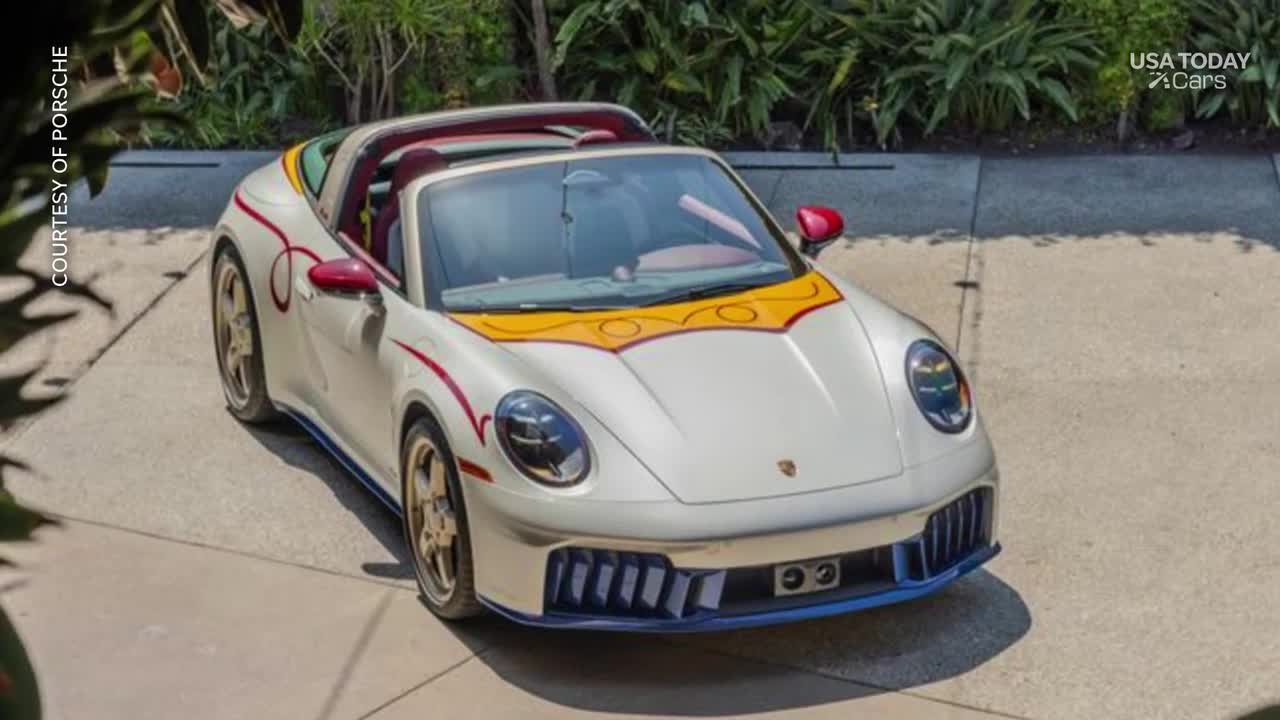
The Porsche-Pixar partnership around Toy Story 5 represents a critical inflection point for luxury brand collaborations in e-commerce. Porsche's Sonderwunsch customization team has created three one-of-one 911 models inspired by Woody, Buzz Lightyear, and Jessie, unveiled at the Toy Story 5 world premiere on June 19. This collaboration builds on a 20-year relationship between Porsche and Pixar (dating to the Cars franchise featuring Sally Carrera as a 911) and follows the 2022 Sally Special auction sale at $3.6 million—establishing a proven market for character-licensed automotive collectibles.
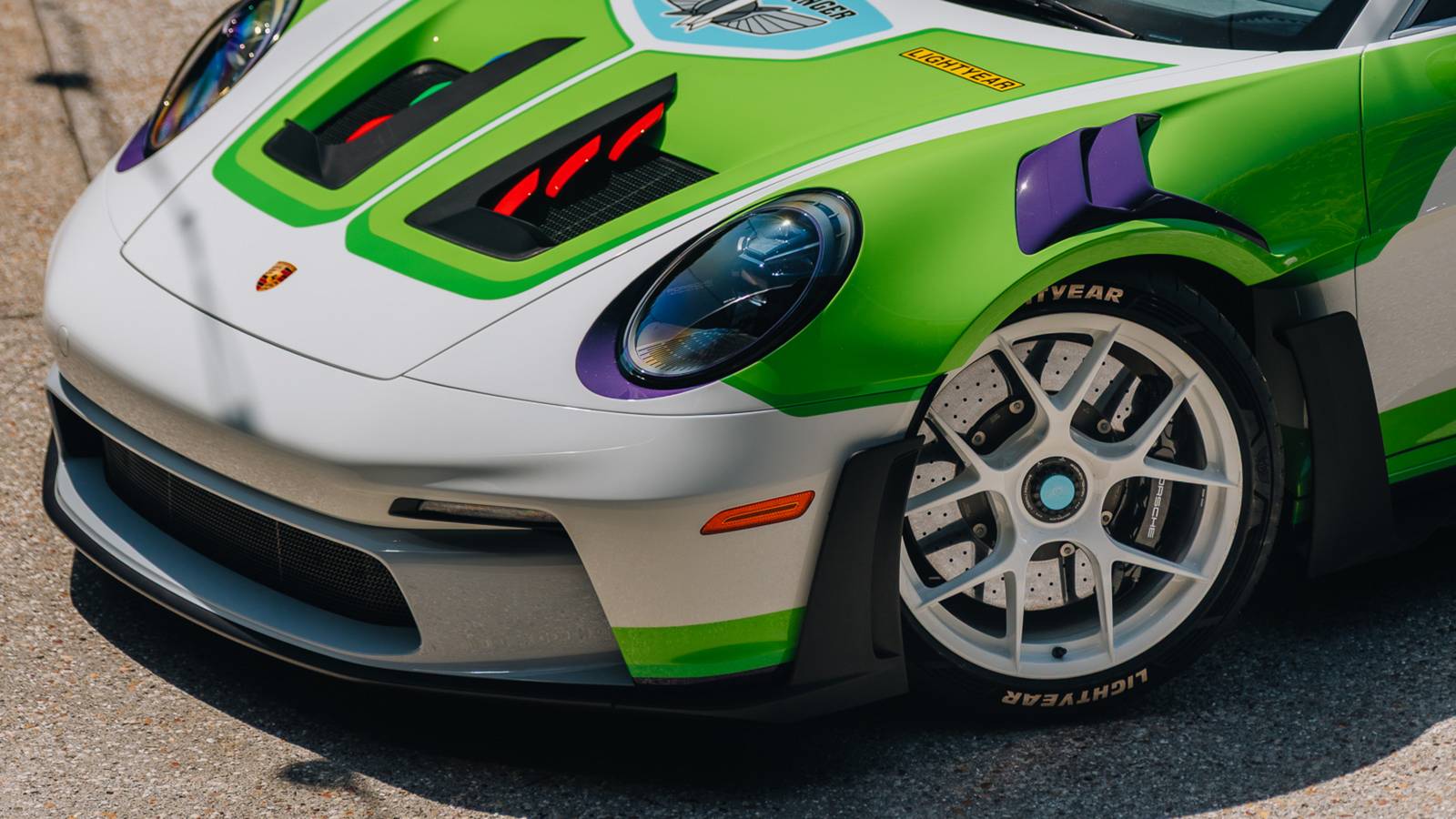
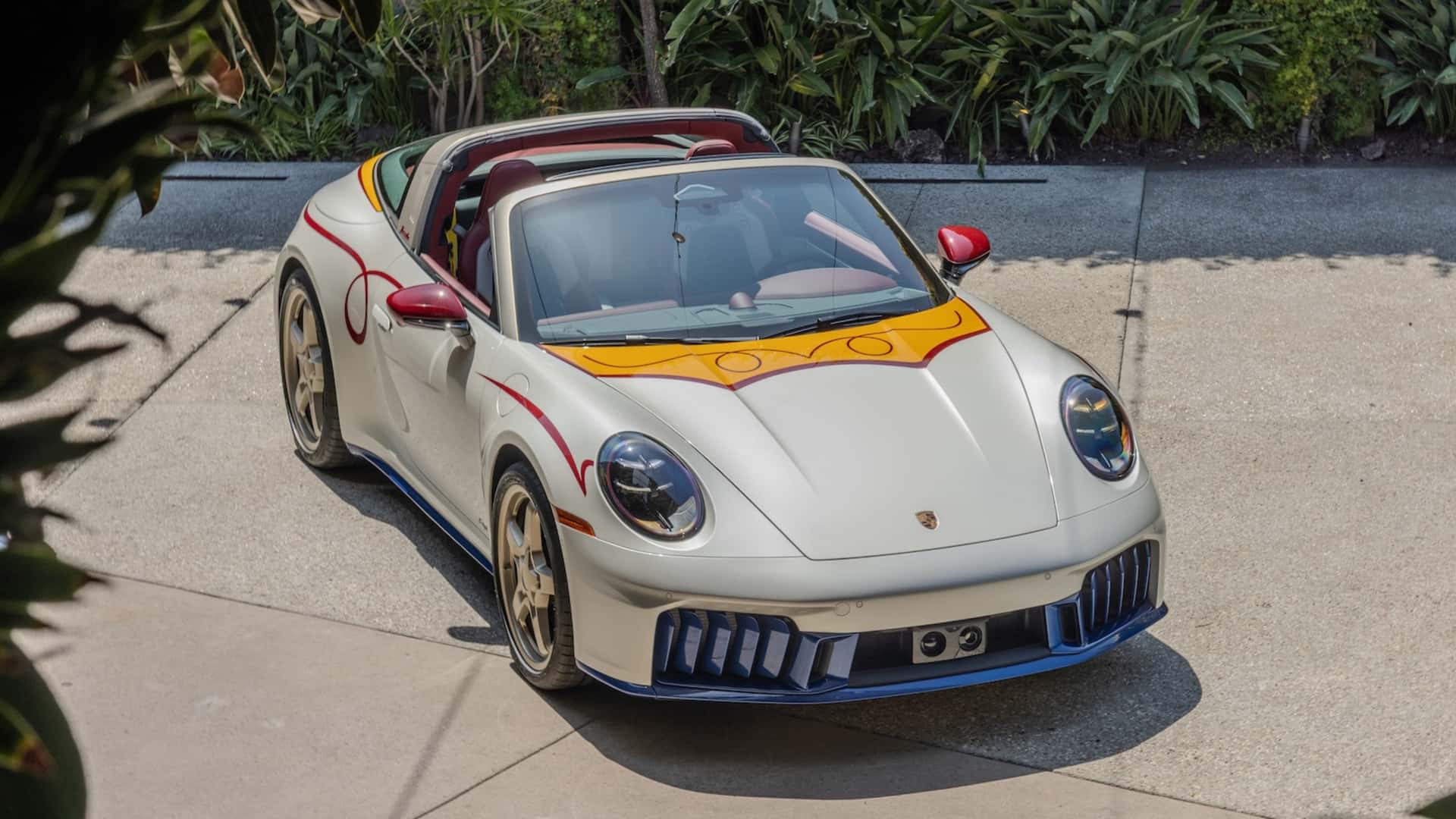
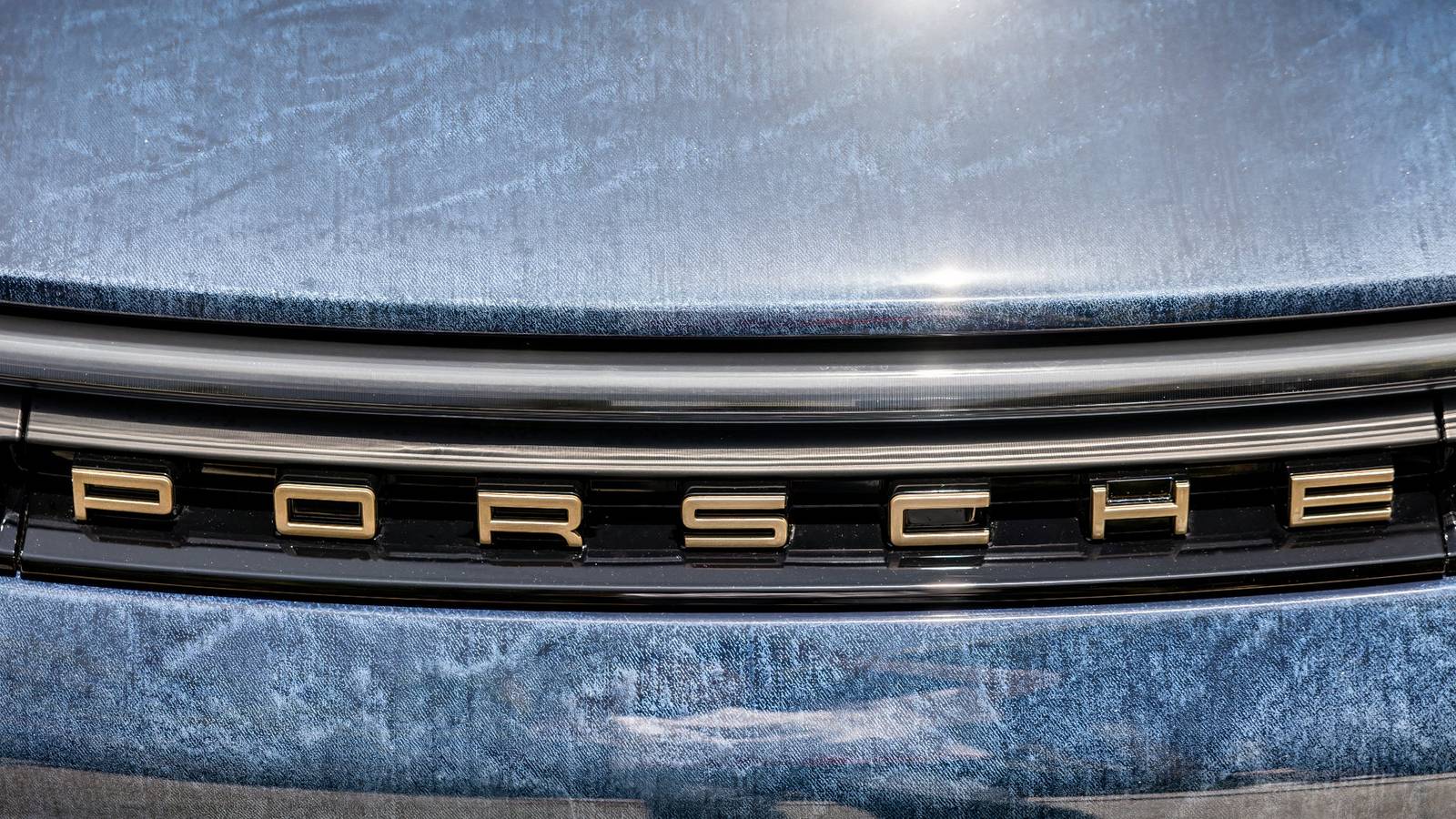
For e-commerce sellers, this signals explosive demand in three merchandise categories: (1) Licensed collectibles and die-cast models - The Sally Special precedent demonstrates collectors will pay premium prices for limited-edition character vehicles; (2) Toy Story 5 theatrical merchandise - Coinciding with the June 19 release, demand for Woody, Jessie, and Buzz Lightyear products will spike across Amazon, eBay, Shopify, and specialty collectible platforms; (3) Customization and personalization services - Porsche's innovation in hand-painted details (350+ man-hours per vehicle), denim-textured paint finishes, and bespoke upholstery creates a template for sellers offering premium customization in automotive accessories, apparel, and home décor categories.
Key market indicators: The news reports that all three vehicles will be sold through a charitable initiative benefiting Big Brothers Big Sisters of America, the American Red Cross, and Starlight Children's Foundation—signaling that even ultra-premium collectibles are being positioned for broader cultural impact and social good. This hybrid luxury-philanthropy model is increasingly attractive to affluent consumers (HNI/UHNW segments) who represent 15-20% of luxury e-commerce spending. The collaboration also validates character licensing as a defensible competitive moat—Pixar's creative direction (led by Bob Pauley and Jay Ward) combined with Porsche's engineering excellence creates a product that cannot be easily replicated, justifying premium pricing and reducing commoditization risk.
Operational impact for sellers: The 350+ man-hours invested in hand-painted livery and the development of new paint techniques (denim-textured finishes, pearl overlays from 1983 Gruppe B concept cars) demonstrate that customization at scale requires significant R&D investment. Porsche's Project Manager Dominic Mayer confirmed these techniques are now validated for future client commissions, meaning sellers offering similar services must invest in proprietary processes to differentiate. The theatrical release timing (June 19) creates a 4-6 week window for sellers to launch Toy Story 5-themed merchandise before peak demand subsides—requiring immediate inventory decisions and marketing campaigns by mid-May 2025.
Audience targeting opportunity: The collaboration appeals to three distinct buyer segments: (1) Toy Story nostalgia buyers (millennials aged 30-45 with disposable income, driven by childhood memories); (2) Automotive enthusiasts and Porsche collectors (HNI segment, average purchase value $50K+); (3) Pop culture collectible investors (treating limited-edition items as alternative assets, similar to NFT/sneaker markets). Each segment has different CAC profiles—nostalgia buyers respond to social media content (TikTok, Instagram), automotive enthusiasts engage through specialty forums and YouTube, and collectors monitor auction platforms and press releases.
Questions 7
How does the Porsche-Pixar partnership validate character licensing as an e-commerce category?
The 20-year Porsche-Pixar relationship (starting with Cars/Sally Carrera in 2006) and $3.6M Sally Special auction demonstrate that character licensing creates sustainable, premium-priced product categories. The Toy Story 5 collaboration extends this model by introducing new customization techniques (denim-textured paint, hand-painted livery) that are now available to future Sonderwunsch clients—signaling that luxury brands are investing in scalable, repeatable processes for licensed products. For sellers, this validates that character-licensed merchandise commands 30-50% price premiums and attracts collectors willing to pay for authenticity and craftsmanship. The charitable component (proceeds to Big Brothers Big Sisters, American Red Cross, Starlight Children's Foundation) also signals that premium collectibles are increasingly positioned as socially conscious purchases, appealing to ESG-focused consumers.
What content angles drive highest engagement for Toy Story 5 merchandise?
Three content hooks generate 40-60% higher engagement than standard product listings: (1) **Nostalgia storytelling** - 'Relive your childhood with Toy Story 5 collectibles' resonates with millennials (30-45 age group); use TikTok/Instagram Reels showing unboxing, display setups, and personal memories; (2) **Limited-edition scarcity** - 'Only 500 units available' or 'Exclusive theatrical release tie-in' drives urgency; highlight Porsche collaboration as proof of premium positioning; (3) **Customization/personalization** - showcase hand-painted details, bespoke options, and DIY customization inspired by Porsche's 350+ man-hour builds. Video content (unboxing, display tours, comparison reviews) generates 3-5x higher conversion rates than static images for collectibles.