




South Africa Violence Crisis Signals Supply Chain Risk | Sellers Must Monitor Johannesburg Logistics
- June 2026 mass shooting in Johannesburg reflects 23,000+ annual homicides; impacts cross-border sellers shipping to South Africa and regional African markets through supply chain disruption and logistics uncertainty

























Overview
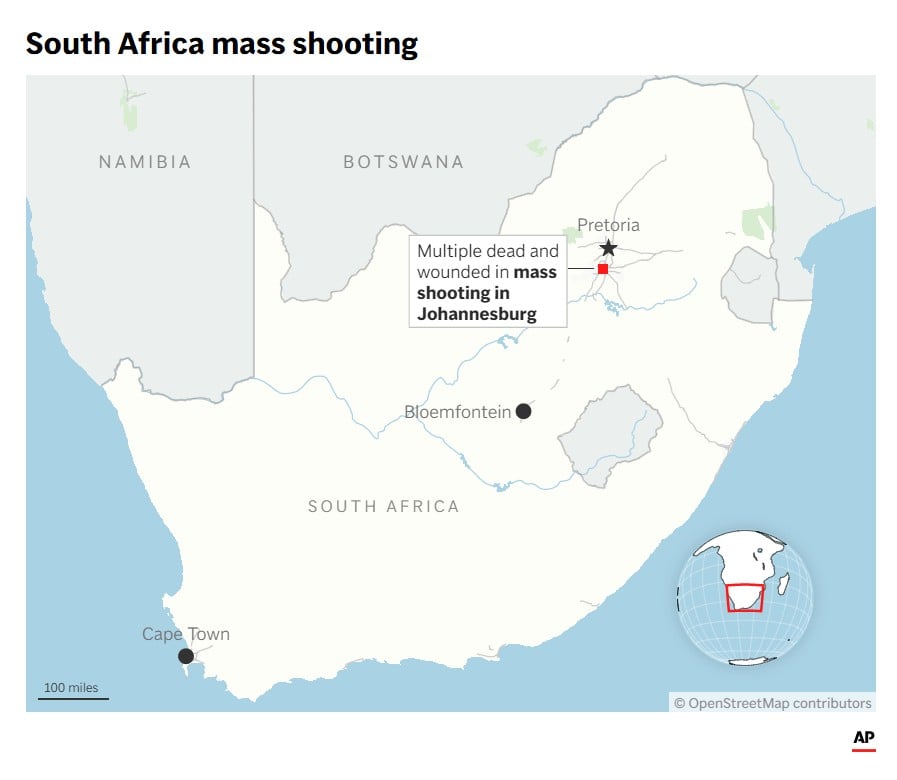
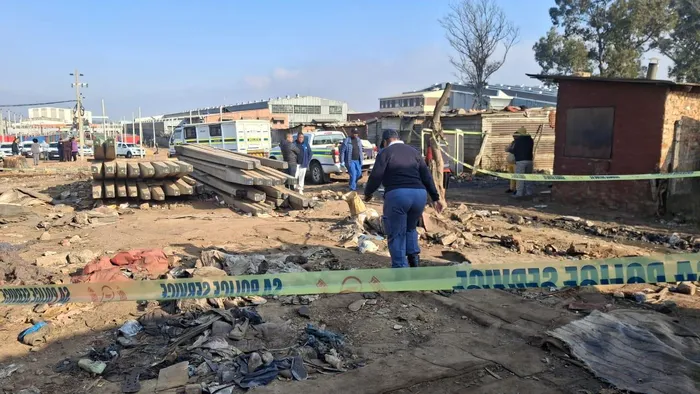
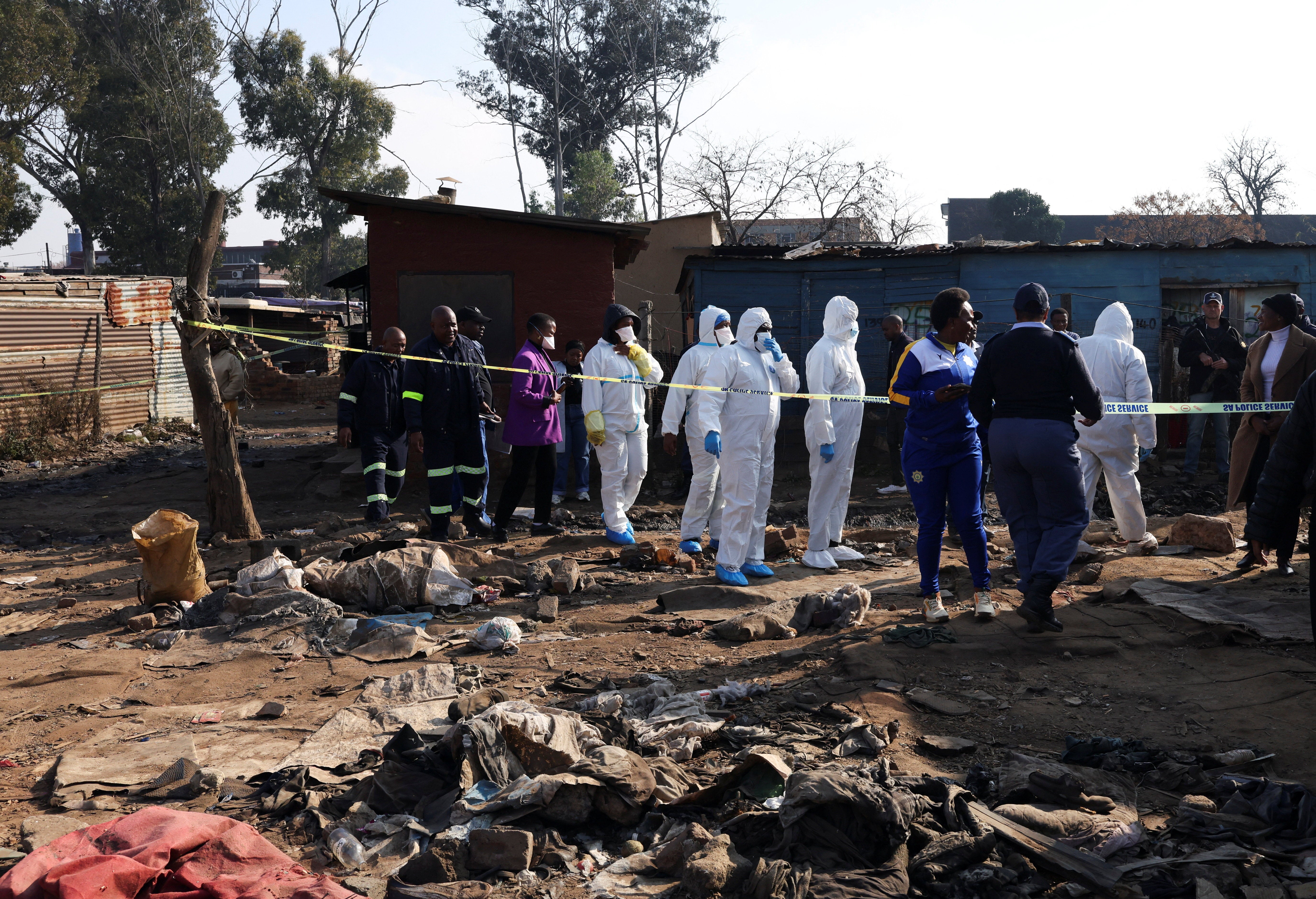
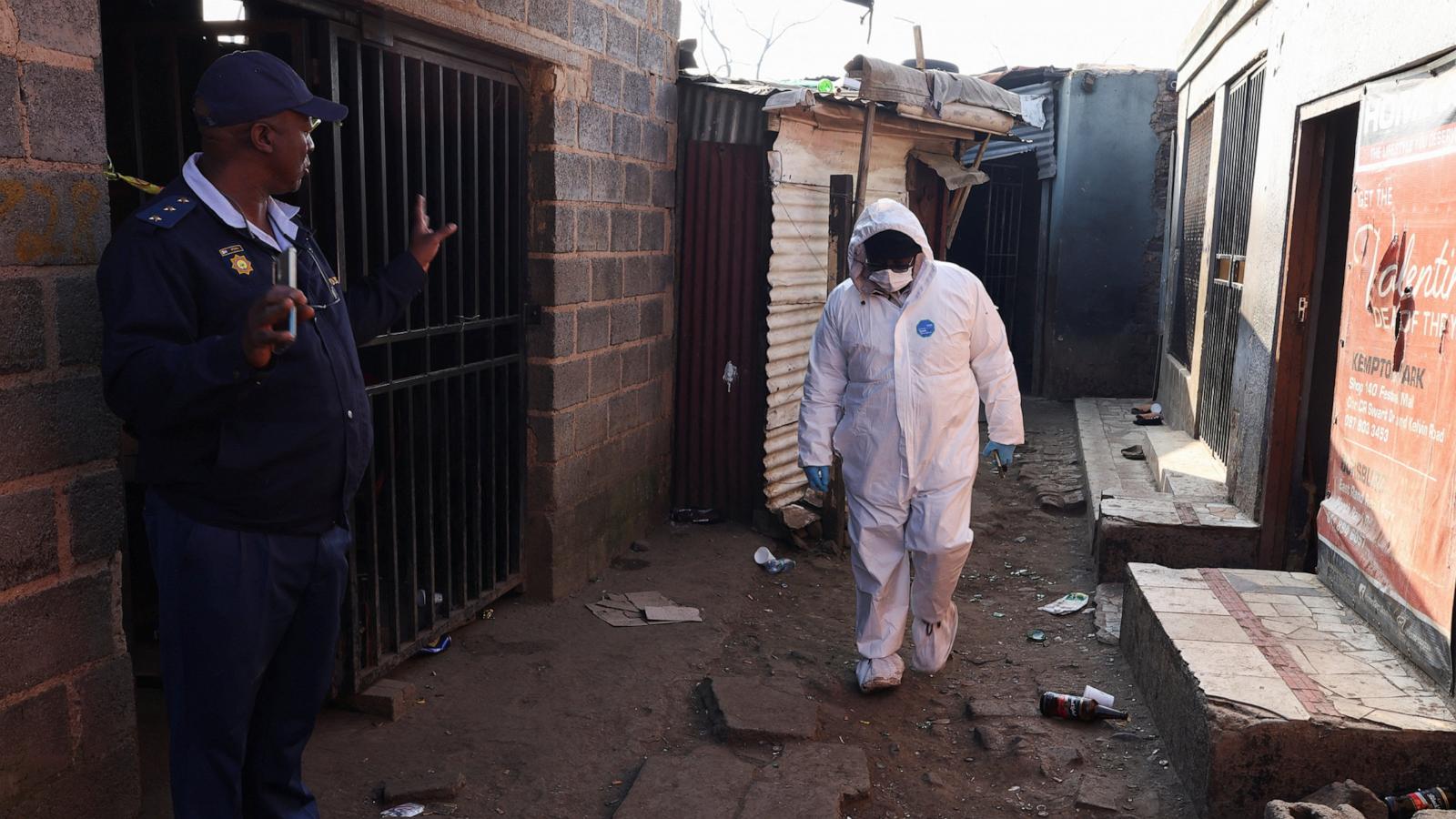
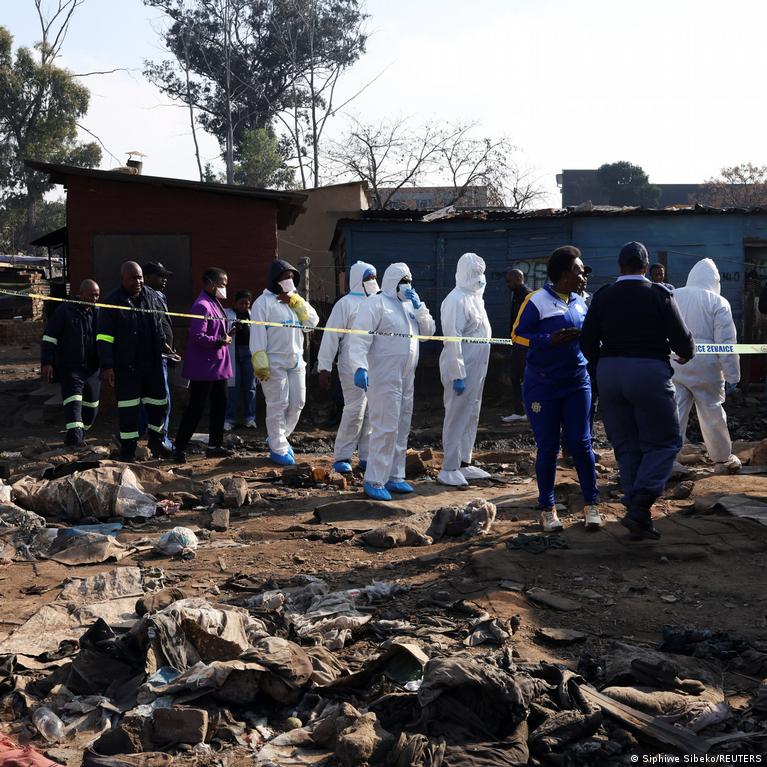
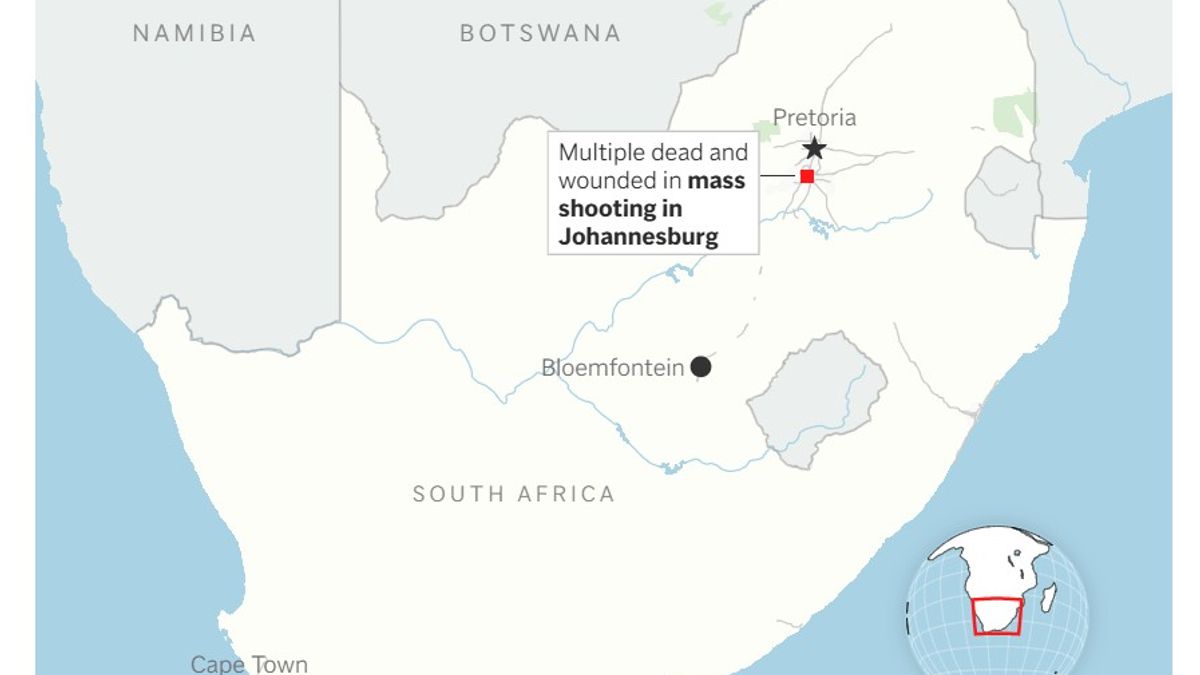
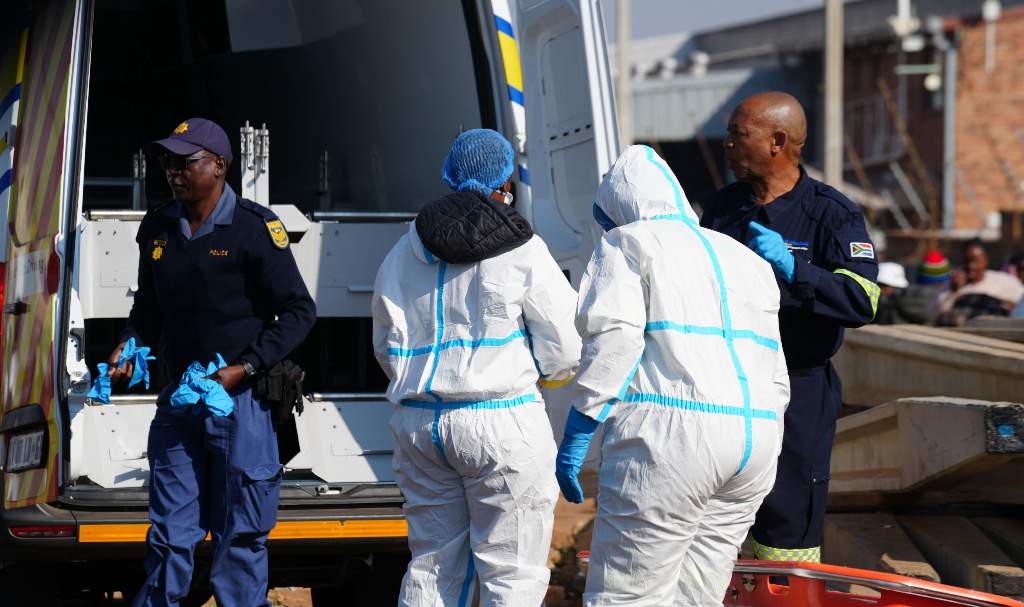
The June 10, 2026 mass shooting in Johannesburg's Cleveland suburb—killing 12 and wounding 9—represents a critical inflection point for cross-border sellers operating in or shipping to South Africa. While the immediate incident involved organized crime gang violence potentially linked to illegal mining operations, the broader context reveals a systemic security crisis that directly impacts e-commerce logistics, fulfillment operations, and market viability in one of Africa's largest economies.
Supply Chain and Logistics Impact: South Africa recorded 23,000+ homicides in the last financial year (averaging 60+ deaths daily), with the government deploying military forces in March 2026 to combat gang violence in high-risk areas. For sellers using South African 3PL providers, warehousing facilities, or last-mile delivery networks, this escalation creates operational risks. The Cleveland incident demonstrates that even suburban areas face organized violence, potentially affecting distribution hubs and delivery routes. Sellers shipping electronics, apparel, or high-value goods to South Africa should reassess logistics partner security protocols and insurance coverage for inventory in transit or storage.
Market Demand Signals: The violence crisis paradoxically creates e-commerce opportunities. Consumers in high-crime areas increasingly shift to online shopping to avoid street exposure, driving demand for home delivery services. Security-conscious buyers seek protective equipment, home surveillance systems, and personal safety products—categories that typically see 15-25% demand spikes during crime waves. Sellers offering security cameras, alarm systems, door locks, and personal protective equipment may find South African and regional African markets increasingly receptive, particularly in urban centers like Johannesburg.
Regional Market Considerations: South Africa serves as a logistics hub for Southern African Development Community (SADC) nations. Disruptions to Johannesburg's security and infrastructure affect cross-border trade throughout the region. Sellers targeting Botswana, Zimbabwe, Namibia, and Lesotho through South African fulfillment centers face potential delays. The military deployment and ongoing gang violence create uncertainty around customs clearance timelines and border crossing security, potentially adding 5-10 days to regional delivery windows.
Competitive Intelligence: The crisis may accelerate consolidation among South African e-commerce platforms and 3PL providers. Smaller logistics operators may exit high-risk areas, reducing fulfillment options and increasing costs for sellers. Established players like Takealot and Superbalist may gain market share as consumers trust larger platforms with better security infrastructure. International sellers should monitor which platforms maintain operational stability and adjust their South Africa strategy accordingly.
Questions 7
Are South African e-commerce platforms consolidating due to the violence?
Yes, the violence crisis is accelerating consolidation among South African e-commerce platforms and logistics providers. Smaller operators are exiting high-risk areas, while established platforms like Takealot and Superbalist gain market share through superior security infrastructure and consumer trust. Sellers should prioritize partnerships with tier-1 platforms that maintain operational stability during security crises. Monitor platform announcements regarding fulfillment center relocations or security upgrades—these signal which providers are investing in long-term viability versus those considering market exit.
What insurance and risk mitigation steps should sellers take immediately?
Sellers should immediately: (1) Review cargo insurance policies to ensure coverage for South African transit and storage, with specific attention to gang violence exclusions; (2) Request security certifications from 3PL providers showing armed guards, surveillance, and incident response protocols; (3) Reduce inventory levels in South African warehouses by 20-30% until security situation stabilizes; (4) Establish 30-day payment terms with 3PL providers to minimize capital at risk. The military operation is scheduled through March 2027, so risk mitigation should plan for 12+ months of elevated security concerns.