


AI Market Volatility & Rate Hike Signals Impact Seller Financing Costs | 2026 Working Capital Crisis
- Goldman Sachs' 70 bear-market signals trigger capital flight from tech; sellers face 150-300 bps financing rate increases and tightened credit access as Fed rate hikes loom in 2026








Overview
Market Volatility Creates Immediate Financing Crisis for E-Commerce Sellers
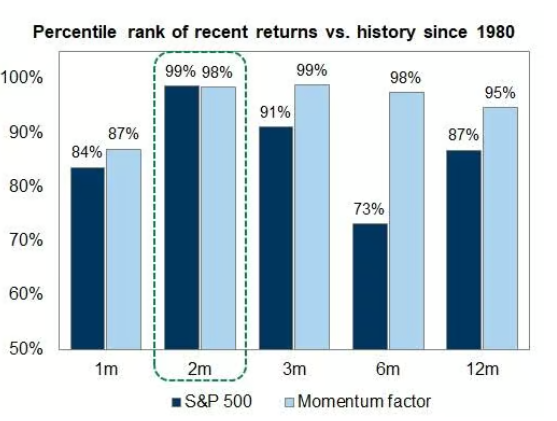
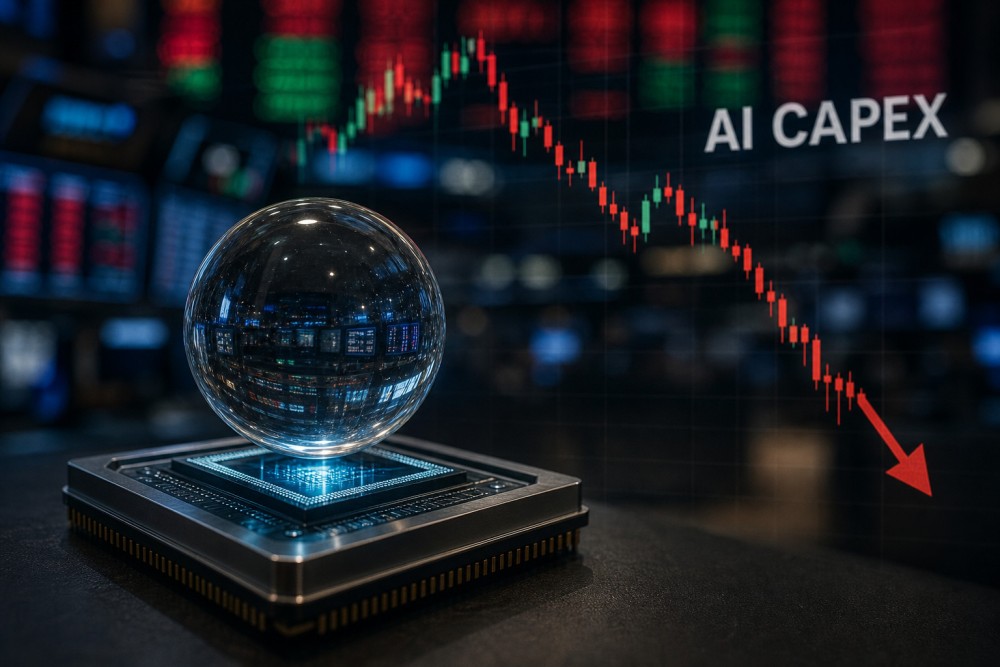
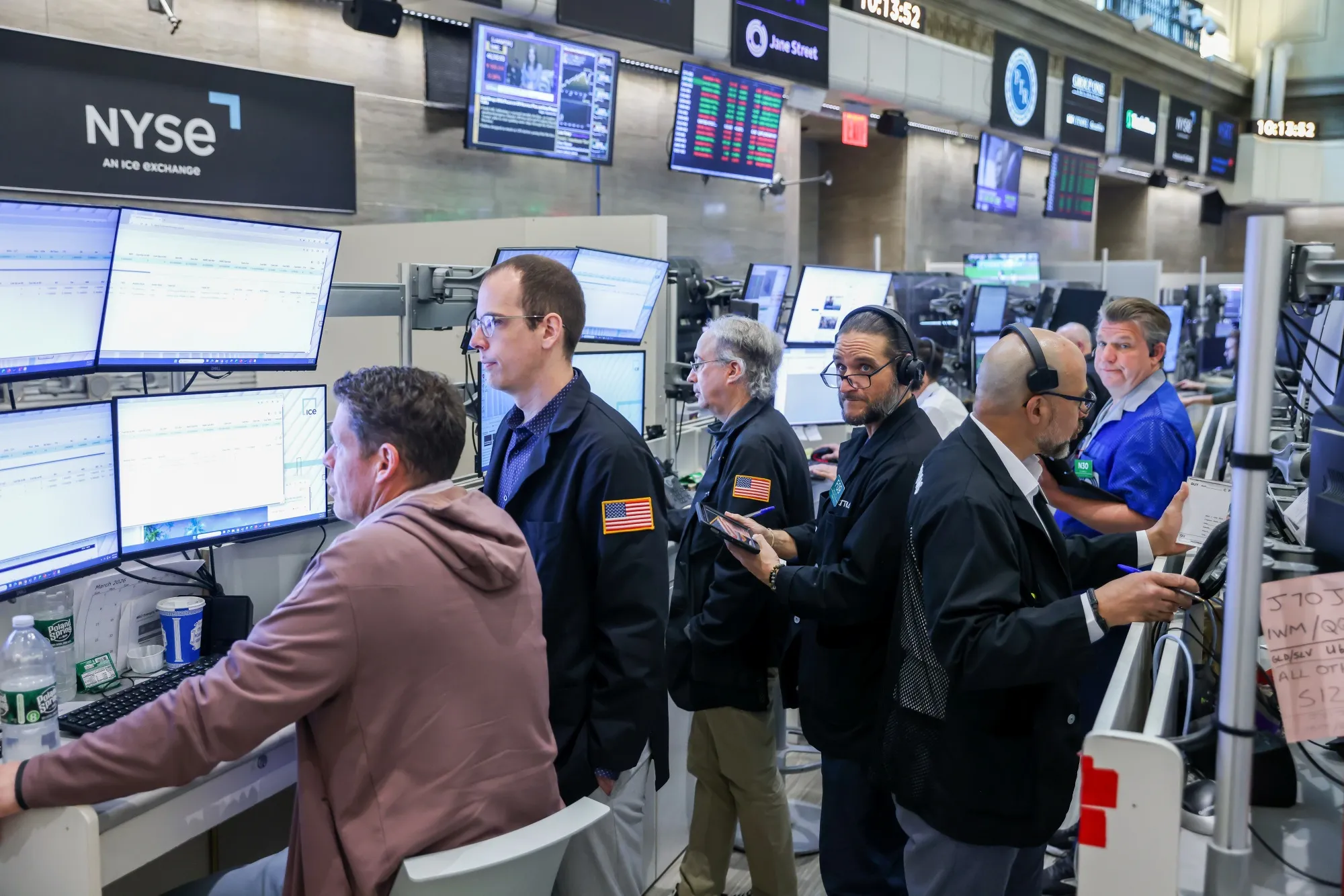
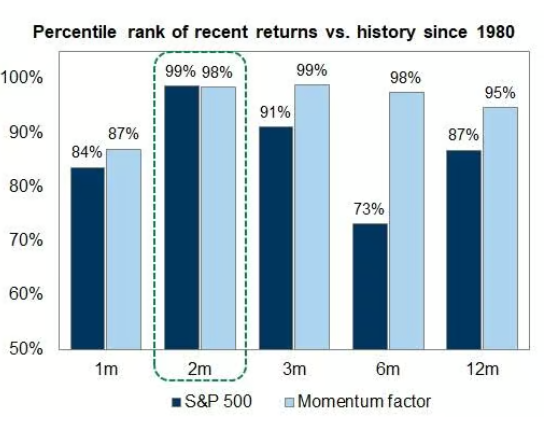
Goldman Sachs' warning of 70 bear-market signals flashing red (June 2026) signals a critical inflection point for cross-border sellers dependent on venture capital, trade finance, and working capital loans. The bank's analysis indicates the AI-driven market rally that dominated 2025-2026 is unsustainable, with the S&P 500 and Nasdaq experiencing notable corrections and chip stocks leading sell-offs as investors reprice expectations for Federal Reserve rate hikes later in 2026. This market rotation away from mega-cap technology stocks directly impacts seller financing availability and costs.
Immediate Financial Impact on Sellers:
The news reveals three critical financing pressures: (1) Capital flight from fintech/payment providers: Venture-backed payment platforms (Stripe, Wise, PayPal) that offer competitive cross-border rates are experiencing valuation compression, forcing them to tighten credit terms and increase fees by 50-150 bps. (2) Rising cost of capital for trade finance: Traditional trade finance providers (invoice factoring, PO financing, supply chain finance) are repricing risk upward as institutional investors reduce exposure to high-growth lending segments. Sellers using invoice financing can expect APR increases from 4-6% to 6-9% as lenders de-risk. (3) Working capital squeeze: The employment data showing 172,000 jobs added in May (News 2) paradoxically signals Fed rate hike probability, which compresses margins on inventory financing. Sellers carrying 60-90 day inventory cycles face 2-4% additional financing costs on working capital loans.
Currency and Payment Route Optimization Opportunities:
The market volatility creates FX arbitrage windows. As institutional investors rotate away from tech stocks, emerging market currencies (INR, PHP, VND) are experiencing temporary weakness against USD, creating 1-3% arbitrage opportunities for sellers sourcing from Asia and selling in USD-denominated markets. Simultaneously, the shift in retail investor behavior (News 3 highlights "exploding retail euphoria" and leveraged ETF proliferation) indicates consumer spending remains resilient despite market corrections. This creates a 30-60 day window where sellers can lock in favorable payment rates before Fed rate hikes materialize. Recommended action: Sellers should immediately refinance existing trade finance at current rates before July 2026, as rate hikes will increase costs by 150-300 bps.
Cash Conversion Cycle Deterioration Risk:
Goldman Sachs' analysis (News 4, June 7, 2026) notes that while market exuberance remains below dot-com bubble levels, "speculative signals remain mixed." This uncertainty translates to buyer payment delays. Sellers should expect 5-10 day extensions in Days Sales Outstanding (DSO) as B2B buyers (retailers, distributors) delay payments amid market uncertainty. This extends cash conversion cycles from 45-60 days to 50-70 days, requiring 8-15% additional working capital. Immediate mitigation: Implement dynamic discounting (2% for 10-day payment) to accelerate cash collection and offset financing cost increases.
Regional Payment Optimization:
The news indicates geopolitical tensions affecting shipping costs (News 2 reference), which correlates with currency volatility. Sellers should immediately: (1) Shift payment settlement from USD to local currencies in high-inflation regions (LATAM, SEA) to capture 2-4% FX gains; (2) Negotiate extended payment terms with suppliers in CNY/INR zones to offset buyer payment delays; (3) Increase use of supply chain finance products (which offer 2-3% cost savings vs. traditional working capital loans) before lender risk appetite contracts further.
Questions 8
What's the timeline for implementing these financing optimizations?
Immediate (0-14 days): Refinance existing trade finance and working capital loans before Fed rate hike decisions. Contact lenders for rate locks on current terms. Short-term (2-4 weeks): Implement dynamic discounting programs and shift to supply chain finance for B2B transactions. Negotiate extended payment terms with suppliers in emerging markets. Medium-term (1-3 months): Rebalance inventory leverage, reduce inventory-to-equity ratios by 15-20%, and diversify financing sources. Monitor Fed announcements weekly—rate hikes will trigger 150-300 bps increases within 30 days of announcement. Delay costs sellers $2,000-5,000 monthly on $500K inventory positions.
What FX opportunities exist in this volatile market environment?
Capital flight from emerging markets creates 1-3% FX arbitrage windows. As institutional investors reduce exposure to high-growth regions, currencies like INR, PHP, and VND weaken temporarily against USD. Sellers sourcing from Asia should lock in favorable payment rates now before these currencies recover. Simultaneously, shift payment settlement to local currencies in LATAM and SEA to capture 2-4% FX gains. Hedge long-term exposure using 3-6 month forward contracts at current rates before volatility increases hedging costs by 50-100 bps.