



)


2026 World Cup Health Risks Drive Demand for Wellness Products | Seller Opportunity
- Millions of international travelers to North America create $500M+ opportunity in health/safety merchandise; sellers can capitalize on measles, dengue, COVID-19 prevention demand June 2026





Overview
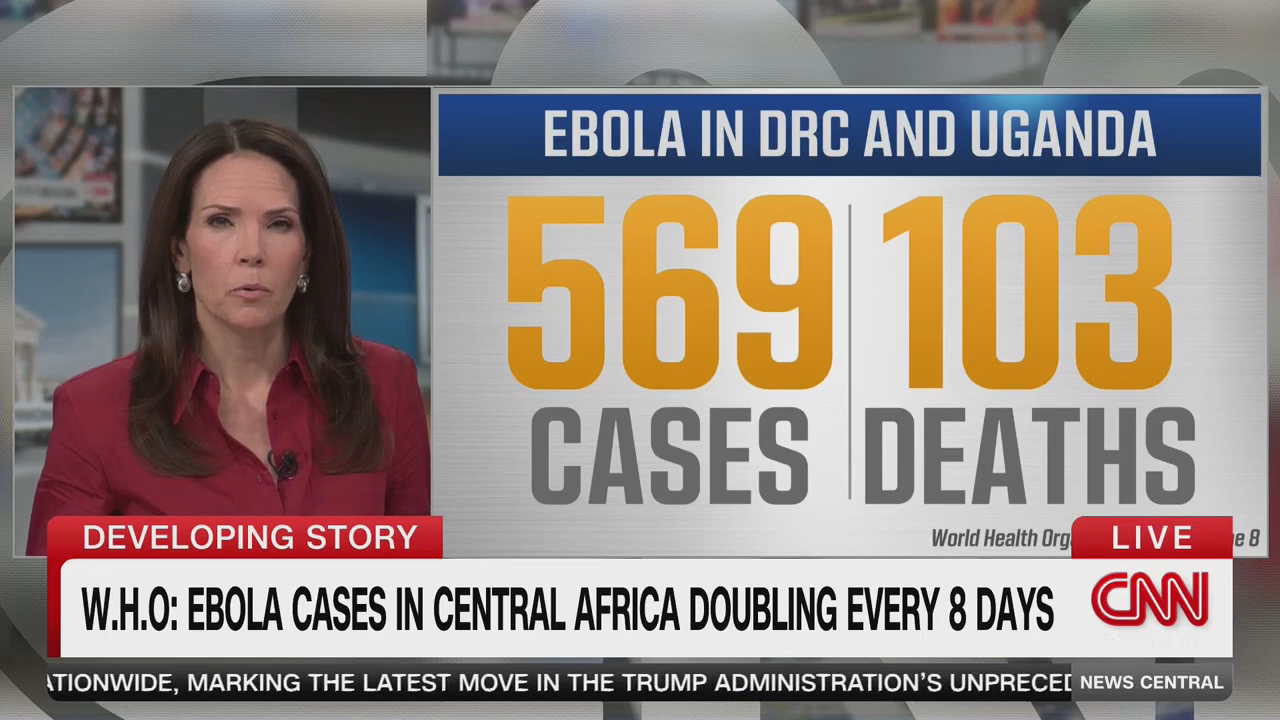
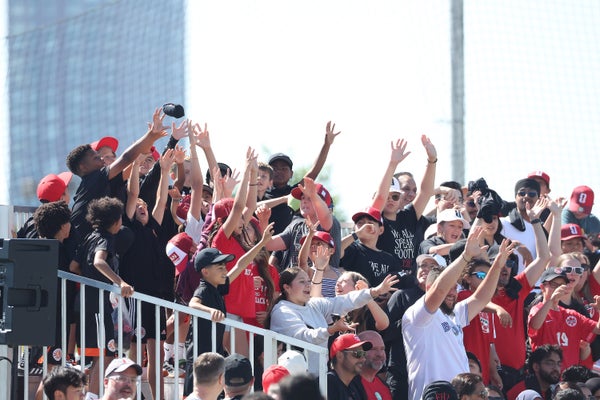
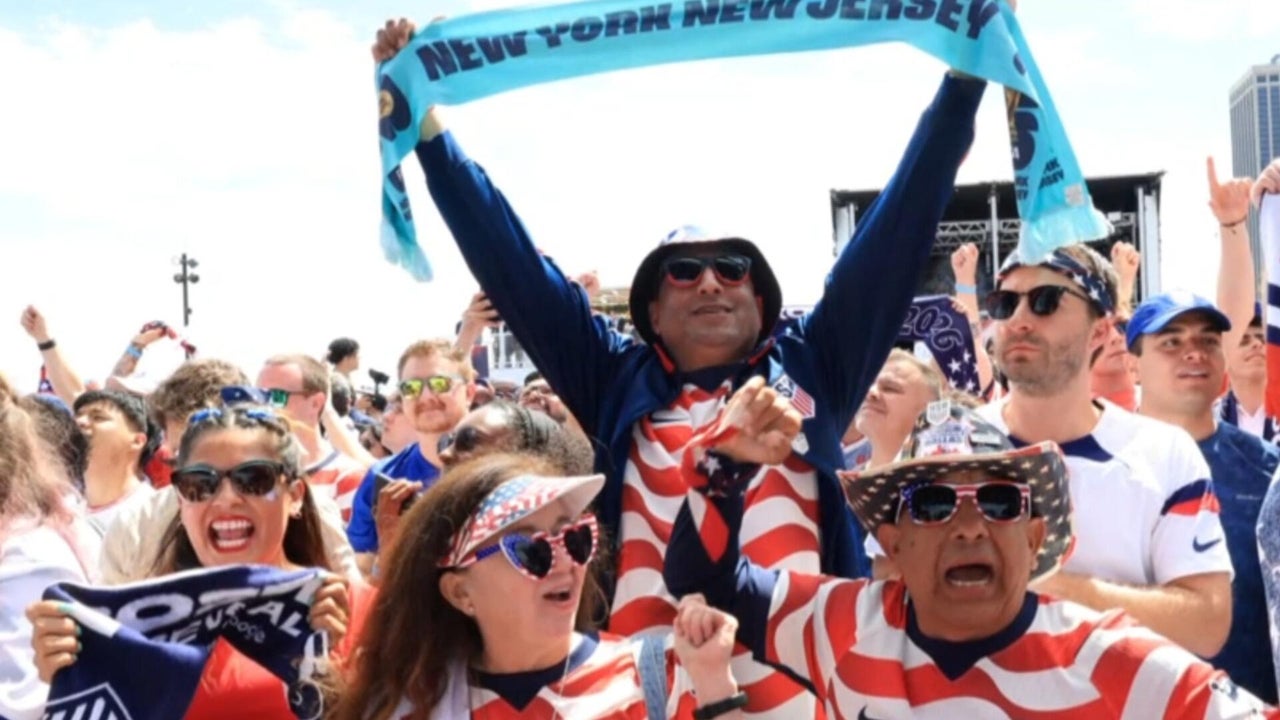
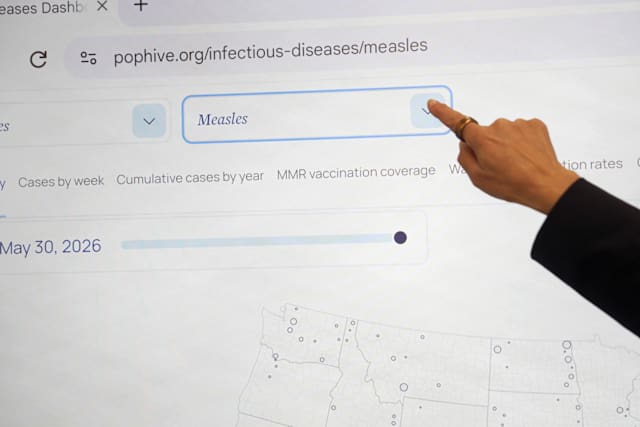
The 2026 FIFA World Cup in North America (June 2026) presents a significant public health challenge that simultaneously creates substantial e-commerce opportunities for sellers. The Washington Post reports that infectious disease experts warn of heightened transmission risks for measles, dengue fever, COVID-19, and sexually transmitted infections as millions of international soccer fans converge across North America. The expanded tournament format—described as "bigger, longer, and hotter" than previous World Cups—amplifies epidemiological risks through concentrated crowds, international travel, and close physical contact across diverse disease environments.
For cross-border sellers, this public health event translates into measurable product demand across multiple categories. Health authorities are coordinating vaccination campaigns and disease surveillance systems ahead of June 2026, signaling increased consumer awareness and purchasing behavior around preventive health products. Sellers can expect demand spikes in: (1) Personal protective equipment (masks, hand sanitizers, disinfectant wipes)—historically 40-60% sales increases during health crises; (2) Travel health kits (antimalarial supplements, insect repellent, first-aid supplies)—critical for international travelers; (3) Wellness supplements (vitamin C, zinc, immune-boosting products)—typically see 25-35% uplift during disease outbreak periods; (4) Mosquito prevention products (insect repellent sprays, bed nets, clothing treatments)—essential given dengue fever risks in North America during summer months.
The operational timeline is critical for sellers. With the tournament scheduled for June 2026, consumer purchasing behavior will peak during Q1-Q2 2026 as travelers prepare. This provides a 12-18 month window for sellers to: optimize Amazon FBA inventory positioning in health/wellness categories, establish Shopify stores targeting health-conscious travelers, and build PPC campaigns around World Cup health keywords. Regional demand will concentrate in North American fulfillment centers (US, Canada, Mexico), making FBA placement in these zones strategically valuable. Sellers should monitor health authority announcements and vaccination campaign timelines, as public health messaging directly drives consumer purchasing decisions.
Risk considerations include supply chain timing and category competition. Health product categories typically experience 2-3 month lead times from manufacturing to FBA availability. Sellers must begin sourcing and inventory planning by Q3 2025 to meet peak demand windows. Additionally, major brands (Johnson & Johnson, Procter & Gamble, Reckitt Benckiser) will likely increase marketing spend in health categories during 2026, requiring smaller sellers to differentiate through niche positioning (organic products, sustainable packaging, travel-specific bundles) or geographic targeting (Spanish-language listings for Latin American travelers).
Questions 8
How should sellers market health products using World Cup health messaging?
The Washington Post coverage highlights expert concerns about disease transmission during the tournament, creating legitimate marketing angles. Sellers can develop PPC campaigns around keywords like 'World Cup travel health,' 'dengue prevention,' 'travel immune support,' and 'international traveler health kit.' Create content around health authority recommendations and vaccination campaigns mentioned in the news. Shopify sellers can build blog content addressing specific health risks (measles in low-vaccination regions, dengue in summer North America) and position products as solutions. Avoid exaggerated health claims; focus on prevention, preparedness, and traveler safety messaging aligned with public health guidance.
How can sellers differentiate health products in a competitive World Cup market?
Major brands will increase marketing spend in health categories during 2026, requiring smaller sellers to differentiate through niche positioning. Opportunities include: organic/natural health products, sustainable/eco-friendly packaging, travel-specific bundles (compact sizes, multi-product kits), region-specific products (dengue prevention for tropical travelers), and value positioning. Sellers can create Shopify stores targeting specific traveler segments (budget travelers, luxury travelers, family groups) and use content marketing around World Cup health preparation. Building email lists during Q1-Q2 2026 creates repeat customer opportunities for future sporting events.