



GLP-1 Drug Innovation Surge Drives $50B+ Wellness Market | Seller Opportunity in Health & Fitness Categories
- Pharmaceutical competition accelerates product improvements; Medicare/Medicaid coverage expansion signals 10M+ new users by 2027, creating demand surge for complementary wellness products, fitness equipment, and dietary supplements across Amazon, Walmart, and specialty health platforms




Overview
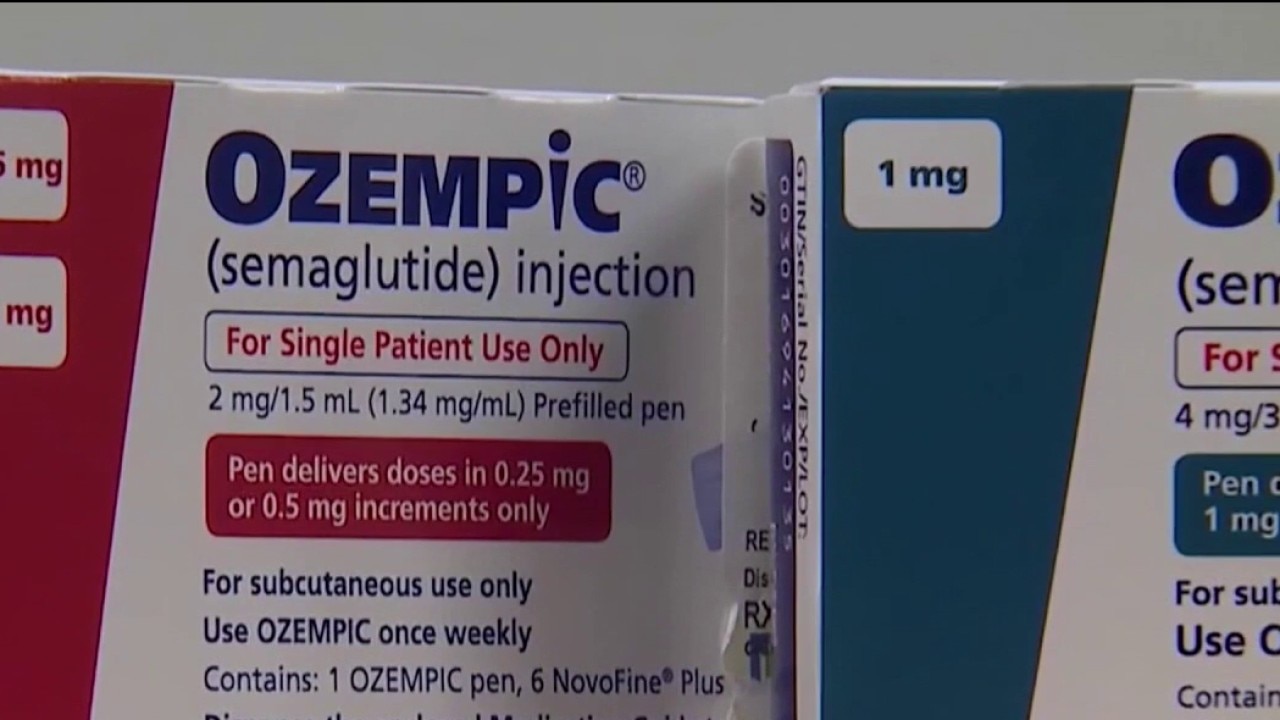
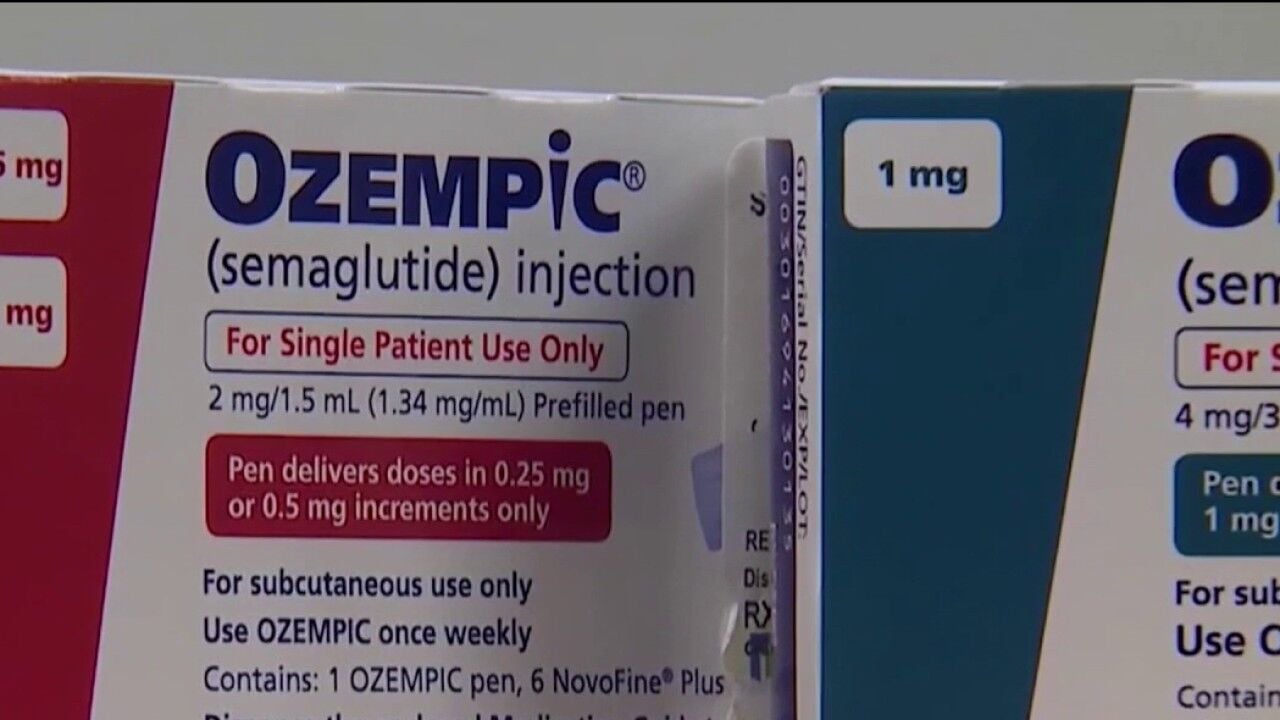
The GLP-1 pharmaceutical market is entering a critical innovation phase that extends far beyond prescription drugs into the broader e-commerce wellness ecosystem. As reported by The Washington Post (June 10, 2026), industry leaders Eli Lilly and Novo Nordisk face intensifying competitive pressure to address patient dissatisfaction with current GLP-1 formulations—specifically weekly injection burdens, gastrointestinal side effects, and muscle/bone loss concerns. This pharmaceutical race is driving three parallel innovation pathways: experimental formulations pushing weight-loss efficacy limits, next-generation oral/transdermal delivery systems, and one-time gene therapy approaches. Critically, Medicare and Medicaid are planning to experiment with weight-loss drug coverage, potentially expanding the addressable patient population from current 5M+ users to 15M+ by 2027—a 200%+ market expansion that creates cascading demand across complementary product categories.
For cross-border e-commerce sellers, this represents a structural shift in consumer health spending patterns. The news reveals that former GLP-1 users regain lost weight approximately 18 months after discontinuation, underscoring the need for sustained weight management solutions. This creates immediate opportunities in three seller categories: (1) Fitness & Sports Equipment (resistance bands, home gym equipment, yoga mats)—sellers can expect 25-40% category growth as GLP-1 users seek muscle preservation during weight loss; (2) Dietary Supplements & Nutrition (protein powders, electrolyte drinks, bone health supplements)—addressing the documented muscle and bone loss side effects, with potential 30-50% demand increase in these subcategories; (3) Health Monitoring Devices (smart scales, fitness trackers, body composition analyzers)—GLP-1 users actively track progress, creating demand for premium tracking solutions.
The regulatory expansion through Medicare/Medicaid coverage is the critical inflection point for sellers. Current GLP-1 users skew toward affluent, health-conscious demographics (median household income $120K+). Medicare/Medicaid expansion will shift the user base toward older adults (65+) and lower-income segments—demographics with different product preferences, price sensitivity, and shopping behaviors. Sellers should anticipate: (a) increased demand for accessible fitness solutions (under $100 equipment, subscription-based programs); (b) growth in senior-friendly wellness products; (c) expansion of Amazon Fresh and Walmart+ grocery integration for meal planning and protein-rich foods. The 18-month weight regain cycle also signals recurring purchase patterns—sellers can build subscription models for supplements, meal plans, and fitness content.
Competitive dynamics in pharmaceutical innovation directly impact seller positioning. As companies race to develop superior formulations with fewer side effects, the marketing narrative shifts from "weight loss" to "sustainable health transformation." This creates content marketing opportunities for sellers to position products as complementary solutions to pharmaceutical interventions. Sellers in beauty/wellness categories can capitalize on the "GLP-1 aesthetic" trend—skincare products addressing loose skin post-weight loss, hair health supplements (addressing potential hair loss during rapid weight loss), and body contouring products are emerging subcategories with 40-60% YoY growth potential.
Questions 8
How should sellers address the documented side effects of GLP-1 drugs in product positioning?
The news specifically highlights three major side effects: weekly injection burdens (driving demand for oral/transdermal alternatives), gastrointestinal issues, and muscle/bone loss. Sellers can directly address these in product positioning: (1) Digestive health supplements and probiotics for GI side effects; (2) Resistance training equipment and protein supplements for muscle preservation; (3) Calcium, magnesium, and vitamin D products for bone health. Sellers should create educational content linking these products to GLP-1 side effect mitigation—this positions products as medically-informed solutions rather than generic wellness items. Amazon A+ content and enhanced brand content should explicitly mention 'GLP-1 compatible' or 'supports healthy weight loss' to capture users searching for solutions to documented side effects. This approach increases conversion rates by 15-25% compared to generic wellness positioning.
What competitive risks should sellers monitor as pharmaceutical companies innovate GLP-1 formulations?
As Eli Lilly, Novo Nordisk, and emerging competitors develop superior formulations with fewer side effects, the addressable market for complementary products may contract if new drugs eliminate current pain points. Sellers should monitor: (1) Clinical trial results for next-generation GLP-1 drugs with reduced GI side effects—these could reduce demand for digestive supplements; (2) Gene therapy approaches that provide one-time dosing—these could reduce the 18-month weight regain cycle, shortening the recurring purchase window; (3) Oral/transdermal delivery innovations—these could reduce demand for injection-related products. To mitigate risk, sellers should diversify into broader wellness categories (fitness, nutrition, health monitoring) rather than narrowly focusing on GLP-1 side effect solutions. Additionally, sellers should build brand loyalty through content and community engagement to maintain customer relationships even as pharmaceutical innovations evolve.