



Iran Sanctions Escalation Reshapes Middle East Trade | Sellers Face Supply Chain Disruption
- IAEA censure on June 10, 2026 triggers potential new sanctions; impacts electronics, chemicals, and industrial goods sourcing from Iran and regional hubs

















Overview
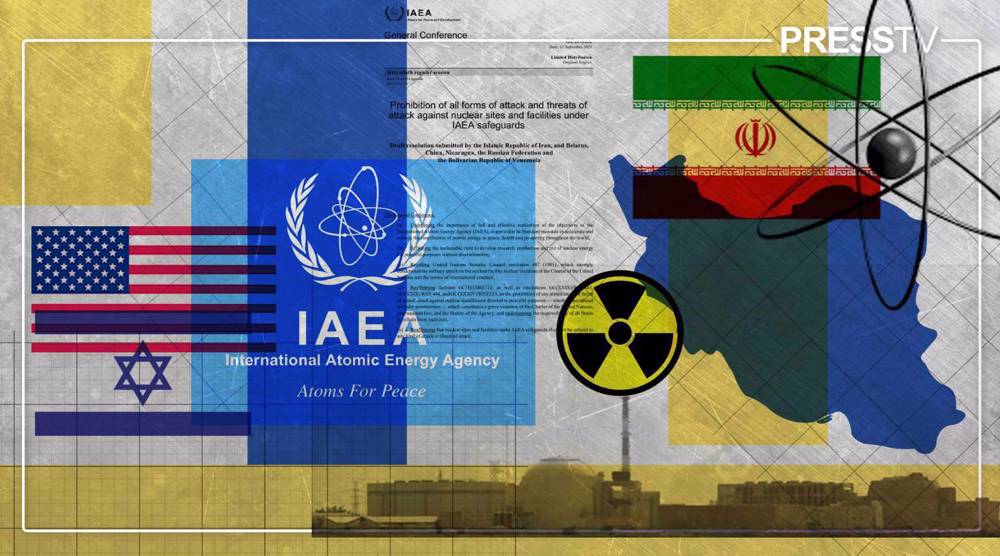
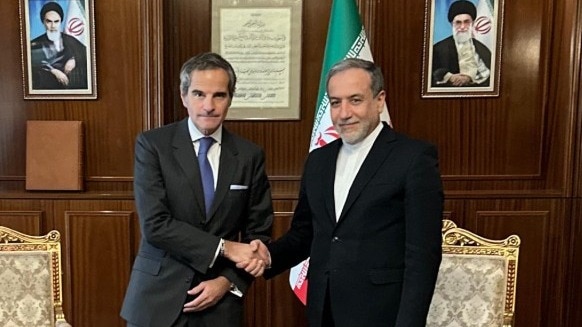
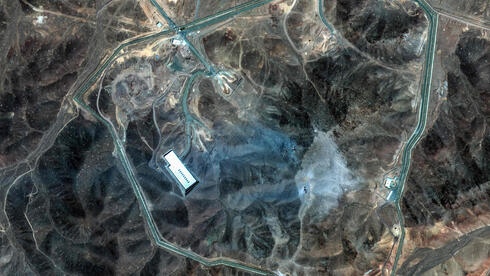
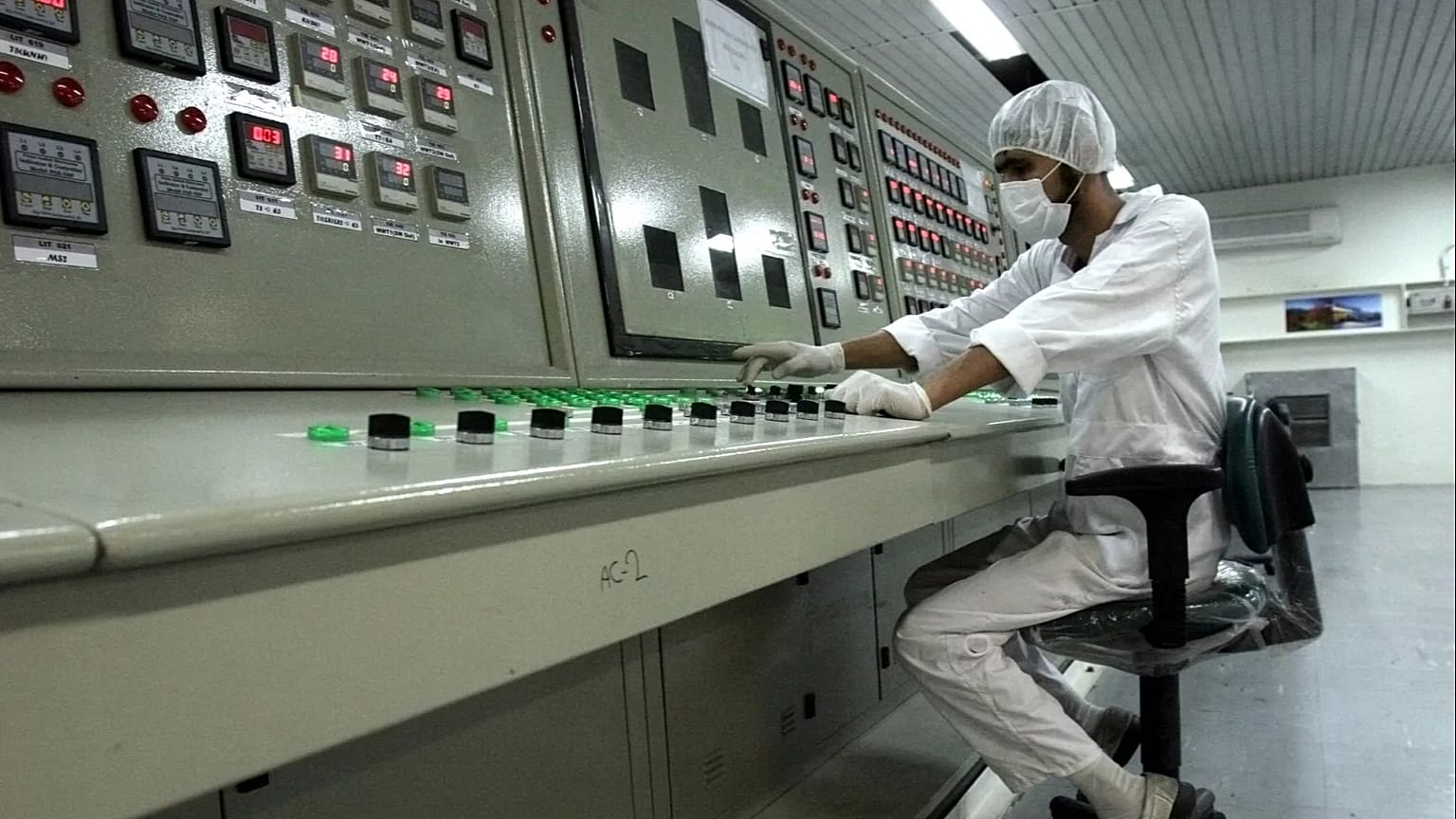
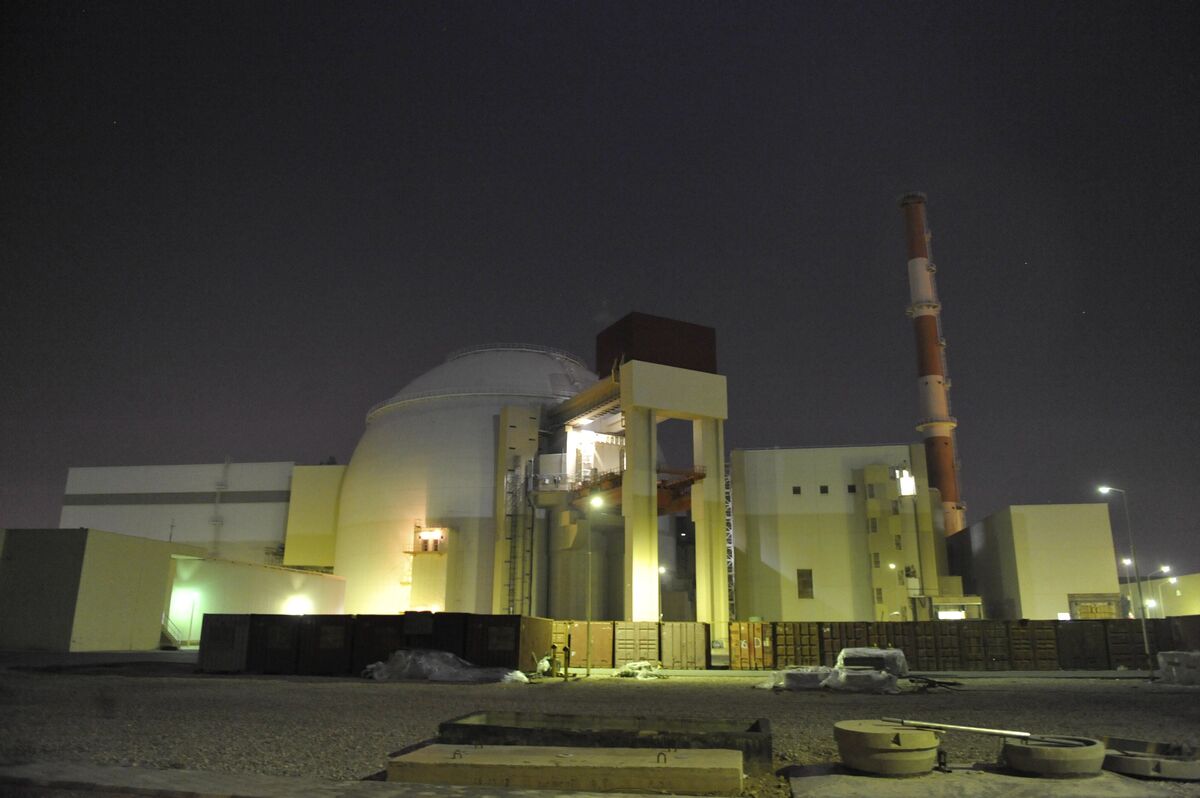
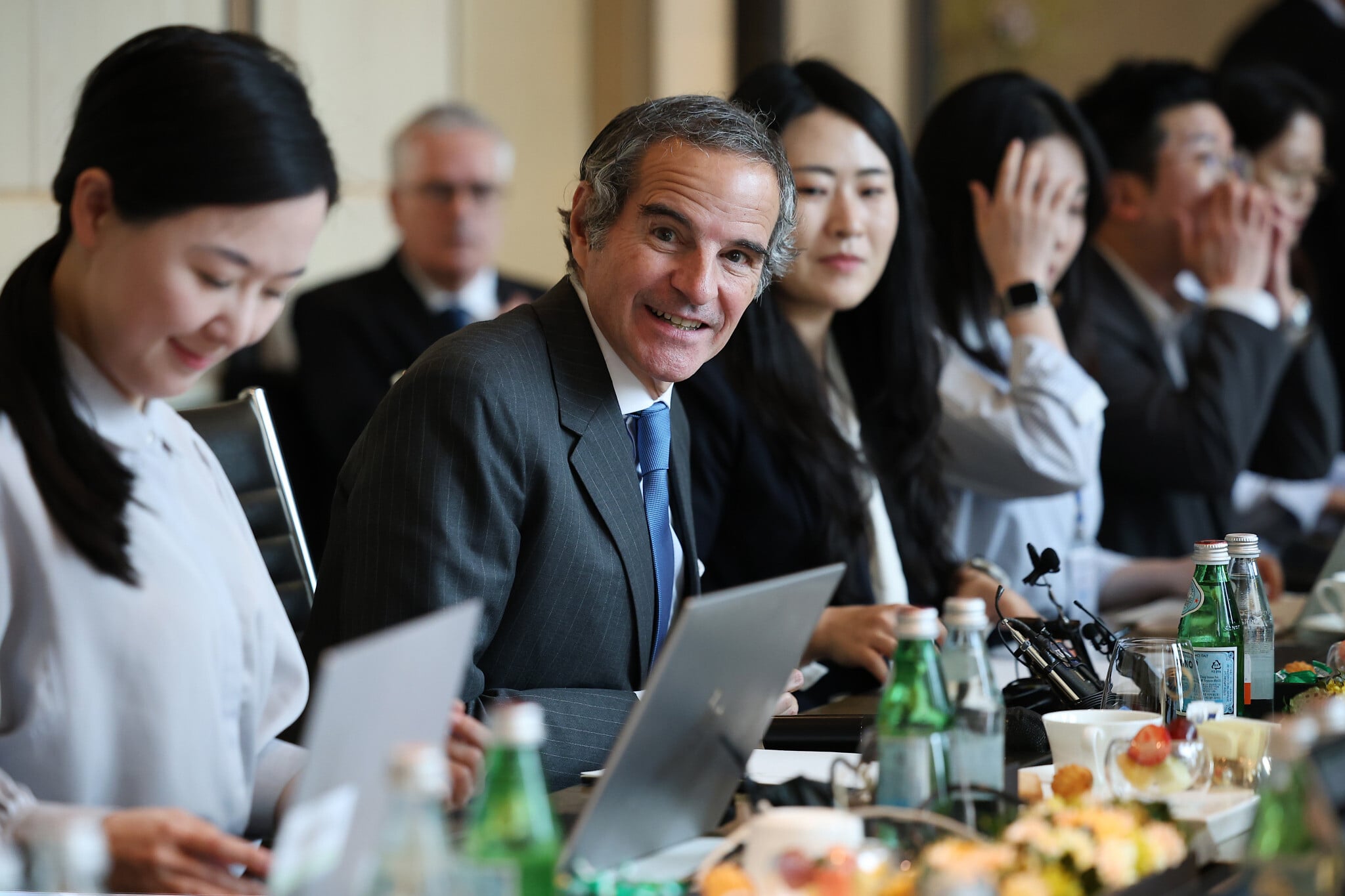
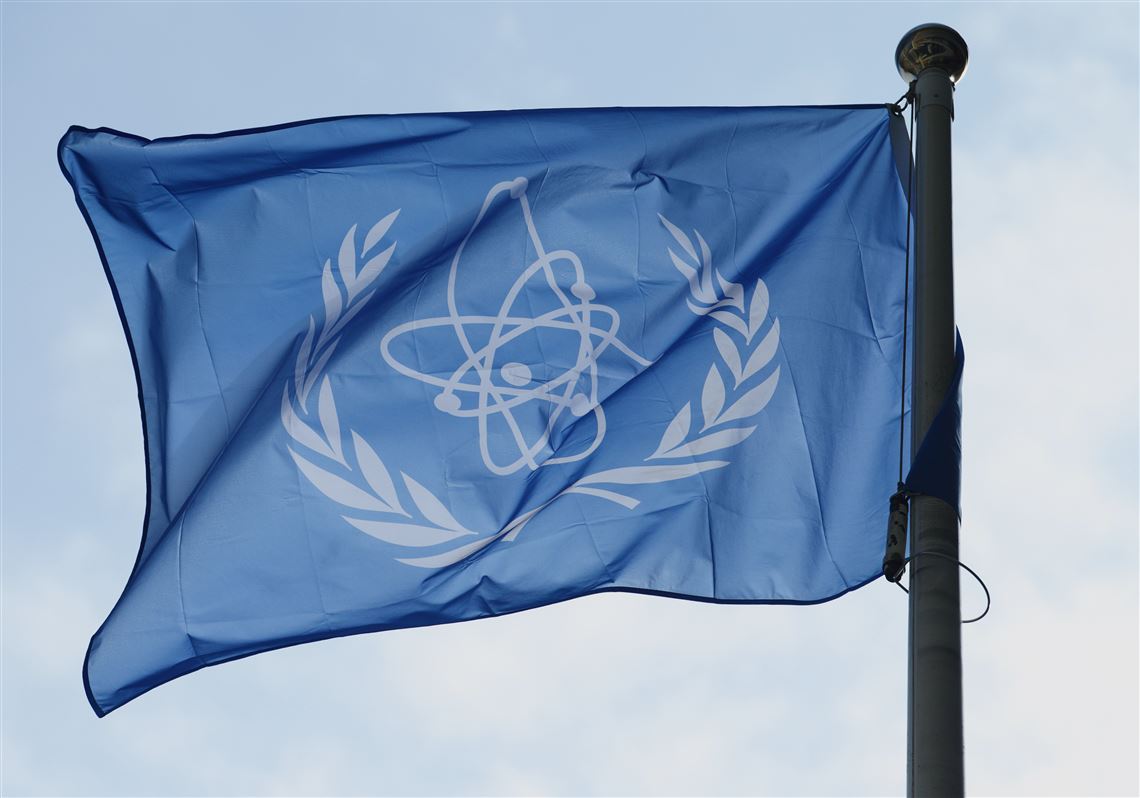
The June 10, 2026 IAEA censure of Iran over undisclosed uranium stockpiles (440.9 kg enriched to 60% purity) represents a critical escalation in nuclear non-proliferation enforcement with direct implications for cross-border sellers. The U.S.-backed resolution passed with 21 votes in favor (3 against: Russia, China, Niger; 10 abstentions) and demands Iran provide "without delay" complete nuclear material inventory access to inspectors. This geopolitical hardening signals imminent expansion of nuclear-related sanctions regimes, following the pattern established after previous IAEA censures in 2020-2022.
For cross-border sellers, the immediate impact centers on supply chain disruption and tariff arbitrage shifts. Iran's historical response to adverse IAEA resolutions involves escalating nuclear activities or reducing international cooperation—a pattern that typically precedes 60-90 days of enhanced U.S. and EU sanctions targeting dual-use goods (electronics, industrial chemicals, precision instruments). Sellers currently sourcing from Iran or Iranian-linked suppliers face forced diversification: electronics components (HS 8471-8542), industrial chemicals (HS 2801-2843), and optical instruments (HS 9001-9015) will see supply interruptions. The Trump administration's stated priority of "removing Iran's enriched uranium stockpiles" as a negotiation objective indicates sanctions will likely target financial infrastructure first (SWIFT access, banking), then expand to goods-level restrictions within 4-8 weeks.
Competitive advantage shifts to sellers with pre-positioned inventory in alternative sourcing countries. Vietnam, India, and Turkey have historically captured 15-25% market share gains during Iran sanctions cycles as sellers redirect procurement. Sellers with existing relationships in these countries can capture 8-12% margin improvements by offering faster delivery timelines to buyers previously dependent on Iran-sourced goods. The divided international vote (Russia and China abstaining/opposing) creates a temporary 30-45 day window before secondary sanctions on non-compliant third countries take effect—this window allows sellers to execute final Iran-sourced shipments before enforcement tightens. Regional hubs in UAE (Dubai Free Zone) and Singapore face increased compliance scrutiny, affecting 3PL providers and logistics networks that historically facilitated Iran trade.
Market access implications are significant for sellers targeting Middle East and Central Asia regions. The IAEA censure strengthens Western enforcement mechanisms, making it riskier for sellers to maintain Iran-facing operations. However, sellers positioned in Russia, China, and India can exploit the geopolitical split to serve Iran's domestic market through alternative payment rails (cryptocurrency, barter, Chinese banking channels). This creates a bifurcated market: Western-compliant sellers lose Iran access but gain competitive advantage in EU/US markets through enhanced compliance credentials; non-Western sellers gain Iran access but face secondary sanctions risk in Western markets. The timing coincides with ceasefire negotiations, suggesting a 6-12 month window of policy uncertainty before final sanctions architecture stabilizes.
Questions 8
What sourcing cost differentials should sellers expect during the transition period?
Alternative sourcing countries (Vietnam, India, Turkey) typically command 8-12% premium pricing during sanctions transition periods due to increased demand and supply constraints. Vietnam electronics suppliers see 10-15% price increases; Indian chemical suppliers 8-12% increases; Turkish optical suppliers 6-10% increases. These premiums typically normalize within 6-9 months as supply chains stabilize. Sellers should budget for 3-6 month cost increases and consider forward-contracting with alternative suppliers to lock in pricing before premiums spike. Historical data from 2020-2022 Iran sanctions cycles shows similar patterns.
Are there legal compliance shortcuts or loopholes sellers can leverage?
No legitimate loopholes exist for Iran sanctions—OFAC enforcement is strict and penalties are severe ($250K-$20M per violation). However, sellers can legally serve Iran through: (1) Humanitarian goods exemptions (food, medicine) if properly licensed; (2) Third-country operations in Russia/China where U.S. enforcement is limited; (3) Cryptocurrency transactions that avoid SWIFT monitoring (high-risk, not recommended). The safest strategy is full Iran exit and Western market focus. Attempting to circumvent sanctions through shell companies, false documentation, or transshipment schemes carries criminal liability and business destruction risk.