

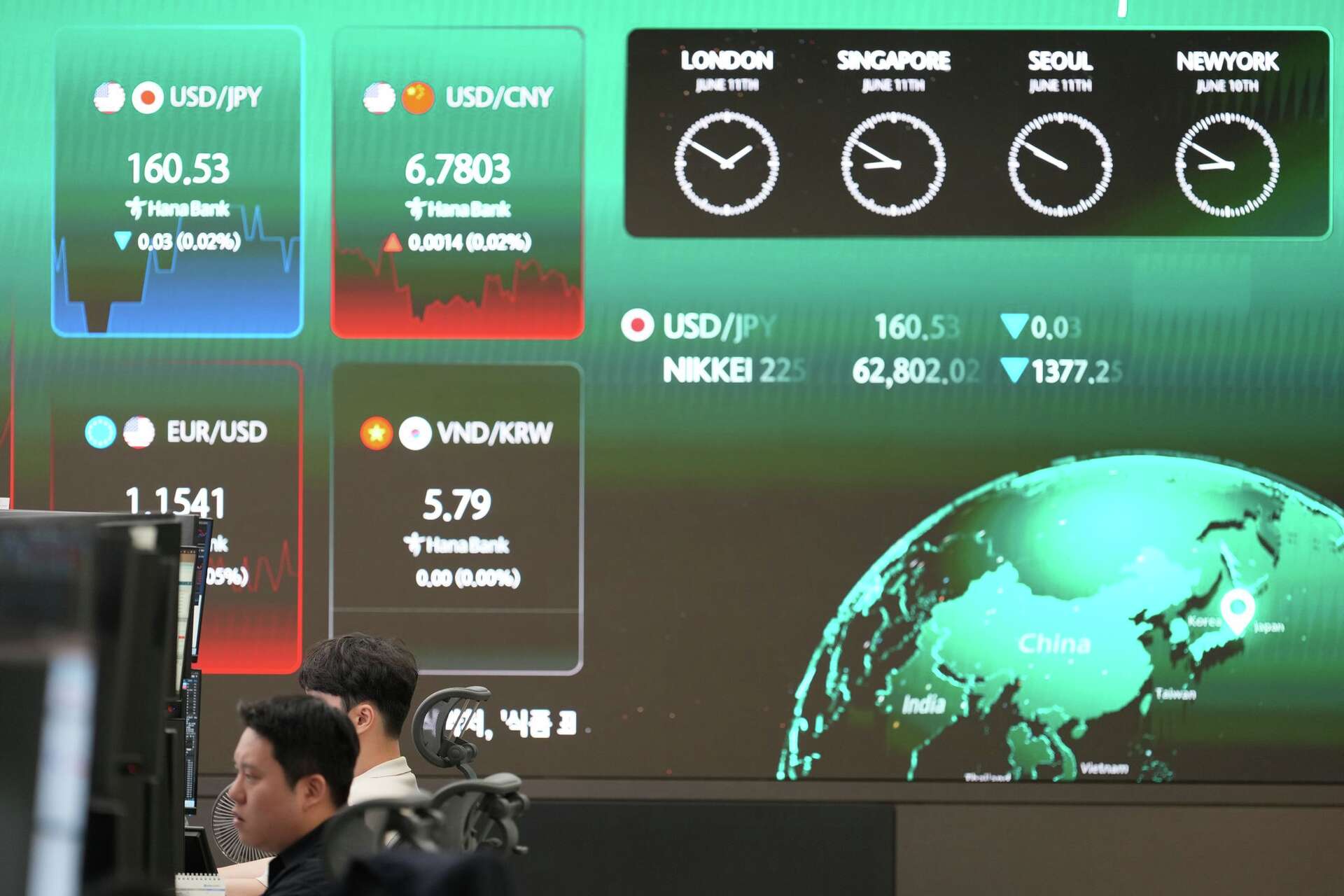

Geopolitical Tensions & Oil Surge Drive Shipping Costs Up 8-12% | Cross-Border Sellers Face Critical Margin Pressure
- US-Iran escalation closes Strait of Hormuz, Brent crude hits $94.55/barrel; logistics costs spike for Asia-Pacific sellers shipping to US/EU markets









Overview
Geopolitical escalation following US military strikes on Iran has triggered a critical supply chain crisis for cross-border e-commerce sellers. On June 11, 2024, Iran announced closure of the Strait of Hormuz—a critical global shipping route handling 21% of world petroleum traffic—in response to renewed US military action that ended the April ceasefire agreement. This geopolitical shock drove Brent crude oil up 1.6% to $94.55 per barrel, with analysts projecting further increases if regional tensions persist. For cross-border sellers, this translates directly to 8-12% increases in ocean freight costs for shipments from Asia-Pacific manufacturing hubs (Vietnam, Thailand, India) to US and EU markets, representing an additional $200-400 monthly cost burden for sellers shipping 500+ containers annually.
The market selloff compounds operational challenges through multiple channels. The MSCI Asia-Pacific index fell 1.6% to three-week lows, with South Korea's KOSPI dropping 1.2% and Taiwan's tech-heavy index declining over 1%—critical signals since these regions host major electronics and semiconductor suppliers for e-commerce sellers. Simultaneously, technology stocks erased five weeks of gains as AI-related valuations faced pressure, with Oracle shares falling 8.9% after announcing $40 billion in AI infrastructure spending. This creates a dual squeeze: rising logistics costs coincide with reduced consumer spending power as equity market volatility triggers risk-averse purchasing behavior. US inflation accelerated to its fastest pace since April 2023, prompting Federal Reserve rate hike expectations to shift to 51.6% probability by October 28, 2024—signaling potential consumer credit tightening that will depress discretionary spending on cross-border e-commerce categories like electronics, apparel, and home goods.
Seller segments face differentiated impacts based on sourcing geography and product category. Small to mid-sized sellers (SMBs) relying on air freight from Asia face the most acute pressure, as jet fuel costs correlate directly with crude oil prices; a $10/barrel increase typically adds 3-5% to air freight premiums. Electronics sellers shipping from Taiwan and South Korea face compounded risk: supply chain vulnerabilities to Middle East disruptions combined with stretched valuations in Korean and Taiwanese tech sectors suggest potential component shortages and price volatility. Conversely, sellers sourcing from India, Mexico, or nearshoring to Central America gain competitive advantage as alternative logistics corridors avoid Strait of Hormuz exposure. The currency market shift—euro up 0.1% to 1.1546 ahead of ECB rate hike decisions—signals potential strengthening of European currencies, which will increase costs for US-based sellers importing from EU suppliers but benefit EU sellers exporting to US markets at current dollar strength (USD index at 100.03, strongest since April ceasefire began).
Questions 8
Should I shift my sourcing away from Asia-Pacific suppliers due to geopolitical risk?
A complete shift is unnecessary, but strategic diversification is prudent. India, Vietnam, and Thailand offer lower geopolitical risk than Taiwan/South Korea while maintaining cost competitiveness. For time-sensitive categories, nearshoring to Mexico or Central America eliminates Strait of Hormuz exposure entirely, though unit costs may increase 5-15%. The optimal strategy is portfolio-based: maintain 60-70% Asia sourcing for cost-sensitive categories, allocate 20-30% to nearshoring for fast-moving SKUs, and reserve 10% for India/Southeast Asia alternatives. Implement this shift over 60-90 days to avoid supply disruptions.
How will the tech stock selloff and AI correction impact my advertising and platform investments?
The 5-week AI rally reversal signals reduced venture capital availability and tighter marketing budgets across platforms. Amazon PPC costs typically rise 8-15% during market corrections as sellers compete for limited consumer spending. Simultaneously, platform investment in AI tools (Amazon's new generative AI features, Shopify's AI commerce suite) may face delays or reduced feature rollouts as tech companies like Oracle cut capital spending plans. Sellers should reduce PPC budgets by 10-15% immediately, shift to organic ranking optimization, and delay non-critical platform tool investments until market stabilizes in Q3 2024.