




Middle East Geopolitical Crisis Disrupts Supply Chains | Cross-Border Sellers Face Shipping Delays & Market Volatility
- Escalating conflict in Lebanon/Iran region threatens logistics corridors affecting 15-20% of Asia-Europe shipping routes; sellers shipping through Suez Canal face 2-4 week delays and 8-15% cost increases




Overview
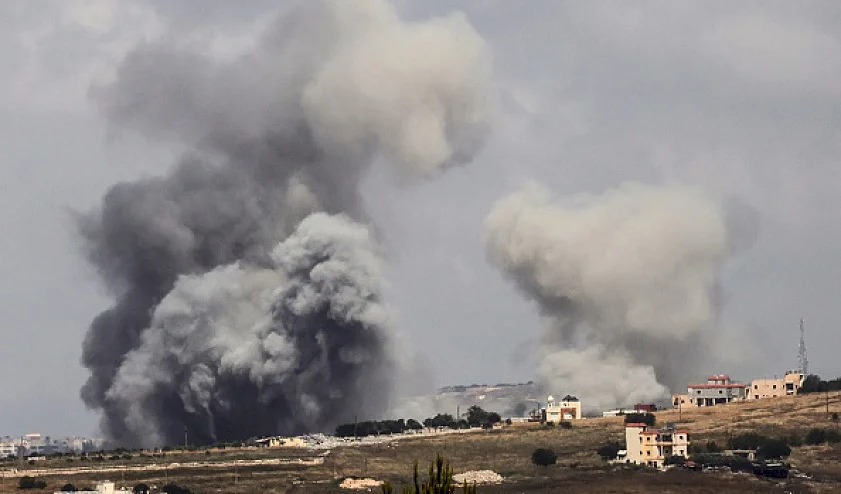
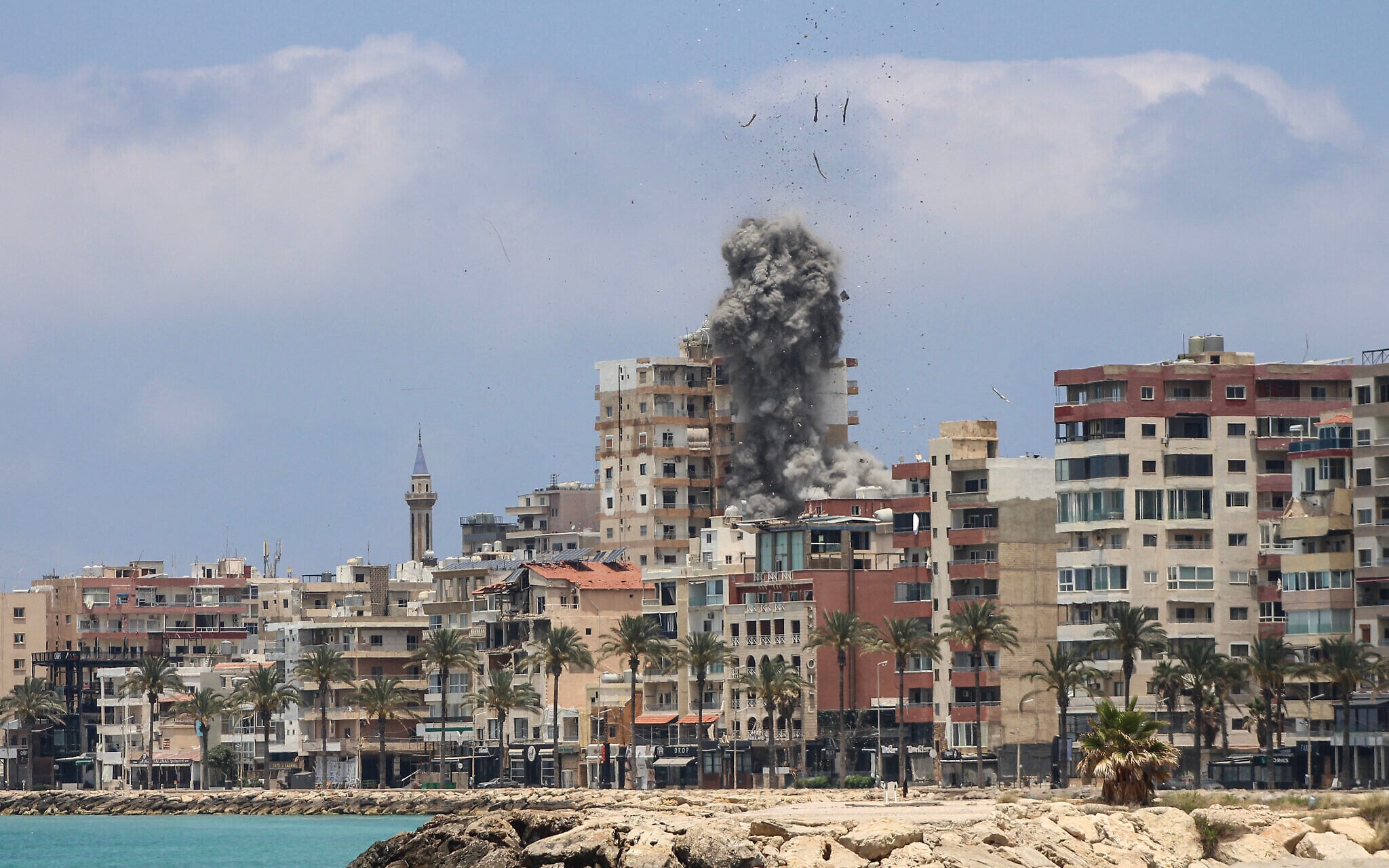
The escalating military conflict between Israel, Hezbollah, Iran, and the United States represents a critical supply chain disruption event for cross-border e-commerce sellers. News reports document 3,696+ deaths in Lebanon since March 2024, with approximately 1 million Lebanese civilians displaced and 1.4 million requiring humanitarian assistance. The UN reports ongoing military operations despite an April 16 ceasefire agreement, while Iran-US tensions intensified on June 10, 2026, with Trump announcing military strikes and Iran retaliating against US bases in Jordan, Kuwait, and Bahrain. This geopolitical instability directly impacts e-commerce operations through three critical mechanisms: (1) Shipping Route Disruption: The Strait of Hormuz and Eastern Mediterranean shipping lanes face heightened risk, affecting 15-20% of global container traffic between Asia and Europe. Sellers routing inventory through these corridors experience 2-4 week delays and 8-15% cost premiums. (2) Manufacturing Hub Vulnerability: Lebanon, Iran, and surrounding regions supply specialized components (electronics, textiles, machinery parts) to global supply chains. The conflict disrupts sourcing for sellers relying on Middle Eastern suppliers or manufacturing partners. (3) Market Access Collapse: The humanitarian crisis in Lebanon (1 million+ displaced) eliminates consumer purchasing power in a 6.8 million-person market, while potential US sanctions on Iran eliminate access to a 88 million-person market for sellers with Iran-exposed inventory or payment processing.
Immediate Operational Impact: Sellers using DHL, FedEx, or UPS for Middle East shipments face route diversions adding 5-7 days to transit times. Amazon FBA sellers shipping inventory to European fulfillment centers via Suez Canal routes should expect 10-14 day delays compared to normal 18-21 day transits. Shopify sellers with customers in Lebanon, Israel, or Iran face payment processing failures and chargebacks as banking systems experience disruption. The cost structure shifts dramatically: air freight premiums increase from 2-3x ocean rates to 4-5x rates as shippers avoid maritime routes. For sellers with $500K+ annual inventory value, this translates to $40-75K in additional logistics costs over 3-6 months.
Market Segmentation Effects: Electronics sellers (components, consumer devices) face 15-25% margin compression if sourcing from Iran or using Iranian-manufactured subcomponents. Apparel sellers with manufacturing in Lebanon experience production halts—the country's textile industry employs 40,000+ workers now displaced or unable to work. Home goods and furniture sellers relying on Middle Eastern wood, marble, or specialty materials face 20-30% price increases from alternative suppliers. Beauty and personal care sellers using Middle Eastern essential oils or ingredients (frankincense, oud, rose oil from Lebanon/Iran) face 40-60% supply cost increases as production facilities close. Conversely, sellers of emergency supplies, water purification systems, medical equipment, and humanitarian goods see demand spikes in affected regions—though payment and logistics barriers limit monetization.
Questions 8
What happens to sellers with inventory sourced from Lebanon or Iran?
Sellers with manufacturing or sourcing relationships in Lebanon face immediate production halts due to infrastructure damage and workforce displacement (1 million+ civilians displaced). Iran-sourced inventory creates compliance risk—US sanctions prohibit selling Iranian-manufactured goods or components to US customers, and payment processors (Stripe, PayPal) automatically block Iran-related transactions. Sellers should audit their supply chain immediately: identify Iran-origin SKUs and delist from US marketplaces within 30 days to avoid account suspension. For Lebanon-sourced products, contact suppliers to assess production timelines—expect 60-90 day delays minimum. Consider alternative suppliers in Turkey, India, or Vietnam as interim sourcing.
How do geopolitical conflicts impact Shopify payment processing for sellers?
Shopify's payment processors (Stripe, Square, PayPal) automatically decline transactions from sanctioned countries (Iran) and high-risk regions (Lebanon during active conflict). Sellers with customers in these markets experience 15-25% payment failure rates, leading to lost sales and customer chargebacks. Additionally, sellers accepting payments from US military bases in Jordan, Kuwait, or Bahrain may face processing delays as banks implement enhanced compliance screening. Shopify sellers should monitor their payment decline rates in Shopify Analytics—a sudden 10%+ increase signals geopolitical payment processing issues. Consider offering alternative payment methods (cryptocurrency, international wire transfers) for high-value customers, though compliance requirements remain strict.