


Russia-Ukraine Drone Warfare Escalation | Supply Chain Risk for Cross-Border Sellers
- Intensifying military conflict disrupts logistics networks across Eastern Europe; 9,418 monthly drone interceptions signal sustained supply chain volatility affecting sellers sourcing from or shipping through Russia/Ukraine regions














Overview
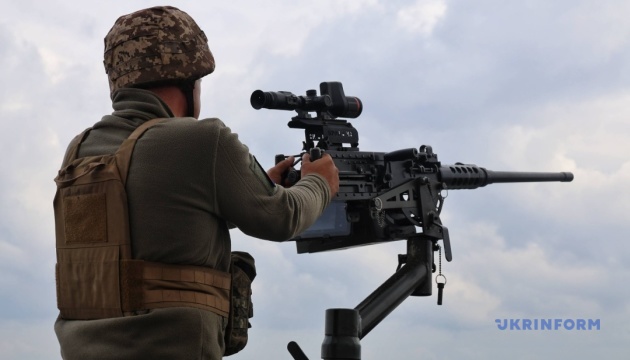
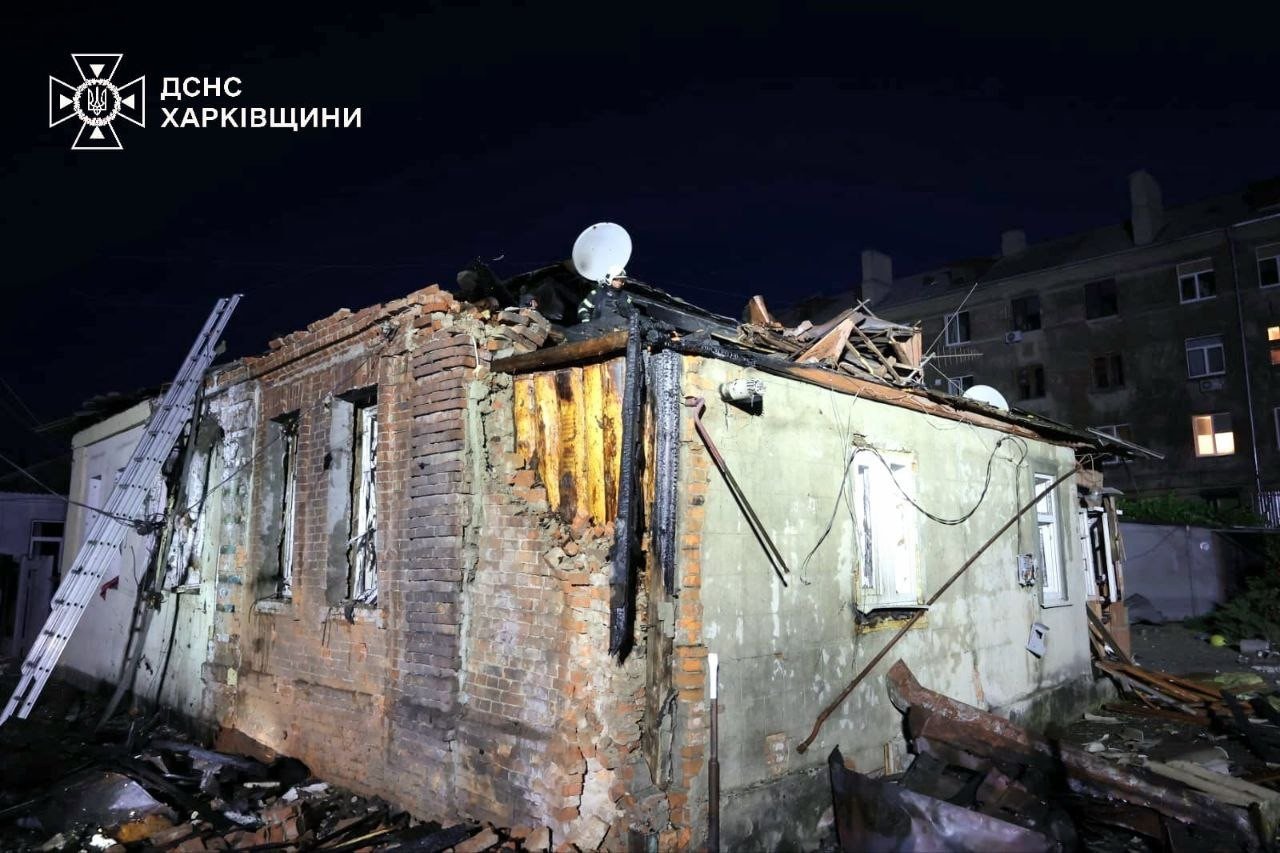
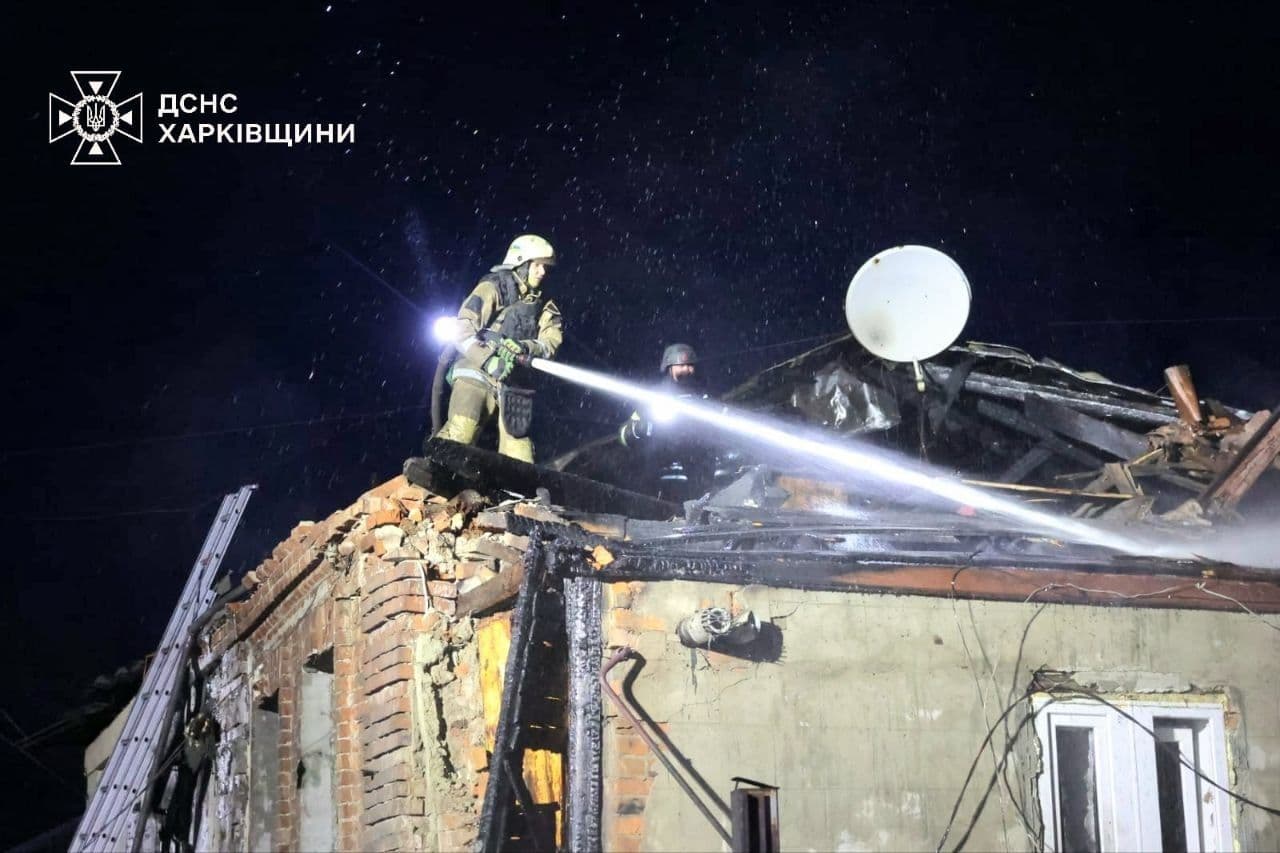
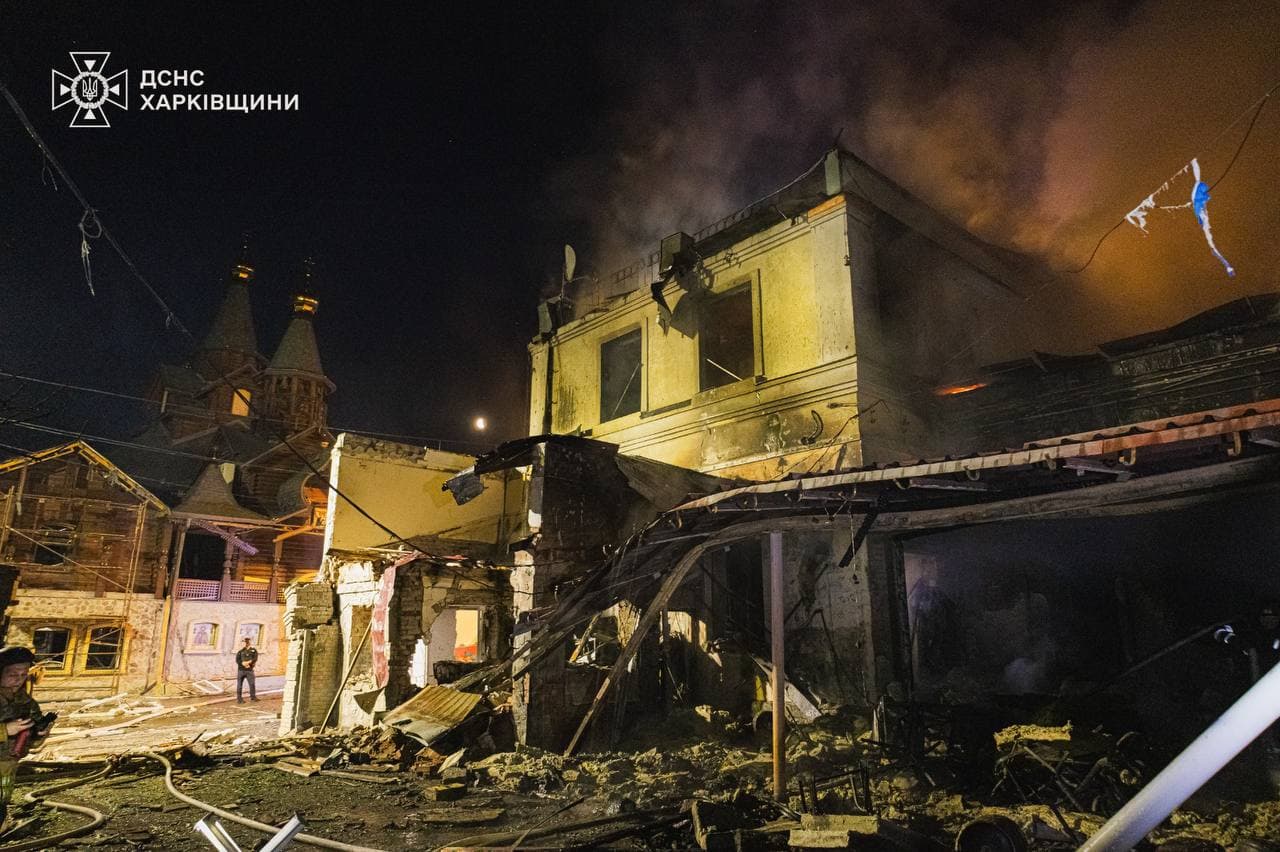
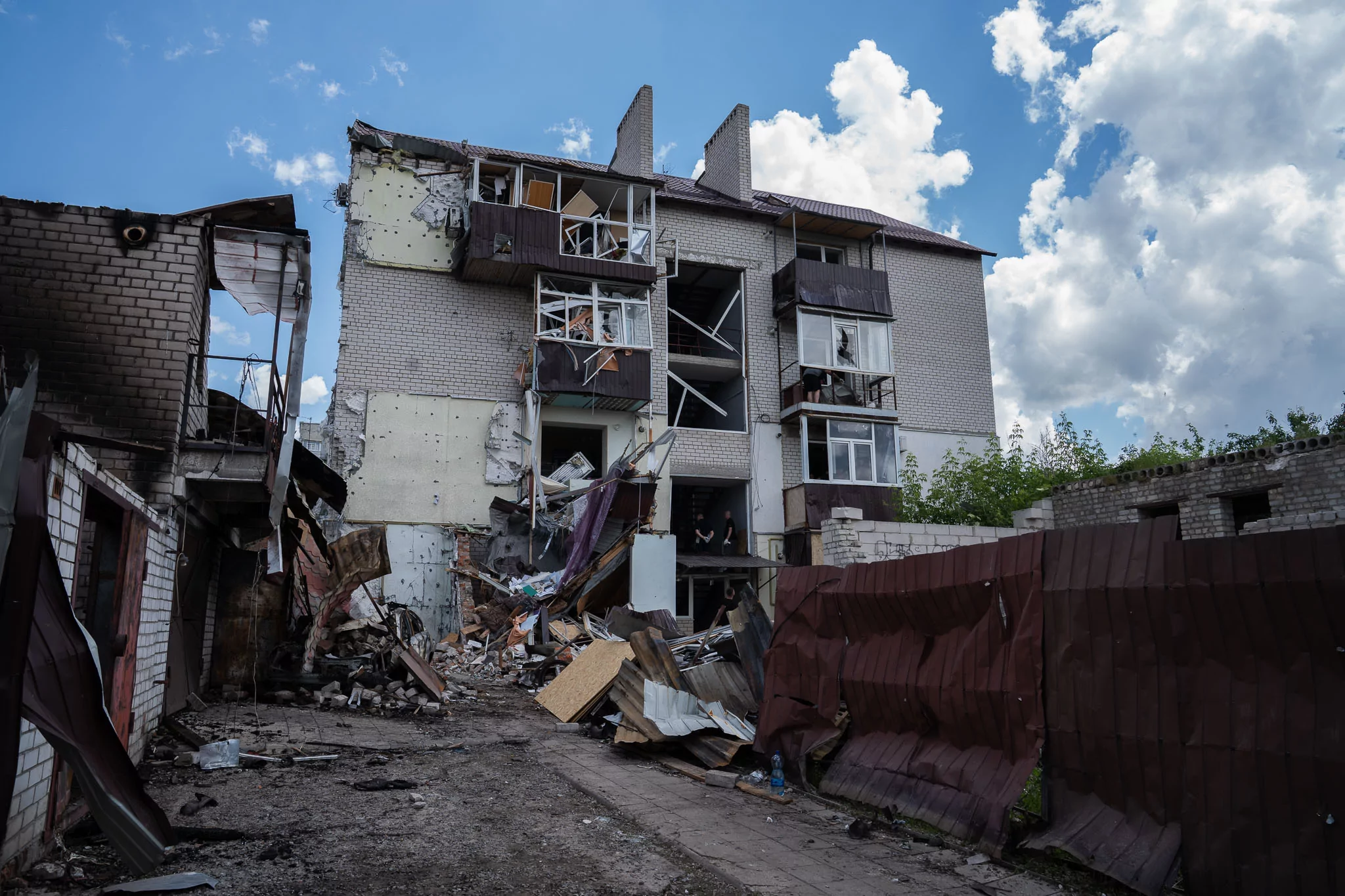
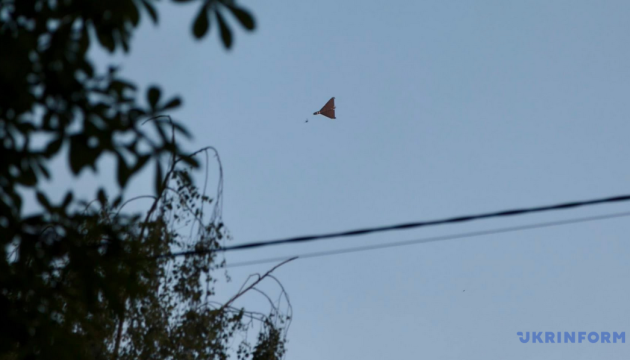
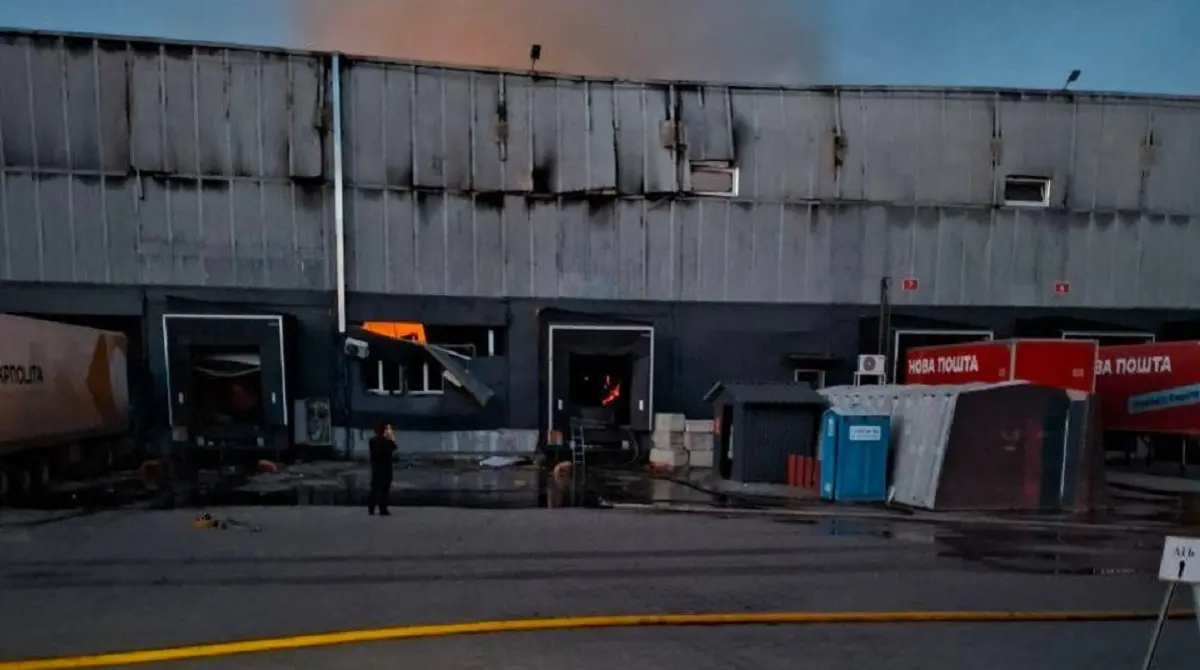
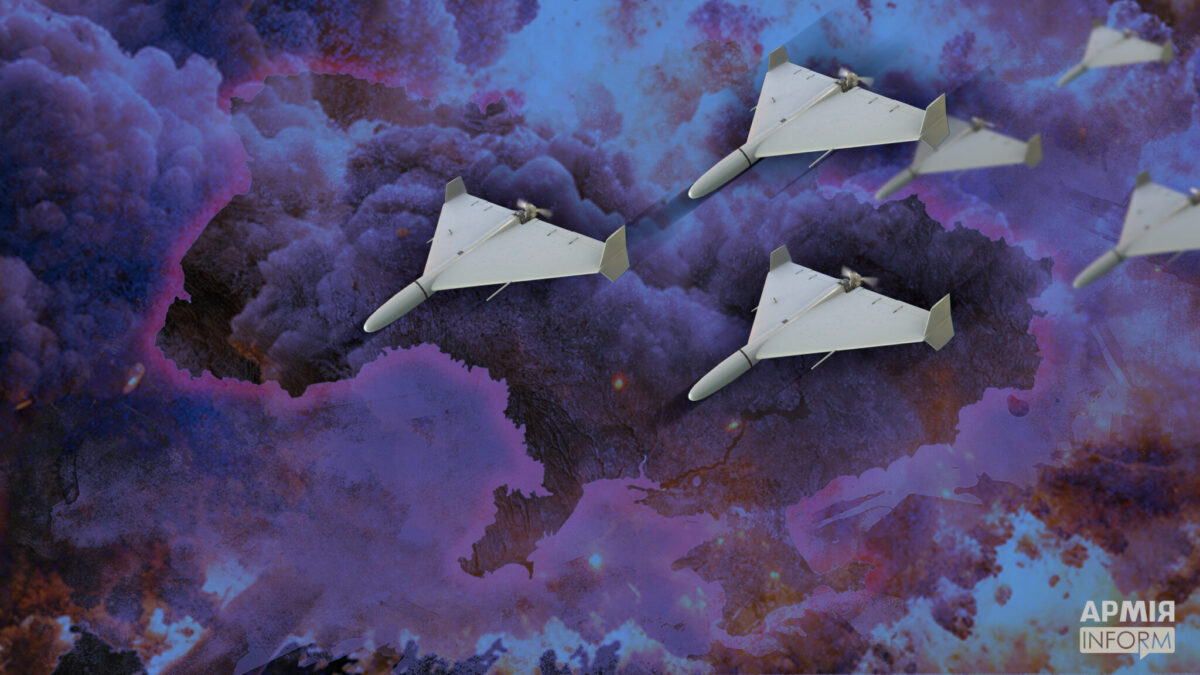
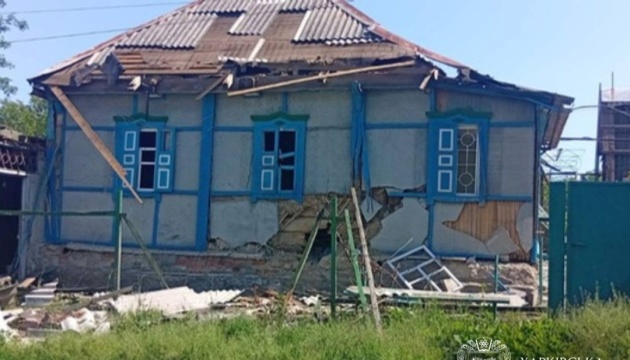
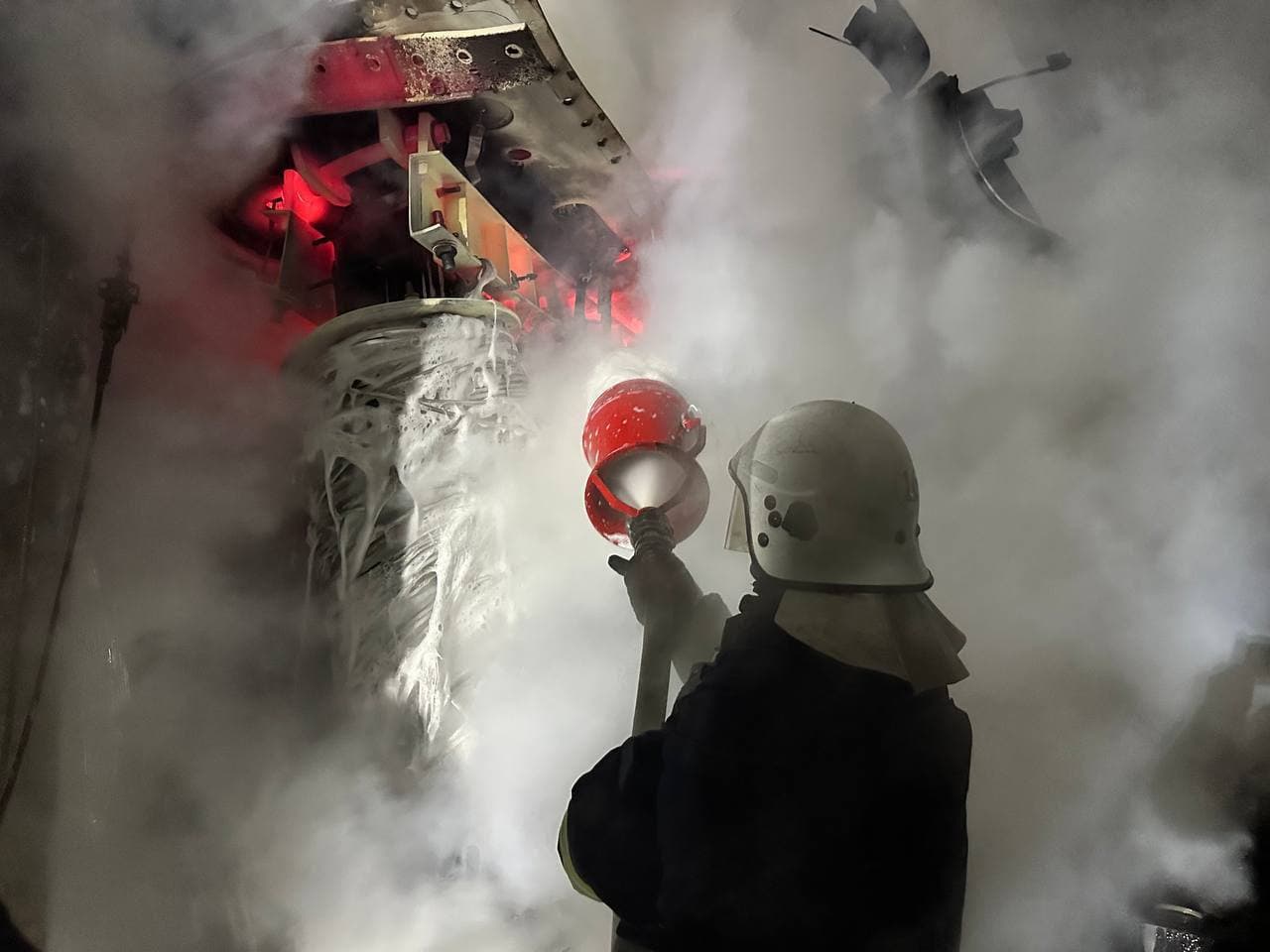
The Russia-Ukraine conflict has escalated dramatically into a sustained drone warfare campaign with direct implications for cross-border e-commerce logistics and supply chain resilience. Ukraine's "long-range sanctions" strategy—involving coordinated strikes on Russian military plants, oil refineries, and industrial facilities across 1,800+ miles of territory—has reached unprecedented scale: May 2026 recorded 9,418 Ukrainian drone interceptions (highest monthly total), while Moscow reported 329 drones downed over the capital alone. Russia's reciprocal campaign launched 207 drones overnight into Ukraine, with infrastructure damage extending across Kharkiv region affecting warehouse facilities, railway networks, and commercial operations. This sustained military escalation creates three critical supply chain risks for sellers: (1) Logistics Disruption: Flight restrictions imposed at 10 Russian airports from Black Sea to Ural Mountains directly impact air freight routing for sellers shipping electronics, machinery, and components from Eastern European suppliers. Warehouse damage in Kharkiv—a major logistics hub—threatens inventory storage and fulfillment operations for sellers using regional 3PL providers. (2) Sourcing Vulnerability: Targeted strikes on military plants in Cheboksary and industrial facilities across multiple regions signal potential disruption to component manufacturing, particularly affecting sellers sourcing drone technology, electronics, and precision instruments from Russian suppliers. (3) Geopolitical Uncertainty: Zelenskyy's diplomatic overtures (Roman Abramovich mediation, open letter to Putin) suggest potential ceasefire negotiations, but military analysts note both sides may exaggerate capabilities to justify continued operations—creating unpredictable policy shifts affecting sanctions, export controls, and trade agreements. For sellers, this represents a 3-12 month risk window requiring proactive supply chain diversification. Sellers currently dependent on Russian/Ukrainian suppliers or routing shipments through affected regions face potential 2-4 week delays, increased insurance costs (5-8% premium), and customs clearance complications. The evacuation of 39,023+ civilians from Kharkiv region indicates sustained humanitarian crisis that may further constrain logistics infrastructure recovery. Immediate actions include auditing supplier locations, identifying alternative routing through EU/Central Asian corridors, and stress-testing inventory buffers for 3-4 week supply gaps.
Questions 7
How does the Russia-Ukraine drone escalation affect my e-commerce supply chain?
The sustained drone campaign directly impacts logistics through flight restrictions at 10 Russian airports and warehouse damage in Kharkiv region, a major logistics hub. Sellers sourcing from or routing through Russia/Ukraine face 2-4 week shipping delays, increased insurance costs (5-8% premium), and potential customs complications. May 2026 saw 9,418 Ukrainian drone interceptions—the highest monthly total—indicating sustained infrastructure vulnerability. Immediate action: audit your supplier locations and identify alternative routing through EU or Central Asian corridors within 2 weeks.
What alternative logistics routes should I use to avoid Russia-Ukraine conflict zones?
Primary alternatives: (1) EU corridor via Poland/Czech Republic (adds 3-5 days, 10-15% cost increase); (2) Central Asian route via Kazakhstan/Uzbekistan (adds 5-7 days, 12-18% cost increase); (3) Turkish corridor via Istanbul (adds 2-4 days, 8-12% cost increase); (4) Baltic route via Lithuania/Latvia (adds 4-6 days, 10-14% cost increase). Evaluate 3PL providers offering these routes—DHL, FedEx, and regional carriers like Hellmann Worldwide provide diversified options. Implement route testing with 10-15% of shipments within 2 weeks.