


South Asia Supply Chain Disruption Alert | Pakistan-Afghanistan Conflict Threatens Cross-Border Logistics
- Regional military escalation on June 10, 2026 creates shipping delays and tariff uncertainty for sellers sourcing from or shipping through Pakistan and Afghanistan






Overview
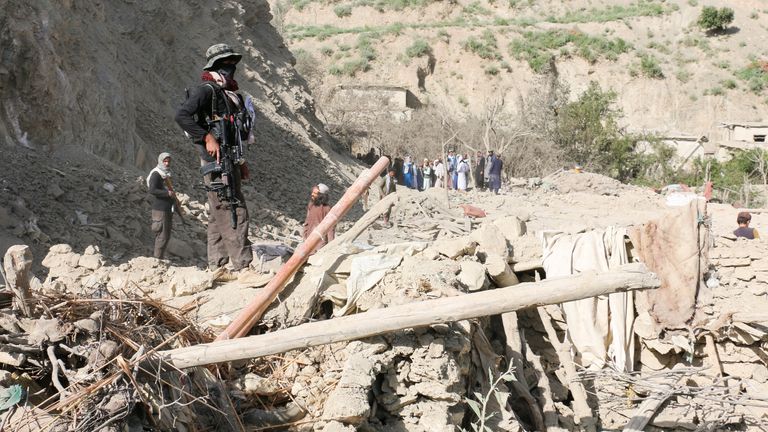
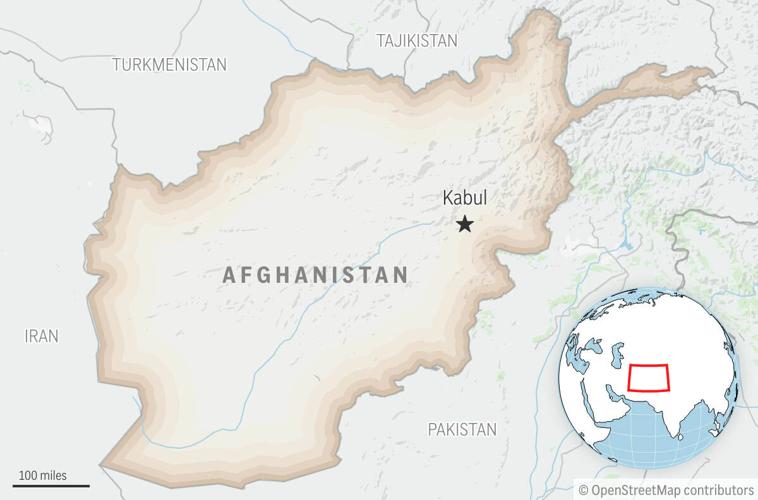
The June 10, 2026 Pakistani airstrikes on Afghanistan's Khost, Kunar, and Paktika provinces represent a critical supply chain risk event for cross-border e-commerce sellers. While the conflict is geopolitical in nature, it directly impacts logistics corridors, customs clearance timelines, and sourcing reliability for sellers operating in South Asia. The escalation—marking a breach of over one month of relative calm and following a pattern of tit-for-tat attacks since February 2026—creates immediate operational uncertainty for three seller segments: (1) sellers sourcing textiles, electronics, and handicrafts from Pakistan and Afghanistan; (2) sellers using Pakistan as a transshipment hub for goods destined to Southeast Asian and Middle Eastern markets; (3) sellers with fulfillment operations in Khyber Pakhtunkhwa province.
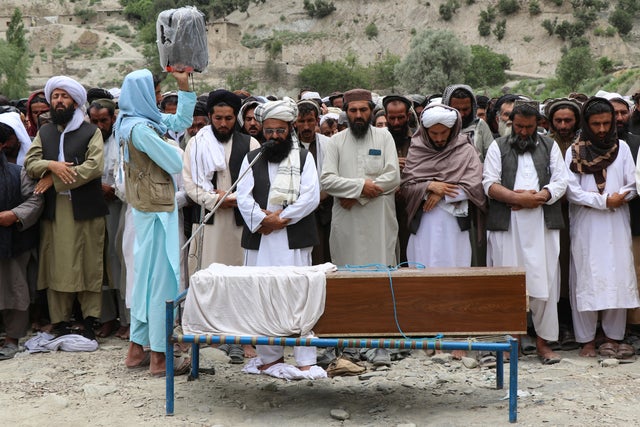
Immediate Supply Chain Implications: Pakistan's declaration of "open war" with Afghanistan following the TTP attack on Khyber Pakhtunkhwa security forces signals potential disruptions to the Karachi-Kabul trade corridor, historically a key route for cross-border commerce. The conflict has already claimed hundreds of lives since February 2026, with disputed casualty reports (Pakistan claims 26 militants killed; Taliban reports 13+ civilians) indicating information fragmentation that typically precedes extended military operations. Sellers should expect 5-15 day delays in customs clearance at Pakistani ports, potential temporary closures of land borders, and increased insurance premiums (typically 2-4% surcharge during regional conflicts) for shipments transiting the region. The failed diplomatic efforts and recurring escalation pattern suggest this is not a short-term disruption—multiple internationally mediated peace talks have produced no lasting truces.
Sourcing and Inventory Risk: For sellers sourcing from Pakistan's textile hubs (Lahore, Karachi) or Afghanistan's handicraft regions, the conflict creates both immediate fulfillment delays and longer-term supplier reliability concerns. Khyber Pakhtunkhwa province, where the TTP attack occurred, is a critical logistics junction. Sellers should audit supplier locations, establish alternative sourcing relationships in India or Bangladesh, and consider pre-positioning inventory in Singapore or Dubai fulfillment centers to bypass the Pakistan-Afghanistan corridor. The pattern of escalation—with no resolution mechanism in place despite failed peace talks—suggests 3-6 month planning horizons for supply chain restructuring are prudent.
Questions 8
Should I increase prices on products affected by Pakistan supply disruptions?
Yes, strategically. Supply constraints from Pakistan typically drive 5-10% price increases within 2-4 weeks as inventory depletes. For textiles and apparel (highest disruption categories), consider raising prices 7-12% on bestselling SKUs while maintaining competitive pricing on commodity items. Monitor competitor pricing daily—Amazon and eBay typically see 8-15% price increases in affected categories during regional conflicts. However, avoid aggressive pricing that triggers customer complaints or Buy Box loss. Instead, optimize your PPC campaigns to capture demand from competitors with supply issues. For sellers with pre-positioned inventory in Dubai or Singapore, you have 4-8 week window to capture market share before competitors establish alternative sourcing. Increase ad spend by 20-30% during this window to maximize visibility.
How long will the Pakistan-Afghanistan conflict disrupt my supply chain?
Based on the conflict pattern since February 2026, expect 3-6 month disruptions minimum. The news reports multiple failed diplomatic peace talks and a recurring escalation cycle: February attacks, March airstrikes (allegedly killing 400+), one month of calm, then June 10 escalation. Security analyst Masood Khan indicates Pakistan's objective is enforcing Taliban leader Mullah Haibatullah Akhundzada's orders—a structural demand unlikely to be resolved quickly. Plan for extended disruption: (1) Immediate (0-30 days): audit suppliers and establish alternative sourcing; (2) Medium-term (1-3 months): pre-position inventory in regional fulfillment centers; (3) Long-term (3-6 months): shift 60%+ sourcing to non-Pakistan suppliers. Monitor international mediation efforts—any breakthrough would signal supply chain normalization.