


EU Regulatory Scrutiny on Foreign Investment | Emerging Market Risk for Cross-Border Sellers
- €5 billion Albanian resort project faces EU intervention and mass protests; signals tightening governance standards affecting foreign investor confidence in Balkan markets




Overview
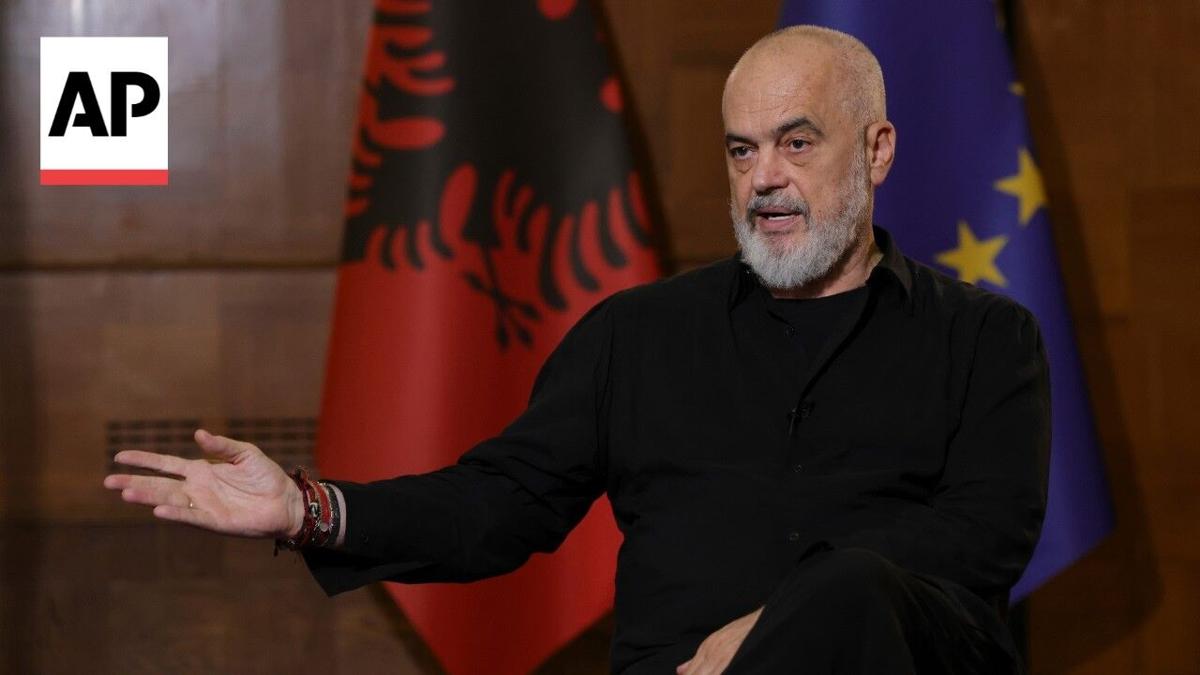
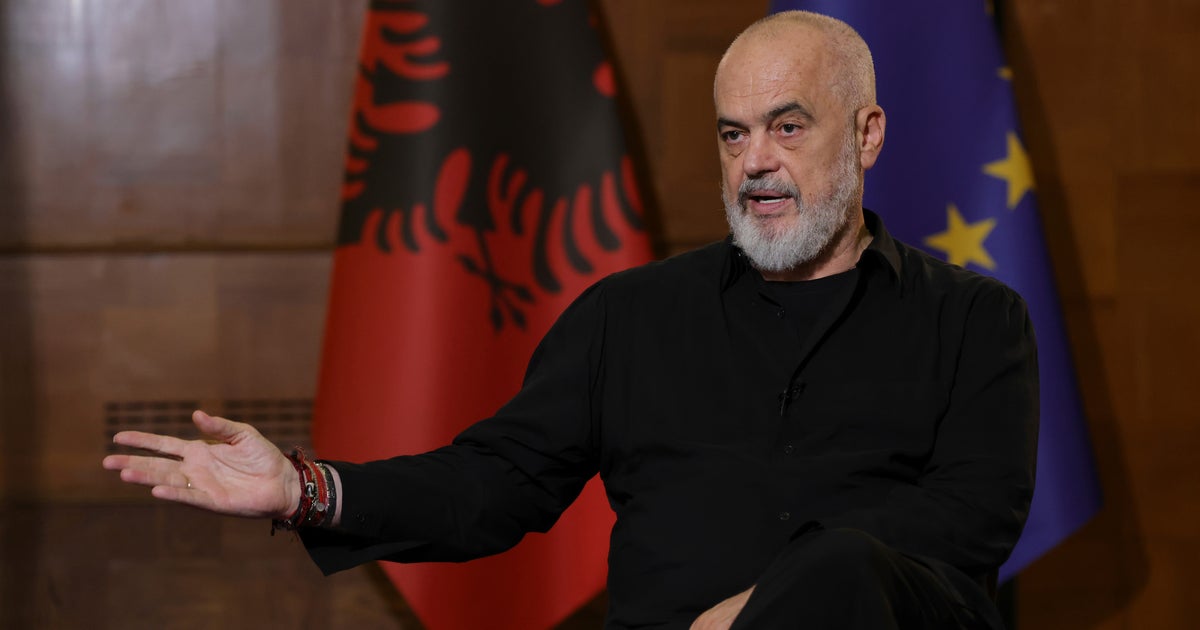
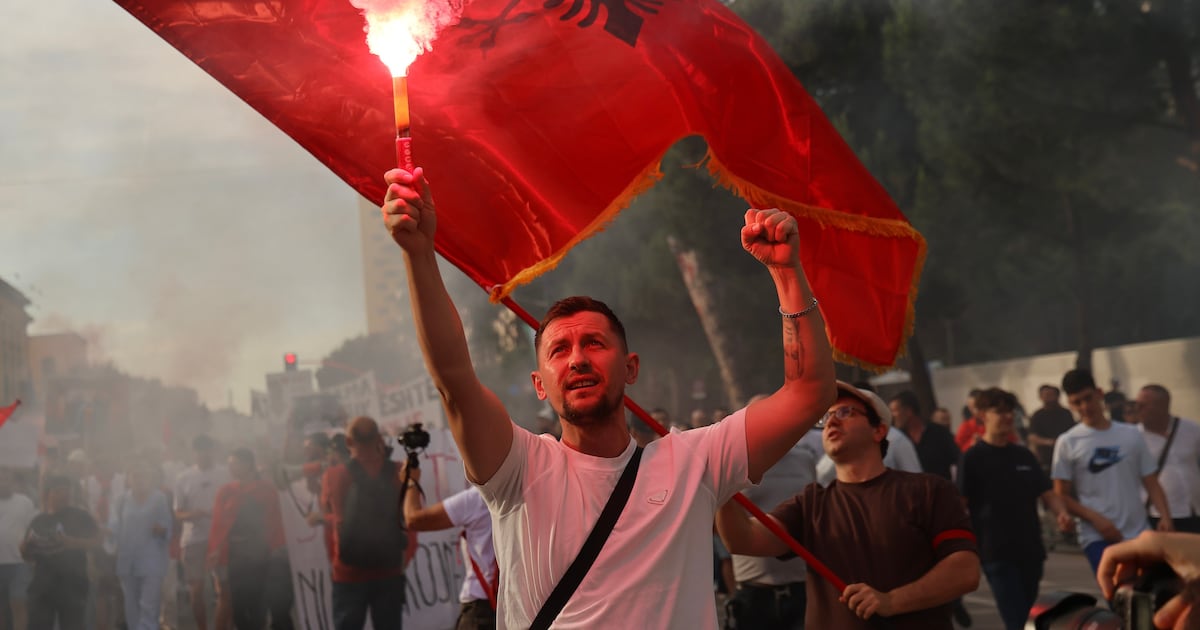
The €5 billion Kushner-Trump luxury resort development in Albania represents a critical case study in emerging market regulatory risk that directly impacts cross-border sellers operating in or sourcing from Southeast Europe. The project's convergence of environmental concerns, mass public opposition (thousands protesting in June 2026), and EU intervention signals a fundamental shift in how candidate EU nations enforce governance standards—a pattern that extends beyond real estate to affect foreign business operations across all sectors.
Key regulatory developments: Albania's special prosecutor (SPAK) launched formal investigations into land sales, while the European Union's executive branch formally expressed concerns about environmental and governance implications. This EU-level scrutiny creates precedent for stricter vetting of foreign investment in candidate nations, potentially affecting supply chain partnerships, manufacturing agreements, and distribution rights for cross-border sellers. The project's €5 billion scale demonstrates that even politically connected investors face substantial obstacles when governance frameworks tighten—a warning signal for sellers evaluating market entry or expansion in Balkan regions.
Market implications for sellers: The Albanian controversy reflects broader anti-corruption momentum in Southeast Europe, particularly as nations pursue EU membership. Sellers sourcing from or operating in Albania, Bulgaria, Romania, and other candidate countries should anticipate increased regulatory scrutiny on business partnerships, customs procedures, and foreign ownership structures. The SPAK investigation and EU monitoring suggest that informal business practices—historically tolerated in emerging markets—now carry reputational and operational risks. Specifically, sellers relying on local partners or land-based logistics hubs in Albania may face delays or partnership complications if those entities become subject to corruption investigations.
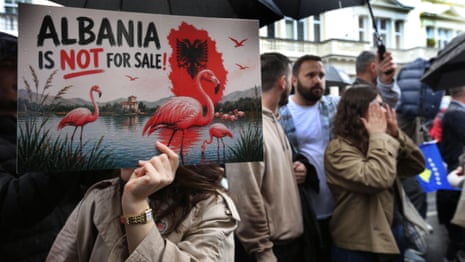
Consumer behavior angle: The mass protests ("Albania is not for sale" messaging) reveal nationalist sentiment against foreign capital in emerging markets. This sentiment extends beyond real estate to consumer goods—Albanian and regional consumers increasingly scrutinize foreign brand ownership and investment practices. Sellers marketing Western brands in Southeast Europe should monitor anti-foreign sentiment trends, as the Kushner controversy amplifies existing concerns about economic sovereignty and environmental protection. This creates both risk (brand backlash) and opportunity (locally-owned or sustainable product positioning gains appeal).
Operational timeline: The investigation is ongoing with no resolution date specified, creating 6-12 month uncertainty for any sellers with Albanian supply chain dependencies. Prime Minister Rama's public commitment to project completion despite opposition suggests political will, but EU membership jeopardy (if environmental standards are violated) introduces binary risk—either the project proceeds with stricter conditions, or it stalls entirely, affecting local economic confidence and business stability.
Questions 7
How does this controversy affect seller risk assessment for Balkan market expansion?
The Kushner project demonstrates that even politically connected investors face substantial obstacles in emerging markets with tightening governance—a cautionary signal for sellers evaluating Balkan expansion. Key risk factors: (1) Regulatory uncertainty in candidate EU nations, (2) Potential for sudden policy changes based on EU membership requirements, (3) Reputational risk from association with controversial foreign investment, (4) Supply chain disruption if local partners become subject to corruption investigations. Sellers should conduct enhanced due diligence on local partners, avoid involvement in government contracts or land-based operations, and maintain contingency supply chains outside the region. The investigation's ongoing status suggests 12-18 month uncertainty before market conditions stabilize.
What does the EU's intervention signal about future foreign investment in candidate nations?
The EU's formal concerns about environmental and governance standards indicate that candidate nations must align with EU regulations before membership approval—creating a 'compliance first' environment for foreign investors. This signals: (1) Environmental impact assessments will become mandatory for large projects, (2) Governance transparency requirements will tighten, (3) Foreign ownership structures will face increased scrutiny, (4) Corruption investigations will accelerate. For sellers, this means that market entry strategies must prioritize compliance over speed, and partnerships with local entities should include governance certifications. The precedent suggests that future foreign investment in Albania, Bulgaria, Romania, and other candidates will face similar EU-level review, making regulatory risk a primary consideration in market selection.