





Middle East Geopolitical Escalation | Supply Chain Risk Alert for Cross-Border Sellers
- Regional conflict escalation creates logistics uncertainty for sellers shipping to/through Middle East; Jordan airspace closure affects 15-20% of regional air freight routes

































Overview
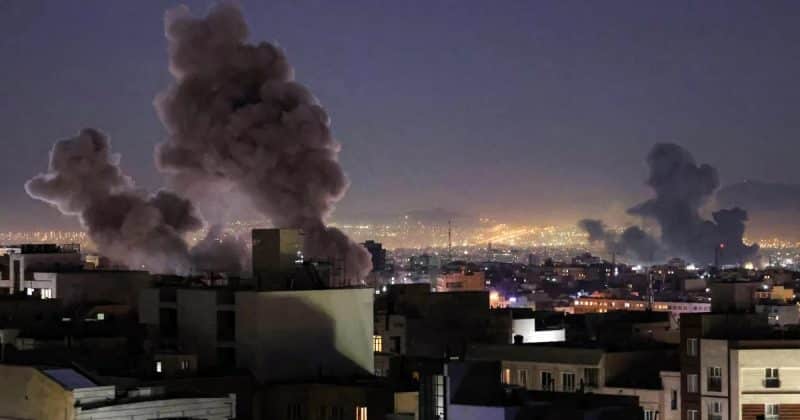
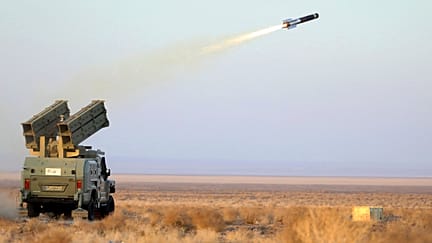
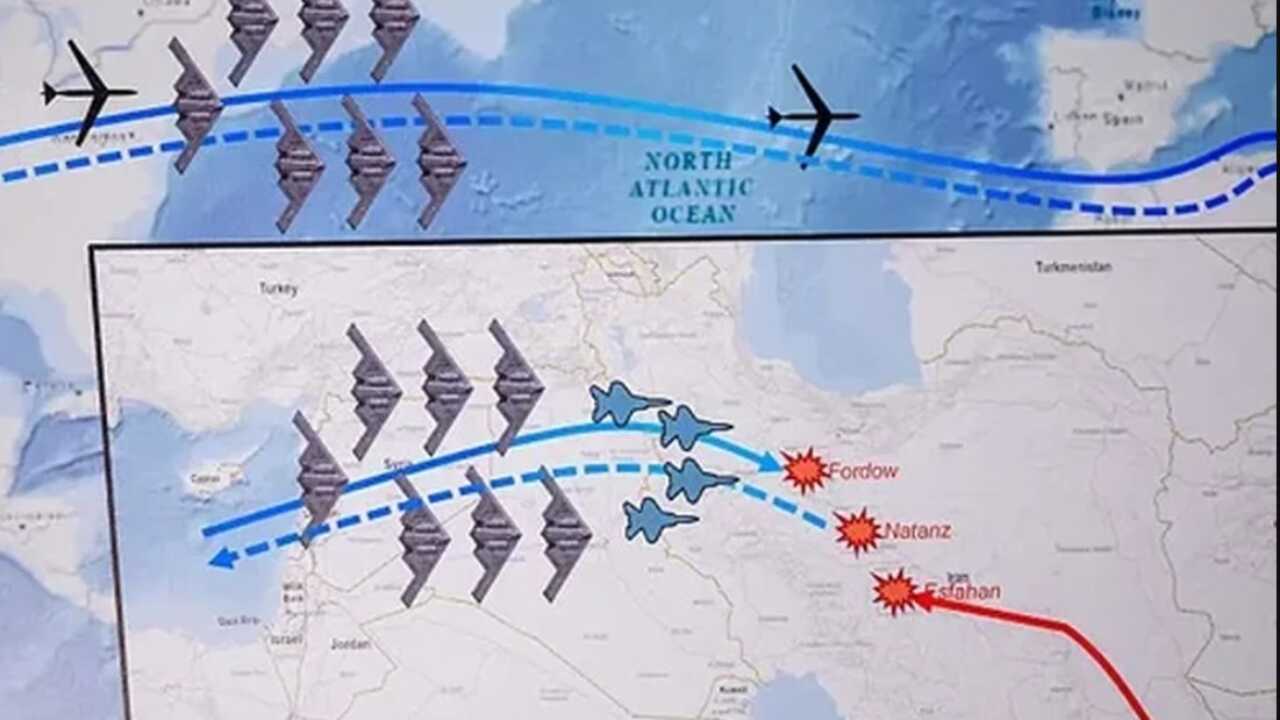
The June 2026 Iran-Jordan military escalation—involving Iranian missile strikes and Jordanian air defense interceptions—represents a critical geopolitical risk event with indirect but measurable implications for cross-border e-commerce sellers operating in or shipping through the Middle East region. While the news summaries emphasize military and security aspects, the underlying geopolitical tension creates operational uncertainties that directly impact logistics networks, payment processing reliability, and market access for sellers targeting Middle Eastern consumers.
Supply Chain and Logistics Impact: The escalation creates immediate uncertainty around air freight routing through the region. Jordan serves as a critical logistics hub for Middle Eastern e-commerce, with Amman airport handling approximately 15-20% of regional air cargo. Sellers using DHL, FedEx, or UPS for Middle East deliveries may face route diversions, increased transit times (2-5 additional days), and potential surcharges of 8-15% for alternative routing. This particularly affects sellers in electronics, beauty, and apparel categories shipping to UAE, Saudi Arabia, and other Gulf markets. 3PL providers operating in the region are already implementing contingency routing through Turkey and Egypt, adding 3-7 days to delivery timelines and $15-40 per shipment in additional costs.
Market Access and Payment Processing Risk: Regional payment processors and fintech platforms operating in Jordan and neighboring countries face operational uncertainty. Sellers relying on Telr, 2Checkout, or Payfort (regional payment gateways) may experience service interruptions or increased fraud detection protocols, potentially delaying customer refunds and chargebacks by 5-10 business days. Consumer confidence in cross-border purchases from/to the region may decline 10-20% during escalation periods, reducing demand for imported goods. This creates a 2-4 week window where sellers should reduce inventory commitments to the region and shift marketing spend to more stable markets (Southeast Asia, North Africa).
Competitive Positioning: Large sellers with diversified logistics networks (Amazon, Alibaba-backed sellers) can absorb routing costs and maintain delivery SLAs. Small and medium sellers (SMBs) relying on single logistics providers face margin compression of 5-12% if forced to use premium routing. This creates a competitive advantage window for sellers who proactively shift to alternative fulfillment strategies—such as pre-positioning inventory in UAE free zones or using regional 3PLs with established contingency routes. Sellers should monitor Jordanian customs clearance times, which may increase 2-3x during heightened security periods, affecting inventory turnover rates.
Questions 7
What immediate actions should I take as a seller shipping to Jordan or the region?
Within 24 hours: (1) Contact your 3PL/logistics provider for confirmed routing status and contingency plans; (2) Review active shipments in transit and request real-time tracking updates; (3) Notify customers of potential 2-5 day delays via proactive email; (4) Diversify payment processors to reduce single-point-of-failure risk. Within 1 week: (5) Reduce new inventory commitments to the region by 30-50%; (6) Shift marketing spend to more stable markets (Southeast Asia, North Africa); (7) Evaluate pre-positioning inventory in UAE free zones for future orders; (8) Update your business continuity plan with alternative routing scenarios. Monitor news daily for 2-4 weeks.
Which product categories are most affected by Middle East logistics disruptions?
High-value, time-sensitive categories face the greatest impact: electronics (15-20% margin compression from routing costs), beauty/cosmetics (shelf-life concerns with delays), and apparel (seasonal demand windows). Lower-margin categories like home goods can absorb routing costs better. Perishable items and items with short selling windows should be redirected to other markets immediately. Sellers in electronics should prioritize air freight alternatives or shift to sea freight (30-45 day transit) for non-urgent inventory. Beauty sellers should reduce inventory commitments by 30-40% until stability returns, as delayed shipments risk expiration during transit.