



Everest Safety Crisis Drives $7M Tourism Permit Revenue Shift | Nepal Market Opportunity
- Record 1,000+ summiteers in 2026 season generates $7M government revenue; safety negligence claims expose 50K+ adventure tourism sellers to liability and regulatory tightening





Overview
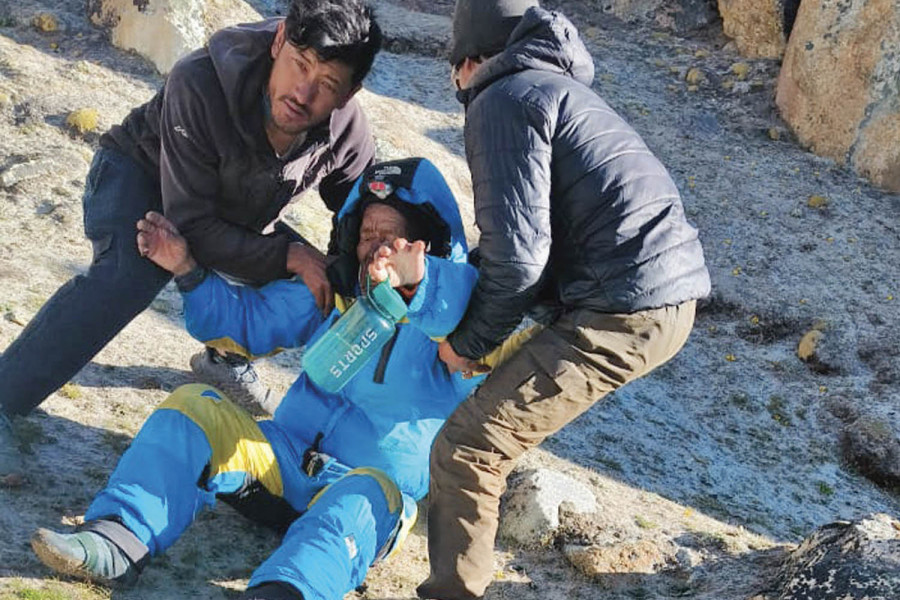
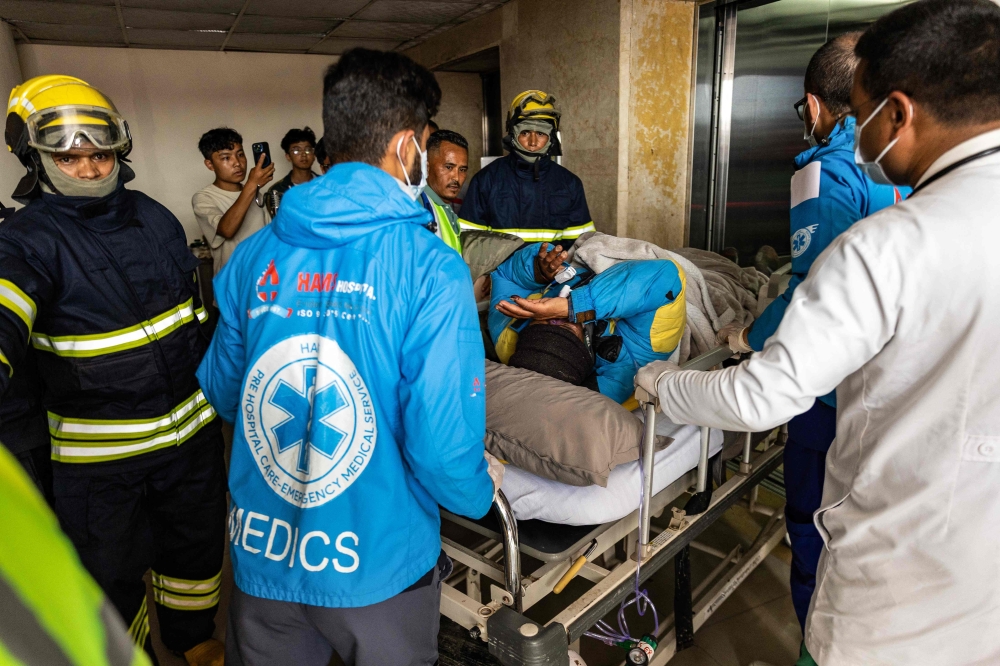
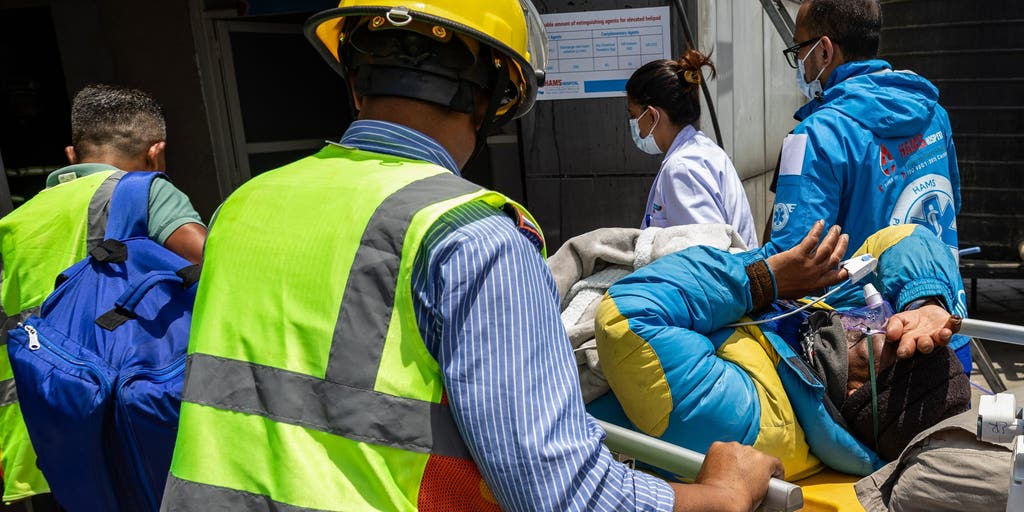
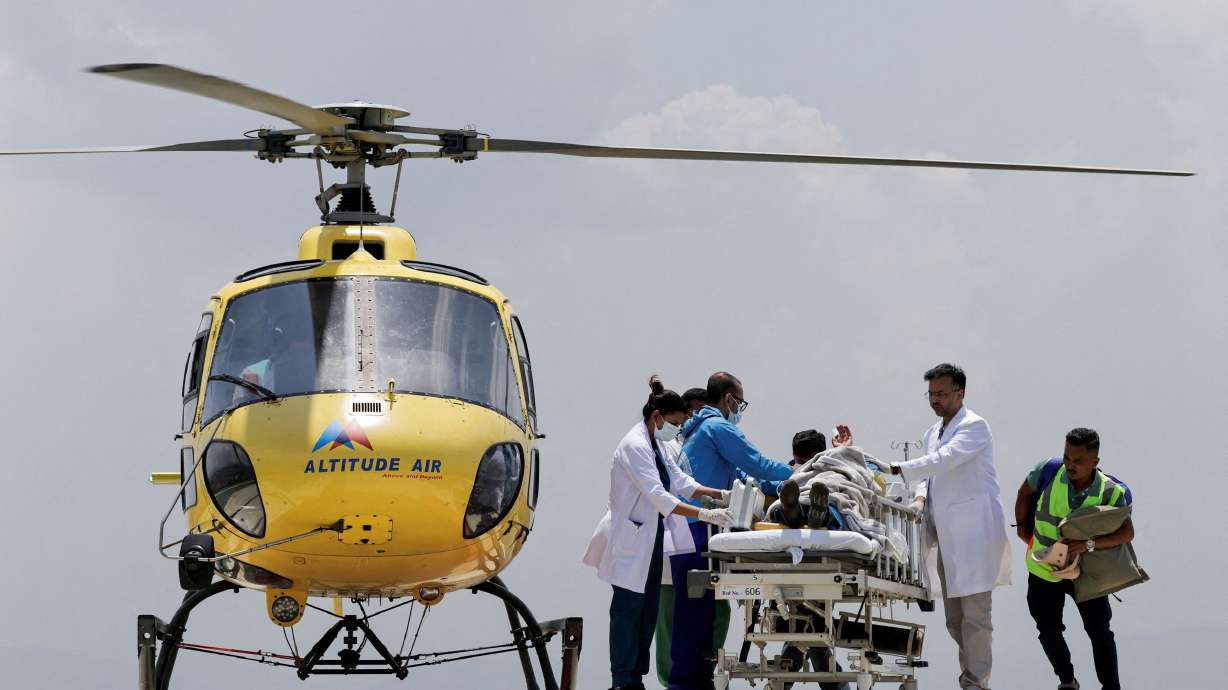
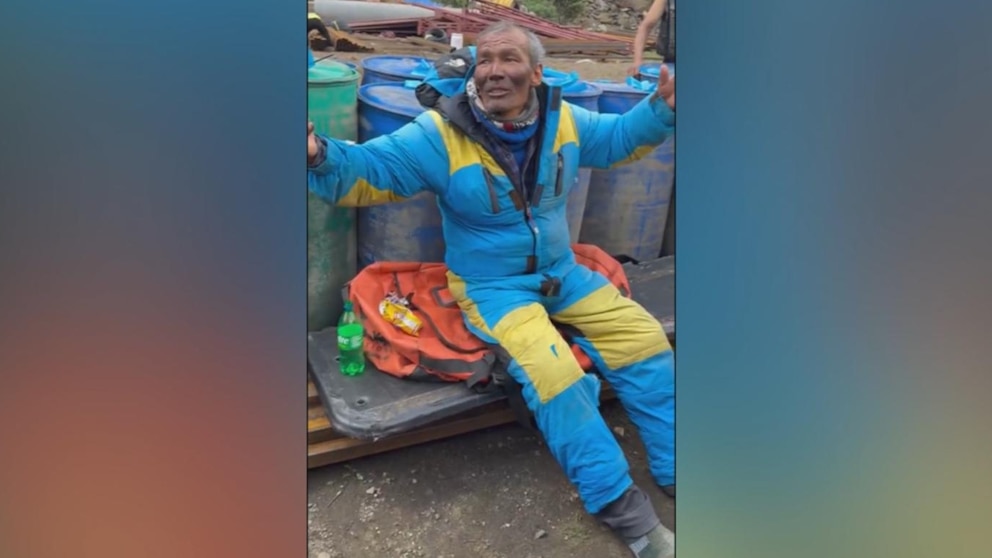
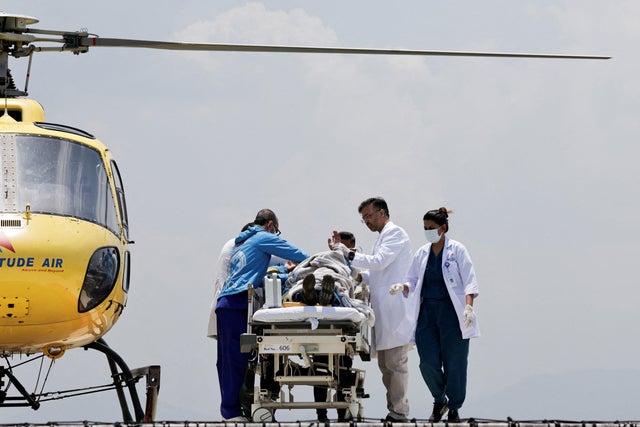
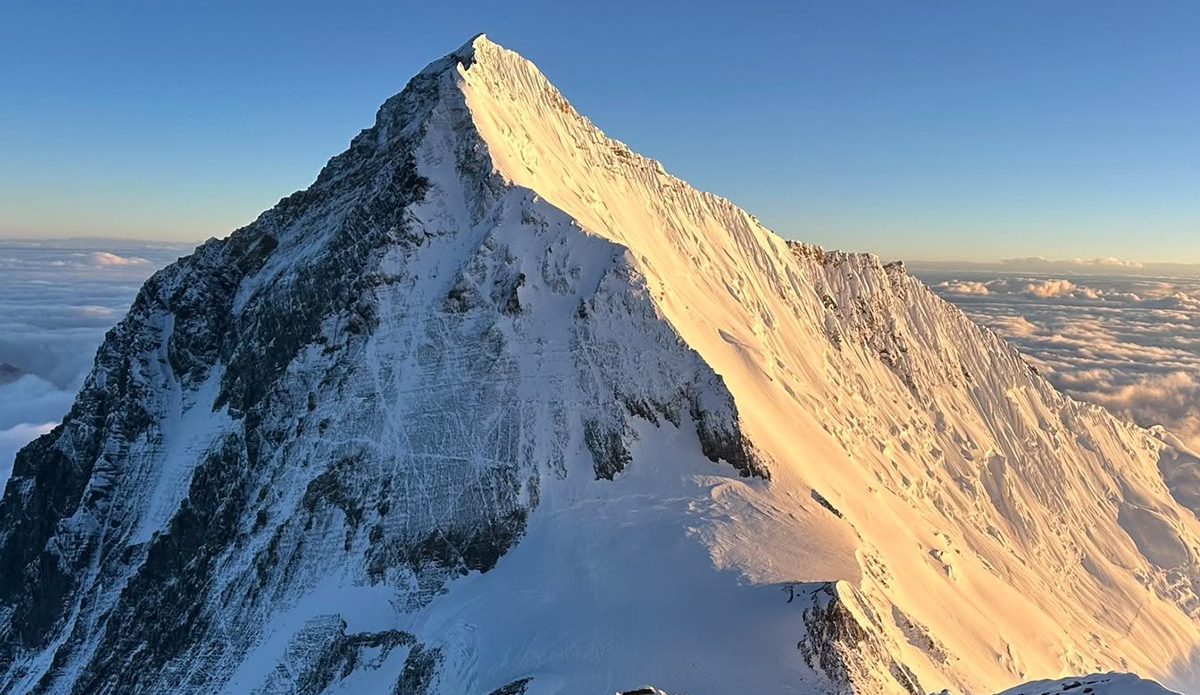
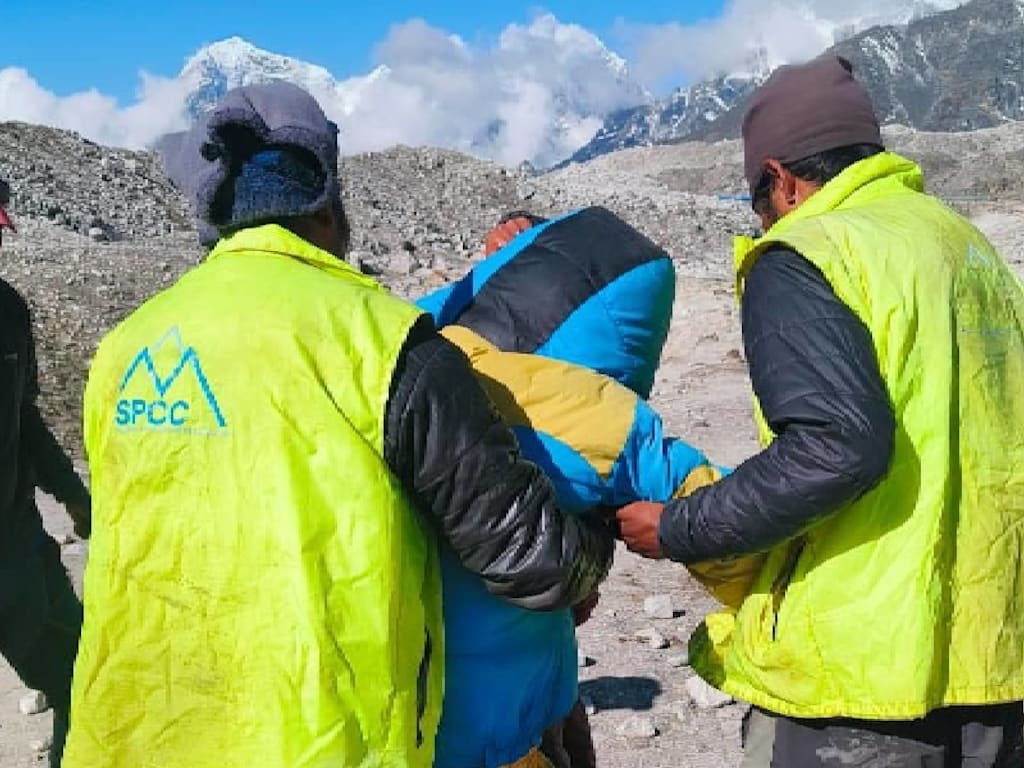
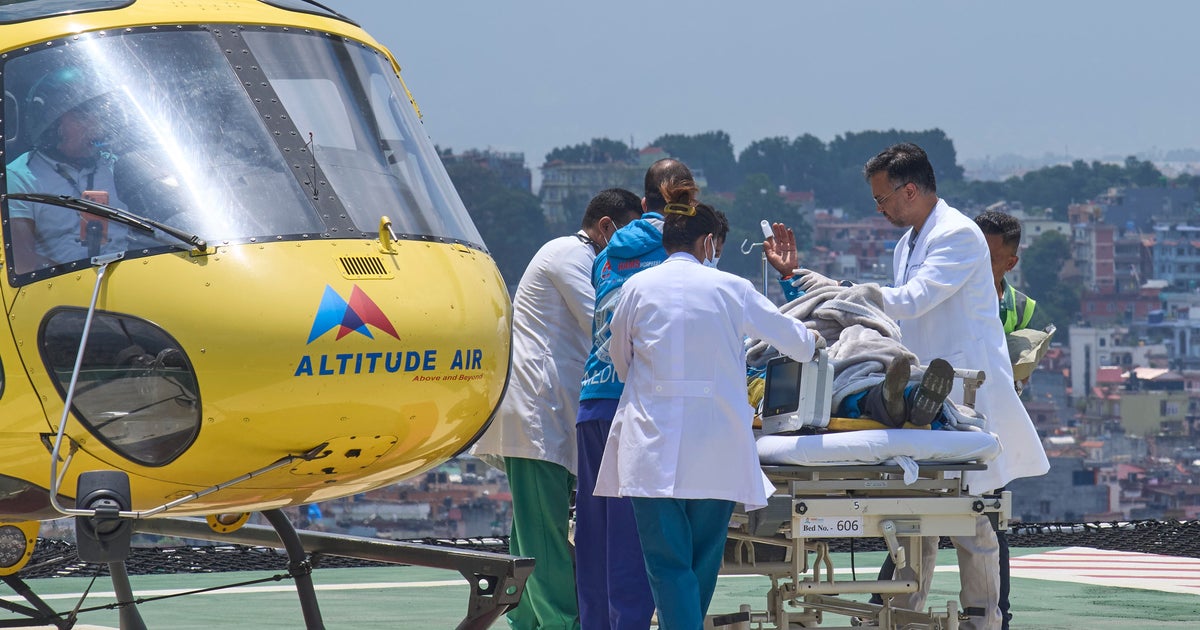
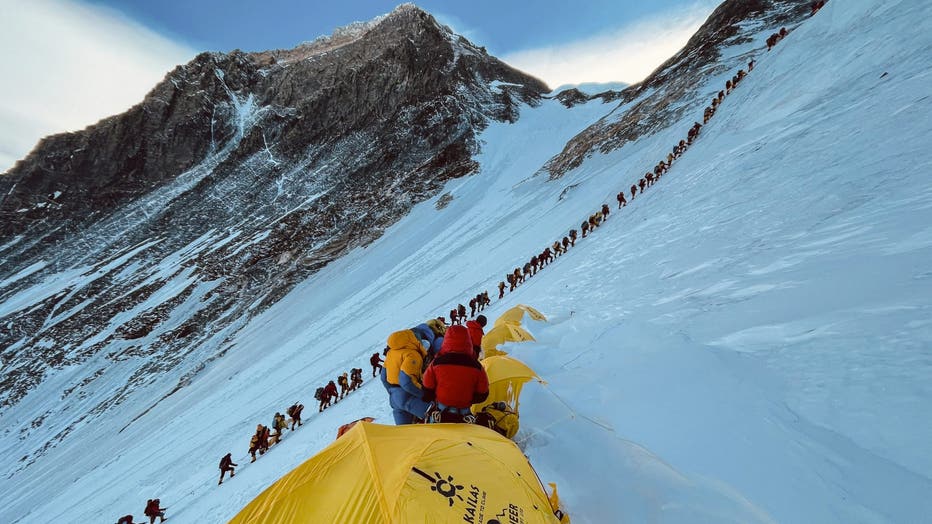
The May 2026 Mount Everest incident involving guide Hillary Dawa Sherpa's six-day survival ordeal after being separated from clients has triggered a critical safety reckoning in Nepal's high-altitude tourism sector. The incident occurred during a record-breaking climbing season with over 1,000 summiteers reaching the peak and the Nepal government collecting $7 million in climbing permits—representing unprecedented commercial pressure on the world's highest mountain. Dawa Sherpa's miraculous survival (discovered June 4 after six days stranded without supplemental oxygen, surviving on pocket chocolates and melted ice) has exposed systemic vulnerabilities in operator accountability, guide protection, and rescue coordination.
The operational failure is clear: Himalayan Traverse Adventure (HTA) reassigned Dawa Sherpa from camp cook to substitute guide when another guide fell ill, then delayed search operations for three days after his disappearance. The Nepal Mountaineering Association and Everest Summiteers Association have both called for government investigation, with prominent guide Kami Rita Sherpa demanding stricter quality controls: "They should let in only climbers of quality—there should be a limit." At least five climbers died during the 2026 season (two Indians, three Nepalis), highlighting how overcrowding increases danger when less experienced climbers join expeditions.
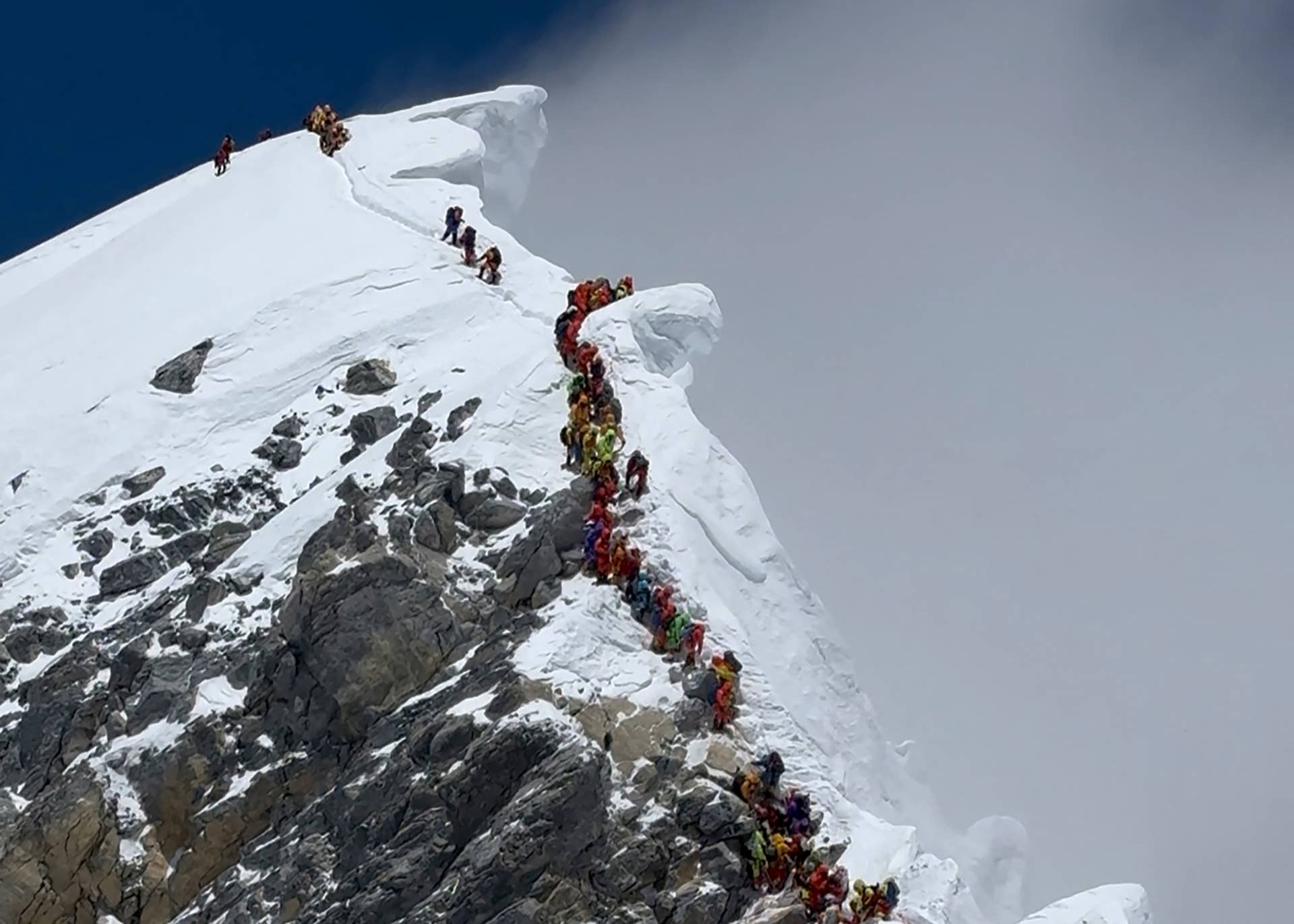
For cross-border adventure tourism sellers, this incident creates both immediate compliance risks and medium-term market restructuring. The $7 million permit revenue signals Nepal's government will likely implement stricter licensing requirements, guide certification standards, and rescue operation protocols—potentially increasing operational costs 15-25% for tour operators. Sellers offering Everest expeditions, trekking packages, and high-altitude adventure experiences on platforms like Viator, GetYourGuide, and Airbnb Experiences face potential liability exposure if they cannot demonstrate proper guide vetting, safety protocols, and rescue insurance. The incident also reveals consumer demand vulnerability: overcrowding (274 summits on May 21 alone) indicates price-driven market saturation where budget operators cut corners on safety—a race-to-the-bottom dynamic that regulatory intervention will disrupt.
Strategic implications for sellers: Nepal's tourism department investigation will likely result in permit caps, mandatory guide certification, and insurance requirements within 3-6 months. Operators currently offering "budget Everest expeditions" at $35-45K will face cost increases of $5-10K per expedition as compliance and rescue insurance costs rise. Conversely, premium operators emphasizing safety protocols and experienced guides will gain competitive advantage. The incident also creates merchandise opportunities: demand for high-altitude safety equipment (oxygen systems, communication devices, emergency beacons) will surge as operators upgrade compliance. Sellers of mountaineering gear on Amazon, eBay, and specialty platforms should expect 20-30% category growth in premium safety equipment during Q3-Q4 2026 as operators prepare for stricter regulations.
Questions 7
Which product categories will see demand growth from this incident?
High-altitude safety equipment will experience 20-30% category growth as operators upgrade compliance: oxygen systems, communication devices (satellite messengers, emergency beacons), frostbite prevention gear, and rescue harnesses. Sellers on Amazon, eBay, and specialty platforms should stock premium mountaineering equipment from brands like Black Diamond, Petzl, and Garmin. The incident also creates demand for guide training materials, liability insurance products, and expedition planning software. Expect peak demand during Q3-Q4 2026 as operators prepare for stricter regulations.
What regulatory changes should adventure tourism sellers expect from Nepal?
Based on statements from the Nepal Mountaineering Association and Everest Summiteers Association, expect three regulatory shifts: (1) Permit caps to reduce overcrowding (currently 1,000+ summiteers per season), (2) Mandatory guide certification and background vetting (addressing HTA's practice of reassigning unqualified staff), and (3) Rescue operation protocols with insurance requirements. The $7 million government permit revenue indicates Nepal will formalize these requirements to protect its tourism brand. Sellers should monitor Nepal's tourism ministry announcements and budget 20-30% operational cost increases for compliance by Q4 2026.