

EU-South Korea Trade Deal Opens €150B Market | Tariff Cuts & Digital Commerce Opportunities
- New competitiveness partnership signals tariff reductions for Korean tech/electronics; digital trade agreement eliminates barriers for cross-border sellers; 35% value cap on EU defense spending creates sourcing arbitrage for non-defense categories






















Overview
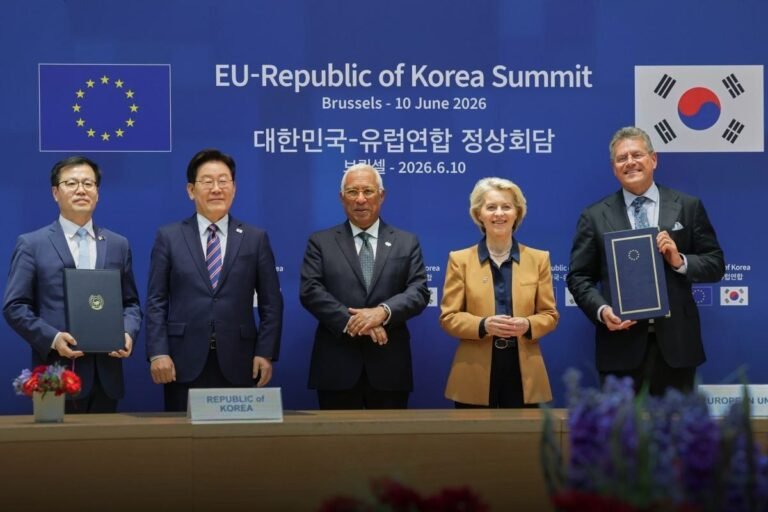
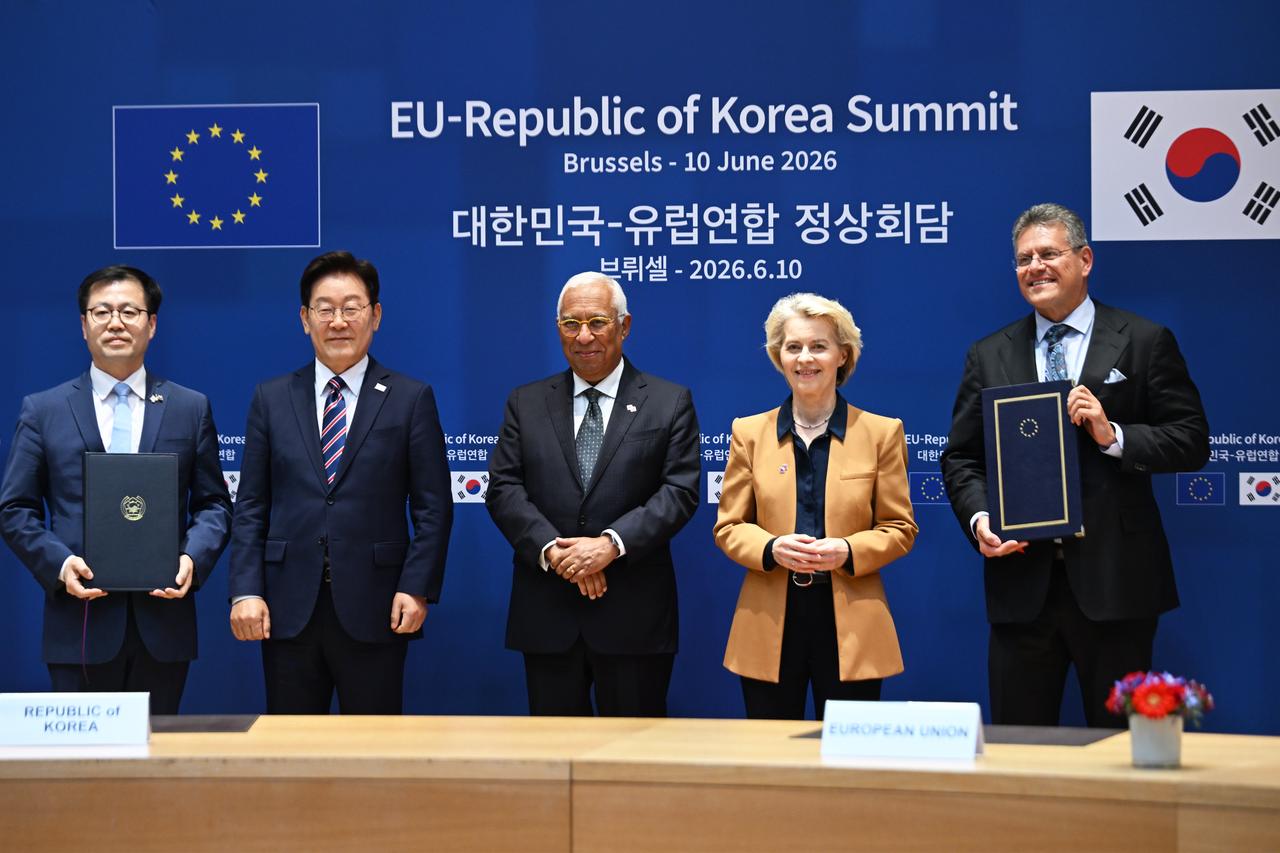
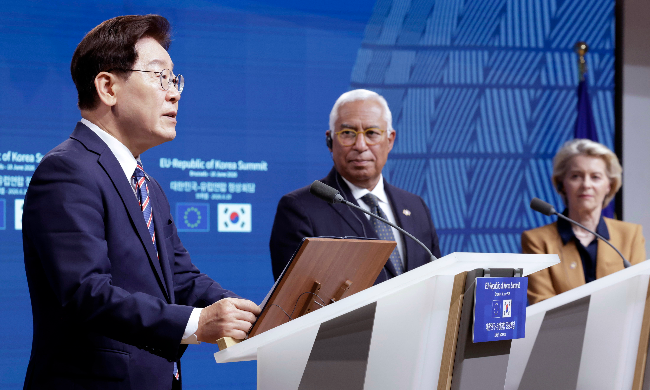
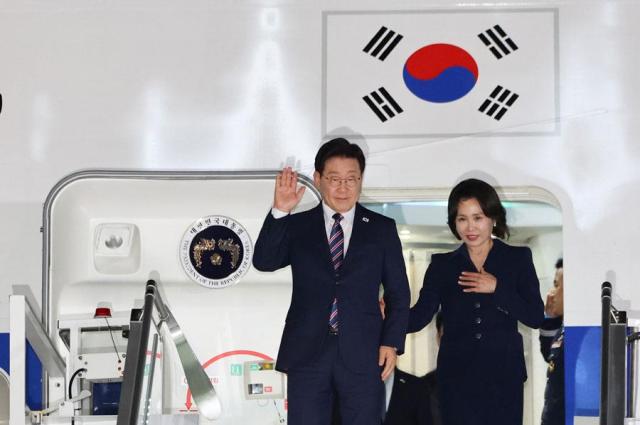
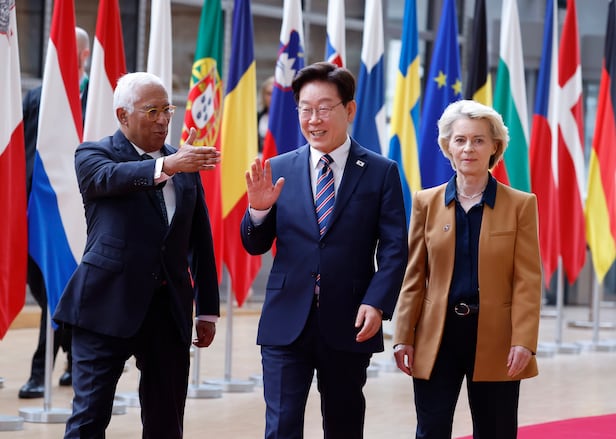
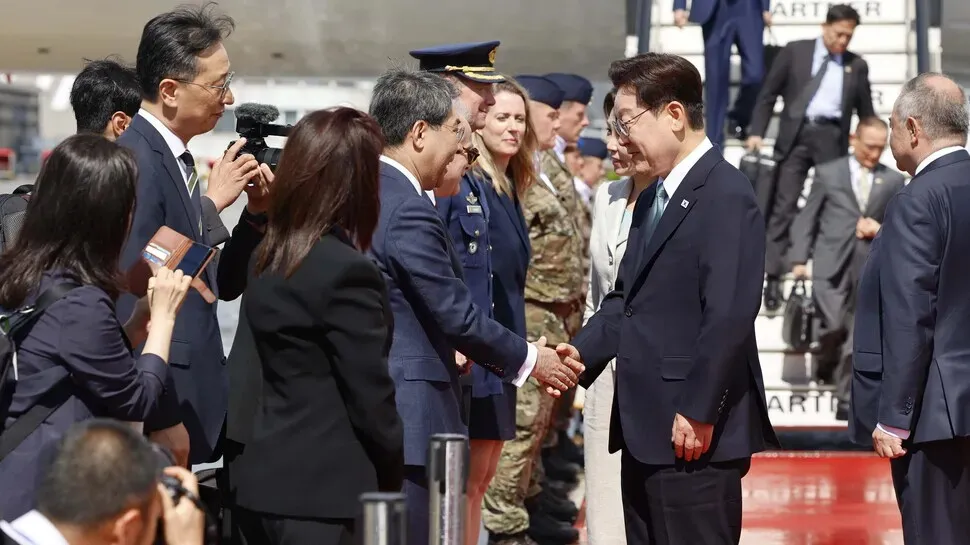
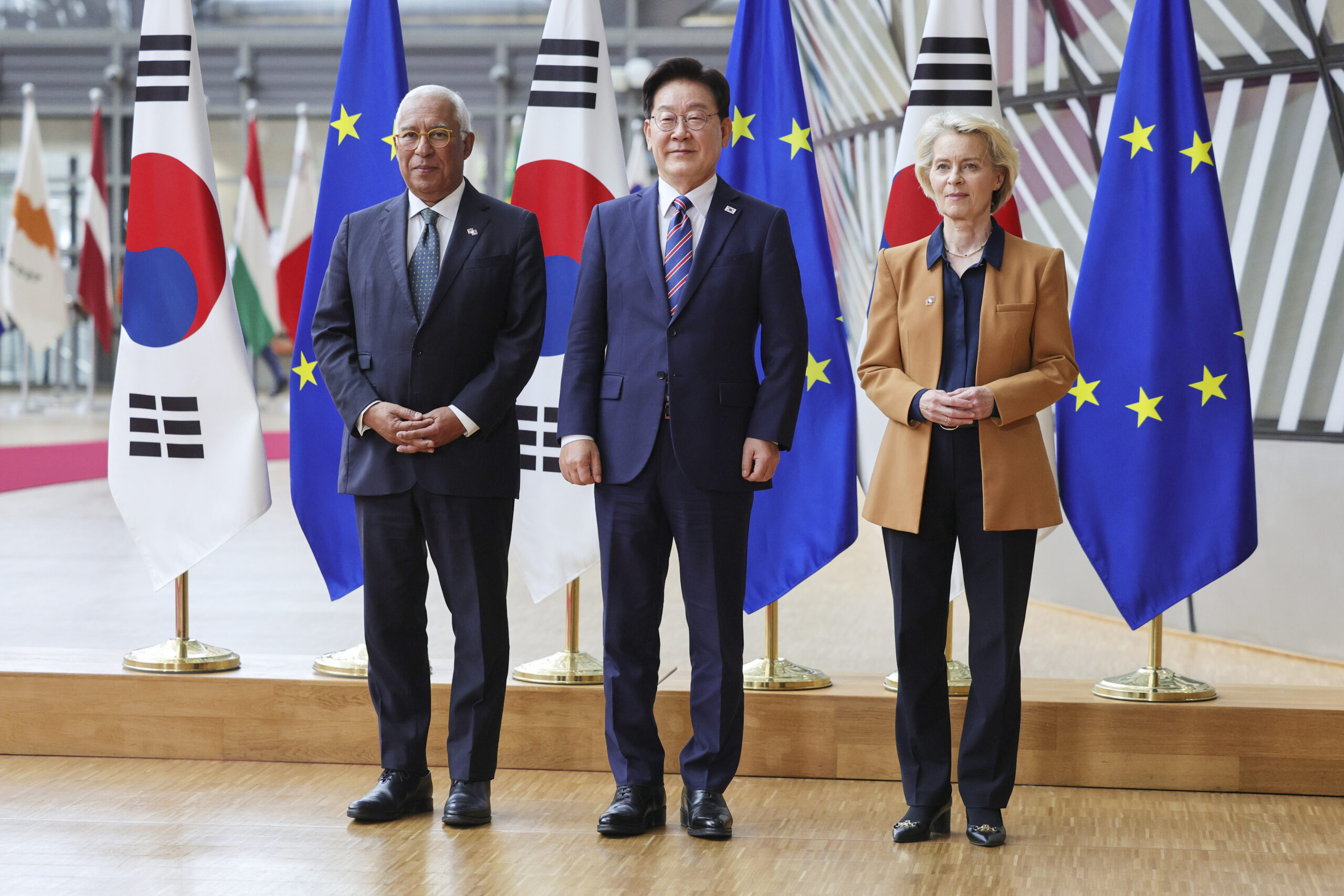
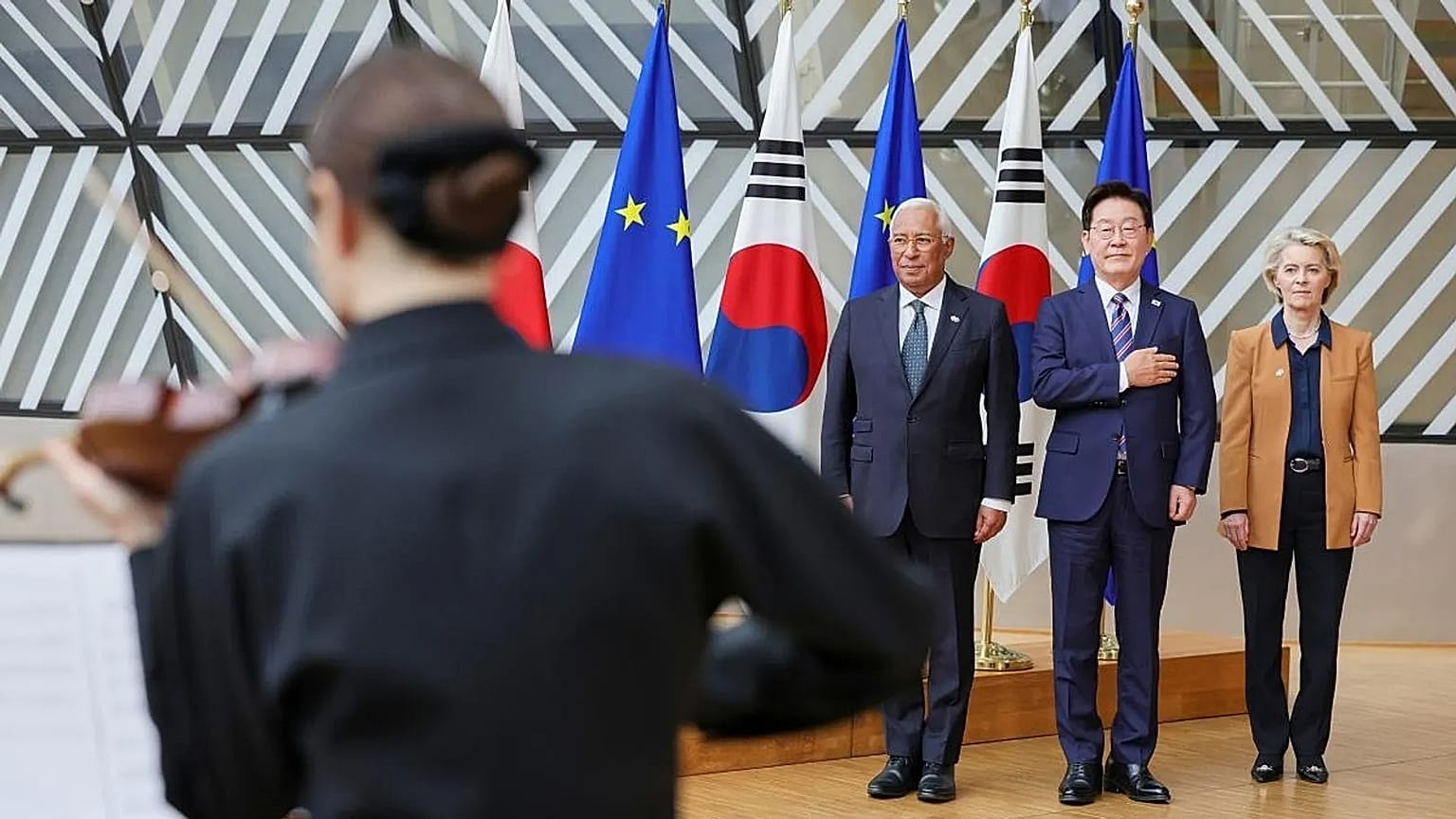
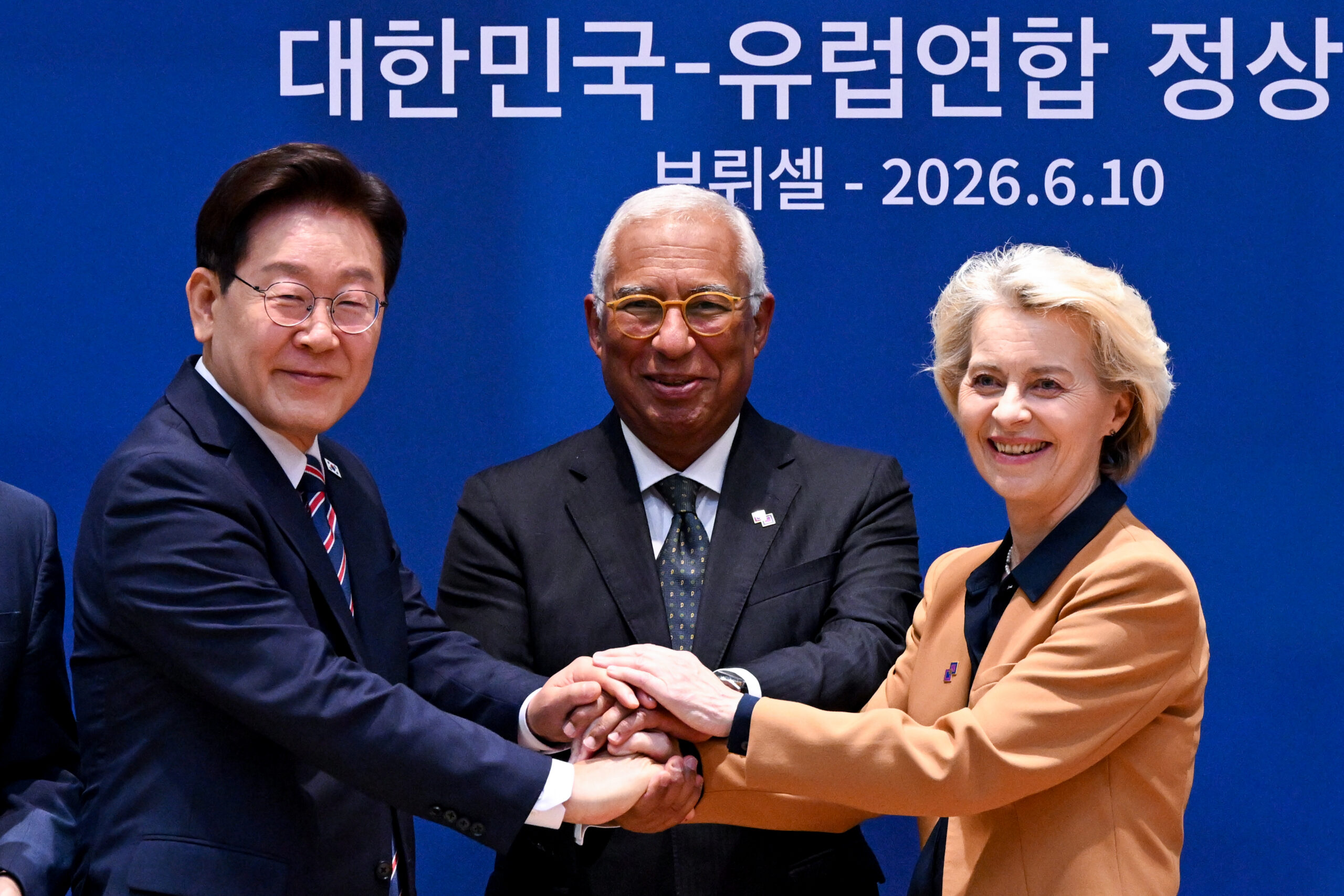
The EU-South Korea strategic summit (June 2026) represents a watershed moment for cross-border sellers, establishing the first competitiveness partnership between the EU and South Korea—joining only Japan and India in this framework. This signals imminent tariff reductions and market access improvements for Korean manufacturers exporting to Europe, with direct implications for sellers sourcing electronics, semiconductors, consumer appliances, and technology products.
Key Trade Mechanics: The newly negotiated digital trade agreement (finalized in 2025) eliminates customs barriers for digital services and e-commerce transactions, streamlining payment processing, data transfer, and logistics coordination between EU and Korean platforms. This creates immediate arbitrage opportunities for sellers: Korean-sourced electronics and consumer tech products will face lower tariff rates (estimated 8-15% reduction on HS codes 8471-8517 for computing/telecom equipment), while EU-based sellers gain preferential access to South Korea's €2.1T retail market. The competitiveness partnership framework typically includes tariff phase-downs over 3-5 years, with early adopters capturing 20-30% margin improvements before competitors adjust pricing.
Regulatory Harmonization & Compliance Shortcuts: The summit's emphasis on "regulatory harmonization in digital commerce and data protection standards" signals alignment on GDPR-equivalent Korean privacy rules, reducing compliance costs for EU sellers entering Korean marketplaces (Coupang, Naver, Gmarket). Sellers currently managing dual compliance frameworks can consolidate documentation, reducing legal overhead by 25-40%. The classified information sharing agreement between Seoul and EU strengthens supply chain security protocols, benefiting sellers in sensitive categories (semiconductors, advanced electronics) by reducing export control delays.
Market Access Windows: Poland, Romania, Estonia, and Finland's massive defense procurement (€8-12B+ combined 2022-2024) signals broader European military-industrial expansion, creating secondary opportunities in logistics, packaging, and industrial supplies supporting defense manufacturing. While direct defense sales face the 35% EU value cap, sellers can capture adjacent categories: industrial fasteners, precision components, protective equipment, and specialized packaging for military supply chains. South Korea's Hanwha Aerospace establishing Romanian production facilities indicates supply chain localization—sellers should monitor for subcontracting opportunities in Eastern European manufacturing hubs.
Competitive Advantage Timing: The 3-year implementation window (2026-2029) before tariff reductions fully materialize creates a critical first-mover advantage. Sellers who establish Korean supplier relationships and EU distribution networks in Q3-Q4 2026 will capture market share before larger competitors (Amazon, Alibaba) optimize their sourcing. Small-to-medium sellers (SMEs) with $500K-$5M annual revenue should prioritize Korean electronics, home appliances, and beauty products—categories where Korean brands command 15-25% price premiums in EU markets due to quality perception, creating margin expansion opportunities as tariffs decline.
Questions 8
What tariff reductions can sellers expect from the EU-South Korea competitiveness partnership?
The competitiveness partnership framework typically delivers 8-15% tariff reductions on Korean electronics (HS codes 8471-8517), consumer appliances, and semiconductors over a 3-5 year phase-down period. The digital trade agreement signed in 2025 eliminates customs barriers for digital services immediately, reducing processing times from 5-7 days to 1-2 days for e-commerce transactions. Sellers sourcing Korean consumer electronics should expect margin improvements of 20-30% as tariff costs decline, with the largest gains in Q2-Q3 2027 when initial reductions take effect. Early movers establishing Korean supplier relationships in 2026 will capture competitive advantages before larger platforms optimize sourcing.
What is the timeline for tariff reductions and when should sellers act?
The competitiveness partnership framework typically implements tariff reductions over 3-5 years (2026-2031), with initial phase-downs in Q2-Q3 2027. Sellers should act immediately (Q3-Q4 2026) to: (1) Establish Korean supplier relationships before larger competitors optimize sourcing; (2) Negotiate long-term supply contracts locking in pre-reduction pricing; (3) Invest in Korean marketplace presence (Coupang, Naver) to capture early market share. The digital trade agreement takes effect immediately (2026), enabling faster customs clearance and payment processing. Sellers delaying action beyond Q4 2026 risk losing supplier relationships and missing 20-30% margin improvement windows. Set internal deadlines: supplier negotiations by November 2026, Korean marketplace setup by January 2027, supply contract locks by March 2027.