

Taiwan Strait Tensions Escalate | Critical Supply Chain & Logistics Risks for Cross-Border Sellers
- China's coast guard patrol and 198-vessel inspection signals heightened maritime friction; impacts shipping routes, insurance costs, and inventory planning for sellers sourcing from/shipping to Taiwan, China, Japan, Philippines





Overview
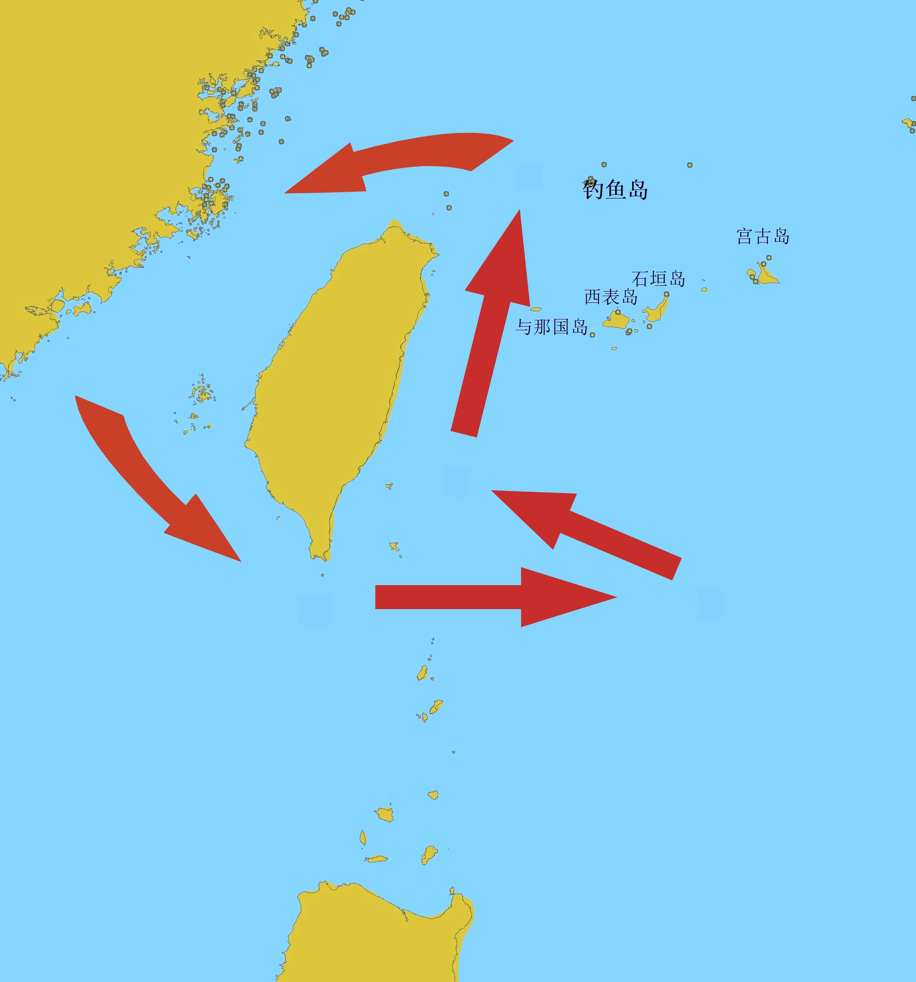
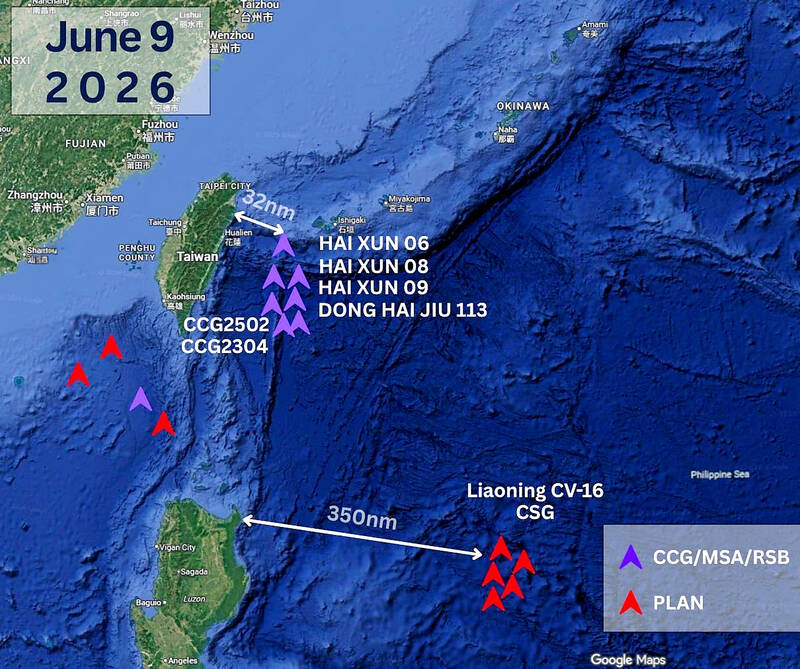
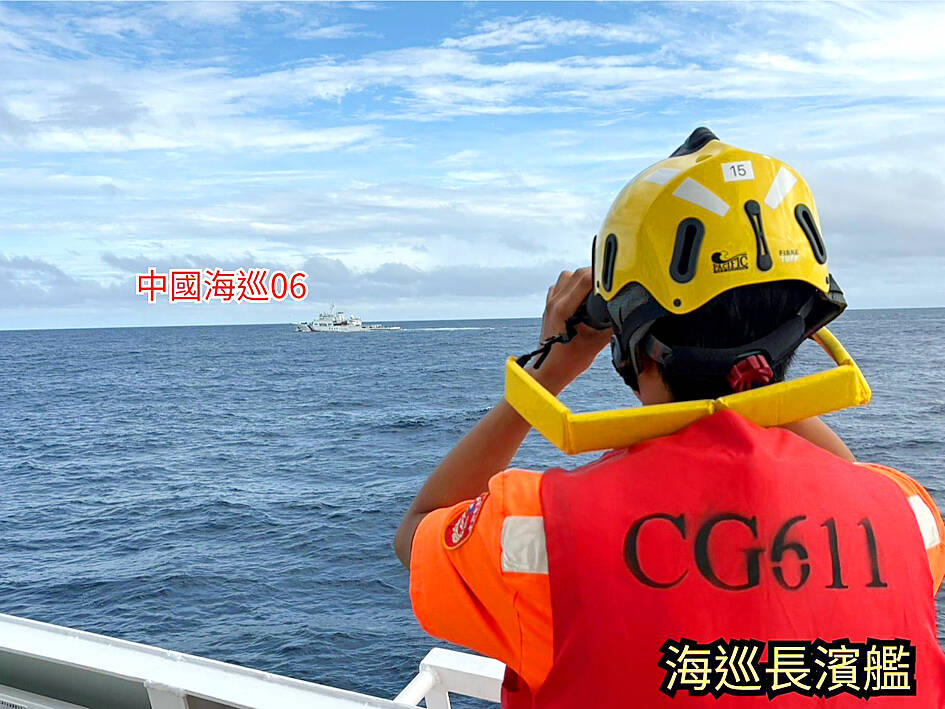
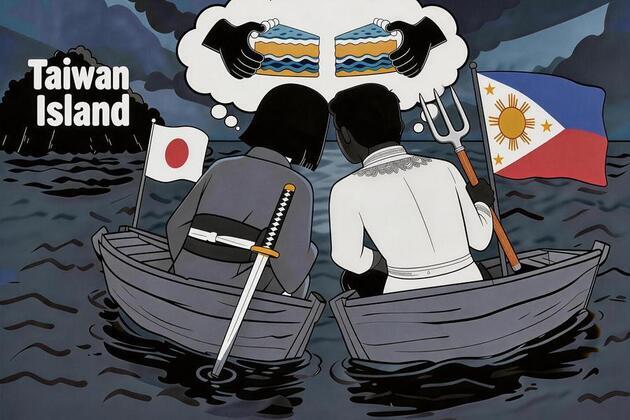
The escalating Taiwan Strait tensions—marked by China's coast guard patrol operation ending in late May 2026 after inspecting 198 vessels and conducting hydrographic surveys—represent a critical geopolitical risk factor for cross-border e-commerce sellers. This incident, triggered by Japan and Philippines maritime boundary talks that Beijing views as involving Taiwan-adjacent waters, signals a hardening of China's territorial assertions and Taiwan's defensive posture. For sellers, this translates into immediate supply chain vulnerabilities: shipping delays through the Taiwan Strait (one of the world's busiest maritime corridors handling 30% of global container traffic), rising marine insurance premiums, and potential customs friction at Chinese and Taiwanese ports.
Supply Chain Disruption Risk: The routine nature of these patrols—China operates warships and warplanes near Taiwan on a near-daily basis—creates unpredictable delays for sellers shipping electronics, semiconductors, apparel, and consumer goods through this corridor. Sellers sourcing components from Taiwan (semiconductors, display panels, precision instruments) or manufacturing in China face 3-7 day delays during heightened tensions, compressing already-thin margins. Insurance costs for vessels transiting the strait have historically increased 15-25% during escalation periods, directly impacting landed costs for sellers using traditional freight forwarding.
Market Segmentation Impact: Taiwan-based sellers (electronics, semiconductors, precision tools) face the highest risk—potential port congestion, customs delays, and reduced shipping capacity. China-based sellers exporting to Southeast Asia, Japan, and Philippines markets must navigate alternative routes (adding 5-10 days transit time and 8-12% cost premiums). Japan and Philippines-based sellers see opportunities in nearshoring demand as buyers diversify away from Taiwan-China corridor dependencies. US and EU sellers importing from this region should expect 2-4 week delays and 10-15% cost increases during escalation windows.
Competitive Advantage Shift: Sellers with diversified sourcing (Vietnam, Thailand, India alternatives) gain competitive advantage. Those dependent on single-source Taiwan or China suppliers face margin compression. The involvement of Japan and Philippines in formal maritime boundary talks creates potential for alternative trade corridors and preferential tariff arrangements, benefiting sellers who can quickly pivot to these markets.
Timing Window: The "routine" nature of these patrols suggests this is a structural, not temporary, risk. Sellers should implement contingency planning immediately—alternative suppliers, buffer inventory, and route diversification—before insurance costs and delays become industry-standard pricing.
Questions 8
What compliance and documentation risks emerge from heightened Taiwan Strait tensions?
Heightened tensions increase customs scrutiny at Chinese and Taiwanese ports. Sellers face: (1) extended port dwell times (2-4 days vs. normal 1 day), (2) stricter documentation requirements (origin certificates, end-use declarations), (3) potential temporary port closures during military exercises. Compliance risks: mislabeled origin (China vs. Taiwan) can trigger penalties; incomplete documentation causes delays. Sellers should: (1) verify supplier origin certifications immediately, (2) ensure all shipping documents clearly state origin country, (3) maintain 30-day buffer inventory for critical SKUs, (4) work with freight forwarders experienced in China-Taiwan trade. Deadline: audit documentation within 30 days; update supplier contracts to include origin verification clauses within 60 days. Non-compliance can result in shipment holds (2-4 weeks) and 5-10% penalty duties.
How do tariff implications from Japan-Philippines maritime talks affect seller margins?
Japan and Philippines formalizing maritime boundary talks signals potential CPTPP/RCEP tariff optimization opportunities. Currently, China-origin goods face 15-25% tariffs in some categories; Japan/Philippines-origin goods face 0-5% under CPTPP. For electronics, apparel, and consumer goods, sourcing from Japan/Philippines instead of China can reduce tariff costs by 10-20 percentage points. Example: apparel sourced from China faces 16.5% US tariff; Philippines-origin apparel faces 0% under CPTPP. Sellers can capture 10-15% margin improvement by shifting sourcing. Action: identify your top 5 product categories by revenue; calculate tariff savings if sourced from Japan/Philippines; model 60-90 day supplier transition costs vs. long-term margin gains. This is a 6-12 month competitive advantage window before tariff arbitrage becomes standard practice.