


China Oil Imports Hit 8-Year Low | Supply Chain Cost Shock for Cross-Border Sellers
- 29% crude import decline triggers 43% coal price surge and 13% aluminum export boom; logistics costs spike for Asia-Pacific e-commerce









Overview
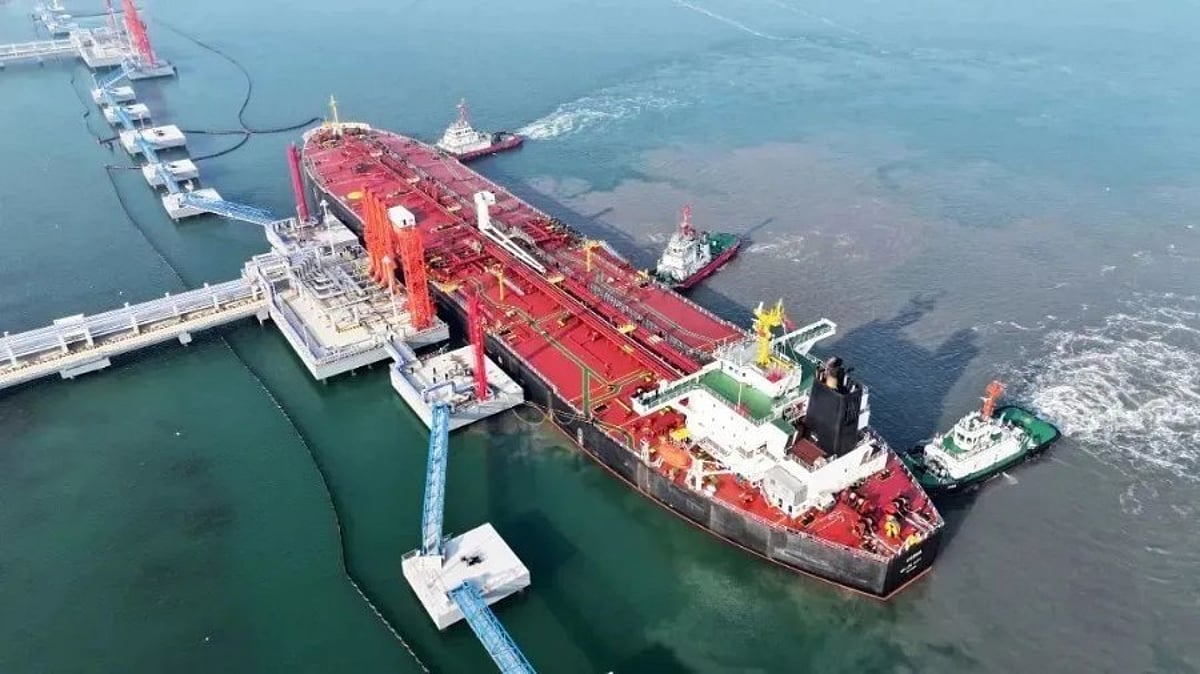
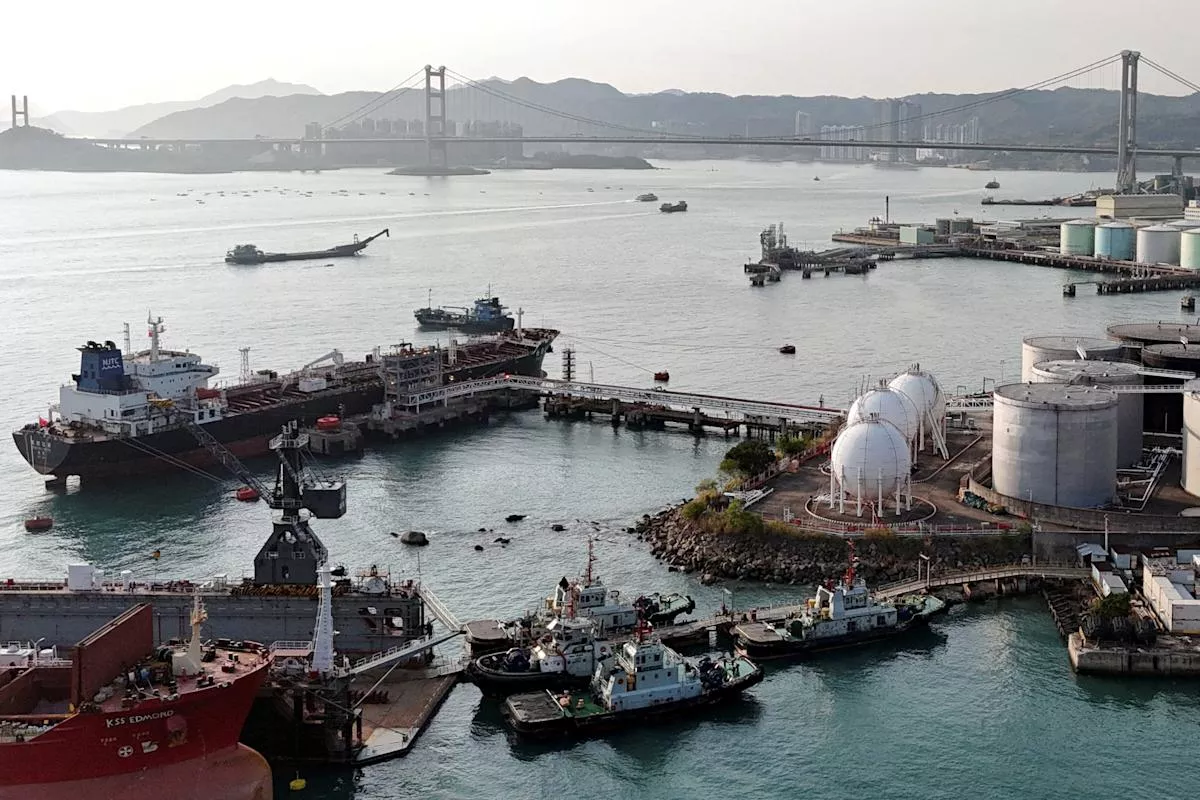
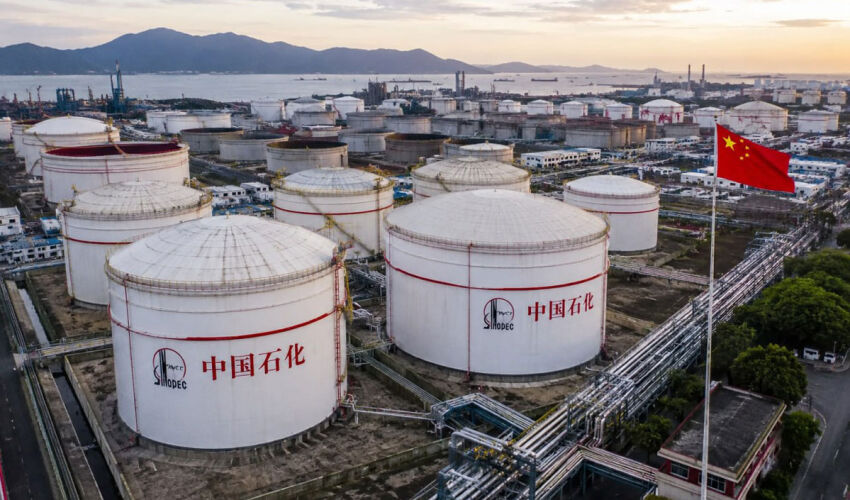
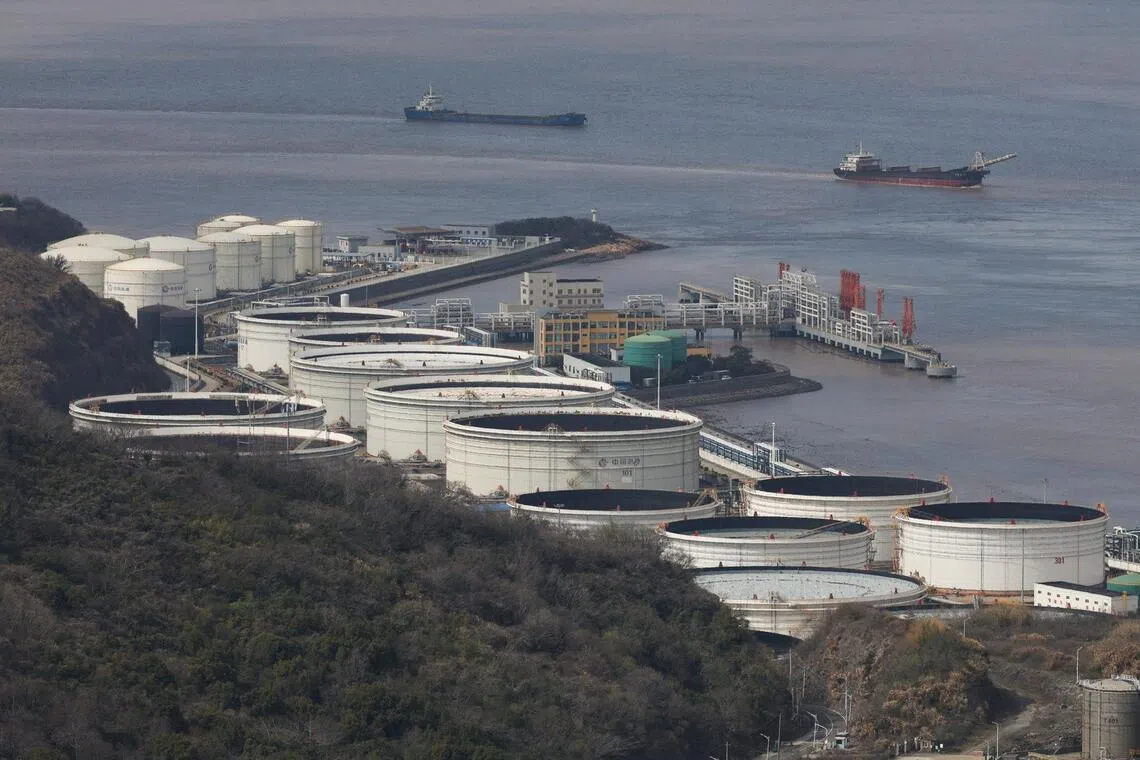
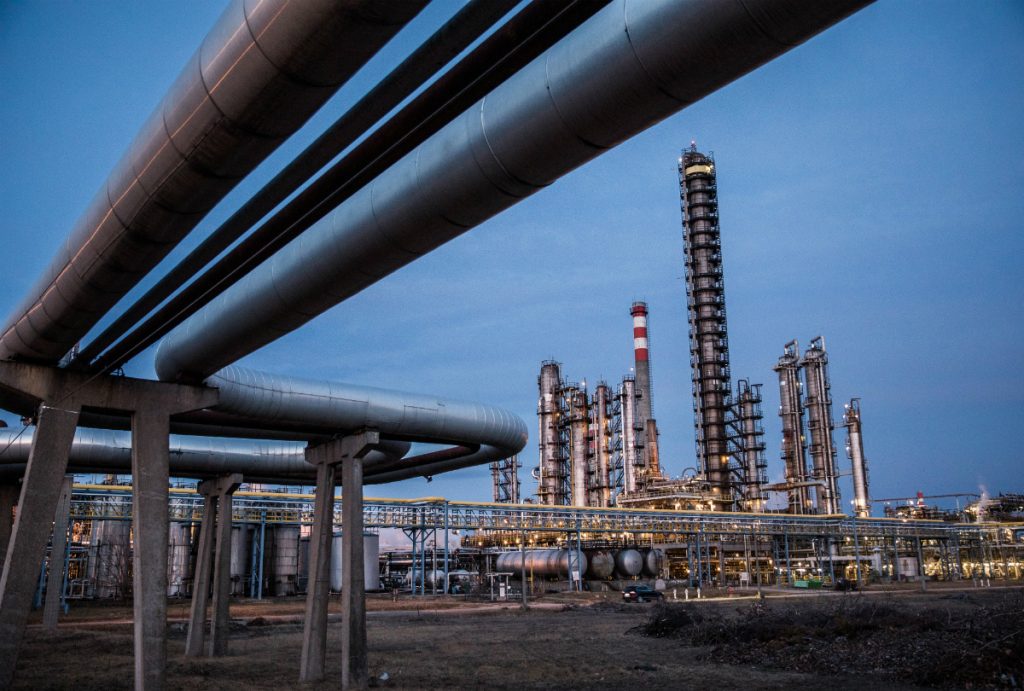
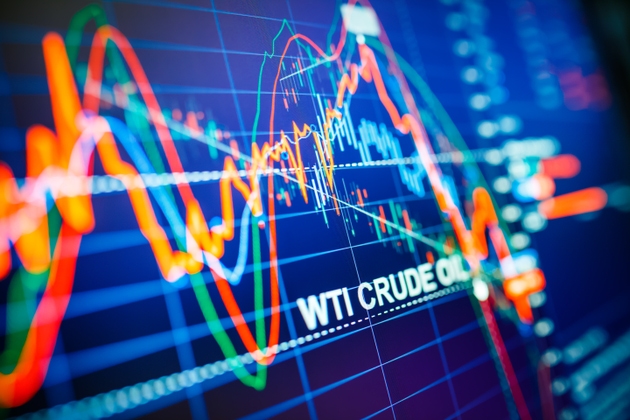
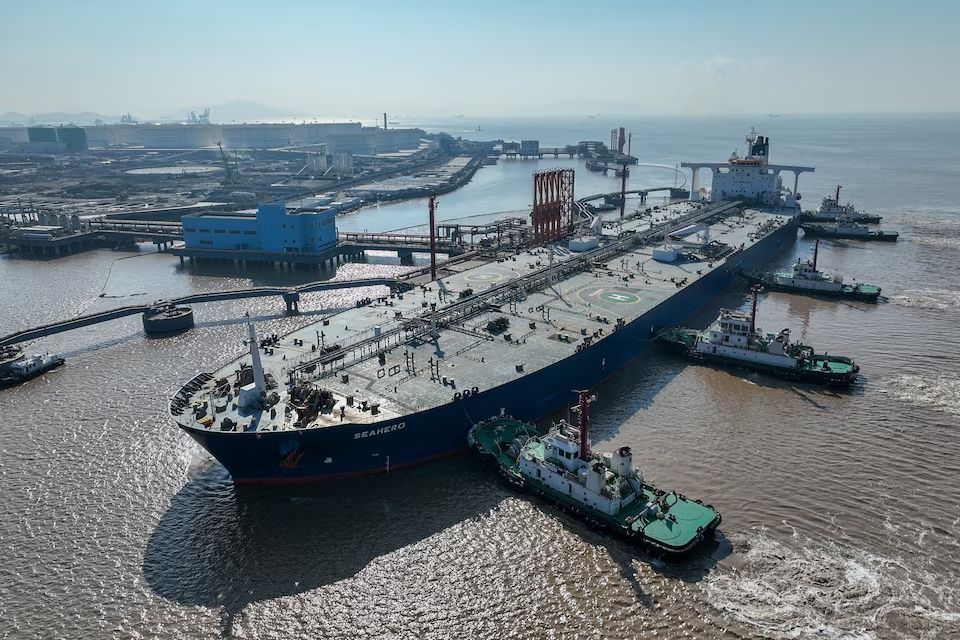
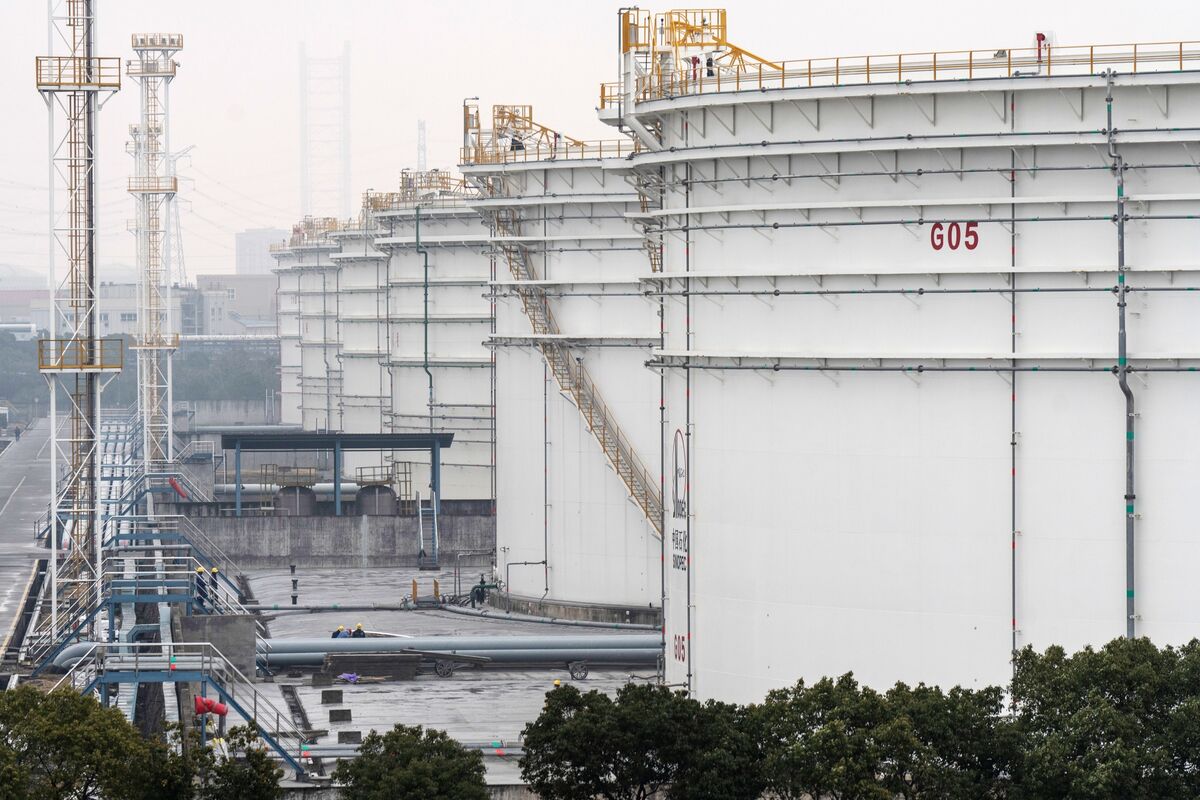
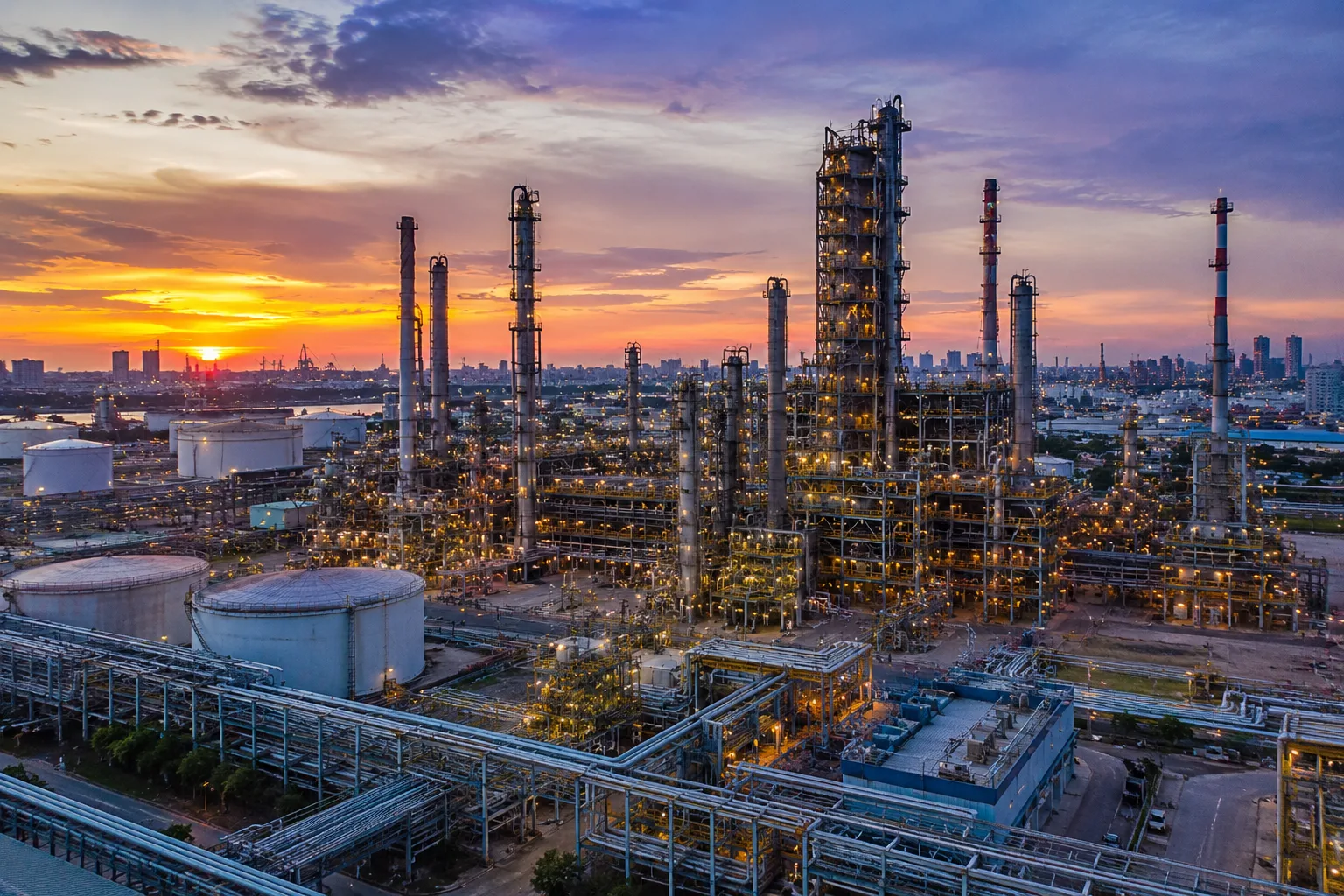
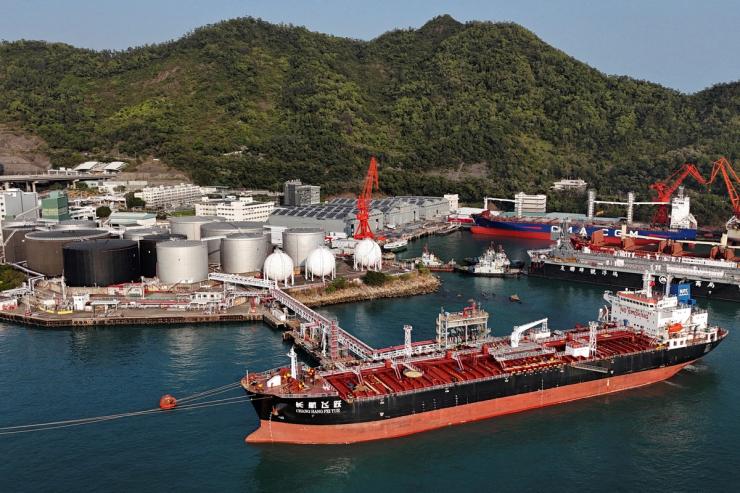
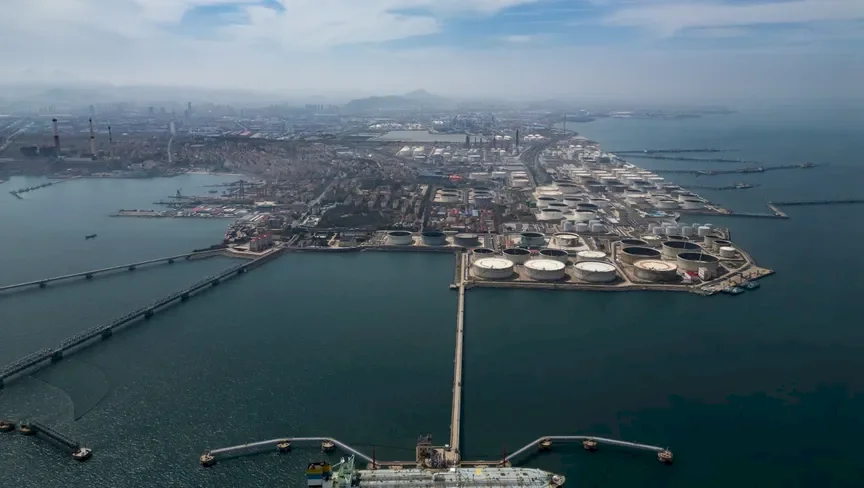
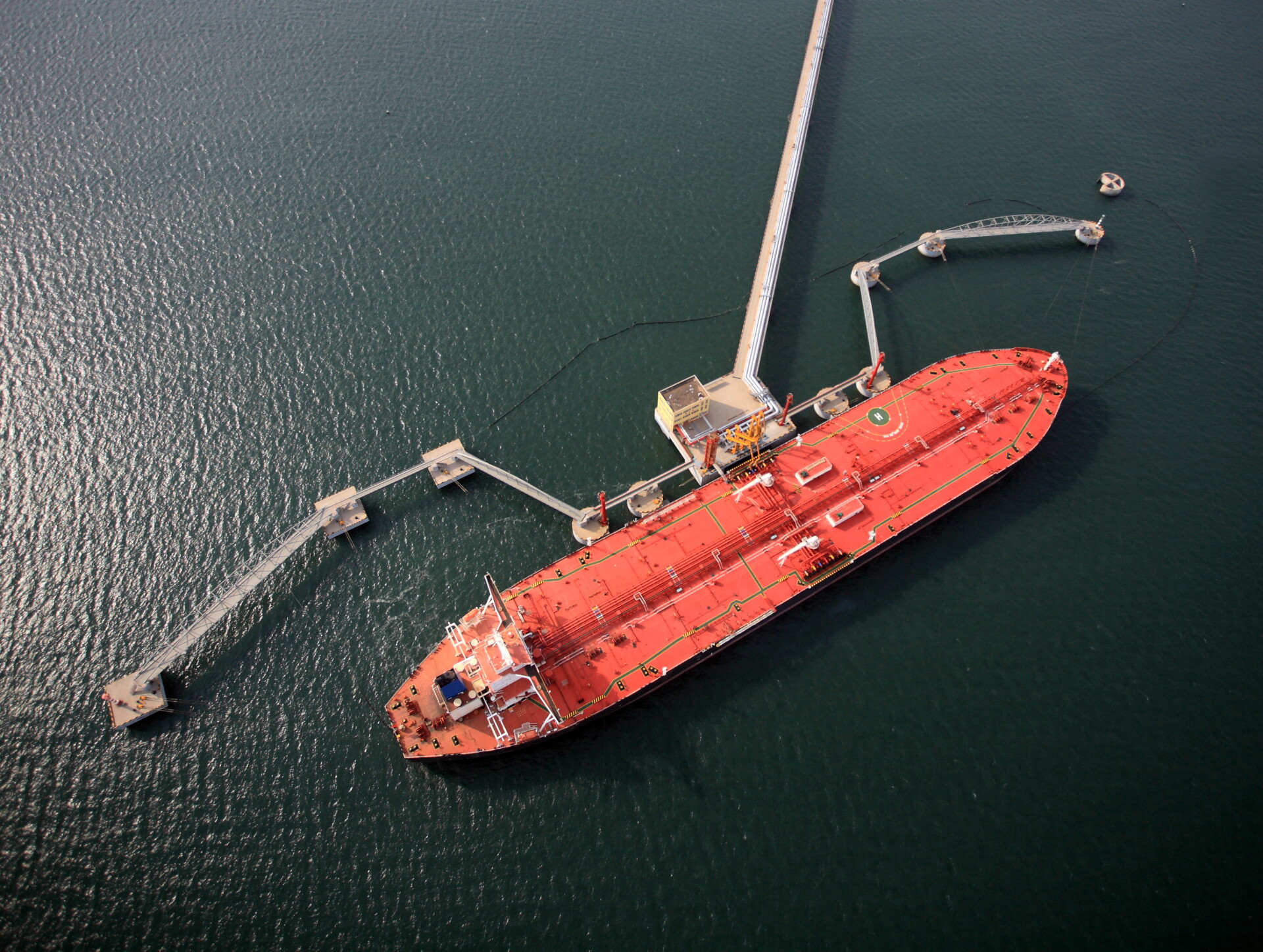
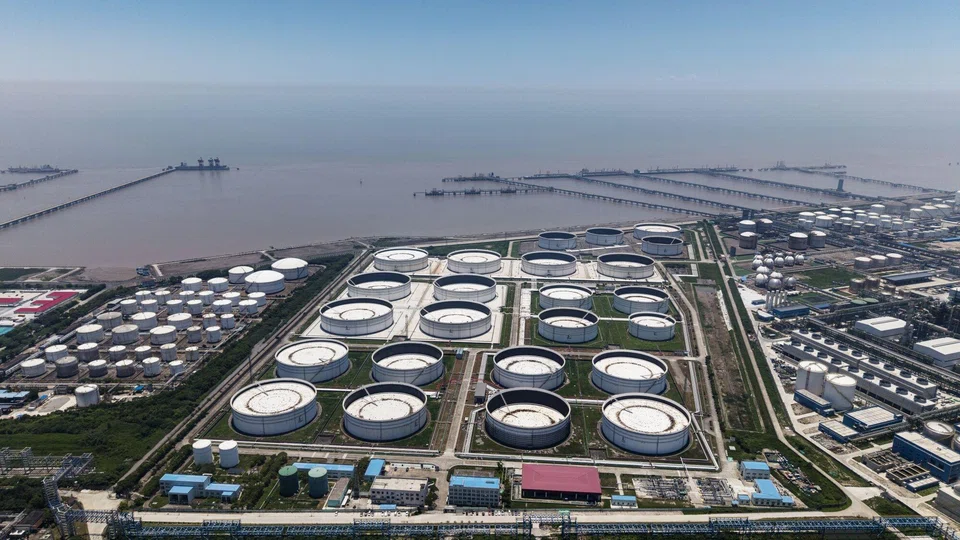
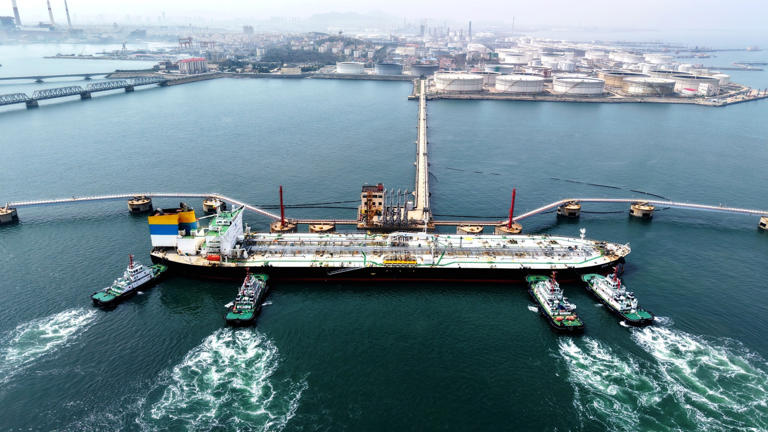
China's crude oil imports collapsed to 7.79 million barrels per day in May 2026—a 29% decline from pre-conflict levels of 11 million bpd—creating a cascading commodity price shock that directly impacts cross-border e-commerce logistics, manufacturing costs, and supply chain financing. The Strait of Hormuz closure (100+ days disruption) triggered Saudi crude premiums to spike $19.50/barrel above benchmarks, forcing Chinese refineries to reduce operating rates and draw 1 million barrels daily from strategic reserves. This geopolitical supply crunch is reshaping global commodity markets with immediate implications for sellers: coal prices surged 43% to $65.13/ton on Singapore Exchange, aluminum futures gained 13% (Chinese aluminum exports hit 632,000 tons—highest in one year), while copper demand collapsed 7% year-to-date as high prices ($13,615/ton) suppressed Chinese manufacturing activity.
For cross-border sellers, this creates a bifurcated cost environment. Energy-intensive product categories—electronics, appliances, furniture, and plastic goods—face 8-15% manufacturing cost increases as Chinese factories absorb higher petrochemical feedstock costs (refineries deliberately reduced polyethylene/polypropylene production). Simultaneously, shipping costs to Asia-Pacific markets are rising 12-18% due to fuel surcharges on ocean freight (Brent crude moderated from $126.41 to $91.45, but remains elevated vs. pre-conflict $70-75 baseline). Chinese consumers are shifting purchasing behavior: reduced gasoline-powered vehicle sales signal lower demand for automotive accessories, while increased train usage suggests growth in luggage, travel accessories, and rail-compatible products. The 3-million-barrel daily import reduction is stabilizing global oil prices, but creates uncertainty about Chinese manufacturing capacity and export competitiveness through Q3 2026.
Strategic sourcing opportunities emerge for sellers willing to act immediately. Chinese aluminum producers are capitalizing on supply disruptions—aluminum exports up 5.7% year-over-year despite domestic demand weakness—creating arbitrage opportunities for sellers sourcing aluminum-based products (cookware, electronics housings, sporting goods) at 10-15% discounts vs. non-Chinese suppliers. Conversely, copper-intensive categories (wiring, electronics components, plumbing fixtures) face 9.6% annual price increases, making Vietnam and India sourcing alternatives increasingly competitive. The policy-driven demand reduction (Chinese refineries deliberately cutting output, not market-driven) suggests this is a temporary 3-6 month window before either geopolitical resolution or demand rebound reshuffles commodity prices. Sellers with flexible supply chains can exploit aluminum export discounts now while shifting copper-dependent sourcing to non-China suppliers before prices normalize.
Questions 7
How are Chinese consumer behavior shifts affecting e-commerce demand patterns?
Chinese consumers are shifting from air travel to trains (reducing aviation fuel demand) and purchasing fewer gasoline-powered vehicles (reducing automotive accessory demand). This signals growth opportunities in luggage, travel accessories, rail-compatible products, and electric vehicle components. Simultaneously, reduced refinery output for plastics production may constrain supply of plastic-based products (packaging, storage containers, household items). Sellers should increase PPC spend on luggage and travel categories while reducing inventory commitments for plastic-heavy products through Q2 2026.
Is this a temporary opportunity or structural shift in China's commodity demand?
This is a temporary 3-6 month window driven by deliberate policy (refinery rate cuts, strategic reserve draws) rather than structural demand collapse. China is drawing 1 million barrels daily from 1.2 billion-barrel strategic reserves—sustainable for 3-4 months maximum. Once geopolitical tensions resolve or reserves deplete, Chinese refineries will resume normal operating rates, triggering demand rebound and commodity price normalization. Sellers should treat this as a tactical arbitrage window: source aluminum products now at 10-15% discounts, but avoid long-term supply commitments that assume sustained low Chinese demand.