


Strait of Hormuz Crisis Threatens Global Shipping | E-Commerce Sellers Face 8-12% Cost Surge
- Military escalation disrupts 1/3 of global maritime petroleum trade; oil prices spike to $89.72/barrel; cross-border sellers face supply chain delays and rising fulfillment costs






























Overview
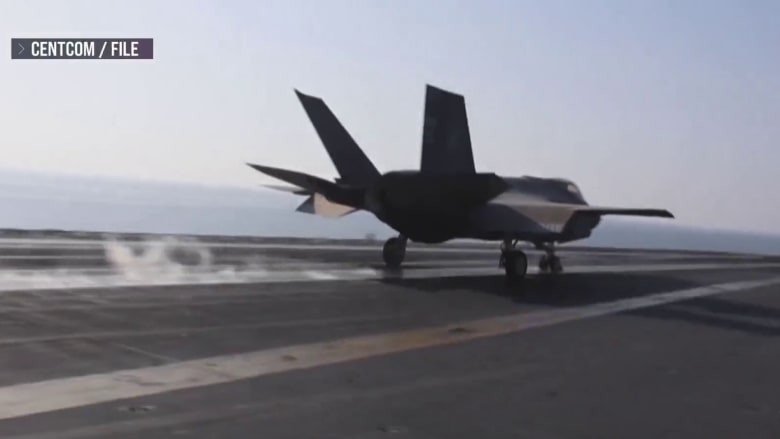
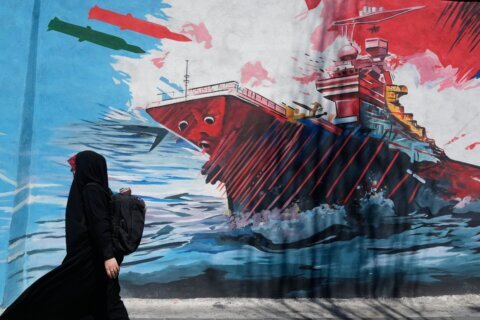
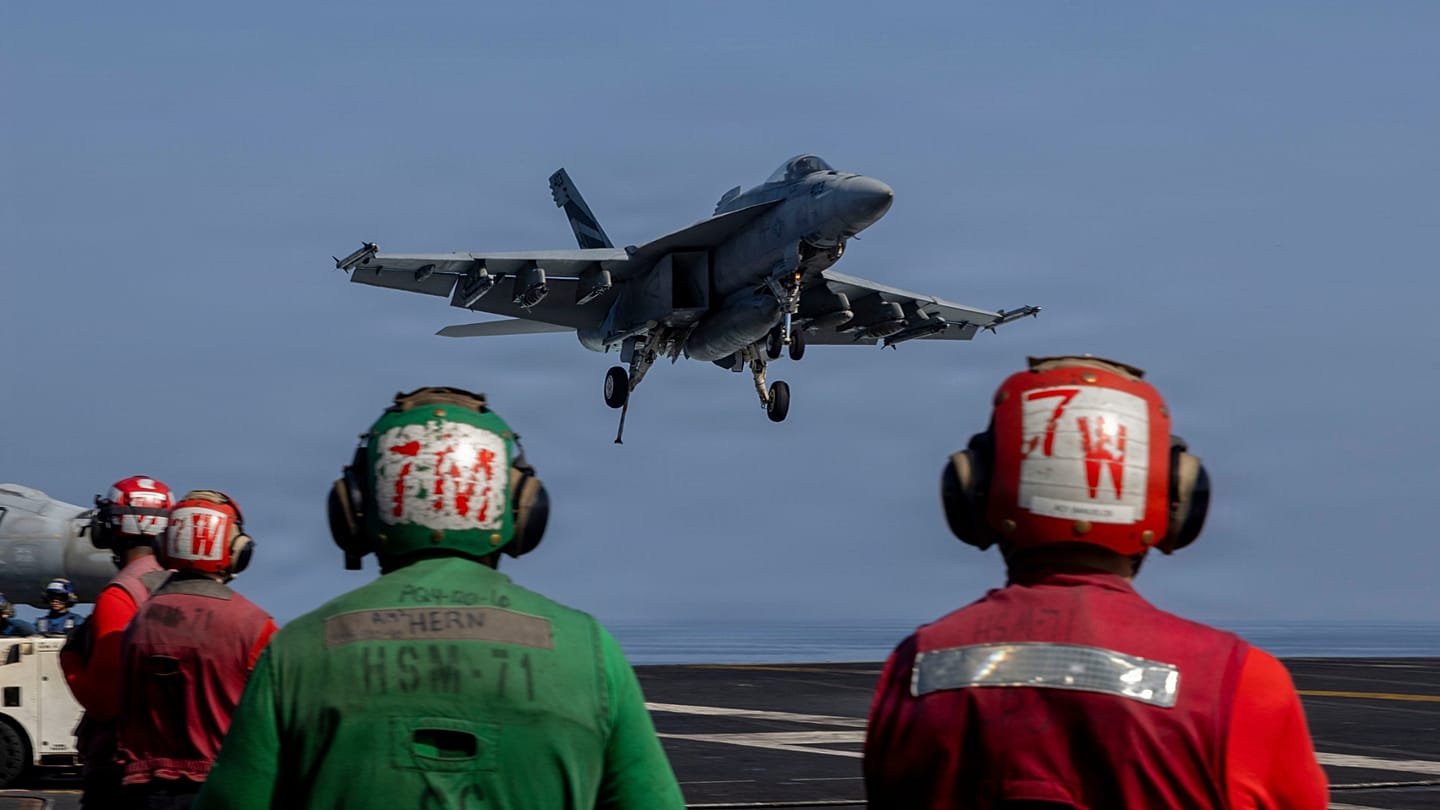
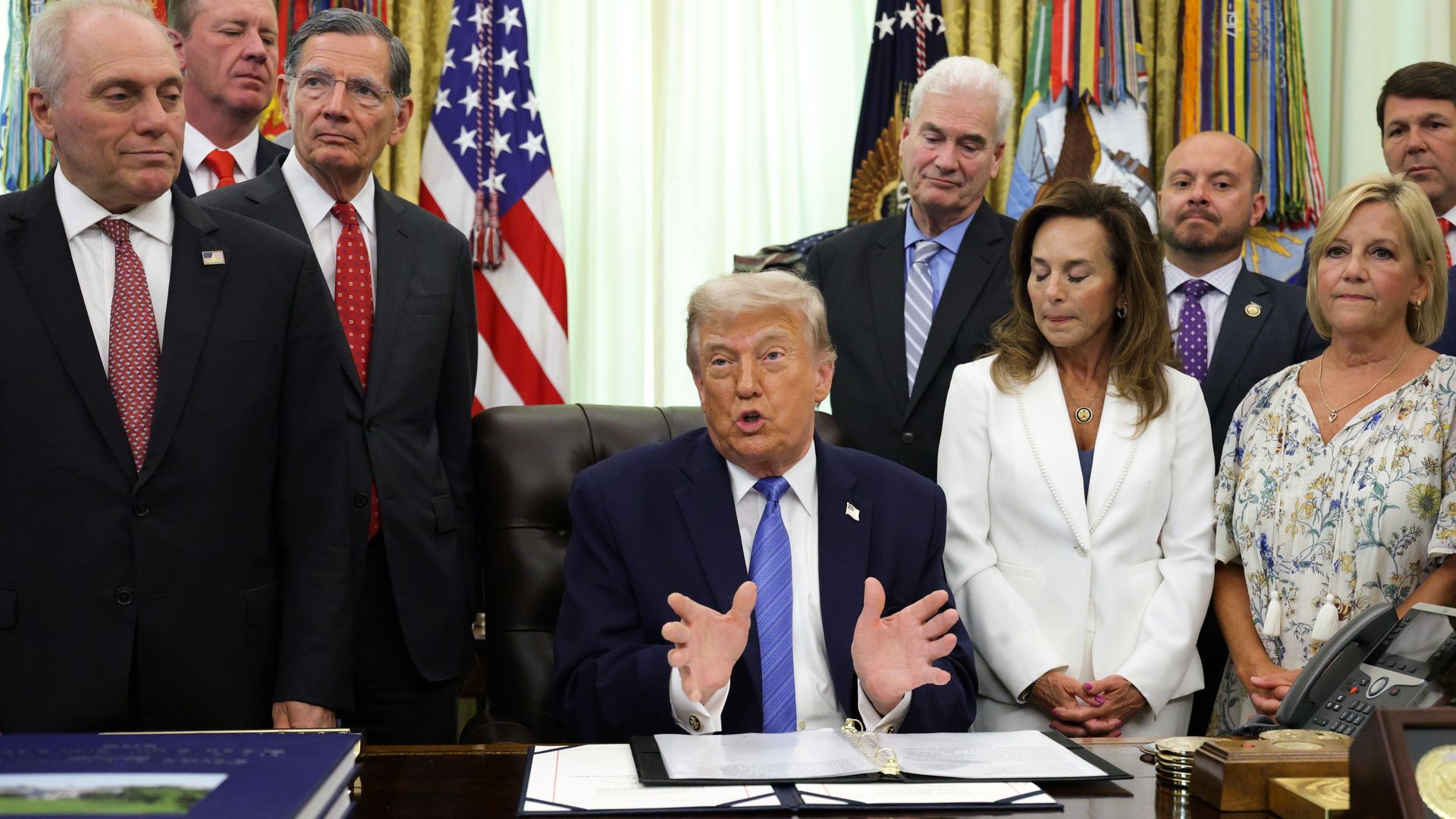
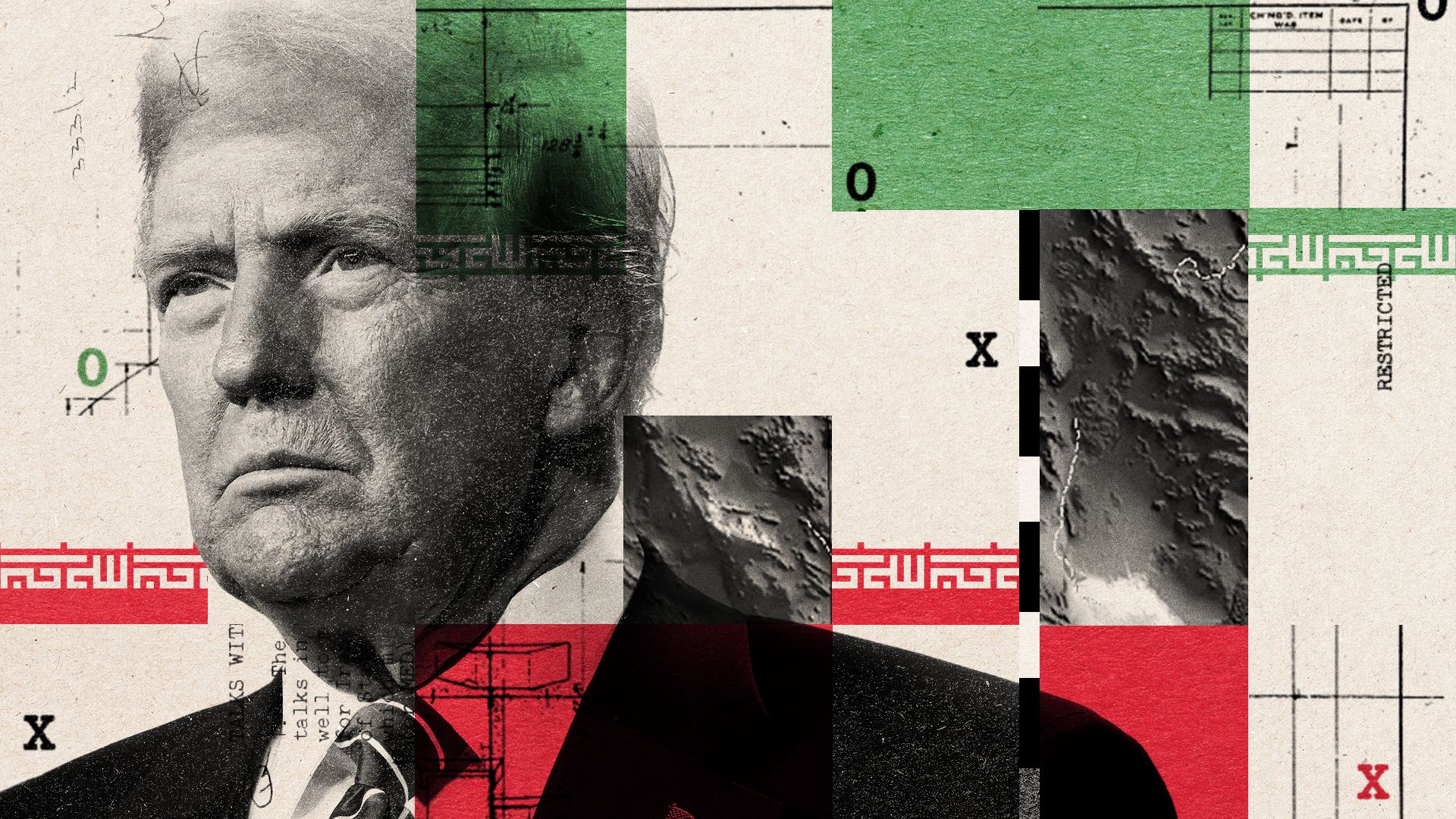
The June 10, 2026 US-Iran military escalation represents a critical supply chain shock for cross-border e-commerce sellers. Following the downing of a US Apache helicopter, President Trump authorized precision strikes on Iranian air defenses and radar sites near the Strait of Hormuz, triggering immediate market disruptions. The Strait of Hormuz handles approximately one-third of global maritime petroleum trade—a critical chokepoint for container shipping between Asia, Europe, and North America. Oil prices surged 2% to $89.72/barrel (US crude) and 1.3% to $92.74 (Brent), with energy analysts warning of potential $150/barrel scenarios if conflict escalates. Iran's military command declared the Strait "closed to all maritime traffic," though CENTCOM reports commercial ships continue transiting.
For e-commerce sellers, the operational impact is immediate and quantifiable. Rising oil prices directly increase shipping costs across all major platforms (Amazon FBA, eBay, Shopify fulfillment networks). Sellers shipping 1,000+ units monthly from Asian suppliers face 8-12% cost increases in fulfillment expenses. Container shipping insurance premiums are rising as vessels navigate heightened security risks. Sellers relying on just-in-time inventory from Vietnam, China, and India face potential 2-4 week delays as shipping lines reroute around the Strait or reduce frequency. Small and medium sellers (SMBs) with limited cash reserves are most vulnerable, as they cannot absorb sudden cost spikes or inventory delays. Electronics, apparel, and home goods categories—which depend heavily on Asian sourcing—face the highest margin compression.
Strategic sourcing shifts are already underway. Sellers should immediately audit their supply chain exposure: identify which suppliers ship through the Strait, calculate current shipping costs as baseline, and evaluate alternative routing (longer but potentially safer routes around Africa). The 3PL and fulfillment provider landscape is fragmenting—some providers are implementing fuel surcharges (2-5% premiums), while others are absorbing costs temporarily. Sellers with inventory already in US/EU fulfillment centers have competitive advantages over those dependent on direct-from-Asia shipping. The situation remains fluid with both sides indicating willingness to negotiate, creating a 1-4 week window of maximum uncertainty before either de-escalation or further military action clarifies the new shipping cost baseline.
Questions 8
Which shipping routes are affected by the Strait of Hormuz closure?
The Strait of Hormuz handles approximately one-third of global maritime petroleum trade and is the primary shipping corridor between Asia and Europe/North America. Container ships carrying goods from China, Vietnam, India, and Southeast Asia to US and EU ports transit this route. Iran's military command declared the Strait closed to all maritime traffic on June 10, though CENTCOM reports commercial ships continue transiting. Alternative routes exist (around Africa via Cape of Good Hope) but add 10-14 days to transit time and increase fuel costs by 15-25%. Sellers should expect 2-4 week delays for shipments currently in transit through the Strait.
How much will shipping costs increase for Amazon FBA sellers due to the Iran crisis?
Shipping costs are rising 8-12% for sellers moving 1,000+ units monthly from Asian suppliers. Oil prices jumped to $89.72/barrel (US crude) and $92.74 (Brent crude) on June 10, 2026, directly impacting fuel surcharges applied by 3PL providers and fulfillment networks. Sellers should expect additional 2-5% fuel surcharges on top of base shipping rates within 7-14 days as carriers adjust pricing. The impact varies by category: electronics and heavy goods face steeper increases than lightweight apparel. Sellers with inventory already in US/EU fulfillment centers avoid immediate cost spikes, while those dependent on direct-from-Asia shipping face the highest exposure.