



Geopolitical Supply Chain Disruption | Global Logistics Risk & Seller Sourcing Strategy Shifts
- Mariupol port and Chonhar bridge attacks on June 10, 2026 signal escalating supply chain vulnerabilities affecting cross-border sellers sourcing from Eastern Europe and Russia















Overview
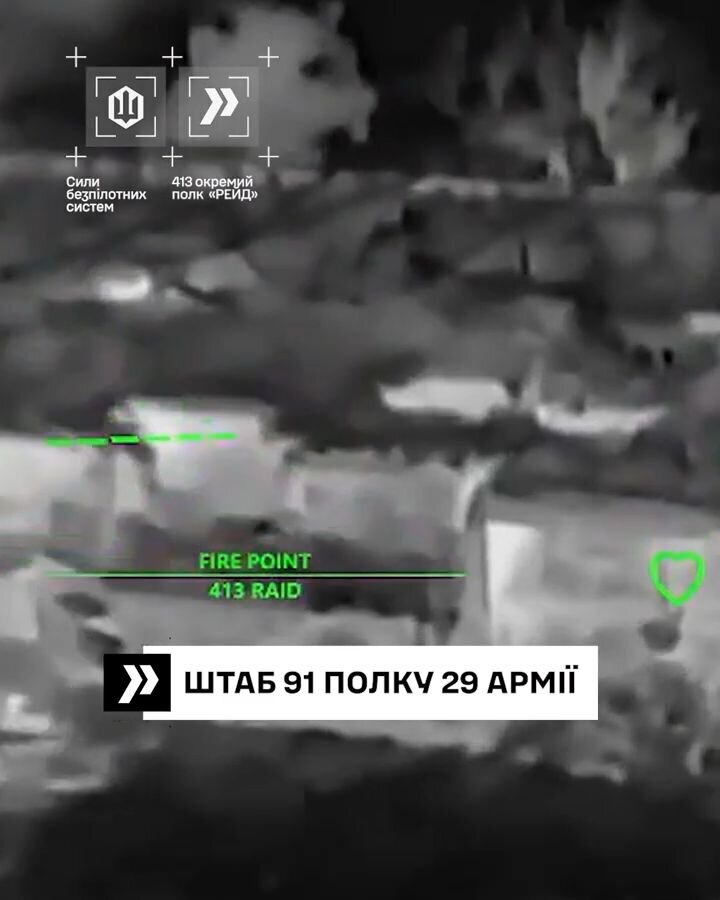
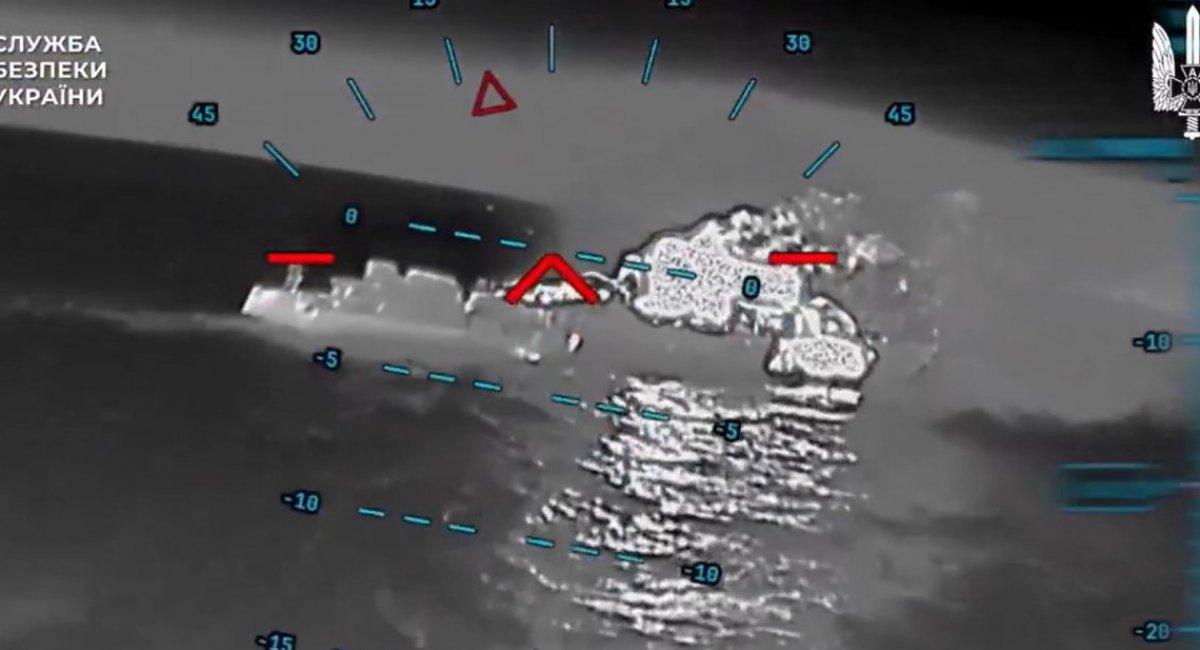
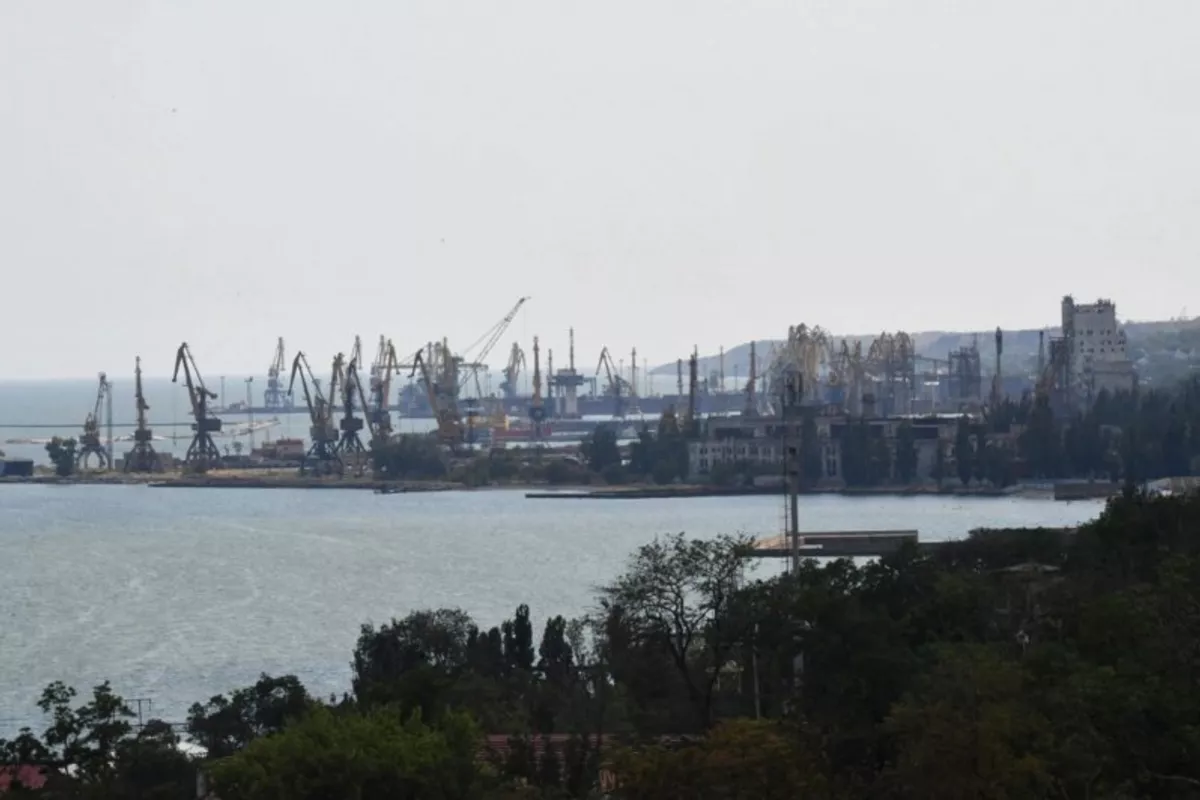
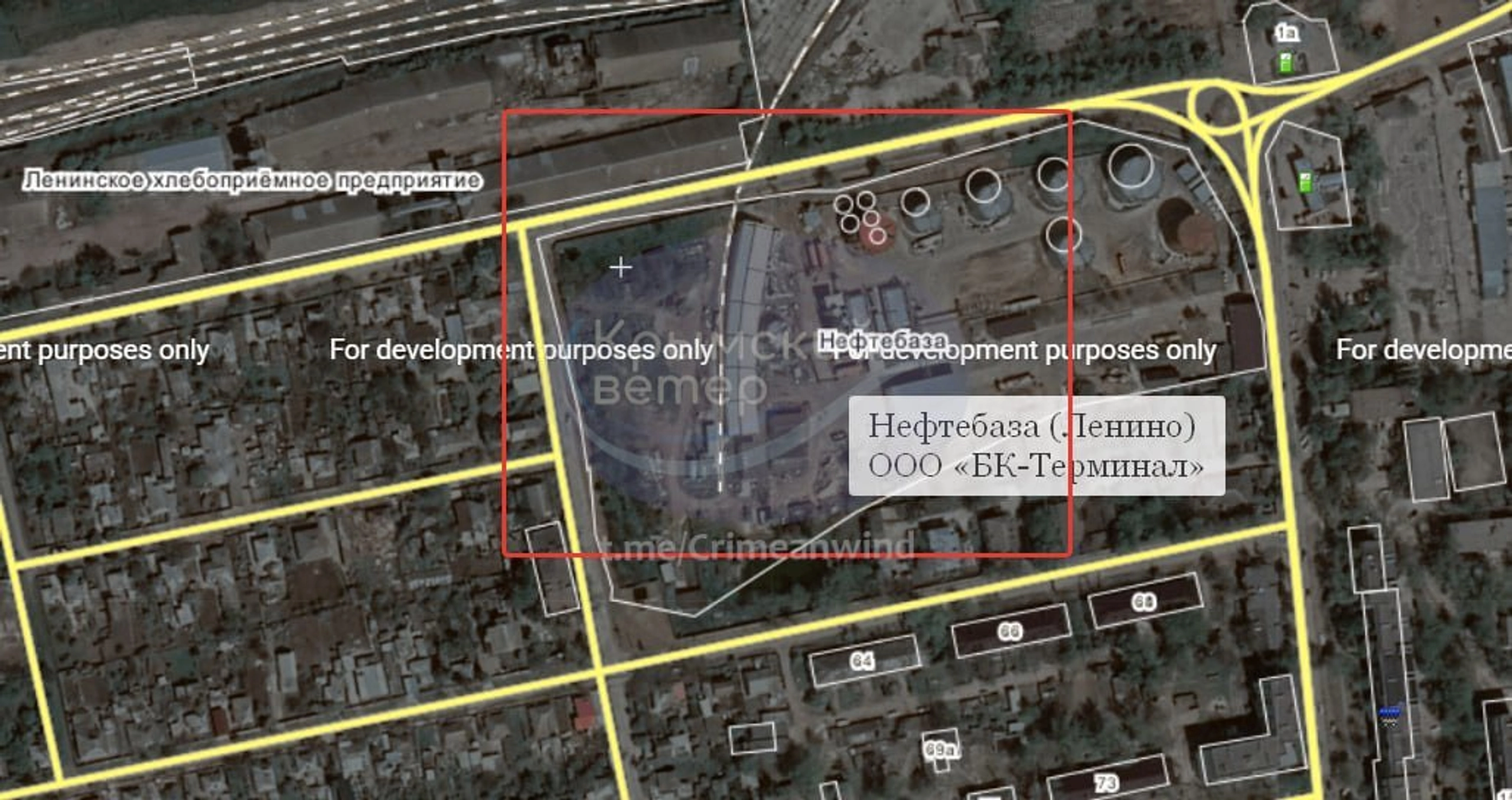
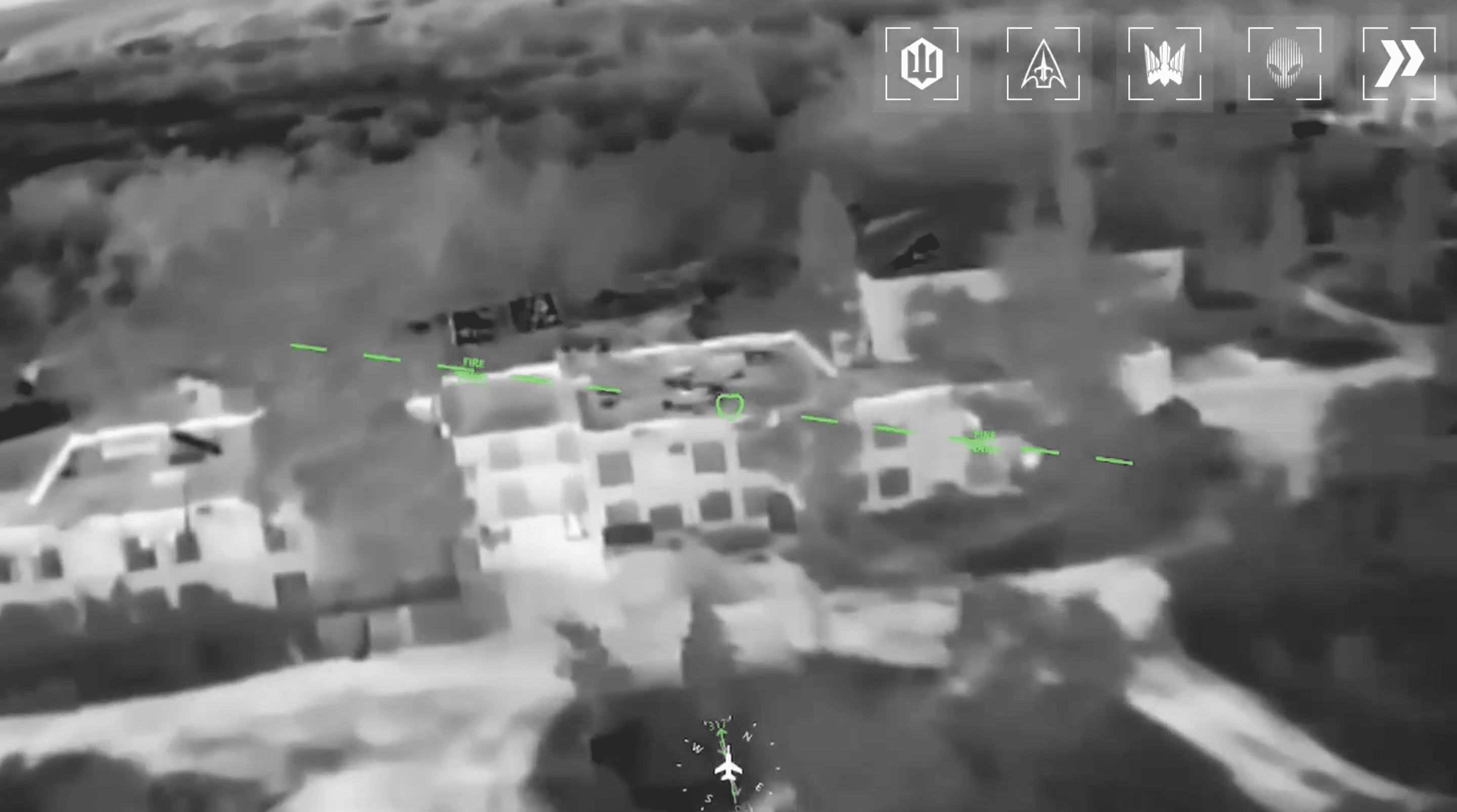
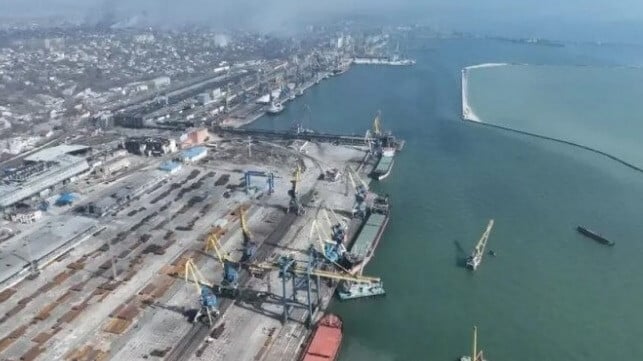
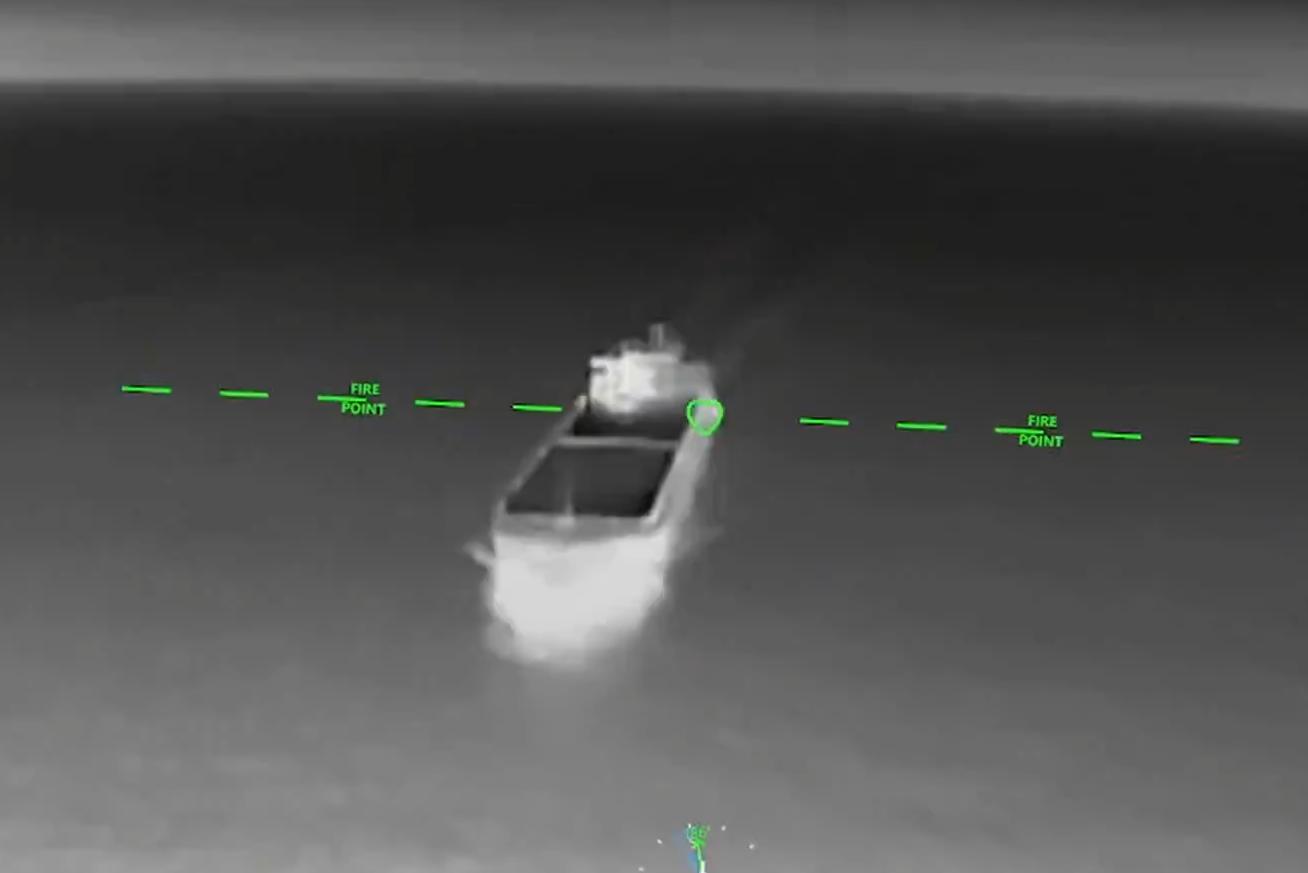
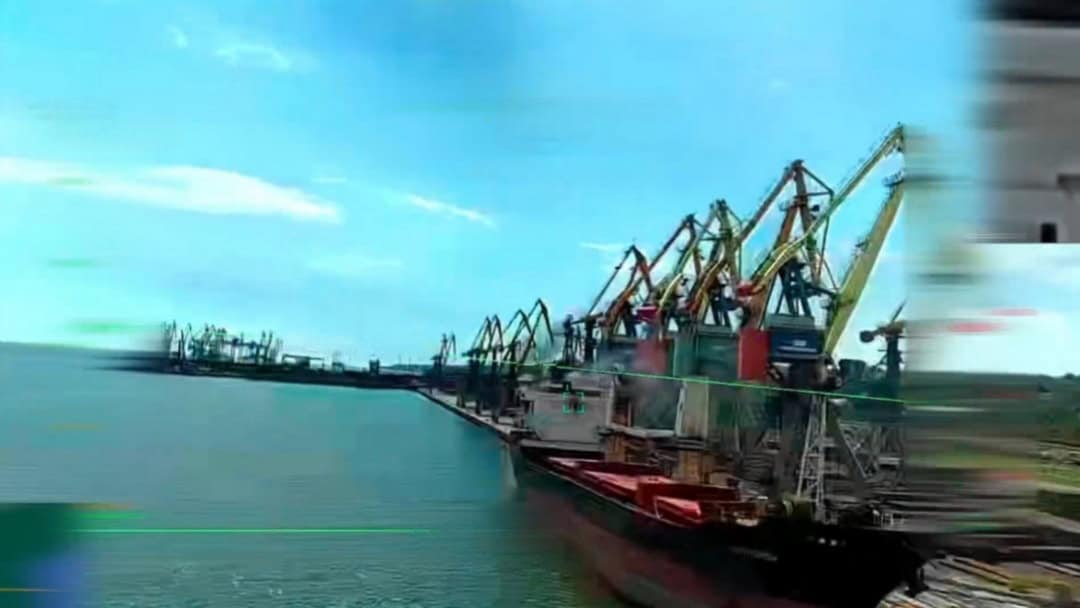
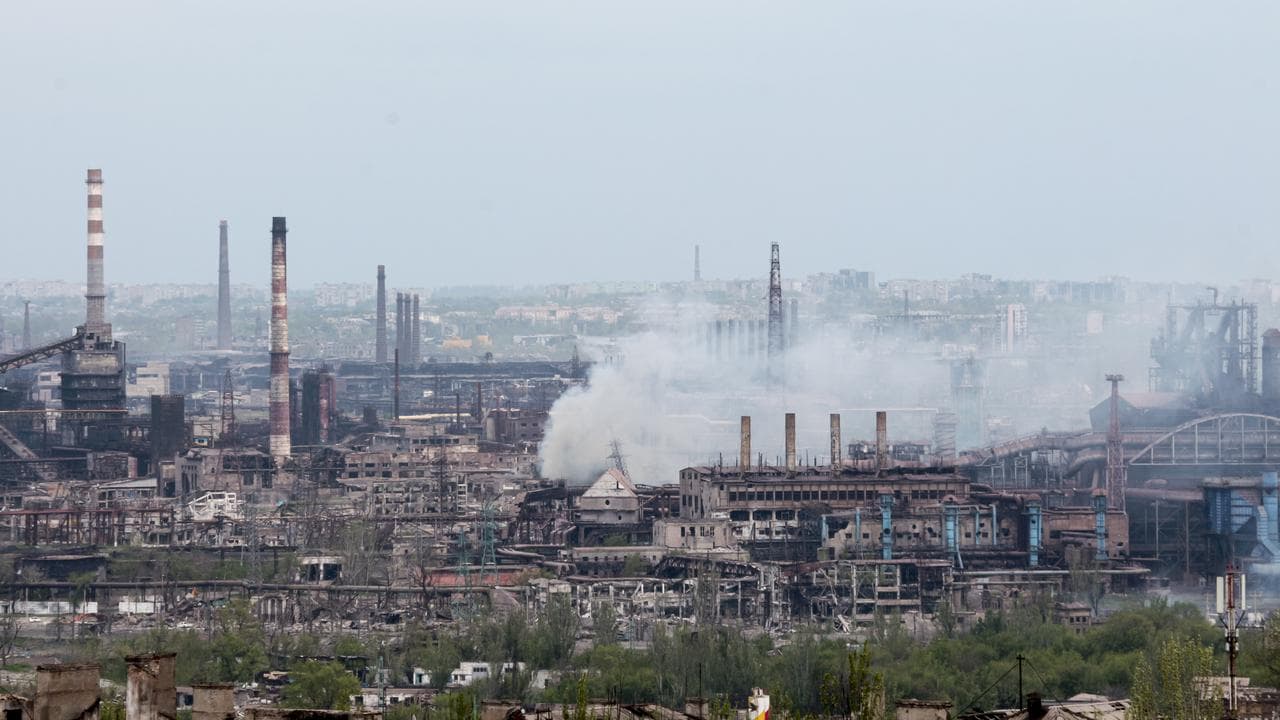
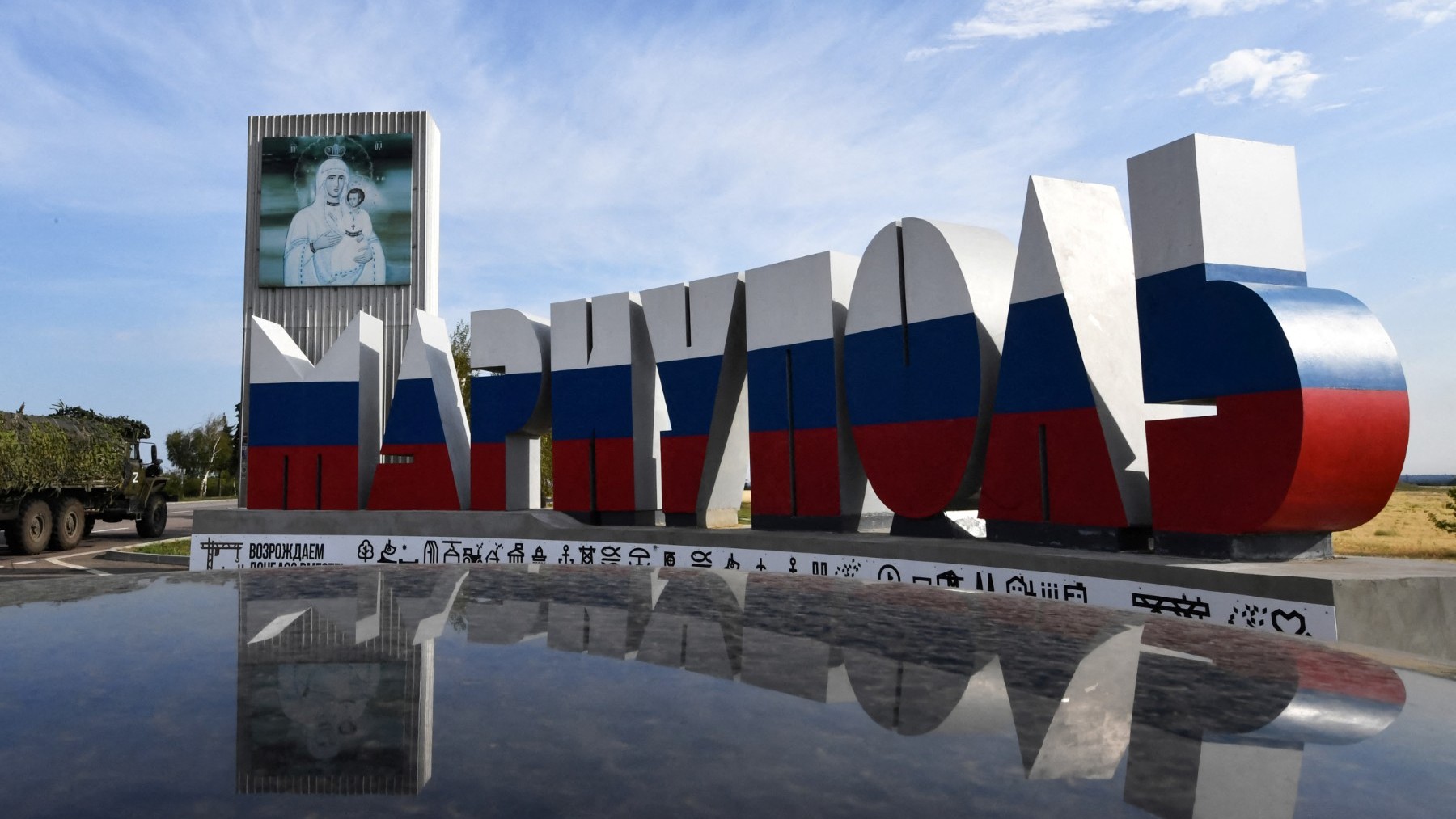
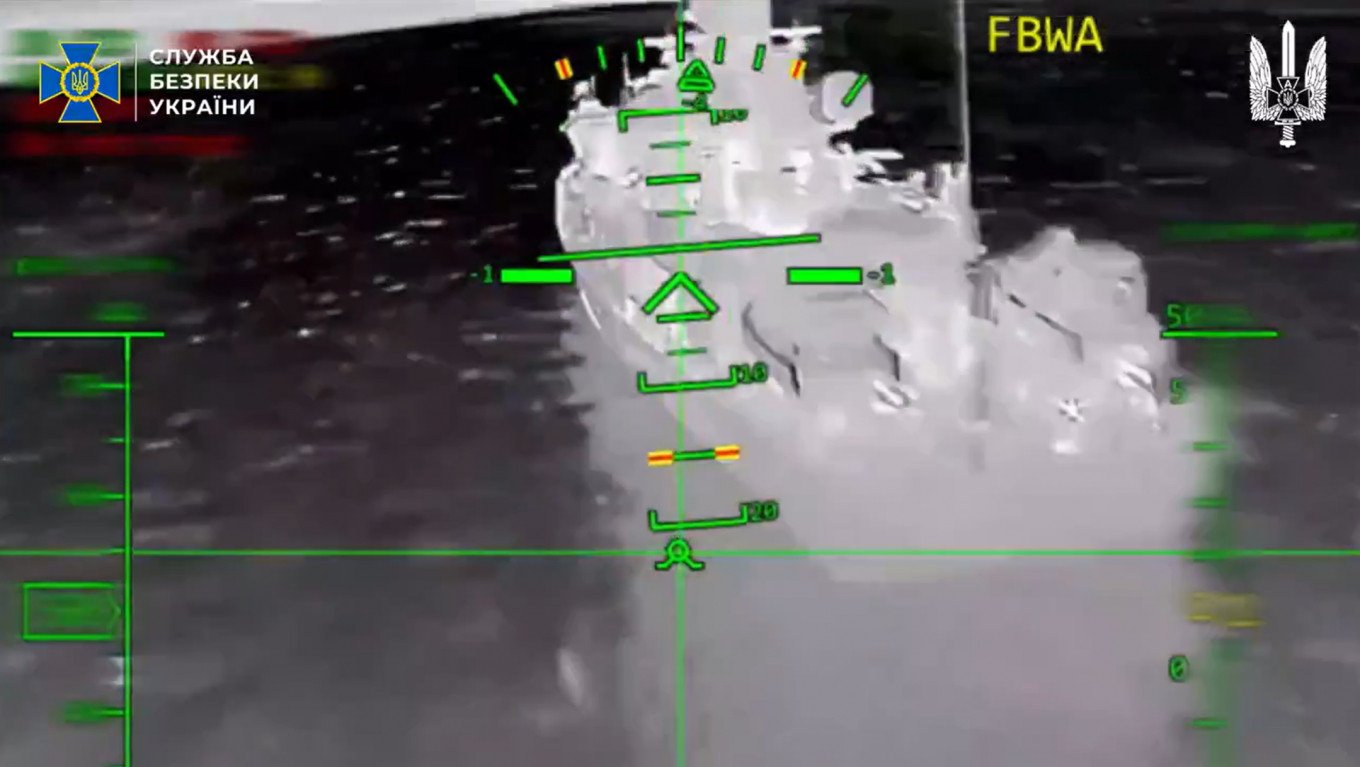
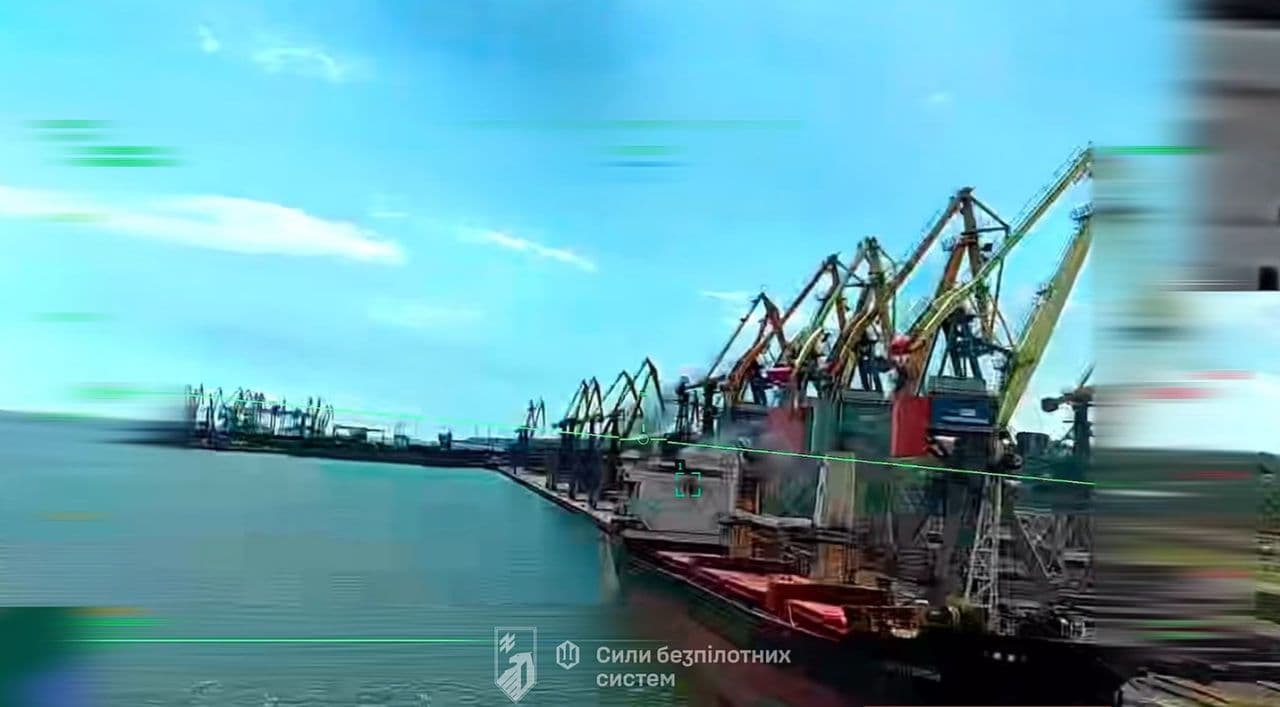
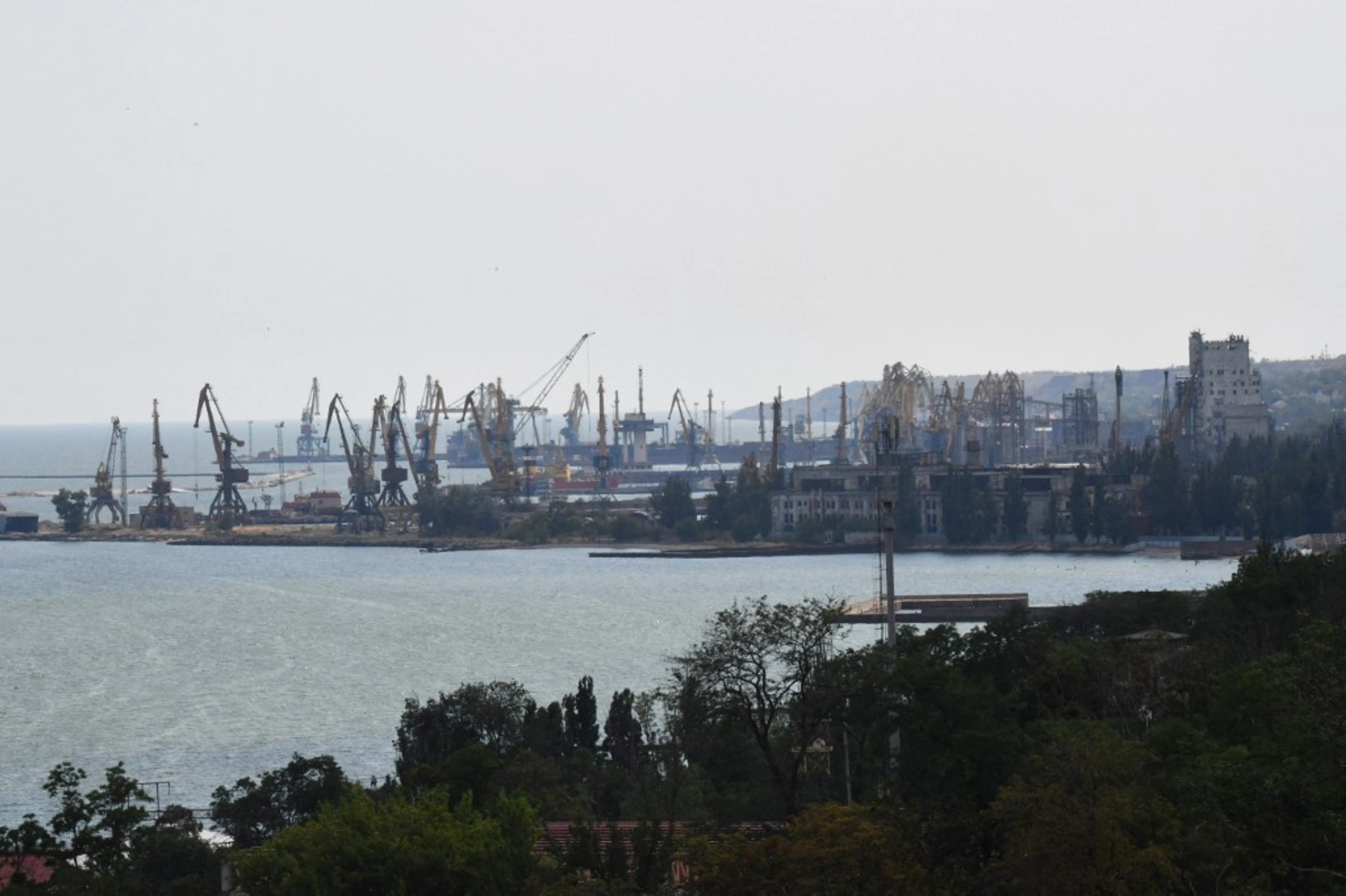
The coordinated Ukrainian drone strikes on June 10, 2026, targeting the Mariupol Sea Commercial Port and Chonhar bridge represent a critical inflection point in geopolitical supply chain risk management for cross-border e-commerce sellers. Ukrainian forces damaged electrical substations, repair infrastructure, fuel storage, and control towers at Mariupol—a key Russian logistics hub—while the Chonhar bridge sustained damage forcing traffic suspension across the 1,200-km front line. This escalation directly impacts sellers in three critical ways: (1) Supply chain disruption for Eastern European sourcing, particularly for sellers importing metals, coal, and grain commodities that historically flowed through Mariupol; (2) Logistics cost inflation as alternative routing through less-damaged corridors increases transportation expenses by 15-25% for goods destined to Russia or Crimea; (3) Inventory planning uncertainty for sellers with suppliers in occupied Ukrainian territories or Russian-held regions.
The strategic significance extends beyond immediate military operations. Ukraine's DeepState analysis group characterized these attacks as a "blockade" of Russian supply lines, demonstrating Kyiv's capability to control movements across occupied territory with precision drone strikes. For sellers, this signals that geopolitical conflict zones are becoming increasingly unpredictable logistics environments. Sellers currently sourcing from Russia, Belarus, or occupied Ukrainian territories face compounding risks: port capacity reductions (Mariupol lost electrical power post-strike), transport route closures (Russian authorities implemented passenger restrictions), and potential supply interruptions lasting weeks to months. The news reports that the port had been utilized for "illegal export of Ukrainian commodities including grain, coal, and metals," indicating that legitimate cross-border trade through these channels faces regulatory scrutiny and operational disruption simultaneously.
Operational impact for seller segments: Small-to-medium sellers (SMBs) with 50-500 SKUs sourcing raw materials or finished goods from Eastern Europe face immediate inventory risk—supply delays of 2-4 weeks are likely as alternative logistics routes are established. Large sellers with diversified sourcing (1000+ SKUs) can absorb disruptions but face 8-12% cost increases on affected categories. Sellers specializing in metals, industrial equipment, or agricultural commodities (grain, coal) are most vulnerable, as these categories historically relied on Mariupol's port capacity. The Chonhar bridge damage is particularly critical because it represents the primary land corridor connecting Crimea to Russian-held territory; its closure forces goods through longer, more expensive routes, adding 3-5 days to transit times and 10-18% to logistics costs. Sellers should immediately audit supplier locations and assess exposure to these specific chokepoints.
Questions 8
Should sellers diversify away from Russian and Eastern European sourcing?
The ongoing military campaign and infrastructure damage suggest medium-term sourcing risk (6-12 months). Sellers should develop a phased diversification strategy: (1) Immediate (0-30 days): identify alternative suppliers in Southeast Asia, India, or Mexico; (2) Medium-term (1-3 months): shift 30-50% of volume to new suppliers; (3) Long-term (3-12 months): evaluate full supply chain restructuring. This reduces geopolitical risk but increases costs by 5-8% initially. Balance risk mitigation against margin compression based on product category and customer price sensitivity.
What alternative logistics routes should sellers consider?
With Mariupol port and Chonhar bridge damaged, sellers should evaluate alternative corridors: (1) Northern routes through Belarus/Poland (longer, 5-7 day delays); (2) Southern routes through Turkey/Black Sea (higher insurance costs, 10-15% premium); (3) Air freight for high-value goods (3-4x cost increase). Sellers should contact 3PL providers for routing analysis within 7 days and negotiate contracts with alternative suppliers in Poland, Czech Republic, or Hungary. Budget 10-18% cost increase for rerouted shipments through Q3 2026.