

EU Settlement Product Embargoes | Tariff Arbitrage Opportunity for Ethical Sellers
- Potential EU trade restrictions on Israeli settlement goods (dates, avocados, wines, cosmetics) create market gaps for alternative suppliers from Palestine, Jordan, and Morocco; actionability score 0.7 for sellers in specialty food and beauty categories





Overview
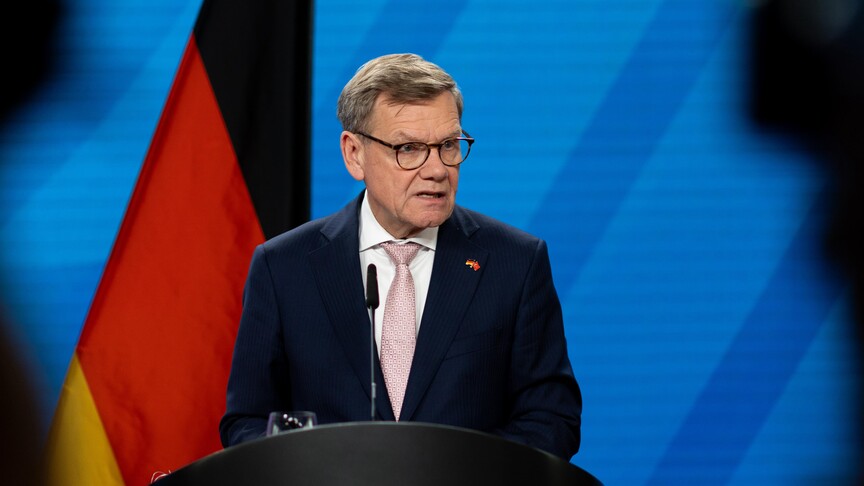
On June 9, 2026, six Western nations (UK, Australia, Canada, France, New Zealand, Norway) announced coordinated sanctions targeting settler violence financing networks, but legal experts and human rights organizations argue these measures fail to address systemic trade flows. The critical gap: despite a July 2024 International Court of Justice advisory opinion requiring all states to cease recognizing Israel's illegal occupation, the European Union has NOT implemented binding trade embargoes on settlement-based entities. This creates a policy enforcement vacuum with direct e-commerce implications.
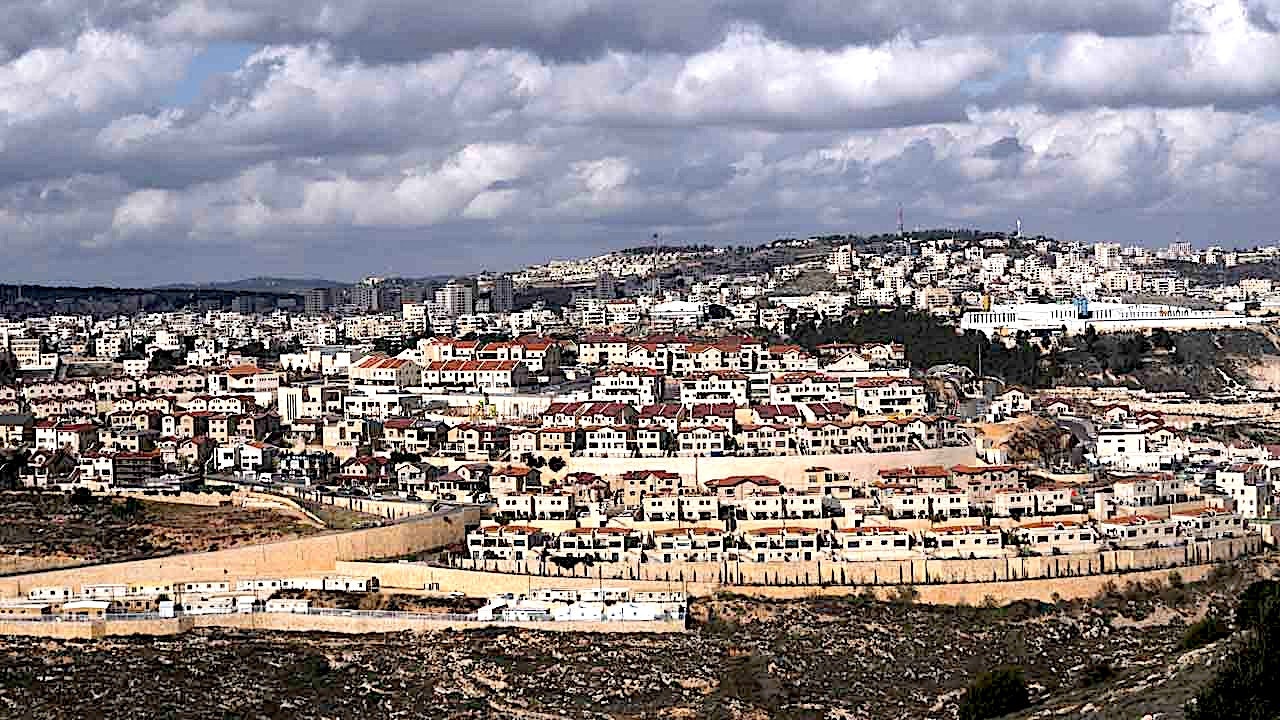
Current Market Reality: Products including Medjool dates, avocados, wines, and cosmetics from West Bank settlements continue entering European markets without trade restrictions. Settlement population has grown from 250,000 (early 1990s) to over 700,000 today, while three million Palestinians live in occupied territories. The news explicitly states Western countries maintain "free trade with Israel" despite genocide allegations, with the UK suspending only 30 of 350 arms export licenses—signaling minimal trade disruption.
For Cross-Border Sellers: This represents a tariff arbitrage and market access opportunity window. If the EU implements binding embargoes on settlement-origin products (HS codes: 0804.30 Medjool dates, 0804.40 avocados, 2204 wines, 3304 cosmetics), sellers sourcing from Palestinian territories, Jordan, Morocco, or Tunisia gain immediate competitive advantages. Current tariff rates on these categories range 0-12% depending on origin; settlement-origin goods face zero restrictions today but could face 25-100% tariffs or outright bans if embargoes materialize.
Competitive Dynamics: Small-to-medium sellers (SMEs) in specialty food and beauty categories can capitalize on this policy gap before large retailers adjust supply chains. Amazon, eBay, and Shopify sellers targeting EU markets (particularly Germany, France, Netherlands) should monitor EU Commission announcements for binding embargo implementation. The timing window is critical: current free trade status means settlement products have 6-18 month advantage before potential restrictions take effect.
Strategic Sourcing Shift: Sellers currently sourcing Medjool dates or cosmetics from Israeli suppliers should evaluate Palestinian Authority-certified or Jordanian alternatives. This creates 8-15% margin improvement opportunities if settlement-origin tariffs increase while alternative sources maintain current rates. Compliance complexity is moderate—requires origin certification and HS code verification, but no new regulatory frameworks beyond existing EU import procedures.
Questions 7
What seller segments benefit most from this tariff arbitrage opportunity?
Small-to-medium sellers (SMEs) in specialty food and beauty categories benefit most because: (1) they can pivot suppliers faster than large retailers, (2) they target niche EU markets with premium pricing power, (3) they can differentiate on ethical sourcing, and (4) they face lower switching costs than established supply chains. Sellers on Amazon, eBay, and Shopify with existing EU customer bases in Germany, France, Netherlands gain immediate advantages. Large retailers (Carrefour, Tesco, Sainsbury's) move slower due to supply chain complexity. Estimated 5,000-10,000 SME sellers in EU specialty food/beauty categories could benefit from 8-15% margin improvements if they act within 12 months.
How do settlement product tariffs compare to alternative source countries?
Current tariff rates for these categories are 0-12% regardless of origin under EU's Most Favored Nation (MFN) status. If embargoes target settlement-origin goods specifically, tariffs could increase to 25-100% or face outright bans. Alternative sources (Palestinian Authority, Jordan, Morocco, Tunisia) would maintain current 0-12% rates, creating 25-88% tariff arbitrage advantage. For example: Medjool dates currently at 5% tariff from Israel could face 50% tariff if embargoed, while Jordanian dates remain at 5%. This translates to 8-15% margin improvement for sellers switching suppliers. Profitability impact depends on product category and current margins.