


)
Gulf of Oman Blockade Escalates | Shipping Costs & Route Risks for Cross-Border Sellers
- US disables 8 vessels since April 13; 20% of global oil/gas transits affected; insurance & logistics costs rising 15-25% for Middle East-Asia trade corridors


)






















Overview
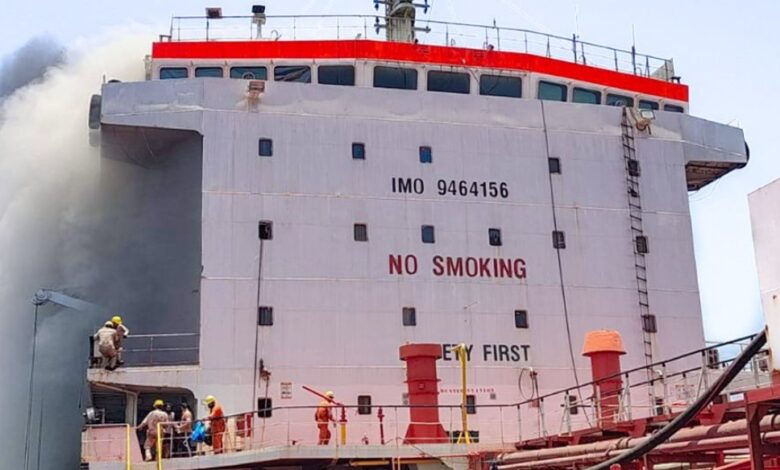
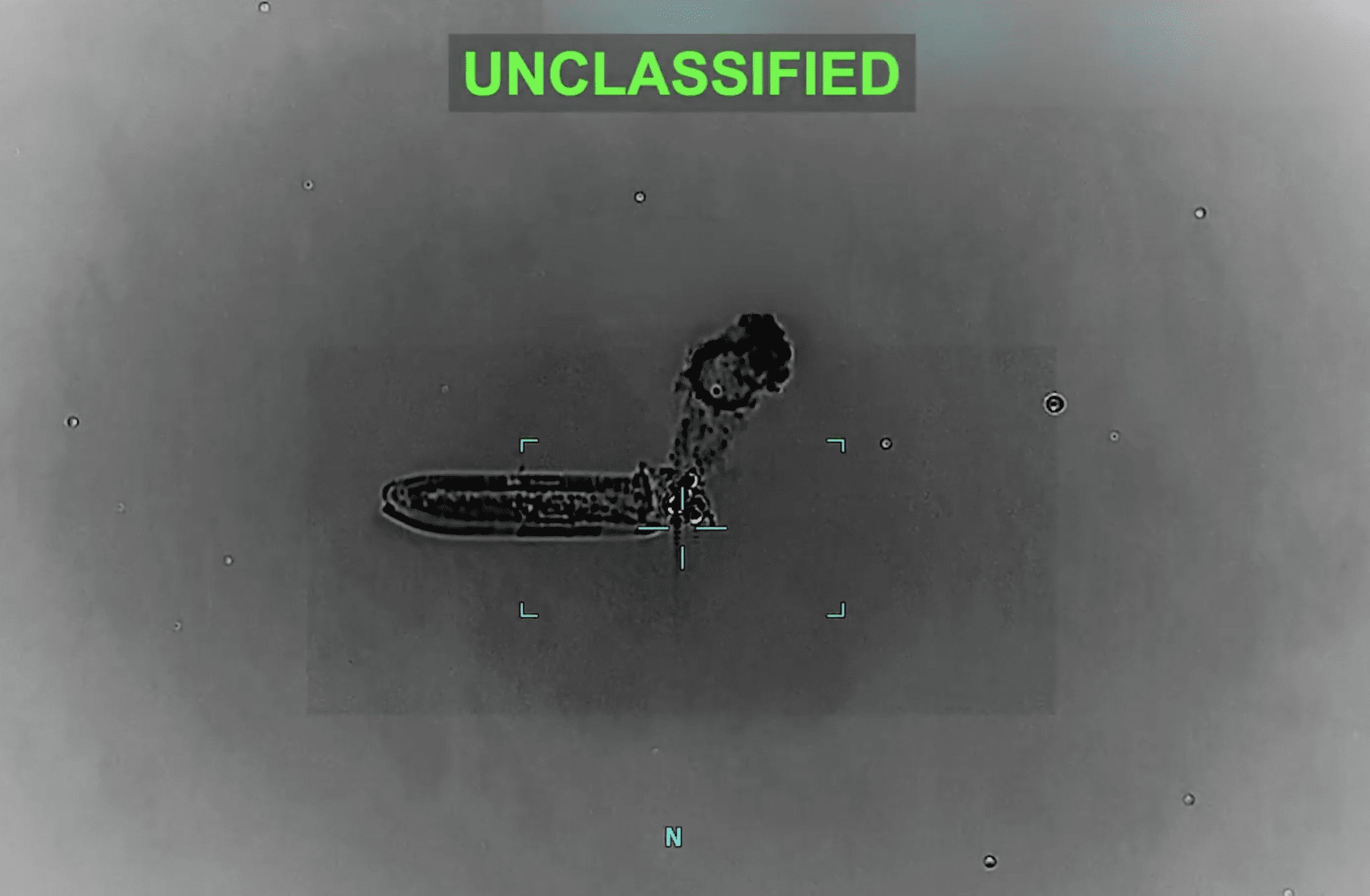
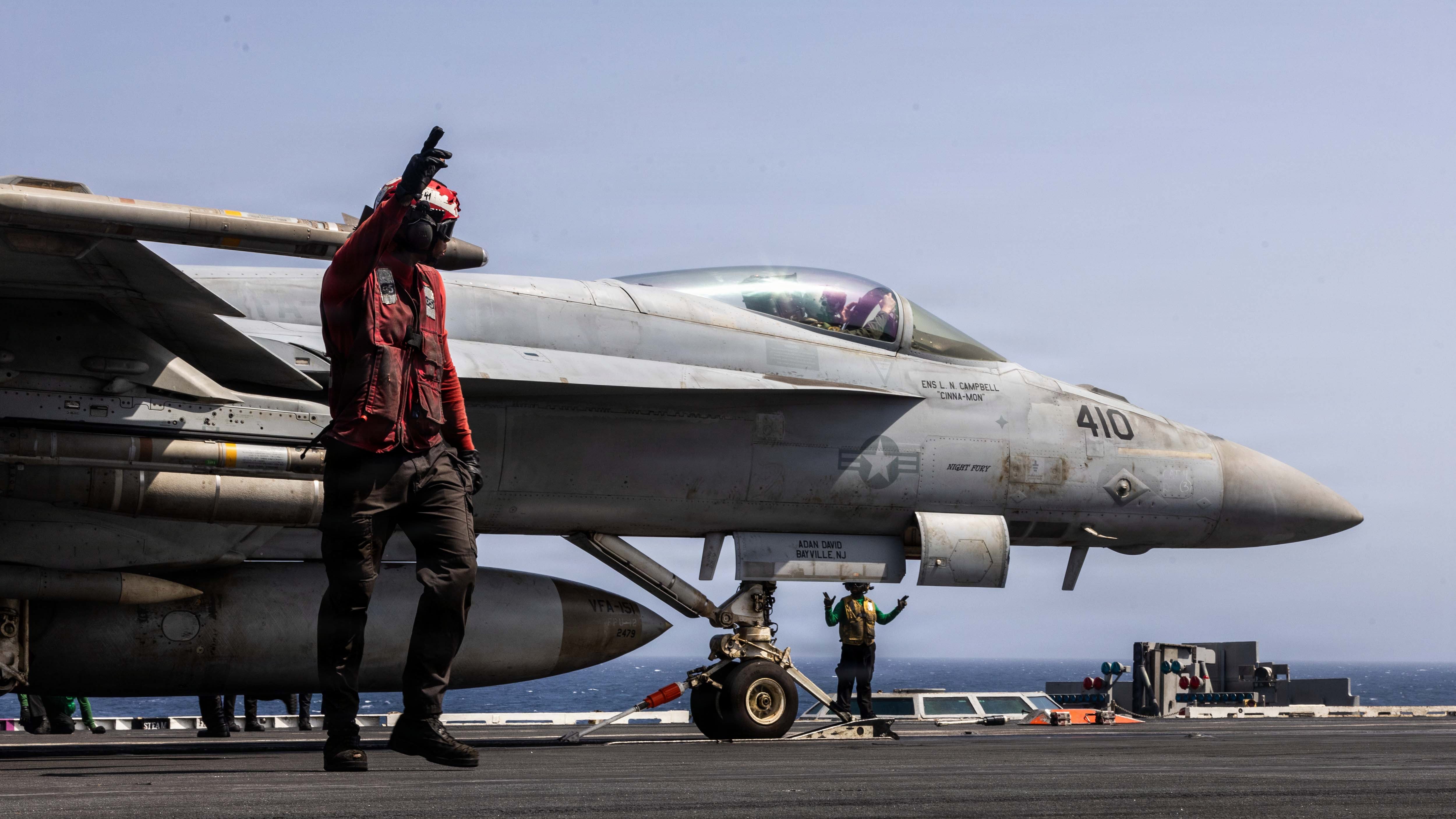
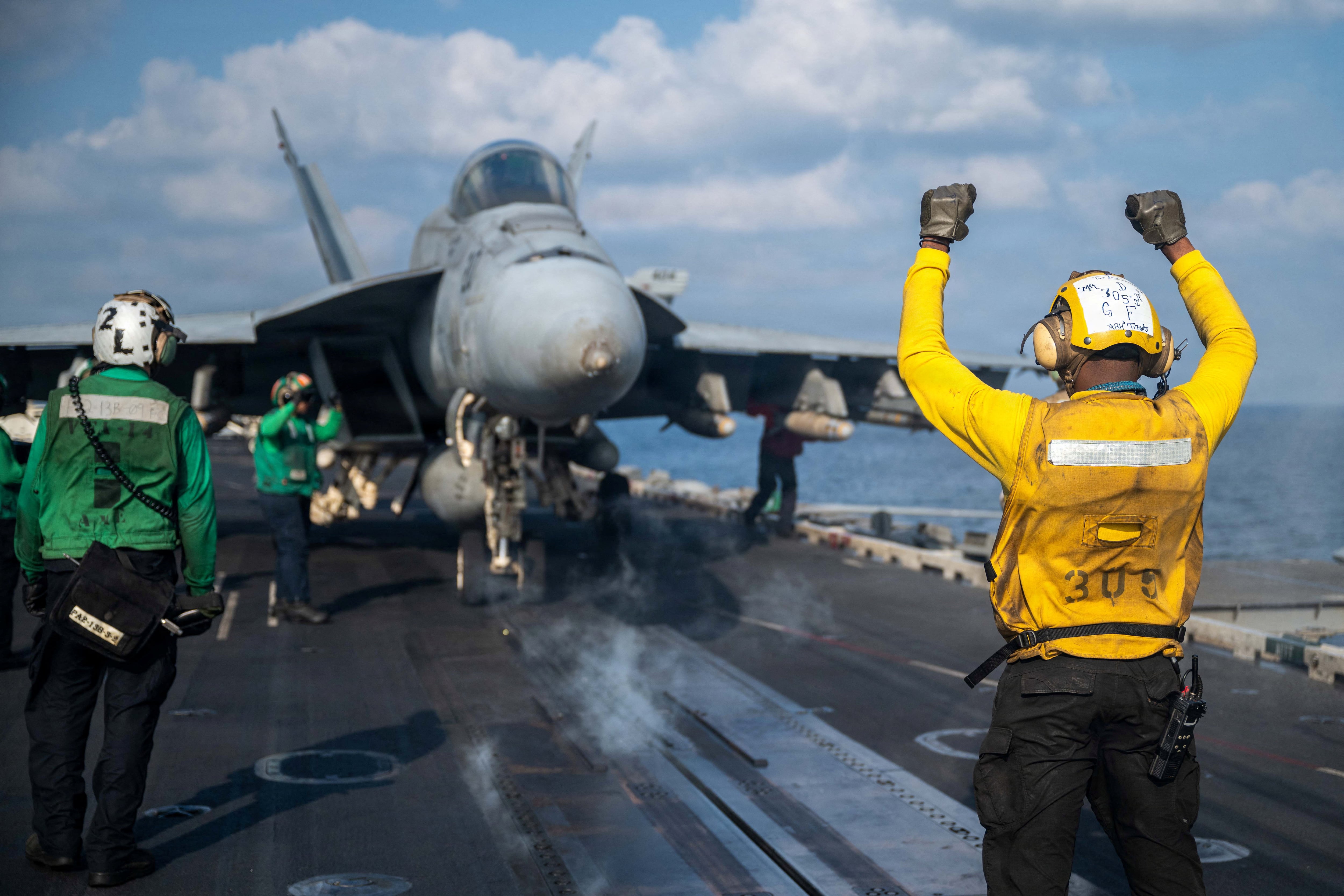
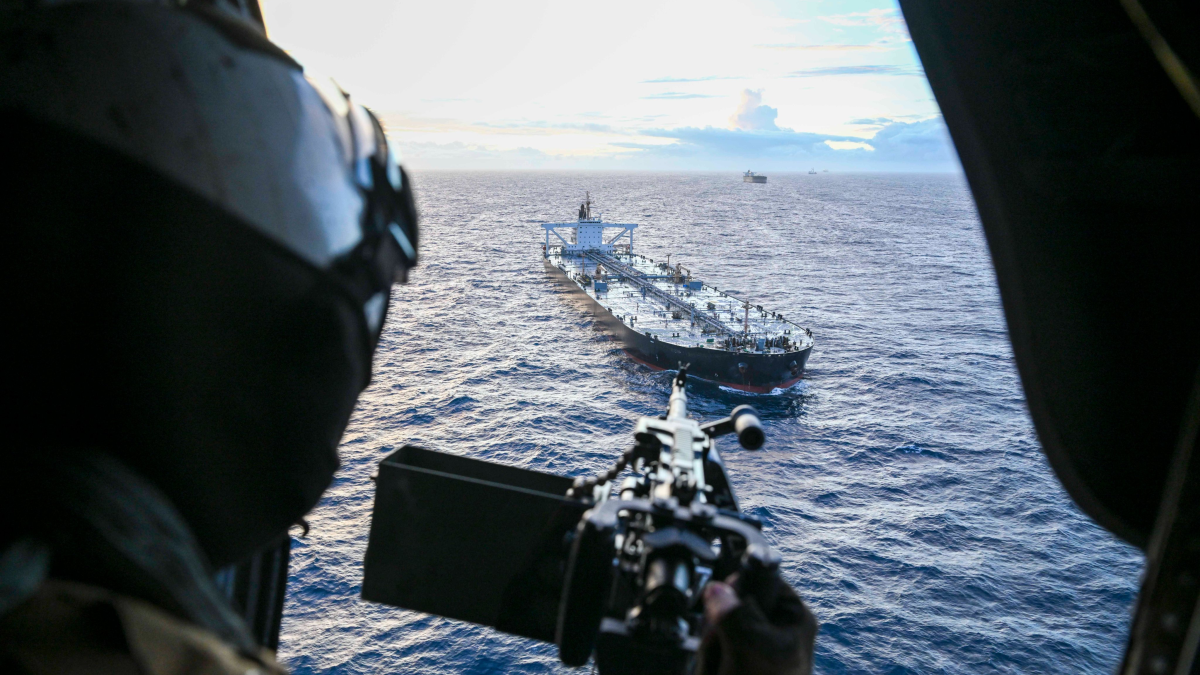
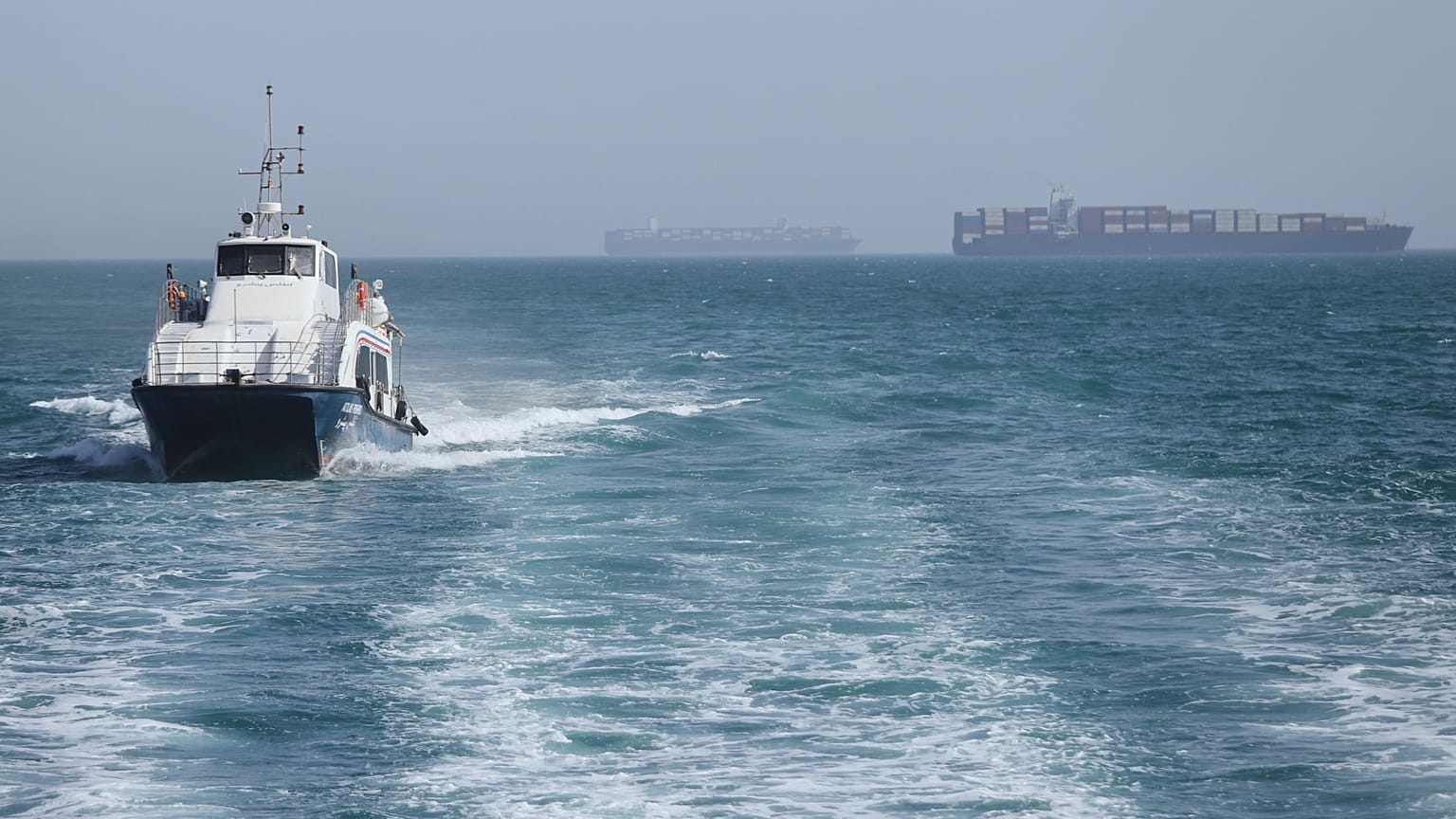
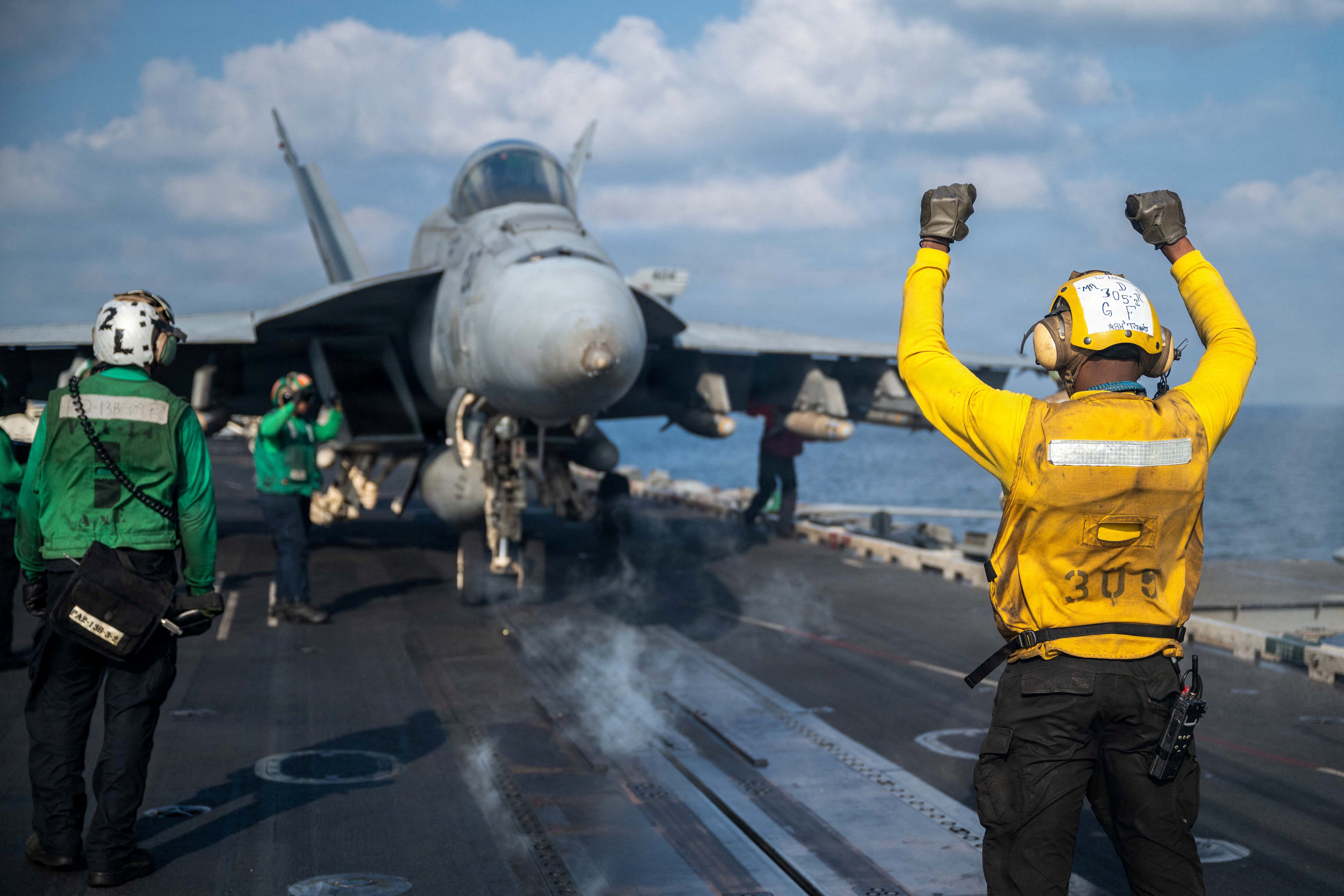
The US military's escalating enforcement of Iran sanctions in the Gulf of Oman represents a critical supply chain disruption for cross-border e-commerce sellers. Since April 13, 2026, CENTCOM has disabled 8 non-compliant vessels, redirected 134 ships, and allowed only 42 humanitarian aid vessels through—creating a de facto maritime blockade affecting approximately 20% of global oil and gas supplies transiting the Strait of Hormuz. The June 10 strike on the Palau-flagged tanker Settebello, which resulted in 3 Indian seafarers missing and 21 rescued, exemplifies the escalating military enforcement and geopolitical tensions reshaping global logistics networks.
For cross-border sellers, this blockade creates three immediate cost pressures: First, shipping insurance premiums are rising 15-25% for vessels routing through the Gulf of Oman, directly increasing fulfillment costs for sellers using ocean freight from Asia to Europe/US markets. Sellers shipping 500+ units monthly via sea freight can expect $300-800 additional monthly costs per container. Second, transit times are extending 5-10 days as shipping lines reroute around the Cape of Good Hope, adding 2-3 weeks to Asia-Europe supply chains and compressing inventory turnover rates. Third, fuel surcharges are increasing 8-12% as longer routes consume more bunker fuel, with carriers passing these costs to shippers through peak season premiums.
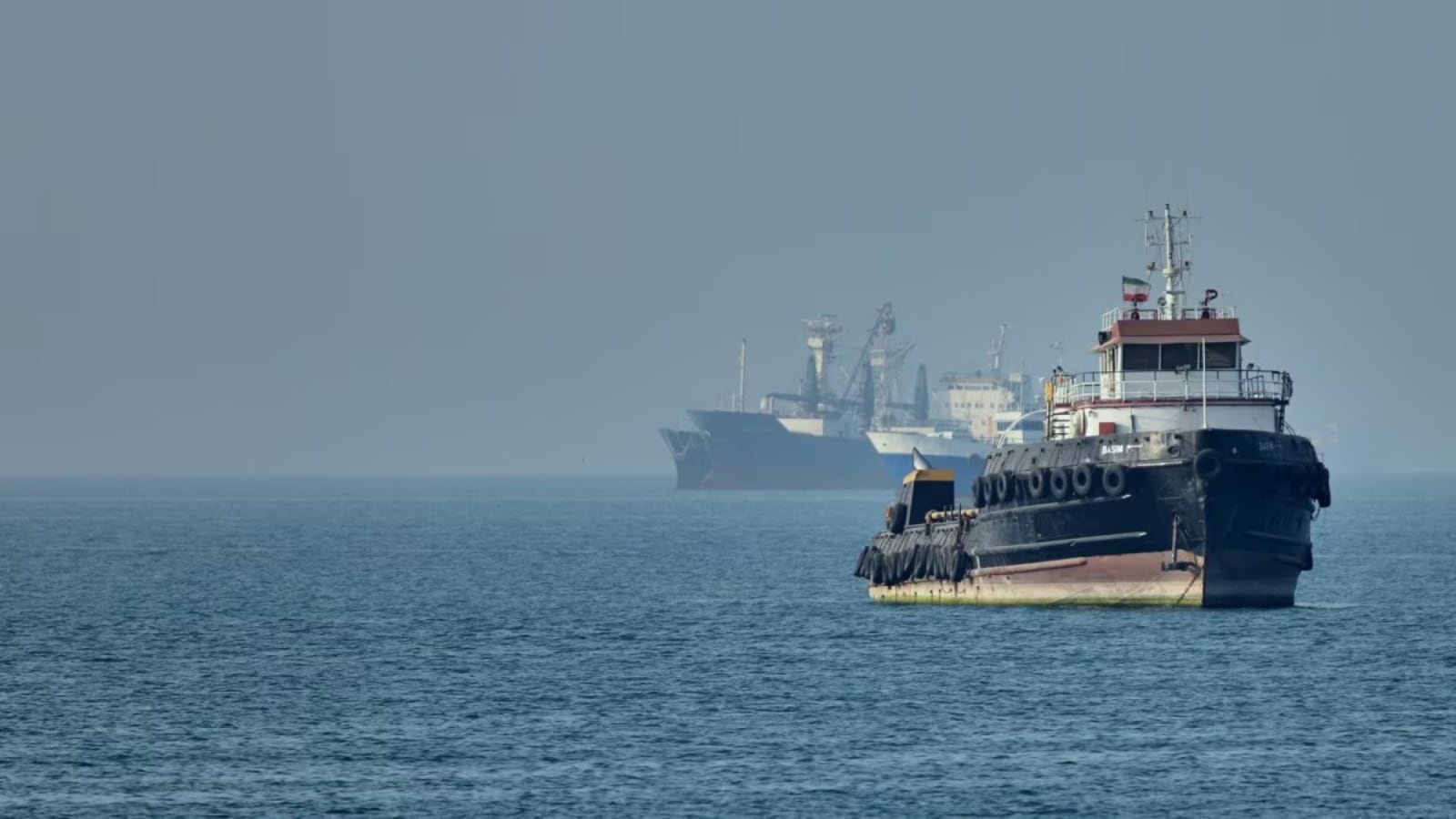
The geopolitical dimension creates compliance and reputational risks. The blockade specifically targets "shadow fleet" tankers—older vessels without Western insurance used to transport sanctioned Iranian oil under various flags. Sellers using freight forwarders or 3PL providers must verify their logistics partners aren't inadvertently routing cargo through high-risk corridors or using non-compliant carriers. India's formal protest and deteriorating India-US relations (described as "at their lowest point in decades") signal potential secondary sanctions or trade restrictions affecting Indian-origin goods and Indian-based logistics providers. Sellers sourcing from India or using Indian shipping lines face heightened compliance scrutiny and potential delays at US/EU customs.
Strategic sourcing shifts are accelerating. The blockade incentivizes sellers to diversify away from Asia-Middle East-Europe supply chains toward alternative corridors: Vietnam/Thailand to US via Pacific routes (avoiding Suez/Hormuz), India to EU via air freight (premium but compliant), and nearshoring to Mexico/Central America for North American markets. Categories most affected include electronics (high-value, time-sensitive), apparel (seasonal inventory), and home goods (volume-dependent on sea freight). Sellers with 30-60 day inventory buffers can absorb route changes; those with just-in-time models face stockouts and lost sales velocity.
Questions 7
Should I avoid sourcing from India due to India-US tensions?
Not entirely, but exercise caution. India-US relations are at their lowest point in decades per the news, but India remains a major sourcing hub for apparel, electronics, and home goods. Risk is elevated for Indian-based logistics providers and carriers. Mitigation: source products from India but use non-Indian 3PL providers for fulfillment, verify freight forwarders have US/EU compliance certifications, and diversify sourcing across Vietnam, Thailand, and Indonesia to reduce India concentration risk. Monitor India-US trade policy announcements monthly.
Can I pass increased shipping costs to customers?
Partial pass-through is possible but risky. Raising prices 5-8% to cover fuel surcharges may reduce conversion rates 2-4% on price-sensitive categories (apparel, home goods). Electronics sellers have more pricing power. Instead, optimize: negotiate volume discounts with carriers, consolidate shipments to reduce per-unit costs, and use air freight selectively for high-margin items. Consider offering 'expedited shipping' as premium option to absorb cost increases while maintaining base pricing competitiveness.