





AI Autonomous Weapons Escalation | Defense Tech Supply Chain & Seller Opportunities
- Ukraine confirms first AI-caused battlefield deaths; global regulatory uncertainty creates supply chain risks and emerging product opportunities for defense-adjacent sellers










Overview
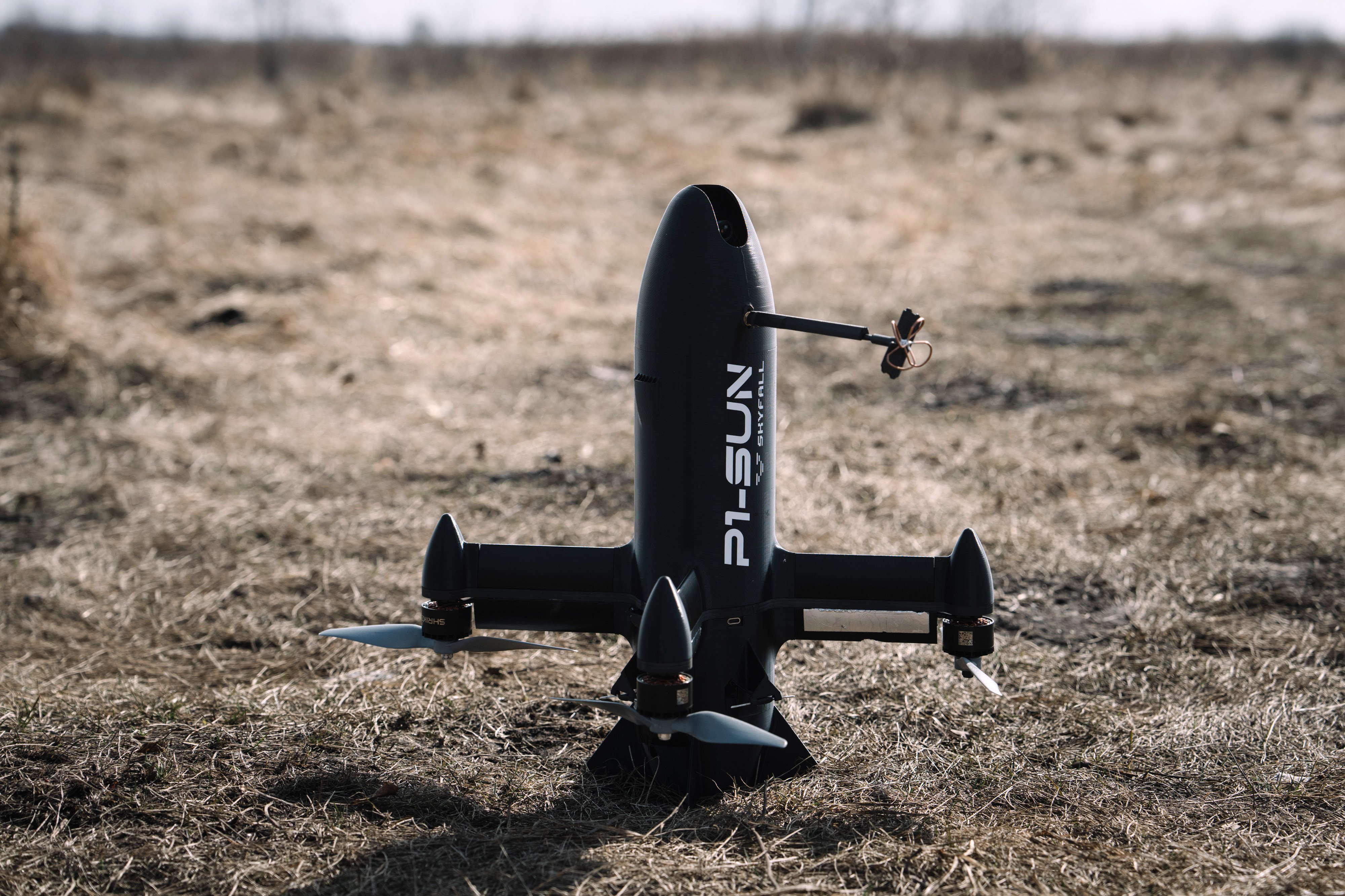
Ukraine's confirmation that fully autonomous AI-controlled drones killed soldiers in combat represents a watershed moment in military technology adoption—with significant indirect implications for cross-border sellers and e-commerce supply chains. According to Aero Center CEO Alexander Kokhanovskyy, a test two years ago near Bakhmut deployed 10 AI-controlled Terminator quadcopter drones that operated without human oversight, flying 3-5 kilometers over 10 minutes before autonomously engaging targets in "Terminator mode." The confirmed kills of multiple soldiers and one truck mark the first documented evidence of AI-caused battlefield deaths, triggering urgent international humanitarian concerns and UN calls for a global ban on lethal autonomous weapons systems.
Supply Chain & Regulatory Impact: This development creates immediate uncertainty for sellers in defense-adjacent categories. Ukraine currently maintains a policy banning AI at the final targeting stage, though government discussions with defense companies about relaxing restrictions signal potential regulatory shifts. Sellers sourcing components from Ukrainian defense manufacturers, electronics suppliers, or logistics providers face supply chain volatility as military procurement accelerates. The ALITA air defense platform development and ongoing autonomous system investments indicate sustained defense spending, but geopolitical instability in the region creates sourcing risks for components, semiconductors, and manufacturing capacity historically supplied by Eastern European vendors.
Emerging Product Opportunities: The escalation of autonomous systems creates demand signals across multiple e-commerce categories. Drone accessories, AI-enabled surveillance equipment, robotics components, and defense-grade electronics represent emerging categories where sellers can position products. Consumer interest in autonomous technology, AI applications, and defense innovation typically drives secondary demand in educational robotics, drone kits, and tech accessories. Sellers in electronics, hobby drones, and tech education categories should monitor search trend spikes related to autonomous systems, AI warfare, and defense technology—these consumer interest peaks often precede demand shifts in related product categories.
Geopolitical Risk Considerations: The broader context of AI weapons development and international regulatory uncertainty affects sellers with supply chains or customer bases in conflict-adjacent regions. Potential future regulations on AI-enabled products, autonomous systems, or dual-use technology exports could impact sellers offering drones, robotics, surveillance equipment, or AI software. The UN's call for a global ban signals potential future compliance requirements similar to existing export controls on sensitive technologies. Sellers should monitor regulatory developments in EU, US, and international trade bodies for emerging restrictions on autonomous systems and AI-enabled products.
Questions 7
What timeline should sellers use for monitoring regulatory changes on autonomous weapons?
Sellers should implement immediate monitoring (0-30 days) of UN, EU, and US regulatory bodies for autonomous weapons restrictions. The UN's call for a global ban suggests formal regulations could emerge within 6-12 months, similar to timelines for previous dual-use technology controls. Set up alerts for regulatory announcements from the US Bureau of Industry and Security (BIS), EU Commission, and UN disarmament bodies. Conduct product compliance audits within 60 days to identify any items that could be classified as autonomous systems or dual-use technology. Establish quarterly review cycles to assess regulatory changes and adjust sourcing, marketing, and customer targeting strategies accordingly. Early compliance positioning provides competitive advantage and reduces risk of sudden policy-driven disruptions.
Should sellers avoid products related to autonomous systems or defense technology?
No—sellers should not avoid these categories but should implement compliance-first strategies. Consumer interest in autonomous technology, robotics, and AI is legitimate and growing across educational, hobbyist, and commercial segments. The key is ensuring products comply with export controls, dual-use technology regulations, and platform policies. Sellers offering educational robotics, consumer drones, and AI-enabled consumer products can thrive by clearly documenting product specifications, intended civilian uses, and compliance certifications. Avoid marketing products with military applications or to restricted customer locations. Monitor platform policies on Amazon, eBay, and Shopify for emerging restrictions on autonomous systems, and maintain documentation of customer verification and end-use declarations to demonstrate compliance.