
)



EU Defence Autonomy Crisis Reshapes €100B+ Supply Chain | Seller Opportunities in Tech & Aerospace Components
- FCAS project termination signals €100B+ budget reallocation toward modular defence systems, creating sourcing opportunities for AI, drone, and cybersecurity component sellers across EU markets



)






Overview
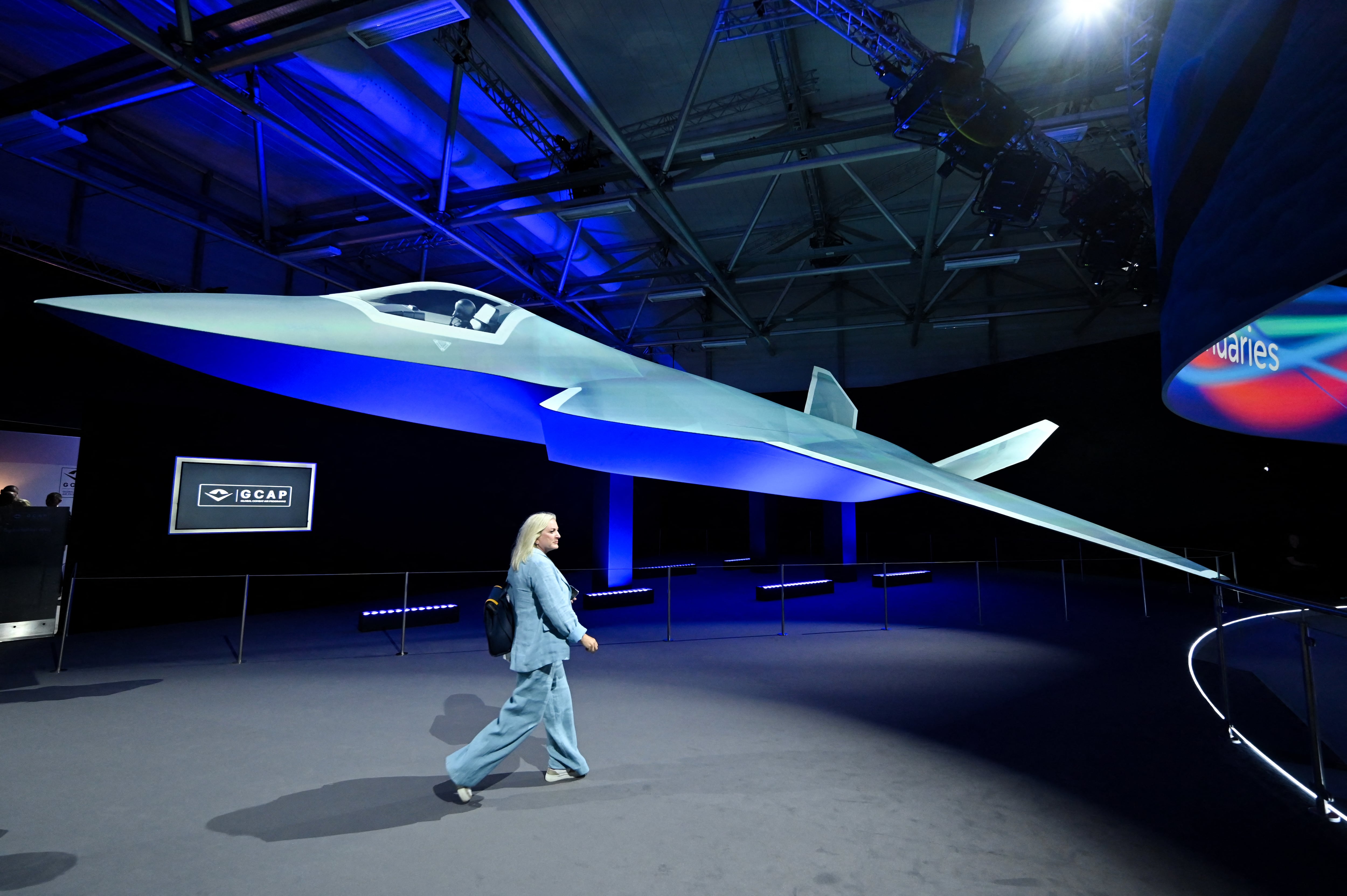
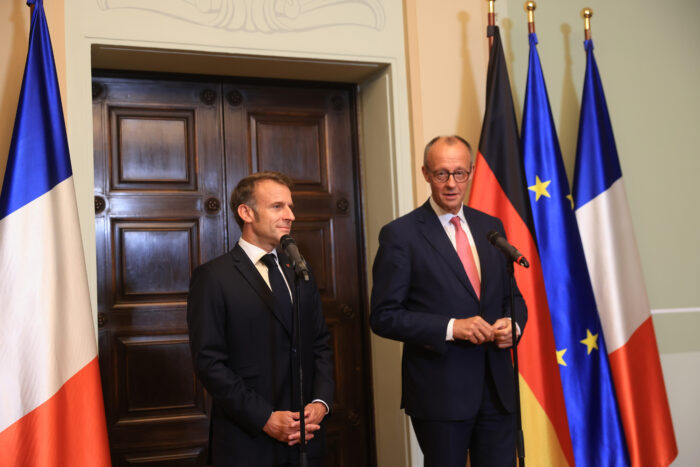
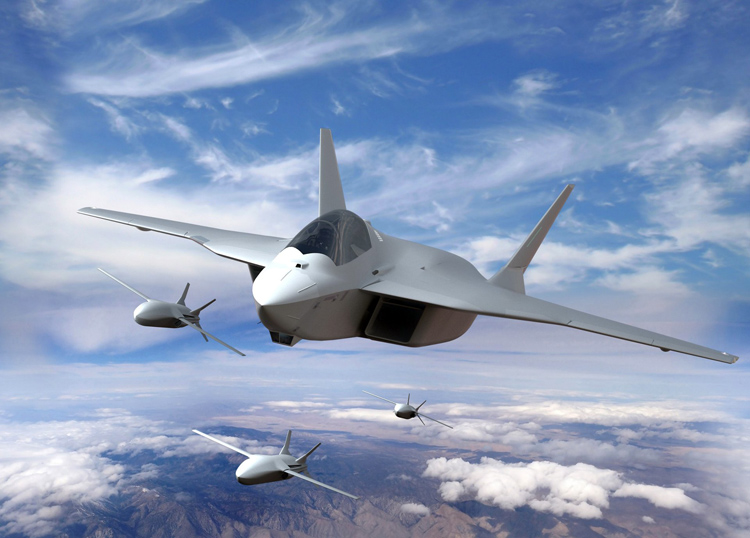
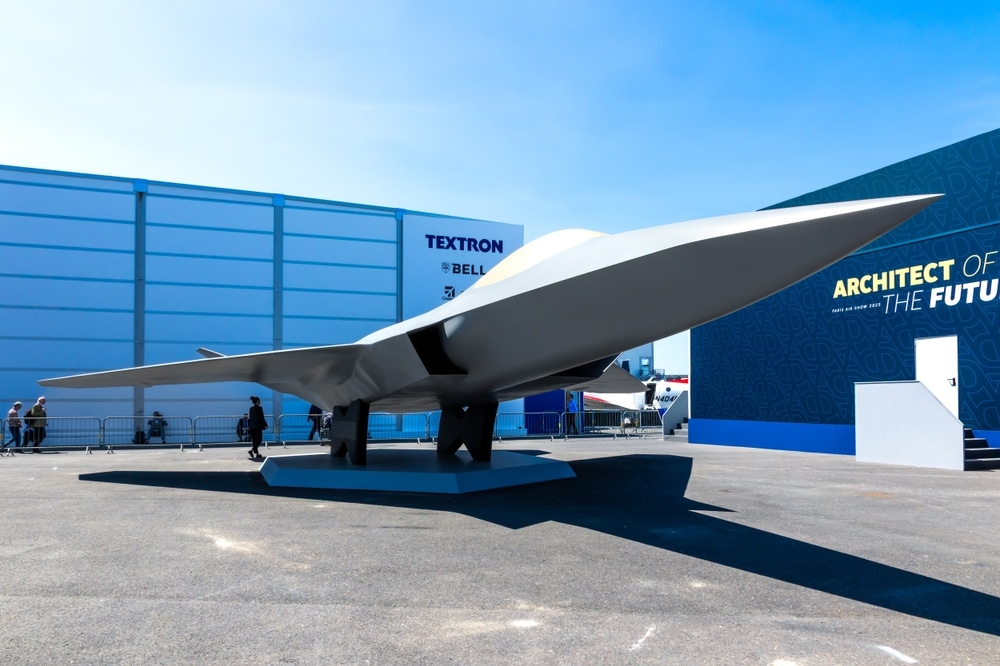
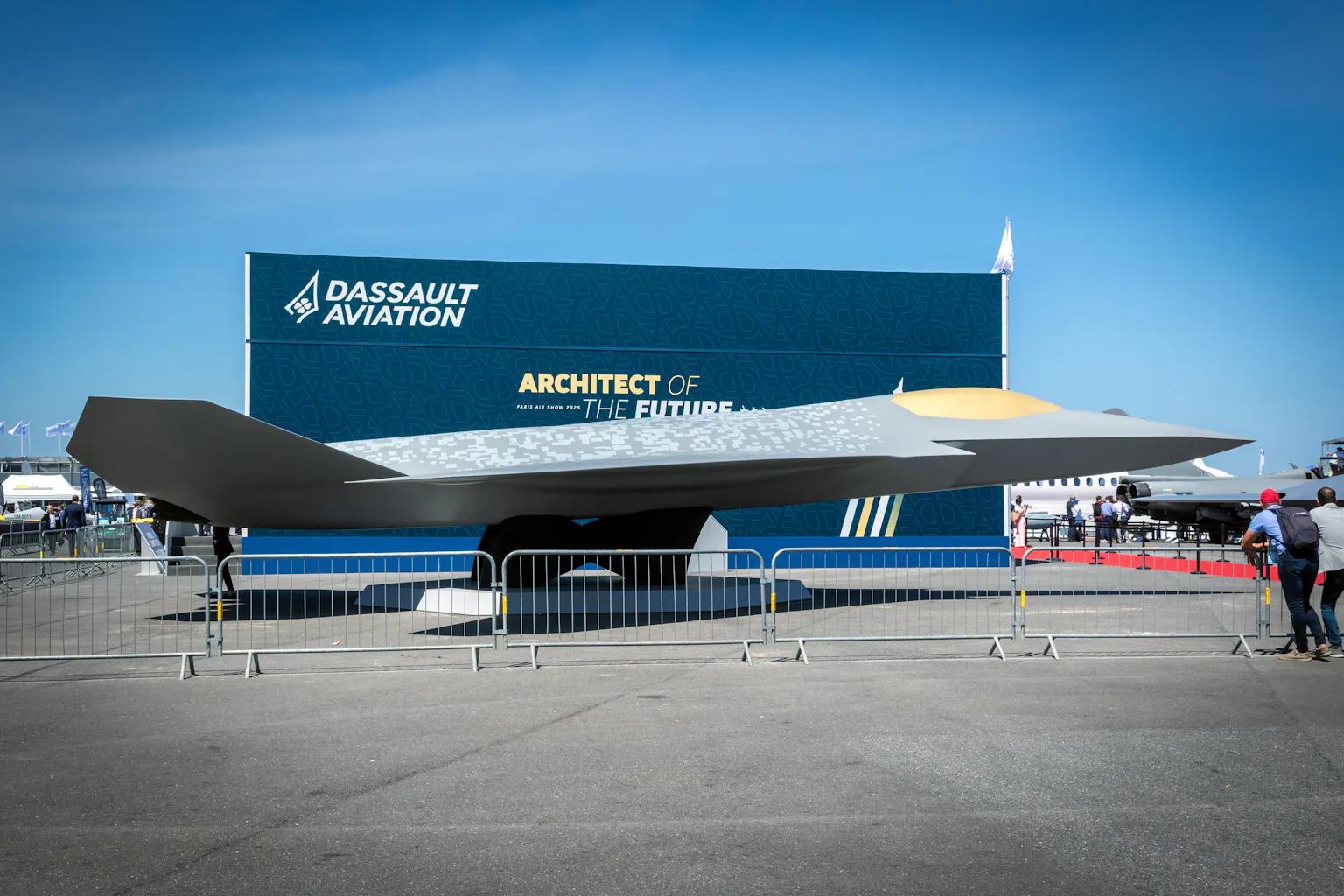
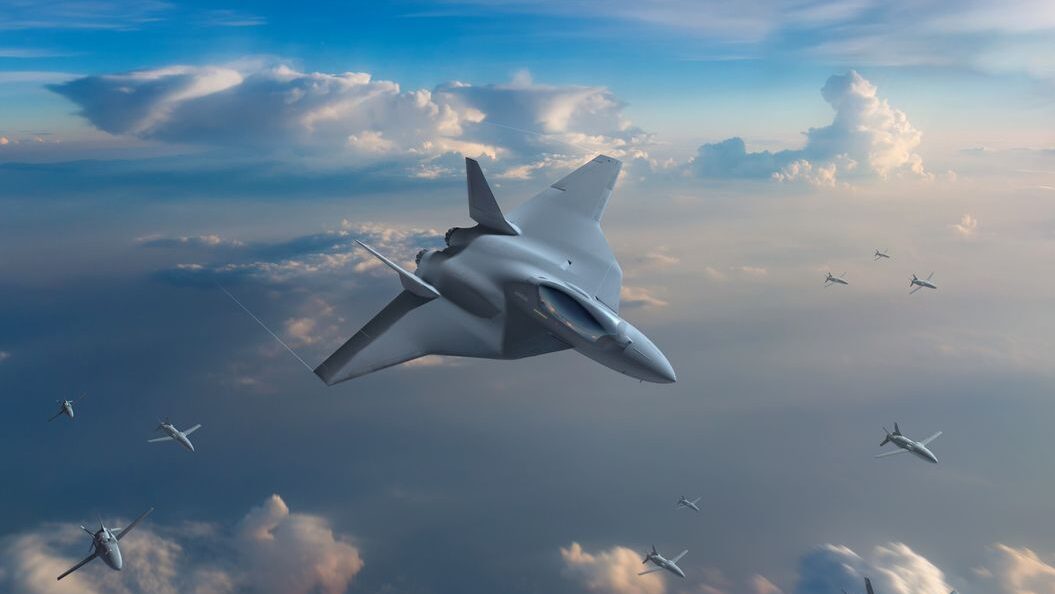
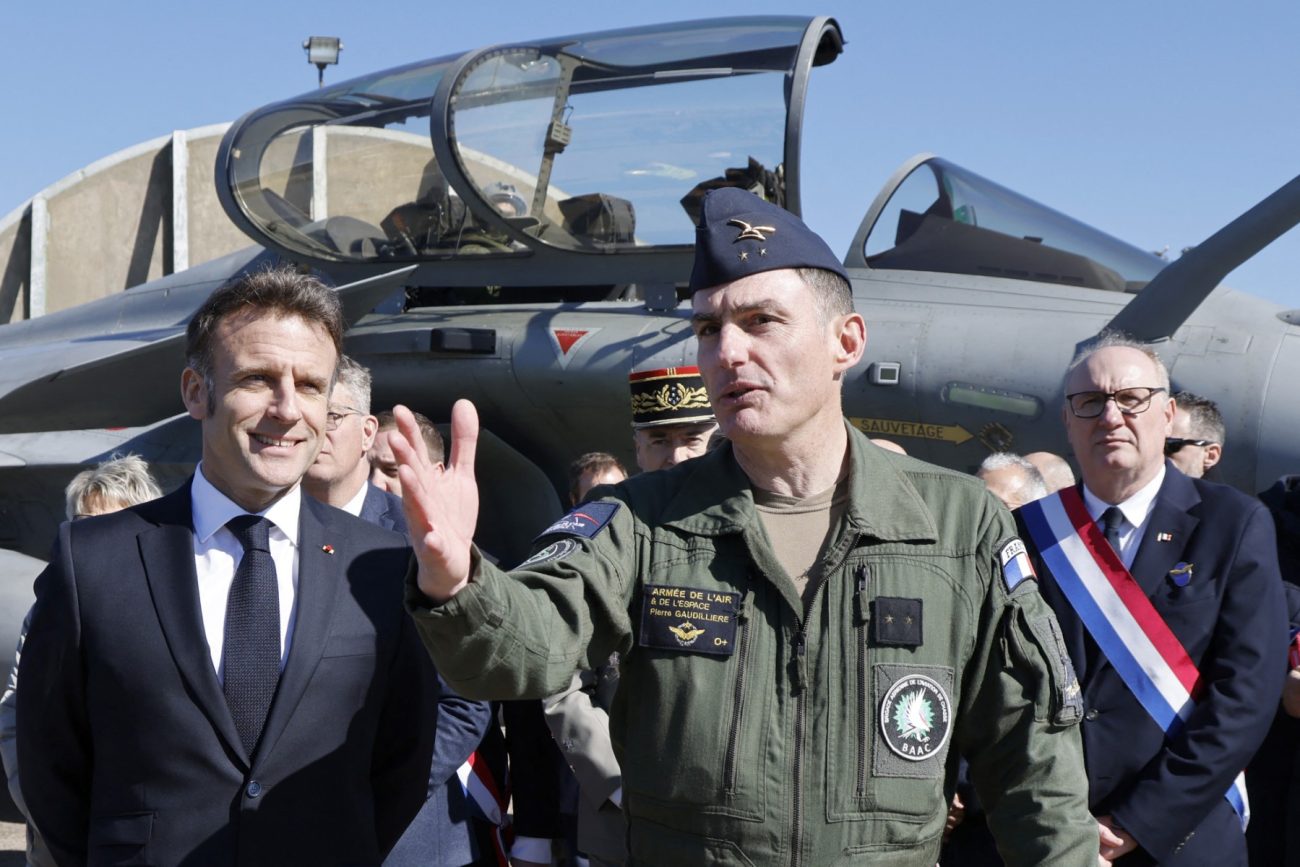
The cancellation of the €100 billion+ Future Combat Air System (FCAS) project by France and Germany represents a critical inflection point in European defence procurement strategy, with direct implications for cross-border sellers in technology, aerospace components, and cybersecurity sectors. Announced by French President Emmanuel Macron following disagreements between Dassault Aviation and Airbus over project leadership, this dissolution fundamentally reshapes European defence spending patterns and creates immediate sourcing opportunities for sellers positioned in modular, cost-effective defence technologies.
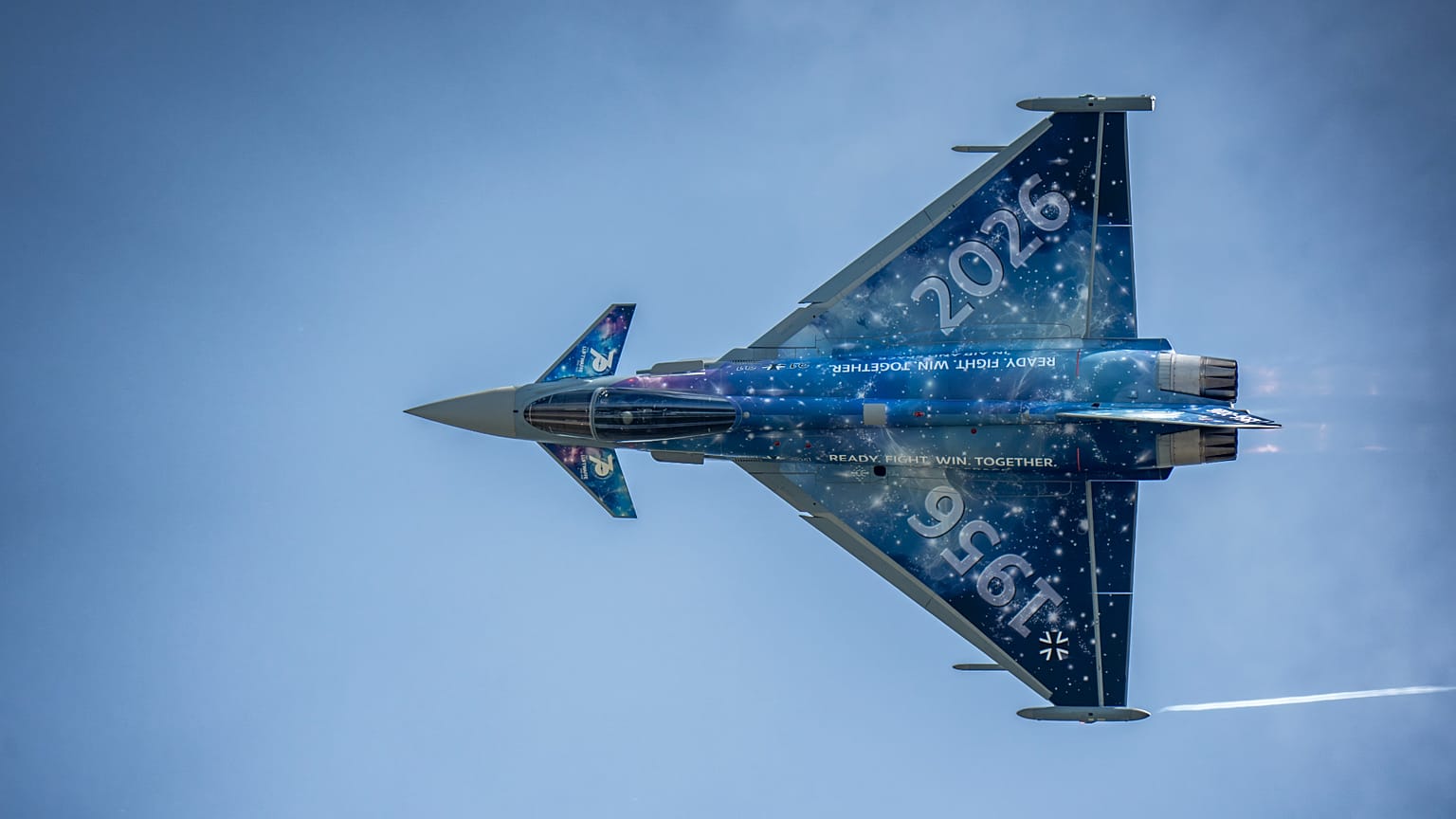
Market Reallocation Dynamics: Rather than representing a collapse of European defence integration, the FCAS cancellation accelerates a shift toward distributed, component-based procurement models. France and Germany will continue developing specific FCAS components independently—including combat cloud cyber command-and-control systems, software architecture, and drone technologies—rather than pursuing monolithic platform development. This fragmentation creates opportunities for specialized component suppliers across the EU. The €100B+ originally allocated to FCAS will likely redistribute toward proven, scalable systems: German IRIS-T air defence systems, French-Italian SAMPT platforms, Eurofighter Typhoon upgrades, and Gripen variants. For cross-border sellers, this signals demand acceleration in: (1) AI/machine learning integration components for existing platforms, (2) drone technology and autonomous systems, (3) cybersecurity and data fusion software, and (4) manufacturing scaling solutions for cost-effective production.
Competitive Advantage for Sellers: The Russia-Ukraine conflict has fundamentally altered European procurement priorities—mass-produced, cost-effective capabilities now outweigh expensive advanced systems. This directly benefits sellers offering: modular component solutions (vs. integrated platforms), rapid-deployment technologies, and manufacturing optimization services. EU-based sellers gain competitive advantage through proximity to defence contractors and regulatory familiarity, while US and Asian component suppliers face potential tariff barriers as Europe prioritizes "strategic autonomy." The underinvestment challenge cited by analysts—scaling production to meet modern warfare demands—creates immediate opportunities for sellers offering manufacturing consulting, supply chain optimization, and component standardization services to defence contractors.
Timeline and Procurement Windows: The project termination effective immediately opens a 12-18 month window for component suppliers to position themselves with Airbus, Dassault, and German defence contractors before alternative programmes solidify. Sellers should monitor EU defence procurement portals (TENDERS ELECTRONIC DAILY) for component RFQs from Airbus Defence & Space, Dassault Aviation, and German companies pursuing software architecture and drone initiatives separately. The emphasis on "coordinated procurement strategies across EU member states" signals upcoming standardization initiatives that will favour early-mover suppliers in compatible component ecosystems.
Questions 8
What sourcing country shifts should sellers anticipate from FCAS cancellation?
The FCAS cancellation accelerates European preference for EU-based component sourcing to support 'strategic autonomy' objectives. Sellers should expect: (1) reduced demand for US-origin components (ITAR restrictions increase), (2) increased opportunities for EU-based suppliers, (3) potential tariff advantages for components sourced within EU supply chains, and (4) growing interest in alternative suppliers from NATO allies (UK, Canada) for specialized components. The emphasis on 'scaling production to meet modern warfare demands' suggests European contractors will seek manufacturing partners capable of rapid volume increases—favouring established EU suppliers over new entrants. Sellers from non-EU countries should emphasize specialized capabilities unavailable within EU supply chains to overcome sourcing preference barriers.
How does the FCAS cancellation affect cross-border sellers in aerospace components?
The €100B+ FCAS project termination redirects European defence spending toward modular, component-based procurement rather than integrated platforms. This creates immediate demand acceleration for specialized component suppliers—particularly in AI/ML integration, drone technology, cybersecurity software, and manufacturing optimization services. Sellers positioned in these categories can expect increased RFQ volume from Airbus Defence & Space, Dassault Aviation, and German contractors over the next 12-18 months. The shift toward cost-effective, mass-produced capabilities (driven by Russia-Ukraine conflict lessons) favours sellers offering rapid-deployment solutions and supply chain optimization services to defence contractors.