



Walmart Drone Delivery Expands to 20+ US Markets | Last-Mile Logistics Transformation for Sellers
- Walmart scales drone delivery to 270+ locations by 2026, targeting 40M customers by 2027; sellers must optimize inventory for 5-8 lb weight limits and 6-10 mile radius constraints to capture ultra-fast fulfillment opportunities









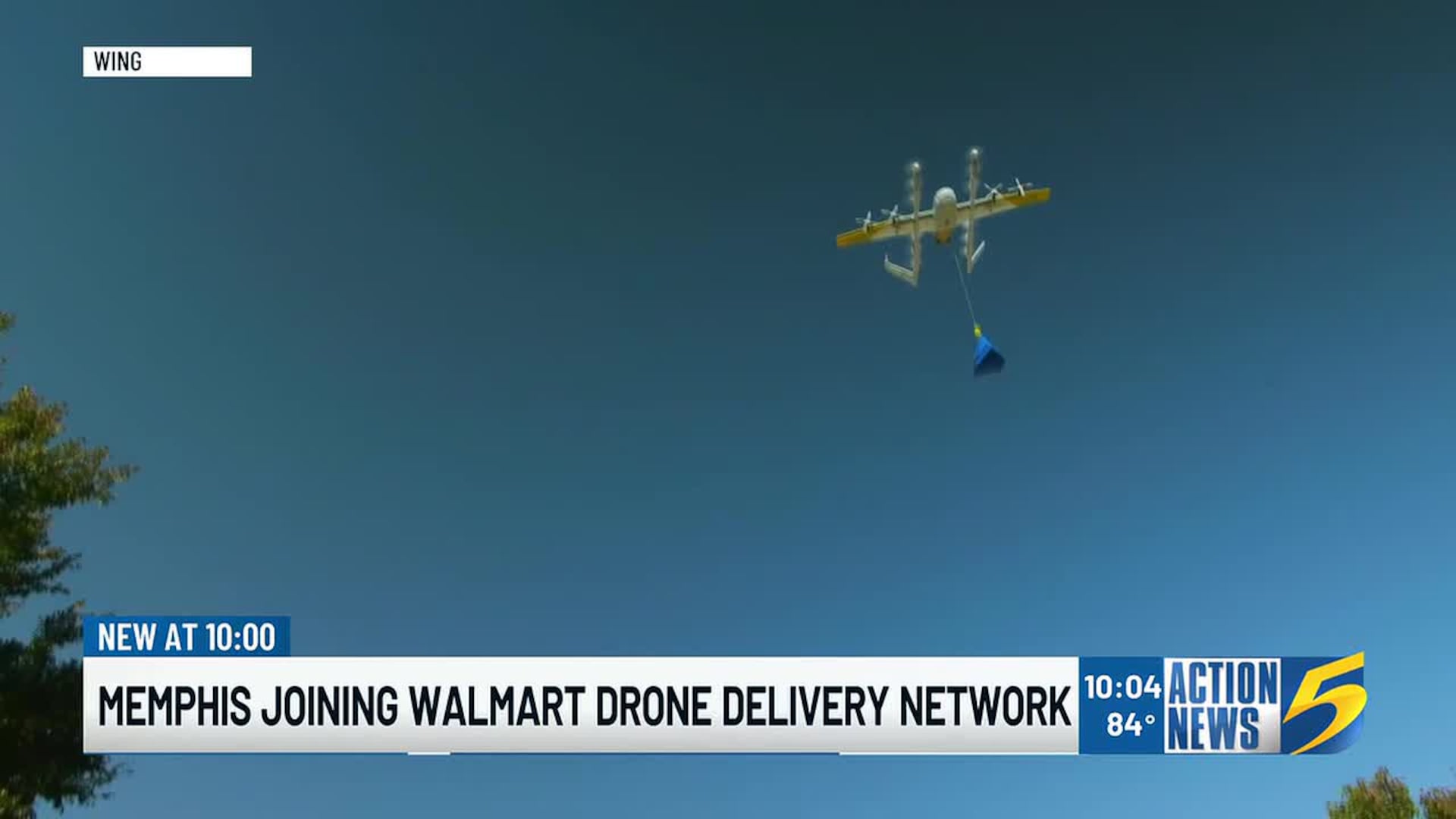
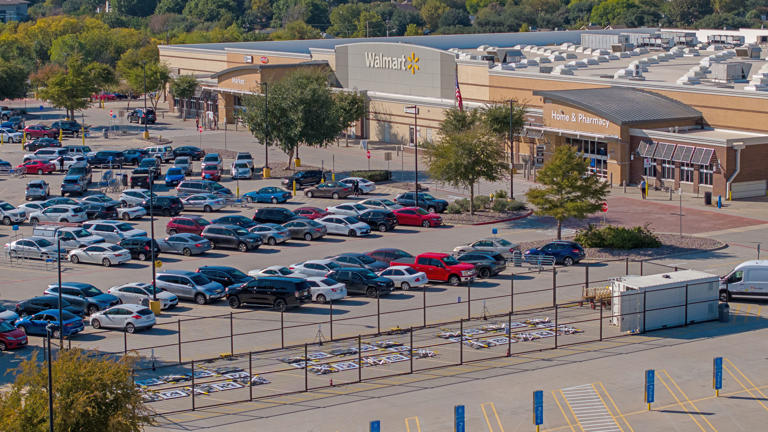
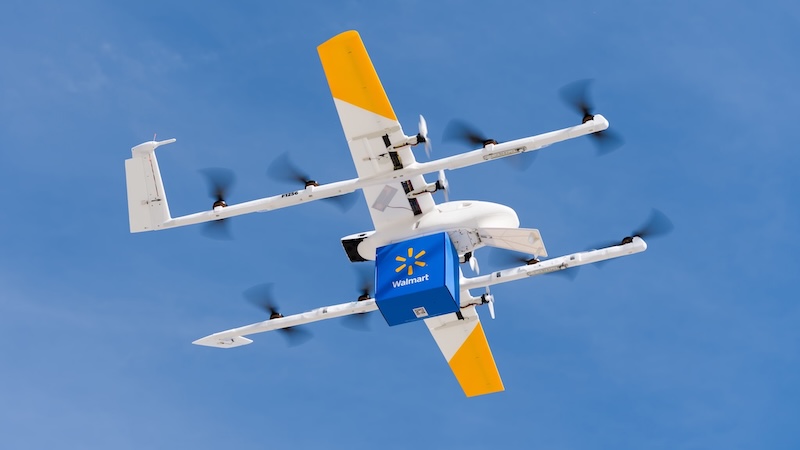
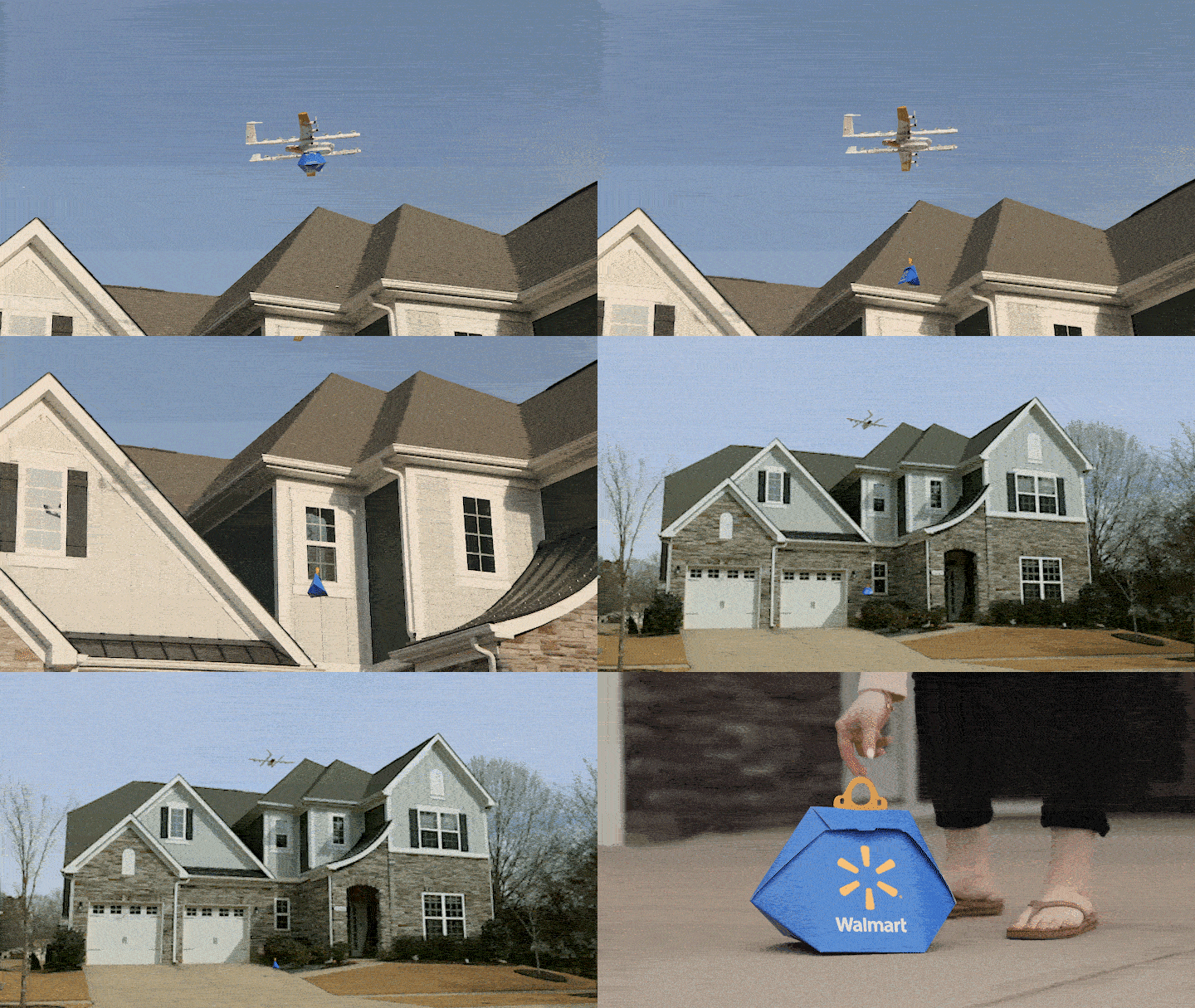

Overview
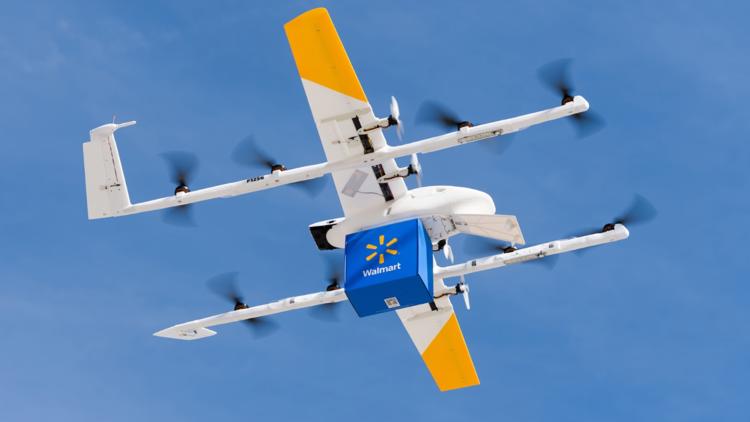
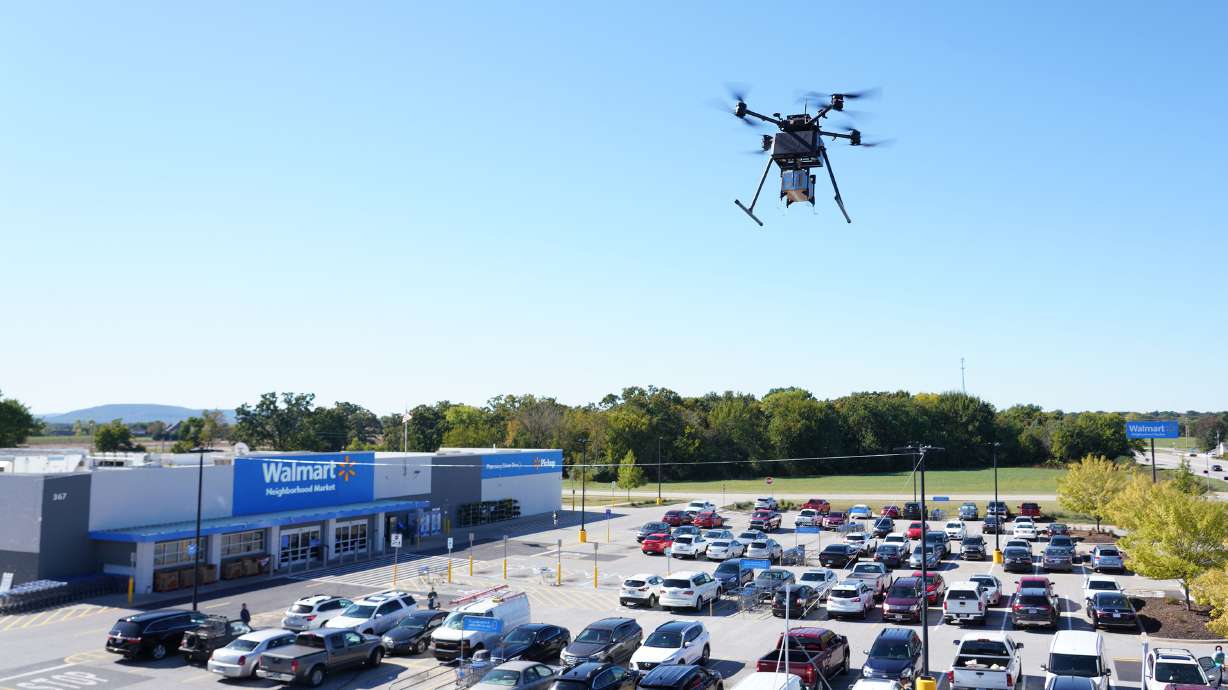
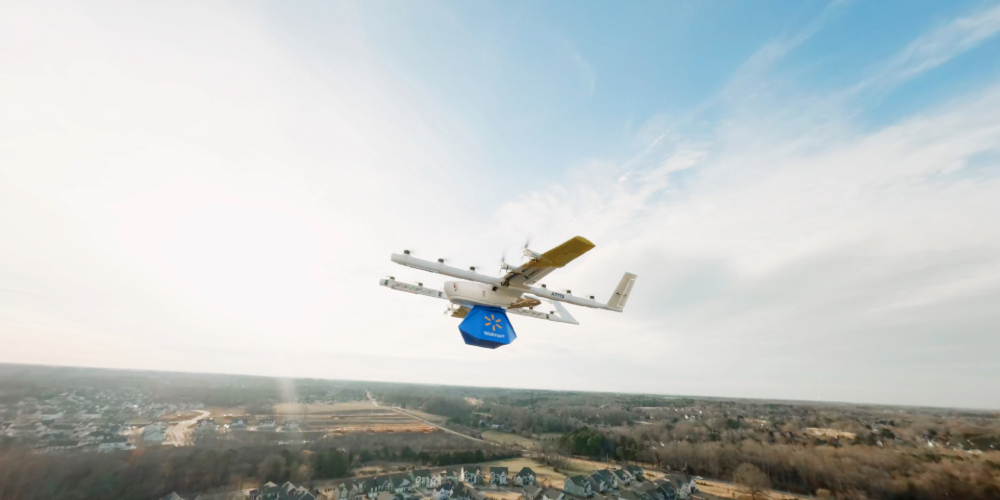
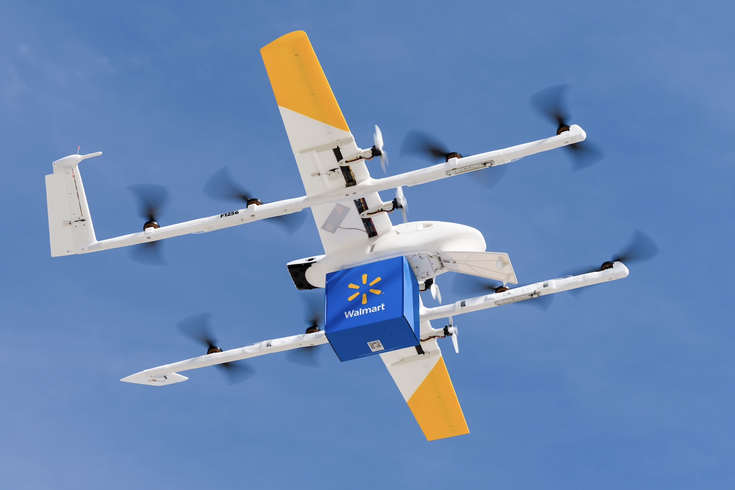
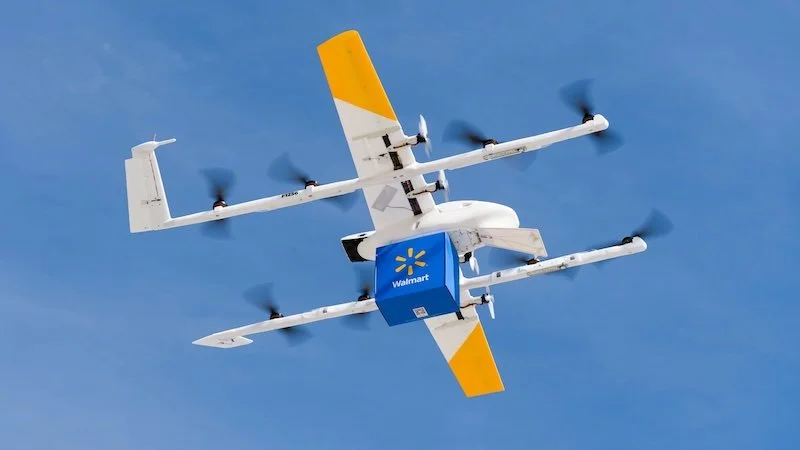
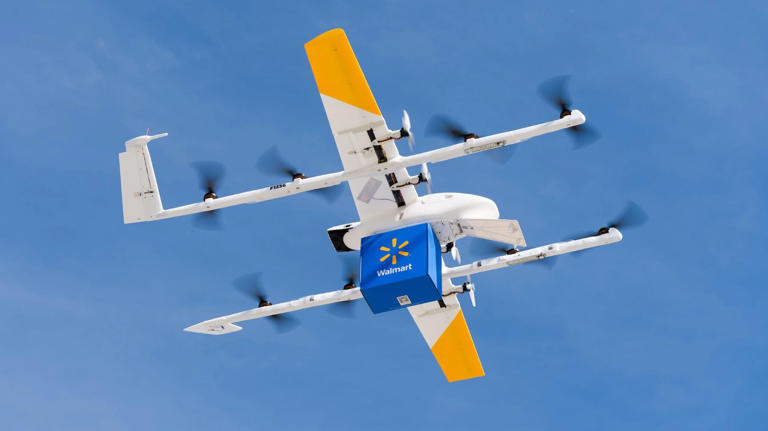
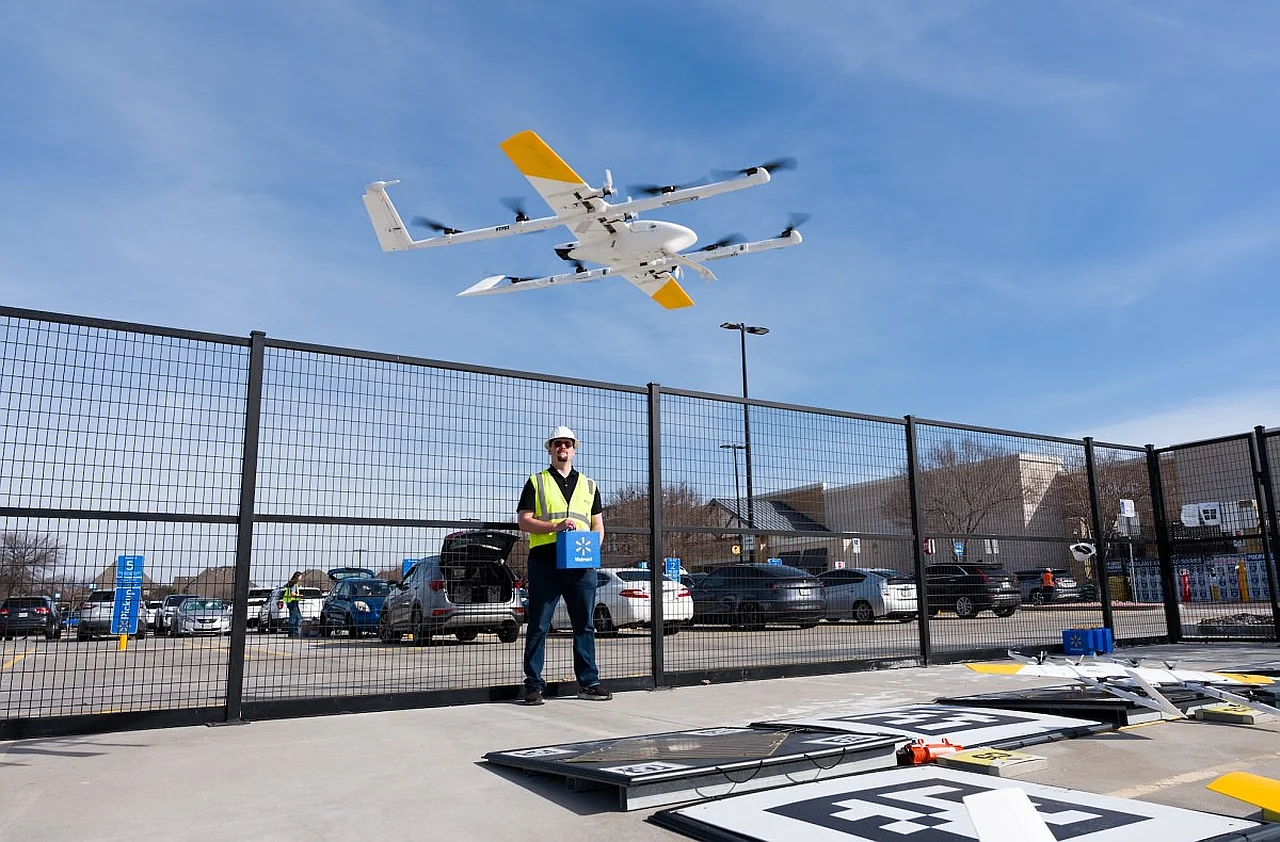
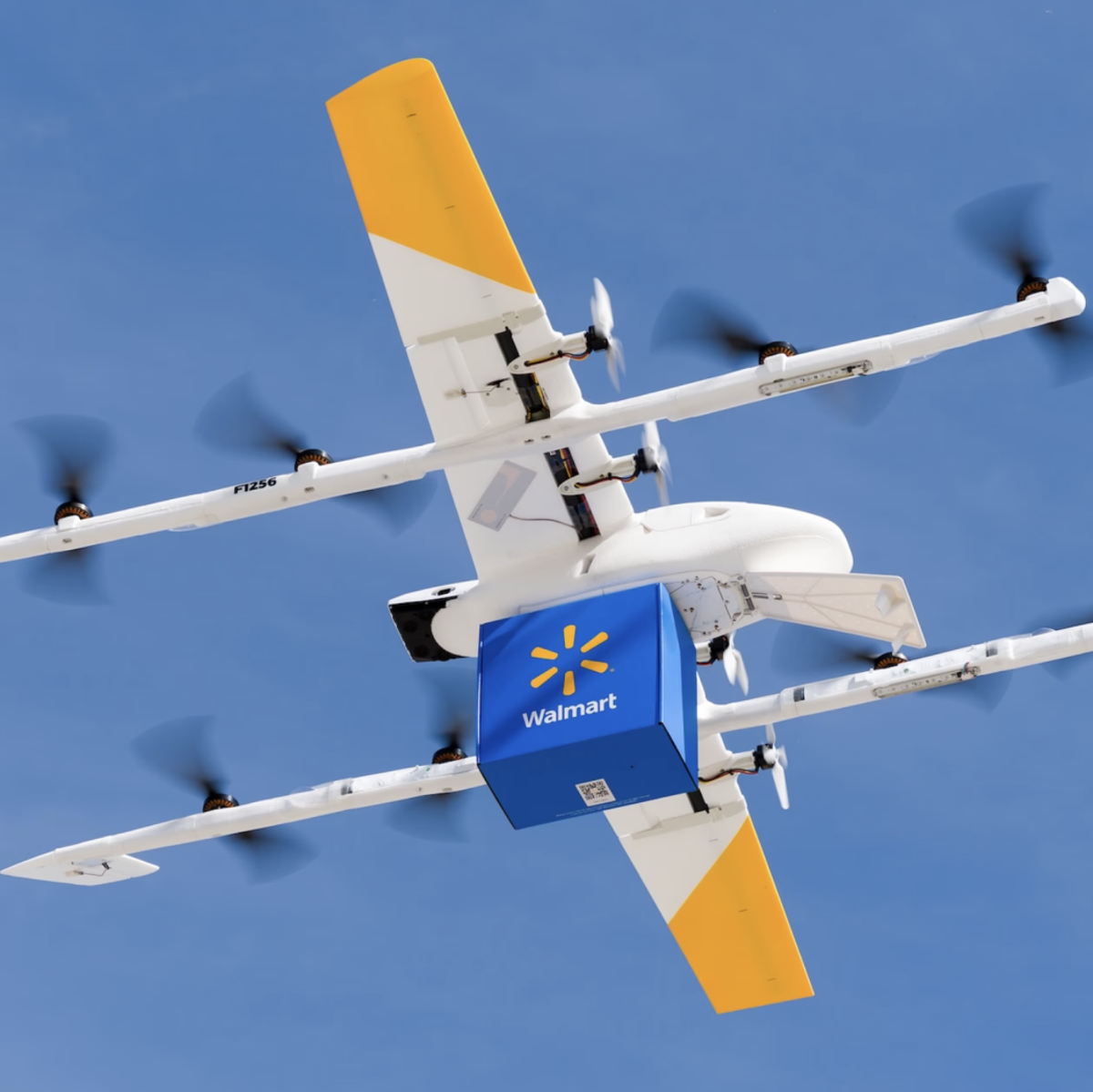
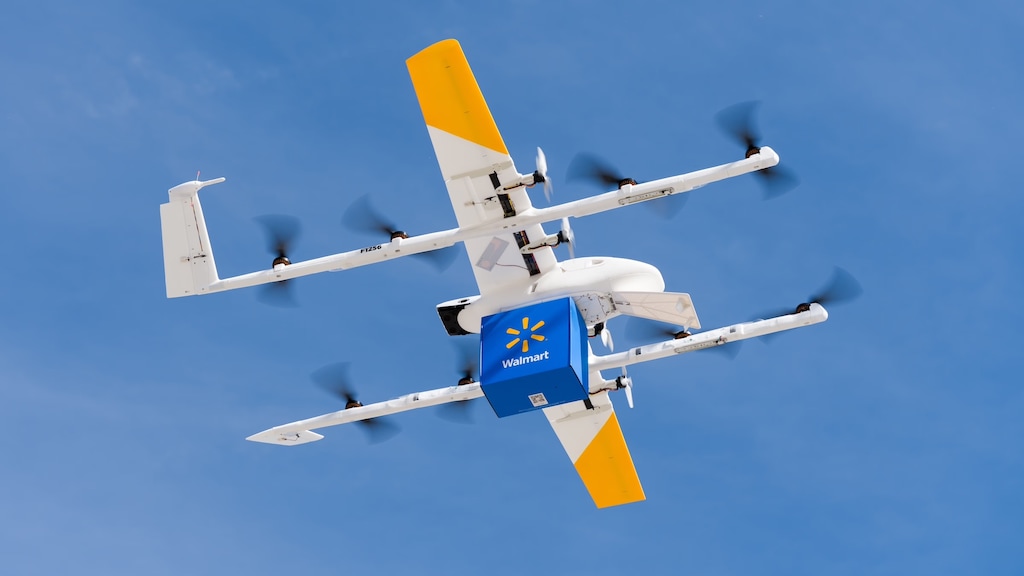
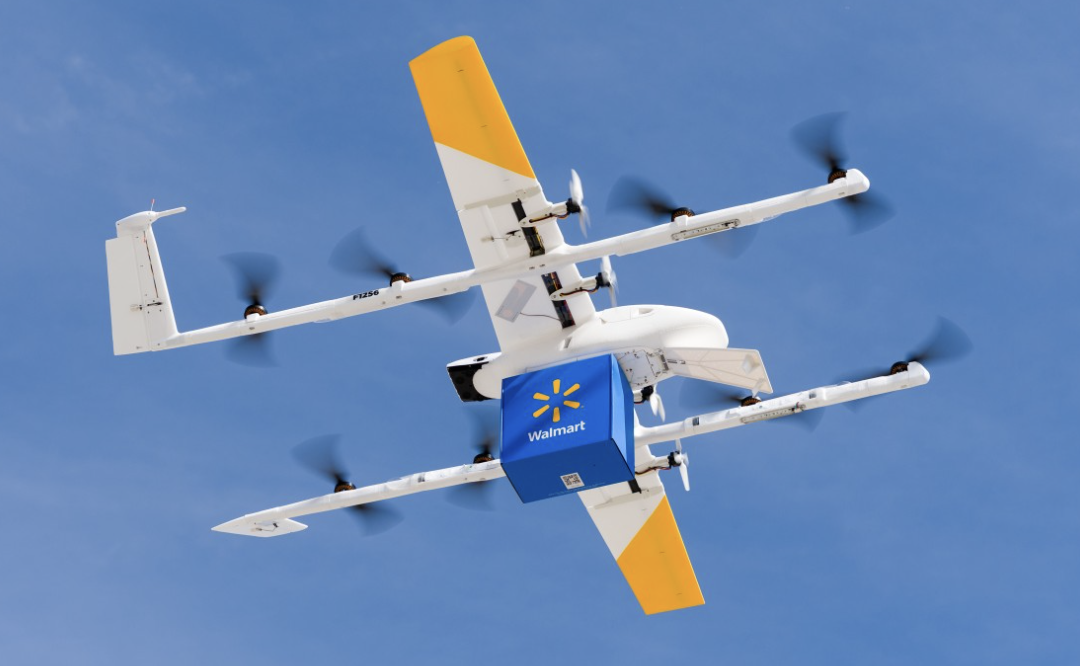
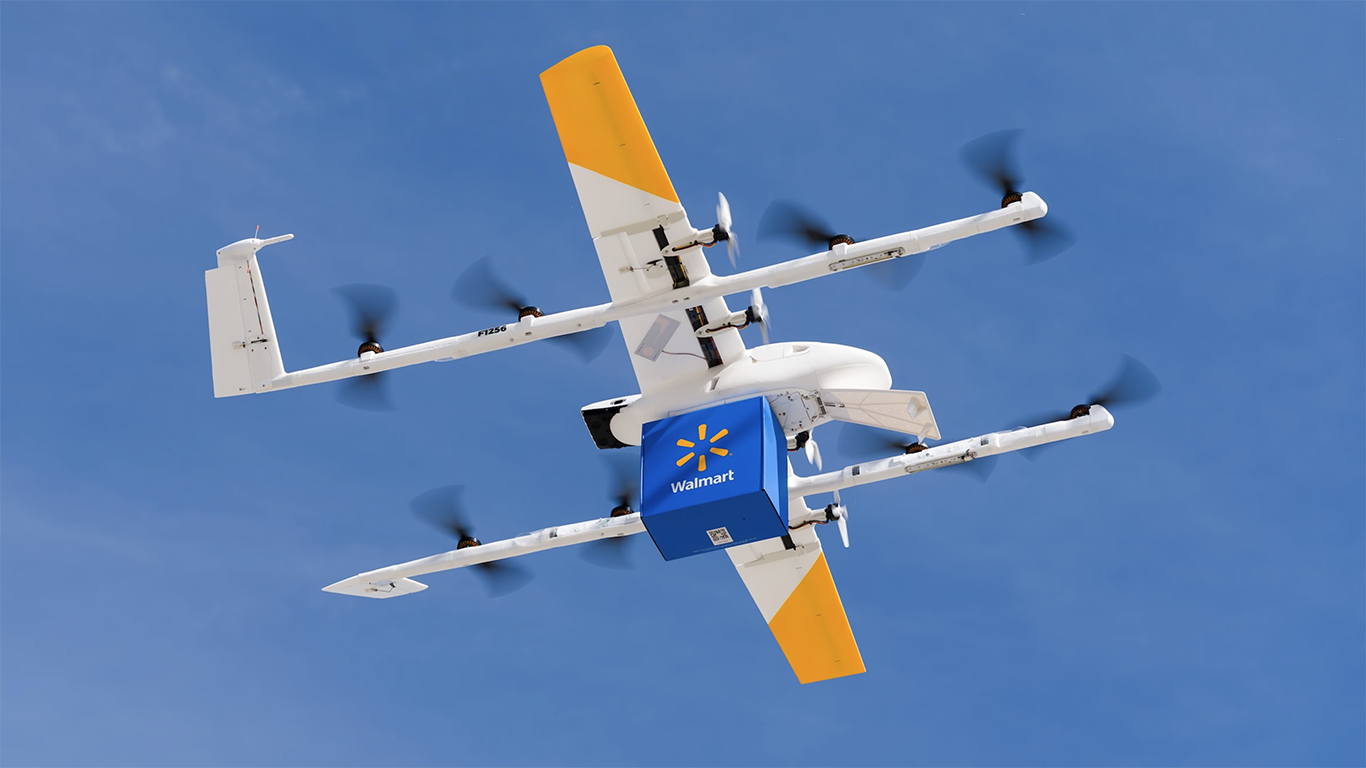
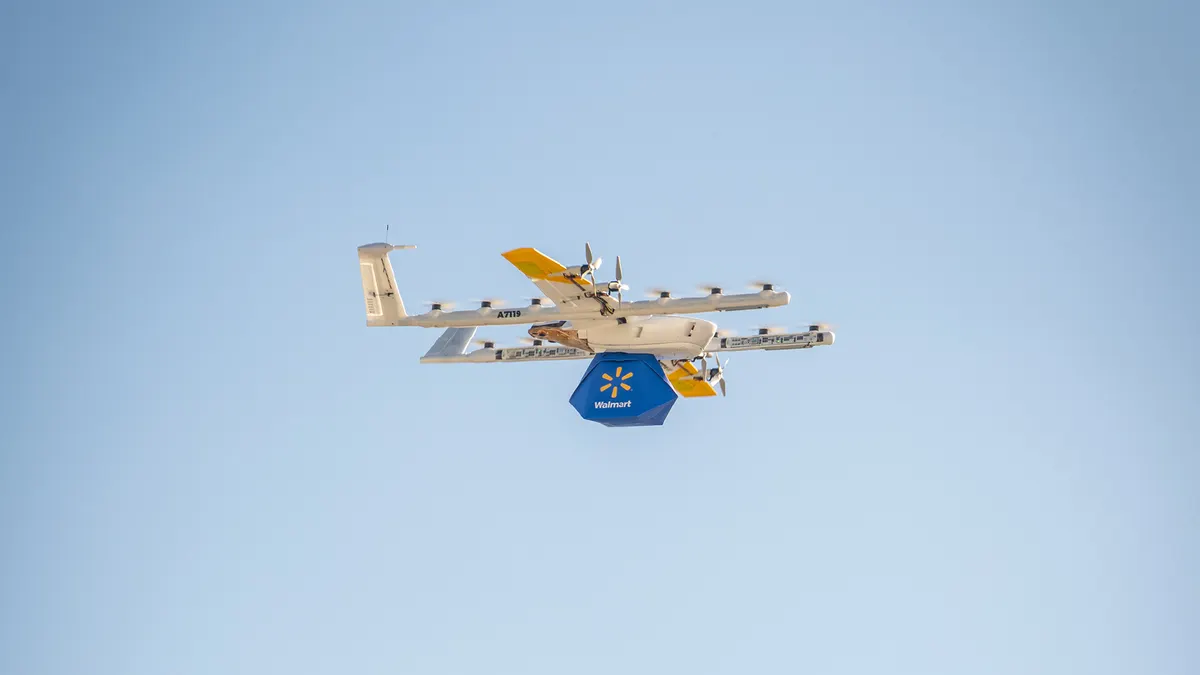
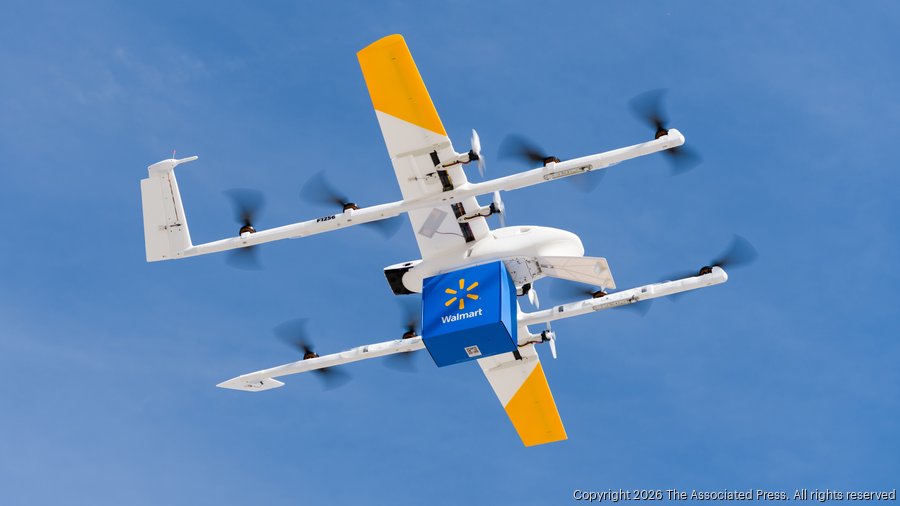
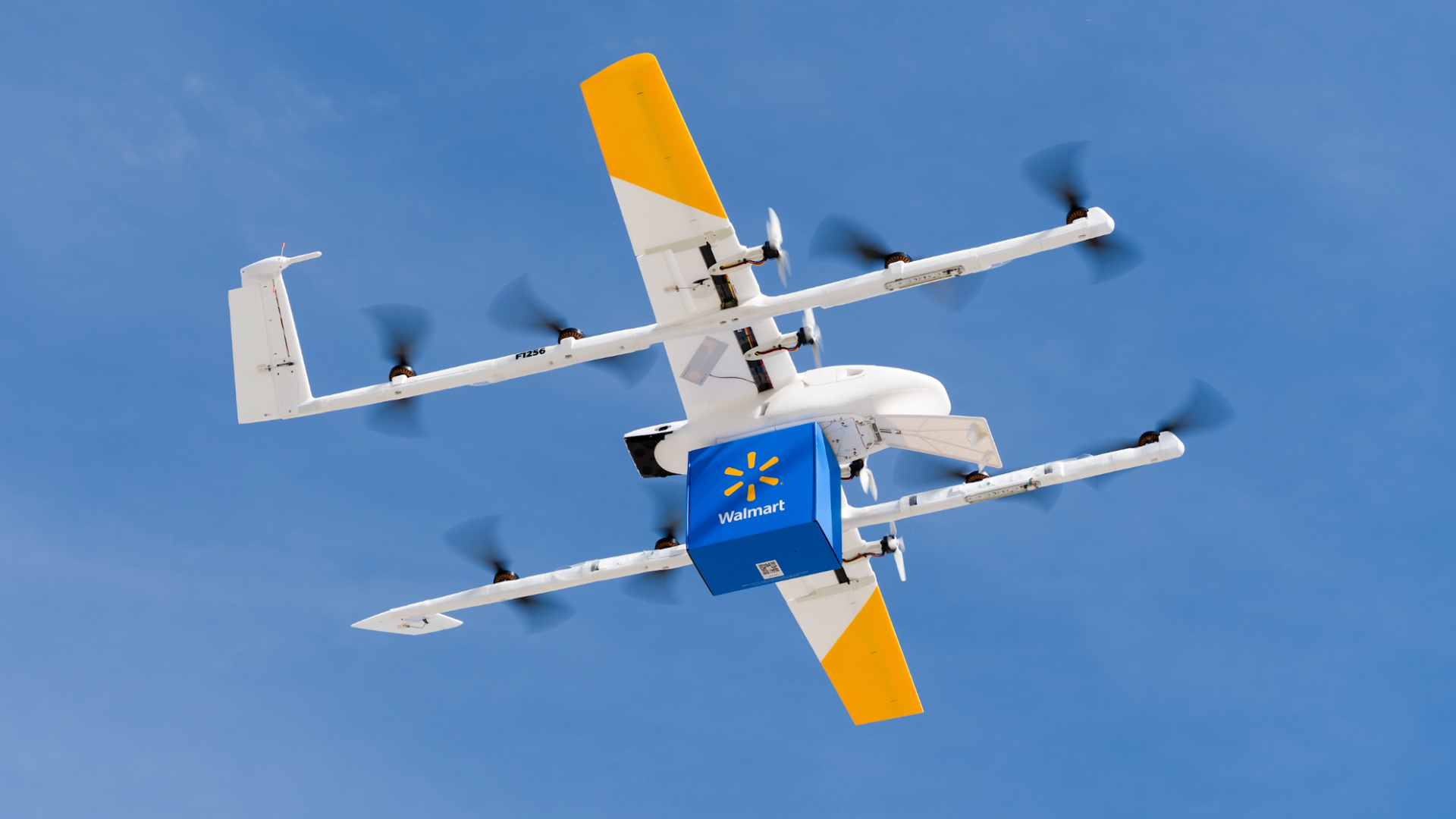
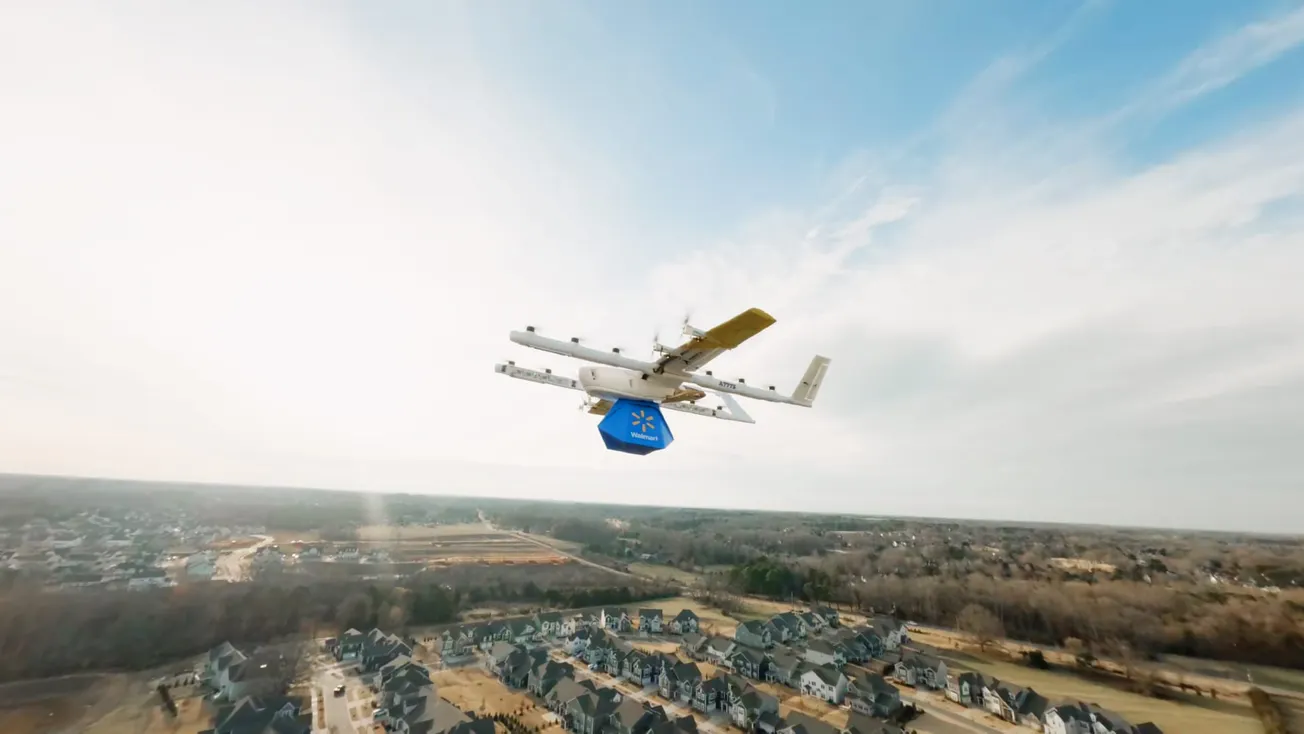
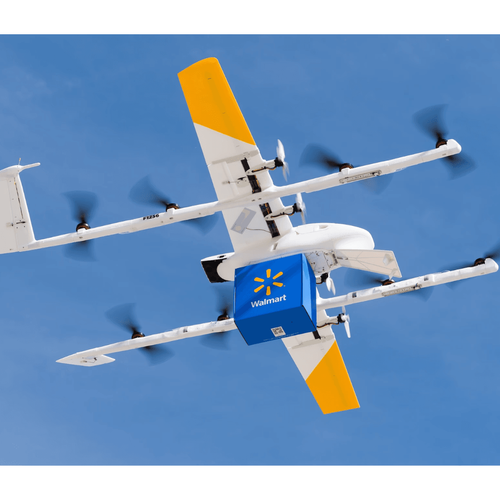
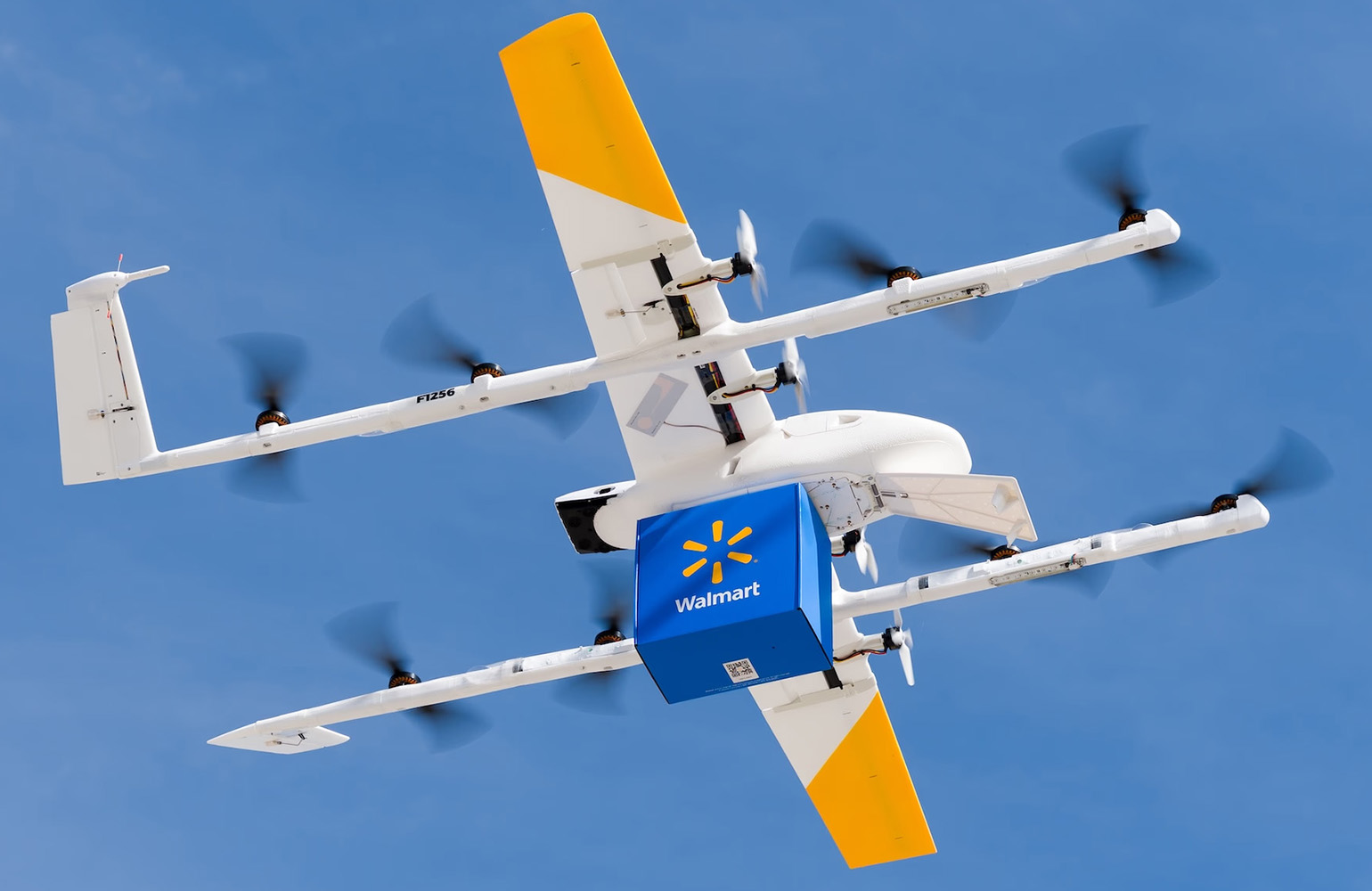
Walmart's drone delivery infrastructure is transitioning from experimental technology to mainstream logistics backbone, with Wing and Zipline partnerships now covering nearly 20 U.S. markets and expanding to 7 additional metropolitan areas (Memphis, New Orleans, Philadelphia, Phoenix, San Diego, San Francisco Bay Area, Salt Lake City). The retailer has already completed over 1 million commercial drone deliveries and plans to deploy the service at 270+ Walmart locations by 2026, with an additional 150 stores added in January 2026. This represents a fundamental shift in last-mile logistics economics that directly impacts seller fulfillment strategies, inventory positioning, and competitive positioning on Walmart's marketplace.
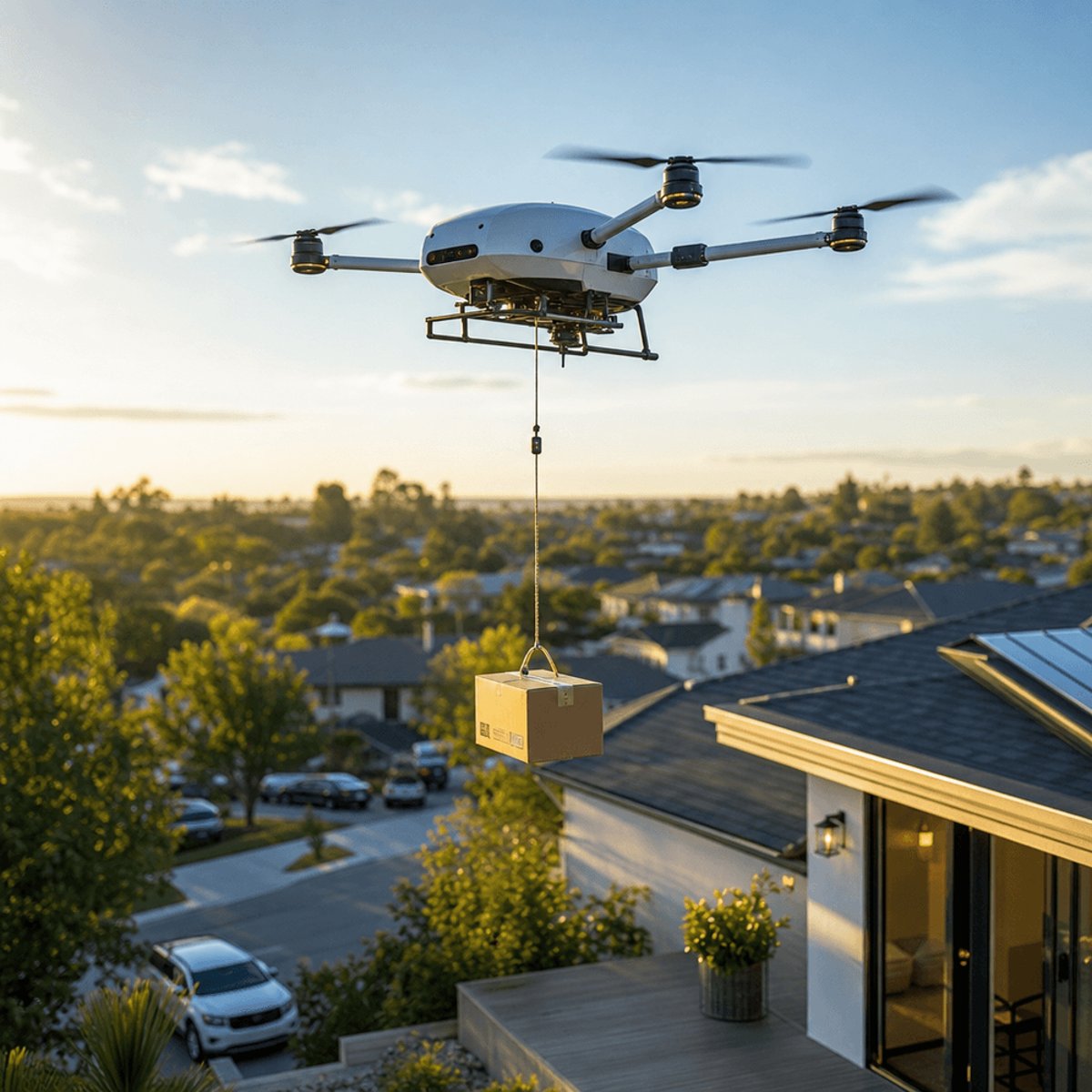
For cross-border and domestic e-commerce sellers, this expansion creates both immediate opportunities and operational constraints. Drone delivery achieves 23-minute average delivery times with aircraft cruising at 60 mph, but Wing drones carry maximum 5-pound payloads while Zipline accommodates 8 pounds in Dallas-Fort Worth. Orders must originate within 6-10 miles of eligible stores. The service is free for Walmart+ members but costs $20 per order for non-members, fundamentally altering customer acquisition costs and repeat purchase economics. Sellers must immediately audit their product portfolios to identify which SKUs qualify for drone fulfillment—lightweight household essentials, fresh groceries, pet food, electronics, and consumer goods under 5-8 pounds become strategically valuable. Categories exceeding weight limits face competitive disadvantage as Walmart prioritizes drone-eligible inventory.
The competitive pressure from Amazon's 30-minute delivery in Philadelphia and Gopuff's established rapid-delivery presence indicates this is not a Walmart-exclusive trend but an industry-wide logistics transformation. Regulatory frameworks have matured sufficiently for commercial drone operations across 20+ markets, suggesting FAA compliance is no longer a barrier to scaling. Sellers should expect similar drone delivery partnerships to launch on Amazon, eBay, and other major platforms within 12-24 months. The proven adoption rate—with top Walmart customers using drone delivery three times weekly—demonstrates consumer acceptance beyond novelty status, making this a permanent fulfillment infrastructure shift rather than temporary marketing initiative.
Immediate seller actions must focus on inventory optimization and fulfillment channel strategy. Sellers currently using Walmart's fulfillment services should contact account managers to understand drone-eligible product requirements and geographic coverage. For sellers in drone-enabled markets (Atlanta, Dallas-Fort Worth, Houston, Memphis, New Orleans, Philadelphia, Phoenix, San Diego, San Francisco Bay Area, Salt Lake City, plus planned Orlando, Tampa, Charlotte, St. Louis, Cincinnati, Los Angeles, Miami), repositioning 20-30% of fast-moving consumer goods (FMCG) inventory to drone-optimized warehouses near Walmart distribution centers could reduce fulfillment costs by 15-25% while improving delivery speed metrics that influence Buy Box eligibility. Sellers should also monitor whether Walmart extends drone delivery to third-party marketplace sellers, as this could become a competitive differentiator for Walmart+ seller programs.
Questions 8
What inventory positioning strategy should sellers implement before Q2 2025?
Sellers should immediately conduct a three-part inventory audit: (1) identify all SKUs under 8 pounds with monthly velocity exceeding 100 units, (2) map current warehouse locations against drone-enabled markets (20+ cities with planned expansion to 40+ by 2027), (3) calculate landed costs for repositioning inventory to drone-optimized 3PL facilities. For sellers in drone-enabled markets, reposition 20-30% of fast-moving consumer goods inventory to facilities within 6-10 miles of Walmart stores by May 2025 to capture early adoption advantages. Sellers outside drone-enabled markets should prepare for expansion by establishing relationships with 3PL providers in planned expansion cities (Orlando, Tampa, Charlotte, St. Louis, Cincinnati, Los Angeles, Miami). Implement inventory management systems that track drone-eligible vs. traditional fulfillment channels separately to optimize cost structure and delivery speed metrics. Monitor Walmart's quarterly expansion announcements to adjust inventory positioning strategy accordingly.
Should sellers shift sourcing or manufacturing to optimize for drone delivery?
Drone delivery weight constraints (5-8 pounds) create incentives for sellers to source lighter-weight product variants or reformulate packaging to reduce dimensional weight. Sellers should evaluate whether sourcing from suppliers specializing in lightweight materials (aluminum vs. steel, plastic vs. glass, concentrated vs. diluted formulations) improves drone delivery eligibility and reduces fulfillment costs by 15-25%. For sellers manufacturing in Asia, this may justify sourcing from regional suppliers closer to U.S. drone-enabled markets to reduce lead times and enable faster inventory repositioning. However, sourcing changes should only be pursued if they improve overall unit economics—weight reduction that increases COGS by more than 8-12% may not justify the fulfillment cost savings. Sellers should model total landed cost scenarios comparing current sourcing + traditional fulfillment vs. lightweight sourcing + drone fulfillment before making supply chain changes.