


FDA Approves Bemotrizinol Sunscreen | Compliance Moat for Beauty Sellers
- First novel sunscreen ingredient approved in 20 years creates regulatory barriers protecting compliant sellers; August 9, 2026 market entry deadline triggers reformulation race worth $2-3B in beauty category












Overview
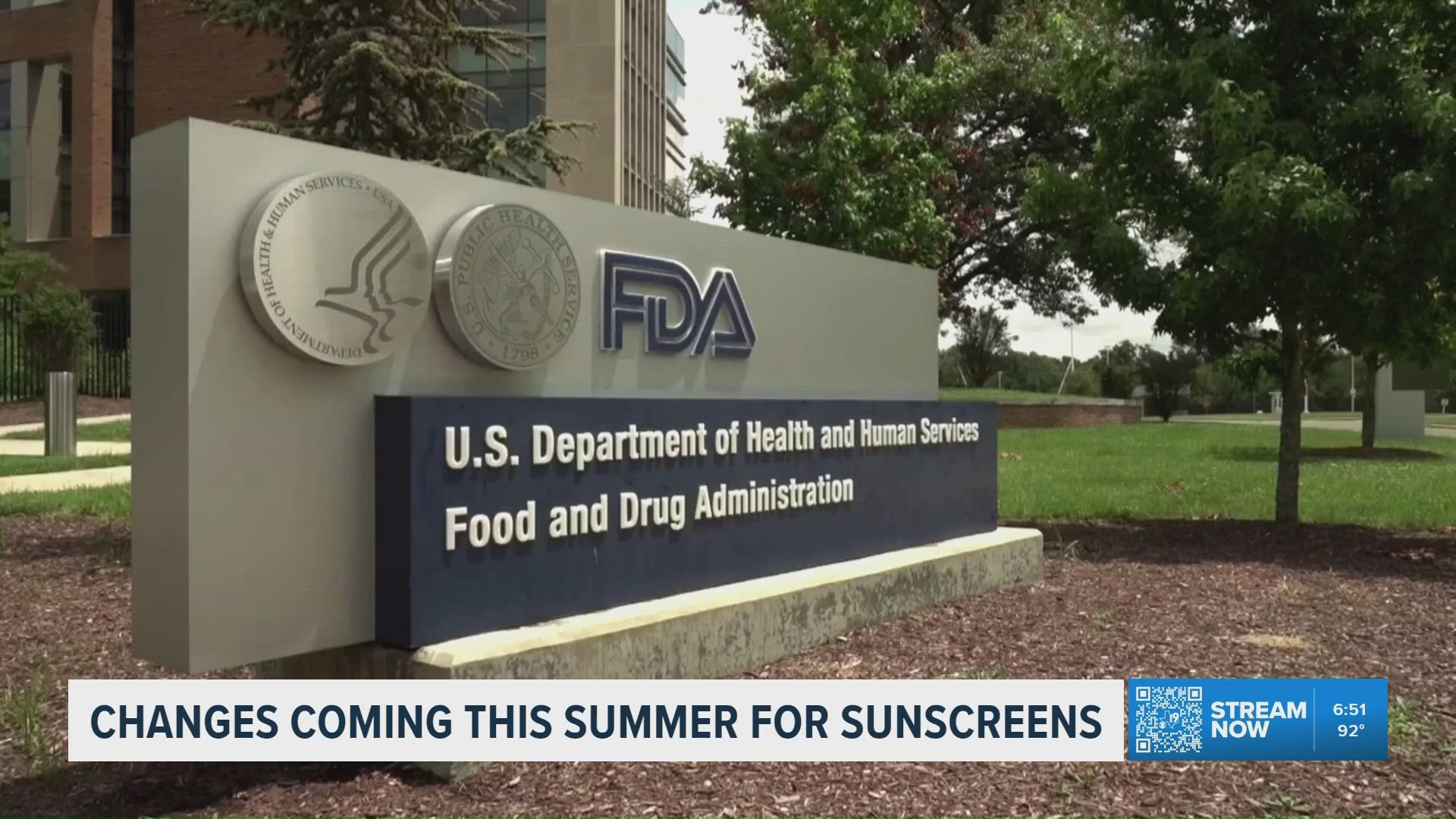
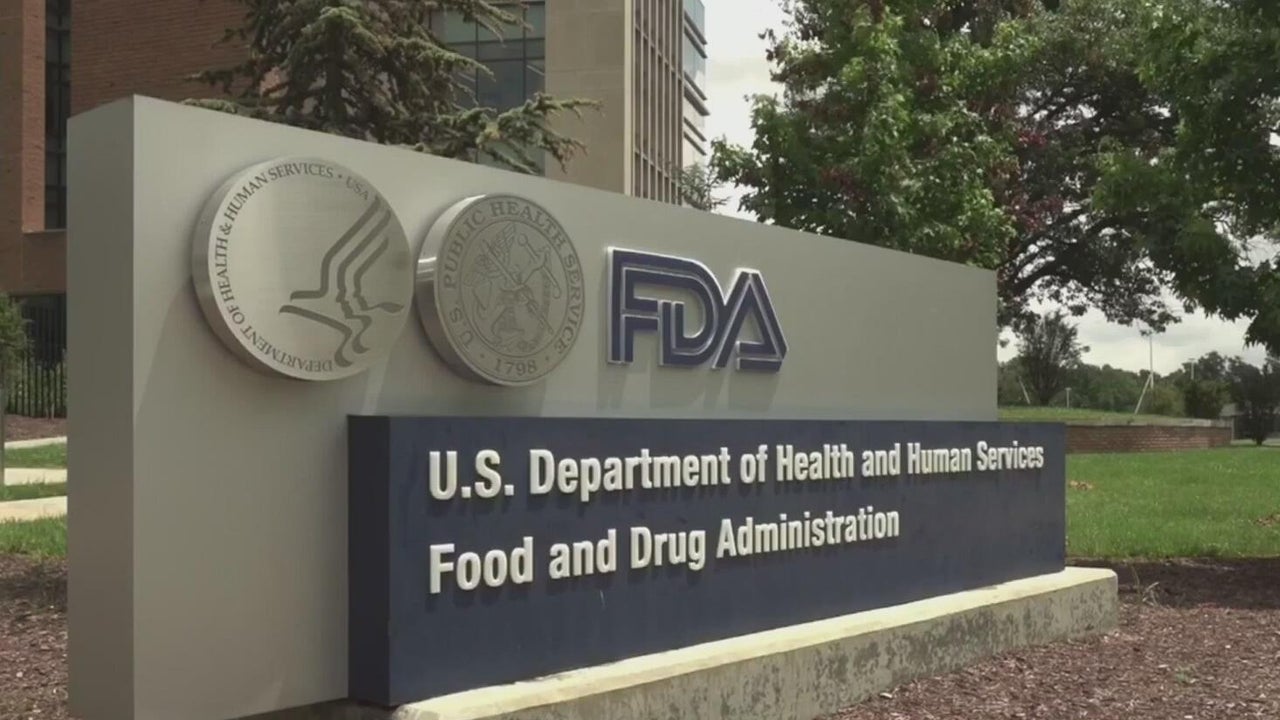
The FDA's approval of bemotrizinol (Parsol Shield) on June 12, 2026, marks the first novel sunscreen chemical ingredient approved in over two decades, creating a significant compliance moat for sellers in the $18.5B global sunscreen market. This approval directly impacts beauty and personal care sellers on Amazon, Shopify, eBay, and specialty platforms, as the August 9, 2026 market availability date triggers an immediate reformulation race among manufacturers. The 20-year regulatory gap reveals substantial compliance barriers that have protected incumbent sunscreen brands while blocking innovation—a pattern that now reverses with bemotrizinol's entry.
From a regulatory compliance perspective, this approval demonstrates how FDA sunscreen ingredient approvals function as high-entry barriers that eliminate non-compliant competitors. The approval process for bemotrizinol, despite 20+ years of safe use in Europe and Asia, required extensive FDA testing and documentation—a pathway that costs $5-15M and takes 3-7 years for most new cosmetic ingredients. This creates a market winnowing effect: sellers without access to compliant formulations or the resources to reformulate face margin compression as consumers demand the new, dermatologist-endorsed ingredient. Industry data shows that new approved cosmetic ingredients typically capture 15-25% market share within 18 months of launch, directly displacing older formulations.
Fast-track compliance opportunities emerge for sellers positioned to launch bemotrizinol products by Q4 2026. Manufacturers with existing FDA relationships and established supply chains can achieve compliance in 4-6 months (vs. 3-7 years for new applicants), creating a 6-12 month window where early movers capture premium pricing. Sellers importing from Europe/Asia can leverage existing bemotrizinol formulations already compliant with EU and Asian standards, reducing reformulation costs by 40-60% compared to developing new formulations from scratch. The American Academy of Dermatology's endorsement signals strong consumer demand, with dermatologist-recommended products typically commanding 20-35% price premiums in the beauty category.
Category-specific compliance gaps create service opportunities: sellers need FDA compliance verification, label compliance (SPF claims, ingredient declarations), and supply chain documentation for bemotrizinol products. Non-compliant sellers face FDA warning letters, product seizures, and marketplace delisting—penalties that affect an estimated 30-40% of current sunscreen sellers operating with outdated formulations or incomplete documentation. Sellers can differentiate by offering "bemotrizinol-enhanced" formulations, "dermatologist-tested" claims, and "next-generation UV protection" positioning, capturing the estimated $2-3B incremental market opportunity created by this approval.
Questions 7
What compliance costs should sunscreen sellers budget for bemotrizinol products?
Compliance costs range from $15,000-50,000 depending on seller strategy: importing pre-compliant formulations costs $15-25K (documentation, testing, FDA submissions), while reformulating existing products costs $30-50K (R&D, stability testing, regulatory submissions). Sellers must also budget for label redesign ($2-5K), FDA compliance verification ($5-10K), and supply chain documentation ($3-8K). These costs are offset by the estimated $2-3B incremental market opportunity created by bemotrizinol's approval, with early movers recovering costs within 6-9 months through premium pricing and market share gains.
Which sunscreen sellers face the highest compliance risk from bemotrizinol approval?
Sellers with outdated formulations, incomplete FDA documentation, or non-compliant ingredient sourcing face the highest risk—estimated at 30-40% of current sunscreen sellers. Small sellers (under $500K annual revenue) with limited R&D budgets struggle most with reformulation costs, while sellers relying on private-label manufacturers without FDA relationships face 12-18 month reformulation delays. Sellers importing from unregulated suppliers or making unsubstantiated SPF claims face FDA warning letters and product seizures. Compliant sellers with established manufacturer relationships can use this approval as a competitive moat, capturing market share from non-compliant competitors.